Women's Bikini Bottoms
CN → US| HS Code | Tariff Rate | Origin | Destination | Doc |
|---|---|---|---|---|
| 6112410010 | 42.4% | CN | US | Official Doc |
| 6112410030 | 34.9% | CN | US | Official Doc |
| 6211128010 | 17.5% | CN | US | Official Doc |
| 6211121010 | 21.8% | CN | US | Official Doc |
| 6112410010 | 42.4% | CN | US | Official Doc |
Product Images
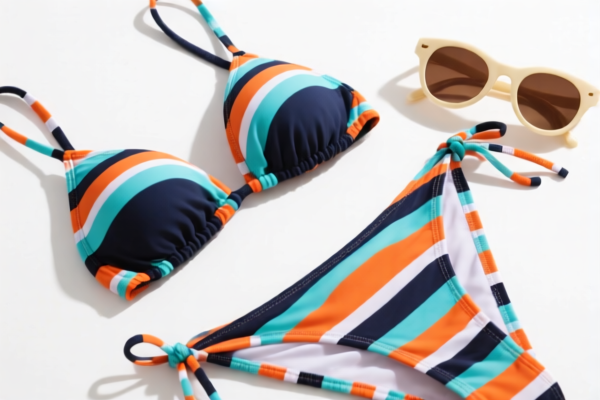
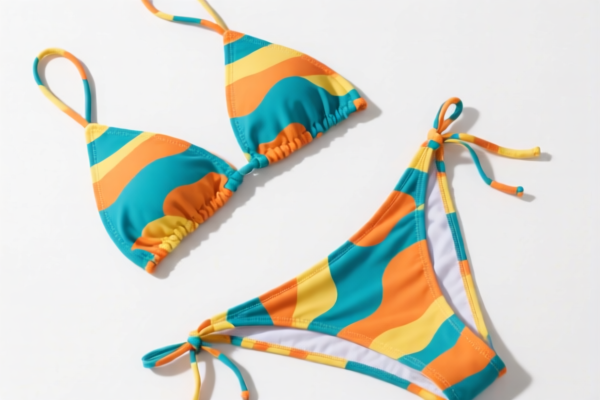
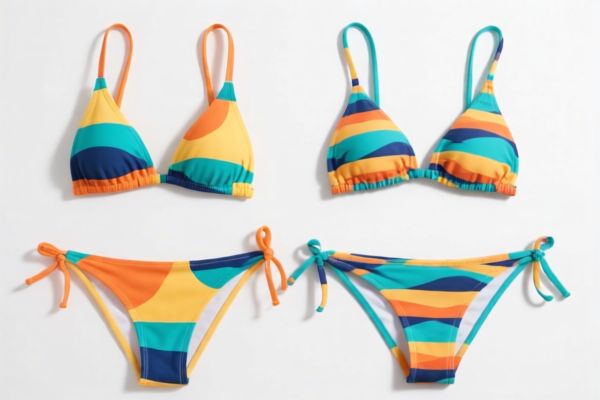
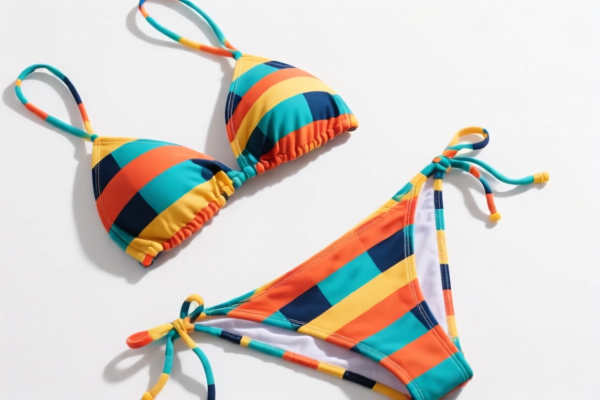
AI Analysis
👙 Women's Bikini Bottoms: HS Code Classification & US Customs Clearance Guide (2024/2025)
🌐 HS Code Reference & Customs Clearance Strategy | Latest Tariff Analysis for US Imports | Professional Compliance Guide
📌 I. Product Definition & Classification: What Exactly Are "Bikini Bottoms"?
Women's bikini bottoms are a core component of two-piece swimwear. In international trade, they are strictly classified based on manufacturing method (knitted vs. non-knitted) and material composition (synthetic fibers vs. man-made fibers vs. cotton).
Key Distinction Points:
- Knitted/Crocheted (6112): Fabric that stretches naturally (e.g., jersey, tricot). Common in high-comfort swimwear.
- Non-Knitted/Woven (6211): Fabric that does not stretch inherently (e.g., poplin, woven nylon). Often requires elastane/spandex added for fit.
⚠️ Critical Classification Rule:
- If the fabric is knitted/crocheted → Use 6112 series.
- If the fabric is woven/non-knitted → Use 6211 series.
- Material matters: Synthetic fibers (polyester/nylon) and Man-made fibers (rayon/viscose) have different base duty rates.
📦 II. HS Code Classification Details (2026 Latest Tariff Schedule)
Based on the provided dataset, here are the applicable HS Codes for Women's Bikini Bottoms/One-Pieces entering the US market:
| HS Code | Product Description | Manufacturing Method | Material Composition | Total Tax Rate |
|---|---|---|---|---|
6112.41.00.10 |
Women's Bikini Swimsuit Set / Bottoms | Knitted/Crocheted | Synthetic Fibers | 42.4% |
6112.41.00.30 |
Women's Bikini Swimsuit Set / Bottoms | Knitted/Crocheted | Synthetic Fibers | 34.9% |
6211.12.80.10 |
Women's Swimsuit (Non-Knitted) | Non-Knitted/Non-Crocheted | Cotton or Synthetic Fibers | 17.5% |
6211.12.10.10 |
Women's Swimsuit (Non-Knitted) | Non-Knitted/Non-Crocheted | Man-Made Fibers | 21.8% |
🔍 Important Note:
-6112.41.00.10and6112.41.00.30are identical in product description but differ in tax rate. This usually reflects specific origin trade policies (e.g., Section 301 vs. non-301 origins, or specific 122 Clause applicability).
-6211codes apply to woven swimwear. If your bikini bottoms are made of stretchy knit fabric, do NOT use 6211.
💰 III. 2024/2025 US Tariff Rate Breakdown (Including Section 301 & 122 Clauses)
✅ Applicable Country: United States (US)
✅ Origin: China (CN) (Note: Tax details imply China origin due to specific section clauses)
✅ Effective Time: Current trade restrictions apply
🎯 1. 6112.41.00.10 —— Knitted Synthetic Bikini (High Tariff Scenario)
| Item | Details |
|---|---|
| Base Duty Rate | 24.9% |
| Section 301 Additional Duty | +7.5% |
| Section 122 Additional Duty | +10.0% |
| Total Tax Rate | 42.4% |
| Tax Calculation | CIF Value × 42.4% |
| De Minimis Exemption | ❌ Not Eligible |
| Legal Basis Path | HTSUS:6112.41.00 → USITC:Section 301 → USTR:Section 122 |
📌 Explanation:
- Base Duty (24.9%): Standard Most Favored Nation (MFN) rate for knitted synthetic swimwear.
- Section 301 (7.5%): Additional tariff on Chinese goods under Trade Act of 1974.
- Section 122 (10%): Additional duty under the Trade Act of 1974, Section 122, for balance-of-payments purposes.
- Total Impact: 42.4% is a very high effective tariff. Cost structure must account for this.
🎯 2. 6112.41.00.30 —— Knitted Synthetic Bikini (Reduced Section 301 Scenario)
| Item | Details |
|---|---|
| Base Duty Rate | 24.9% |
| Section 301 Additional Duty | 0.0% |
| Section 122 Additional Duty | +10.0% |
| Total Tax Rate | 34.9% |
| Tax Calculation | CIF Value × 34.9% |
| De Minimis Exemption | ❌ Not Eligible |
| Legal Basis Path | HTSUS:6112.41.00 → USTR:Section 122 |
📌 Note:
- The 7.5% Section 301 duty is removed in this specific sub-code scenario.
- Savings: 7.5% compared to6112.41.00.10.
- Why the difference? This may apply to specific manufacturing regions or updated exclusions. Verify if your production site qualifies for this lower rate.
🎯 3. 6211.12.80.10 —— Woven Cotton/Synthetic Swimsuit (Lowest Tariff)
| Item | Details |
|---|---|
| Base Duty Rate | 7.5% |
| Section 301 Additional Duty | 0.0% |
| Section 122 Additional Duty | +10.0% |
| Total Tax Rate | 17.5% |
| Tax Calculation | CIF Value × 17.5% |
| De Minimis Exemption | ❌ Not Eligible |
| Legal Basis Path | HTSUS:6211.12 → USTR:Section 122 |
📌 Optimization Tip:
- If your bikini bottoms are woven (not knitted) and made of cotton or synthetic fibers, this is the most cost-effective HS Code.
- Total Duty: Only 17.5%.
- Action: Check if your fabric can be classified as woven. Many "swim fabrics" are actually knitted, so be careful not to misclassify.
🎯 4. 6211.12.10.10 —— Woven Man-Made Fiber Swimsuit (Medium Tariff)
| Item | Details |
|---|---|
| Base Duty Rate | 11.8% |
| Section 301 Additional Duty | 0.0% |
| Section 122 Additional Duty | +10.0% |
| Total Tax Rate | 21.8% |
| Tax Calculation | CIF Value × 21.8% |
| De Minimis Exemption | ❌ Not Eligible |
| Legal Basis Path | HTSUS:6211.12 → USTR:Section 122 |
📌 Explanation:
- Applies to woven swimwear made of man-made fibers (e.g., rayon, viscose, acetate).
- Total Duty: 21.8%.
- Comparison: Higher than synthetic/cotton woven (17.5%) but significantly lower than knitted synthetic (34.9–42.4%).
🛠️ IV. Customs Clearance Practical Advice (Avoid Pitfalls)
✅ 1. Documentation Checklist (Mandatory)
| Document | Required? | Explanation |
|---|---|---|
| ✅ Commercial Invoice | ✔️ | Must specify "Women's Bikini Bottoms" or "Swimsuit Set". |
| ✅ Packing List | ✔️ | Detail quantities, weights, and packaging dimensions. |
| ✅ Product Composition Label | ✔️ | Clear indication of % synthetic/man-made/cotton. |
| ✅ Fabric Construction Info | ✔️ | Crucial: State "Knitted" or "Woven/Non-Knitted". |
| ✅ Certificate of Origin | ✔️ | Required for Section 122 and 301 duty assessments. |
| ✅ Photos of Product & Labels | ✔️ | To prove classification (knit vs. woven). |
✅ 2. Declaration Tips (Key Mantra)
🔥 "Knit vs. Woven Determines Base Rate, Material Dictates Specific Code, Section 122 is Always 10%, Section 301 May Be 0% or 7.5%!"
| Scenario | Correct HS Code | Common Mistake |
|---|---|---|
| Knitted, Synthetic | 6112.41.00.10 or 6112.41.00.30 |
Misclassifying as woven → Wrong duty. |
| Knitted, Synthetic | 6112.41.00.30 |
If eligible, use this to save 7.5% |
| Woven, Cotton/Synthetic | 6211.12.80.10 |
Using knitted code → 42.4% instead of 17.5%. |
| Woven, Man-Made | 6211.12.10.10 |
Not applicable for cotton/synthetic blends. |
⚠️ Critical Warning:
- Do NOT misdeclare "Knitted" as "Woven" to save duty. Customs may inspect fabric structure. Penalties include back taxes, fines, and shipment detention.
- Section 122 (10%) applies to all these codes for Chinese origin. It is not optional.
- Section 301 (7.5%) is the variable. Verify if your product qualifies for the 0% rate (6112.41.00.30).
✅ 3. Special Situations
| Situation | Handling Advice |
|---|---|
| Bikini Top + Bottom Set | If sold as a set, classify the set based on the dominant component or material. Usually, if both are knitted synthetic, use 6112.41. |
| Elastane/Spandex Content | Even with high elastane, if the base fabric is synthetic, it remains 6112 or 6211. Do not misclassify as "textile articles" (6307). |
| Samples for Testing | Samples are still subject to duties unless declared as "Non-Commercial Sample" with value under $2,500 (Section 321). |
| Dropshipping/De Minimis | ❌ Not Eligible. Swimwear under HS 6112/6211 is excluded from de minimis exemption. All duties apply. |
🌍 V. Global Market Comparison (2026 Latest)
| Country/Region | Recommended HS Code | Approx. Duty (China Origin) | Notes |
|---|---|---|---|
| 🇺🇸 United States | 6112.41.00.30 (Optimal) |
34.9% | Includes Section 122 (10%). Section 301 may be 0% or 7.5%. |
| 🇨🇳 China (Export) | 6112.41.00.10 |
0% | No export duty for swimwear. |
| 🇪🇺 European Union | 6112.41 | 12% | No Section 301/122. Standard EU tariff. |
| 🇬🇧 United Kingdom | 6112.41 | 12% | Post-Brexit tariff aligns with EU. |
| 🇦🇺 Australia | 6112.41 | 5% | Lower duty, no Section 122. |
📌 Conclusion:
- US is the most expensive market due to Section 122 and 301.
- Strategy: If possible, use woven fabric (6211) to reduce duty to 17.5%.
- Alternative: Source from non-China origins (e.g., Vietnam, India) to avoid Section 301/122 if possible, but Section 122 may still apply depending on current regulations.
📌 VI. Common Errors & Pitfalls (Lessons Learned)
❌ Error 1: Declaring Knitted Bikinis as Woven to get 17.5% duty.
👉 Result: Customs inspection reveals knit fabric → Back taxes + 25% penalty + shipment hold.
❌ Error 2: Assuming De Minimis ($800) applies.
👉 Result: Swimwear is excluded. If undervalued or under-declared, shipment will be seized.
❌ Error 3: Missing Section 122 (10%) in cost calculation.
👉 Result: Profit margin eroded unexpectedly. Always include 10% + base duty.
❌ Error 4: Confusing "Man-Made Fibers" with "Synthetic Fibers".
👉 Result:
- Synthetic (Polyester/Nylon) → 6112/6211 with synthetic rates.
- Man-Made (Rayon/Viscose) → 6211.12.10.10 (21.8%).
- Misclassification leads to incorrect duty payment.
✅ Correct Declaration Example:
"Women's Bikini Bottom, Knitted, 80% Polyester, 20% Spandex, HS Code 6112.41.00.30, Origin: China"
🎯 VII. Conclusion: Smart Classification, Lower Costs!
🎯 Remember the Mantra:
🔹 "Knit vs. Woven? Synthetic vs. Man-Made? Check Section 122 (10%) Always! Check Section 301 (0% or 7.5%)!"
🔹 "HS Code 6112.41.00.30 saves 7.5% over .10! HS Code 6211 saves 17-25% over 6112 IF woven!"
📌 Pro Tip:
- Request a Binding Ruling from US Customs (CBP) before shipping large volumes.
- Verify Fabric Construction: If you can switch from knitted to woven fabric without affecting design, do it. The duty savings (17.5% vs. 34.9%) are significant.
- Consult a Customs Broker: Trade rules change frequently. Always validate with a licensed US customs broker.
📣 Immediate Action:
📞 Contact your customs broker with product photos and fabric swatches.
🚀 Classify correctly now to avoid costly delays later!
✨ Professional Clearance Starts with Accurate Classification!
💼 Your Bottom Line Depends on Your Top Code!
Customer Reviews
About HS Code Classification
The Harmonized System (HS) is an internationally standardized nomenclature developed by the World Customs Organization (WCO) to classify traded products. Over 200 countries use the HS system as the basis for customs tariffs, trade statistics, and import/export regulations.
Each HS code follows a hierarchical structure:
- Chapter (2 digits) — Broad category of goods (e.g., Chapter 84: Machinery and Mechanical Appliances)
- Heading (4 digits) — More specific grouping within the chapter
- Subheading (6 digits) — Internationally standardized breakdown, used by all WCO member countries
- National subdivisions (8-10 digits) — Country-specific extensions for further classification, such as US HTSUS 10-digit codes
Correct HS code classification is essential for smooth customs clearance, accurate duty payment, and compliance with trade regulations. Misclassification can lead to customs delays, overpayment of duties, or penalties.
When importing from CN to US, the applicable tariff rates may include:
- Most-Favored-Nation (MFN) rate — The standard duty rate applied to WTO members
- General rate — Applied to countries without trade agreements
- Trade remedy duties — Additional tariffs such as Section 301 (anti-dumping), Section 232 (national security), or countervailing duties
The information provided on this page is for reference purposes only. For official classification, please consult with your local customs authority or a licensed customs broker.