Women's Bikini Swimsuit Set
CN → US| HS Code | Tariff Rate | Origin | Destination | Doc |
|---|---|---|---|---|
| 6112410010 | 42.4% | CN | US | Official Doc |
| 6112410030 | 34.9% | CN | US | Official Doc |
| 6104220090 | 0.0% | CN | US | Official Doc |
| 6104292069 | 0.0% | CN | US | Official Doc |
| 6112410010 | 42.4% | CN | US | Official Doc |
Product Images
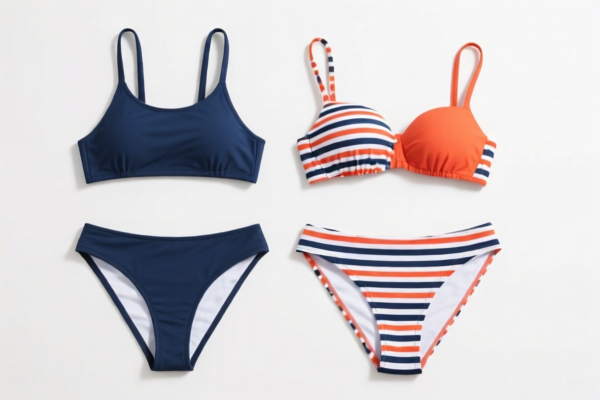
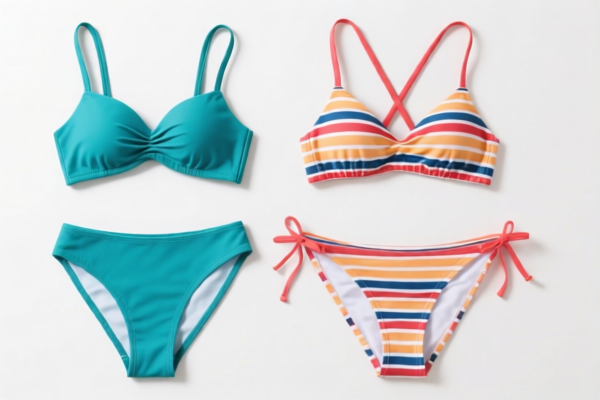
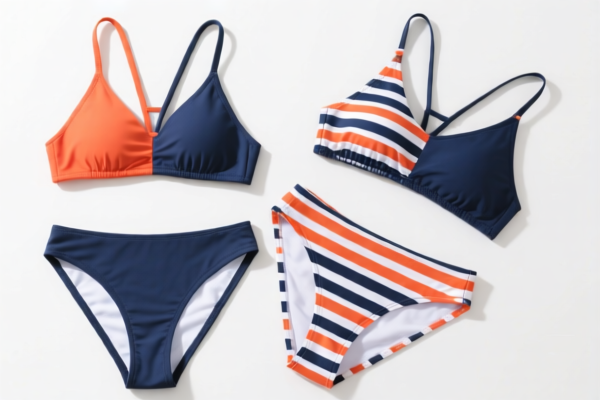
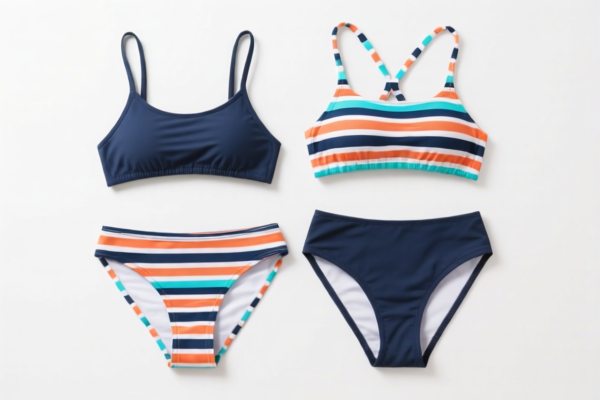
AI Analysis
👙 Women's Bikini Swimsuit Set (Knitted/Crocheted)
🌐 HS Code Reference & Customs Clearance Guide | 2026 Latest Tariff Analysis | Professional Level Compliance Strategy
📌 I. Product Definition & Classification: Are You Sure You Know "Bikini"?
A women's bikini swimsuit set is a two-piece garment typically consisting of a top and bottom, designed for swimming or sunbathing. In international trade, classification is strictly determined by the material composition and the manufacturing method (Knitted vs. Crocheted). Misclassification here leads to massive tariff discrepancies due to Section 301 (34%) and Section 122 duties.
⚠️ Key Distinction:
- If made from Synthetic Fibers (e.g., Nylon, Polyester, Spandex): Falls under 6112.41 or 6104.22/29.
- If made from Cotton or Other Textile Materials: Falls under 6104.22 or 6104.29.
- Method Matters: "Knitted" (6112/6104.22) vs. "Crocheted" (6104.29/6112.41 variants). Note: Some synthetic crocheted items may fall under 6112.41 depending on specific HTSUS rulings, as seen in the data.
📦 II. HS Code Classification Details (2026 Latest Harmonized Tariff Schedule)
| HS Code | Product Description | Material/Method | Total Tax Rate | Tax Breakdown |
|---|---|---|---|---|
6112.41.00.10 |
Women's Bikini Swimsuit Set | Synthetic Fiber / Knitted or Crocheted | 42.4% | Base: 24.9% + 301 Duty: 7.5% + Sec 122: 10% |
6112.41.00.30 |
Women's Bikini Swimsuit Set | Synthetic Fiber / Knitted or Crocheted | 34.9% | Base: 24.9% + 301 Duty: 0.0% + Sec 122: 10% |
6104.22.00.90 |
Women's Crochet Bikini Set | Cotton / Crocheted | Base Rate + 10% | Base: Variable per garment if separated + 301 Duty: 0.0% + Sec 122: 10% |
6104.29.20.69 |
Women's Crochet Bikini Set | Other Textile Materials / Crocheted | Base Rate + 10% | Base: Variable per garment if separated + 301 Duty: 0.0% + Sec 122: 10% |
6112.41.00.10 |
Women's Crochet Bikini Set | Synthetic Fiber / Crocheted | 42.4% | Base: 24.9% + 301 Duty: 7.5% + Sec 122: 10% |
🔍 Critical Note on 6112.41.00.10:
- This code applies to Synthetic Fiber bikinis, regardless of whether they are knitted or crocheted (as per the provided data set). - It incurs the highest total tax (42.4%) due to the combination of Base, Section 301 (7.5%), and Section 122 (10%). - Section 301 (7.5%) is the key differentiator between...00.10and...00.30.
💰 III. 2026 Latest Tariff Rate Detail (Including Surcharge & Policy Add-ons)
✅ Applicable Country: United States (US)
✅ Origin: China (CN)
✅ Effective Date: Current rates apply (Check for latest Section 301 updates)
🎯 1. 6112.41.00.10 & 6112.41.00.10 (Synthetic) – The High-Tax Trap
| Item | Content |
|---|---|
| Base Tariff | 24.9% (ad valorem) |
| Section 301 Duty | +7.5% (Specific to this subheading/code variant) |
| Section 122 Duty | +10.0% (Anti-circumvention/Add-on duty) |
| Total Effective Rate | 42.4% |
| Tax Calculation | CIF Value × 42.4% |
| De Minimis Exemption | ❌ NOT APPLICABLE |
| Legal Basis Path | HTSUS:6112.41.00.10 → Sec 301: +7.5% → Sec 122: +10% |
📌 Explanation:
- Base 24.9%: Standard MFN rate for women's knitted/crocheted swimwear of man-made fibers. - 301 Duty 7.5%: This specific 10-digit HTSUS code attracts a 7.5% surcharge under Section 301 investigations (List 3 or 4b, depending on current status). - Section 122 10%: A special additional duty often applied to prevent circumvention or under specific trade remedy orders. - Total 42.4%: This is a very high cost. Misclassifying this as...00.30(if eligible) saves 7.5%.
🎯 2. 6112.41.00.30 (Synthetic) – The Strategic Alternative
| Item | Content |
|---|---|
| Base Tariff | 24.9% |
| Section 301 Duty | +0.0% (Exempted or not listed for this specific subheading) |
| Section 122 Duty | +10.0% |
| Total Effective Rate | 34.9% |
| Tax Calculation | CIF Value × 34.9% |
| De Minimis Exemption | ❌ NOT APPLICABLE |
| Legal Basis Path | HTSUS:6112.41.00.30 → Sec 122: +10% |
📌 Strategy:
- If your product can be classified under...00.30(perhaps due to specific construction, packaging, or minor material differences not fully detailed in the summary), you save 7.5% on the Section 301 duty. - Always verify with CBP if your specific product meets the criteria for...00.30.
🎯 3. 6104.22.00.90 & 6104.29.20.69 (Cotton/Other) – Lower Risk
| Item | Content |
|---|---|
| Base Tariff | Variable (Depends on the specific garment if separated) |
| Section 301 Duty | +0.0% |
| Section 122 Duty | +10.0% |
| Total Effective Rate | Base Rate + 10% |
| Tax Calculation | (Sum of parts base rate) × 10% |
| De Minimis Exemption | ❌ NOT APPLICABLE |
📌 Analysis:
- Section 301 Exemption: Cotton (6104.22) and Other Materials (6104.29) appear to be exempt from the Section 301 surcharge in this dataset. - Complexity: The tax is calculated on the "rate applicable to each garment... if separated." This requires precise valuation of the top and bottom if they were sold separately. - Section 122 Still Applies: Even with 0% Section 301, the 10% Section 122 duty still applies.
🛠️ IV. Customs Clearance Practical Advice (Real-World Pitfall Guide)
✅ 1. Preparation Checklist (Non-Negotiable)
| Document | Required? | Note |
|---|---|---|
| ✅ Product Specification Sheet | ✔️ | Must clearly state: Material Composition (e.g., 80% Nylon, 20% Spandex) and Knitting Method (Knitted vs. Crocheted). |
| ✅ Composition Label Scan | ✔️ | Photos of the care label/tag inside the garment. |
| ✅ Commercial Invoice | ✔️ | Must list each piece (Top/Bottom) separately if valuation requires it for 6104 codes. |
| ✅ Product Photos | ✔️ | Front, back, and close-up of fabric texture (to prove knitting/crochet). |
| ✅ Origin Certificate | ❌ | Not typically needed for US imports unless claiming FTA benefits (unlikely for China origin here). |
✅ 2. Classification Tips (Key Mantra)
🔥 "Material Defines Code, 301 Defines Cost!"
| Scenario | Correct Classification | Wrong Approach |
|---|---|---|
| Synthetic (Nylon/Poly) | Check 6112.41 carefully. Compare ...00.10 (42.4%) vs ...00.30 (34.9%). |
Assuming all synthetics are the same → Overpaying 7.5%! |
| Cotton | 6104.22.00.90. Lower base risk, but still 10% Sec 122. |
Misclassifying as synthetic → Higher Base Rate + 301. |
| Crochet vs. Knit | Verify construction. "Crochet" often falls under 6104 for cotton/other, but synthetic crochet may fall under 6112. |
Confusing methods → Wrong HTSUS chapter. |
| Set vs. Single Piece | For 6104, ensure valuation logic matches "if separated" instruction. |
Valuing as a single unit when code requires separate calculation → Valuation Error. |
✅ 3. Special Handling
| Situation | Recommendation |
|---|---|
| OEM Custom Designs | Provide fabric test reports (fiber content) to prove synthetic vs. cotton. |
| Mixed Material Sets | If a set has a synthetic top and cotton bottom, consult CBP. Usually, the principal character or specific heading dictates. For bikinis, 6112 is specific for swimwear, often overriding general textile rules. |
| De Minimis (Section 321) | ⚠️ WARNING: The data explicitly states "Deny De Minimis" for these codes. Even if the value is under $800, you cannot use the Section 321 de minimis exemption. You must file a formal entry and pay duties. |
🌍 V. Global Market Comparison (2026 Update)
| Market | Recommended HS Code | Est. Duty Rate | Notes |
|---|---|---|---|
| 🇺🇸 USA | 6112.41.00.10 / ...30 |
34.9% - 42.4% | High due to 301 & Sec 122. No De Minimis. |
| 🇨🇳 China | 6112.41 |
~10-15% | Lower base duties, no 301/Sec 122. |
| 🇪🇺 EU | 6112.41 |
~12% | No Section 301. Standard EU duty. |
| 🇨🇦 Canada | 6112.41 |
~0-12% | Check CUSMA eligibility if originating. |
📌 Conclusion:
- The US market is the most expensive for Chinese-origin bikinis due to the叠加 (stacking) of Base, 301, and Section 122 duties. - Section 122 (10%) is universal in this dataset for these items. - Material Choice Matters: Switching from Synthetic to Cotton might reduce Section 301 exposure (from 7.5% to 0%), but verify if the resulting total (Base + 10%) is lower than Synthetic (24.9% + 7.5% + 10%).
📌 VI. Common Errors & Pitfalls (Lessons Learned)
❌ Error 1: Assuming "Swimsuit" automatically means 6112.41.
👉 Reality: If it's cotton, it might be 6104.22. Check material first!
❌ Error 2: Ignoring Section 122.
👉 Reality: The 10% Sec 122 duty applies to ALL listed codes. Do not forget it in cost calculations.
❌ Error 3: Relying on De Minimis for shipments <$800.
👉 Reality: The data indicates Deny De Minimis. You must pay duties on every shipment, no matter the value. This destroys the e-commerce advantage of cheap shipping.
❌ Error 4: Confusing ...00.10 and ...00.30.
👉 Reality: A 7.5% difference is huge on large volumes. Audit your HTSUS 10-digit code with a customs broker.
✅ Correct Approach:
"Women's Bikini Set, Synthetic Fibers, Knitted/Crocheted. HTSUS: 6112.41.00.30 (to save 7.5% if eligible). Declaration: 'Swimwear, Synthetic, Knitted.' Valuation: CIF. Duty: 34.9%."
🎯 VII. Conclusion: Precision Saves Money!
🎯 Key Takeaways:
🔹 "Synthetic Bikini = High Tax (35-42%) in US"
🔹 "Cotton Bikini = Lower 301 Risk, but Still 10% Sec 122"
🔹 "No De Minimis! Every shipment pays duty."
📌 Action Item:
📞 Contact a licensed customs broker to verify if your specific product qualifies for
6112.41.00.30(34.9%) instead of.10(42.4%).
📝 Ensure your commercial invoice clearly states the material composition (e.g., "100% Polyester") to avoid misclassification audits.
✨ Professional customs clearance starts with accurate HS Codes!
💼 Your profit margin depends on these 10 digits.
Customer Reviews
About HS Code Classification
The Harmonized System (HS) is an internationally standardized nomenclature developed by the World Customs Organization (WCO) to classify traded products. Over 200 countries use the HS system as the basis for customs tariffs, trade statistics, and import/export regulations.
Each HS code follows a hierarchical structure:
- Chapter (2 digits) — Broad category of goods (e.g., Chapter 84: Machinery and Mechanical Appliances)
- Heading (4 digits) — More specific grouping within the chapter
- Subheading (6 digits) — Internationally standardized breakdown, used by all WCO member countries
- National subdivisions (8-10 digits) — Country-specific extensions for further classification, such as US HTSUS 10-digit codes
Correct HS code classification is essential for smooth customs clearance, accurate duty payment, and compliance with trade regulations. Misclassification can lead to customs delays, overpayment of duties, or penalties.
When importing from CN to US, the applicable tariff rates may include:
- Most-Favored-Nation (MFN) rate — The standard duty rate applied to WTO members
- General rate — Applied to countries without trade agreements
- Trade remedy duties — Additional tariffs such as Section 301 (anti-dumping), Section 232 (national security), or countervailing duties
The information provided on this page is for reference purposes only. For official classification, please consult with your local customs authority or a licensed customs broker.