Women's Bodystocking
CN → US| HS Code | Tariff Rate | Origin | Destination | Doc |
|---|---|---|---|---|
| 6115959000 | 31.0% | CN | US | Official Doc |
| 6217109510 | 32.1% | CN | US | Official Doc |
| 6217109530 | 32.1% | CN | US | Official Doc |
| 6217109550 | 32.1% | CN | US | Official Doc |
| 6117809510 | 32.1% | CN | US | Official Doc |
Product Images
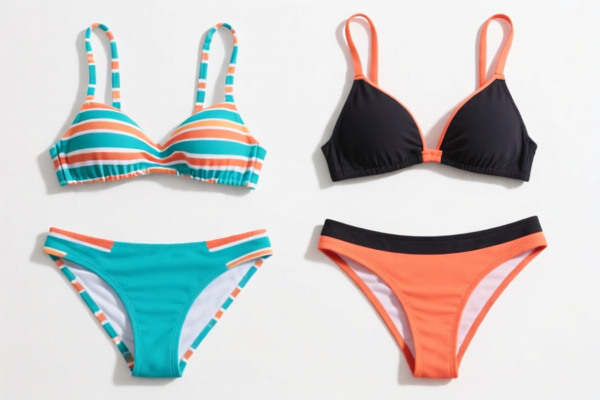
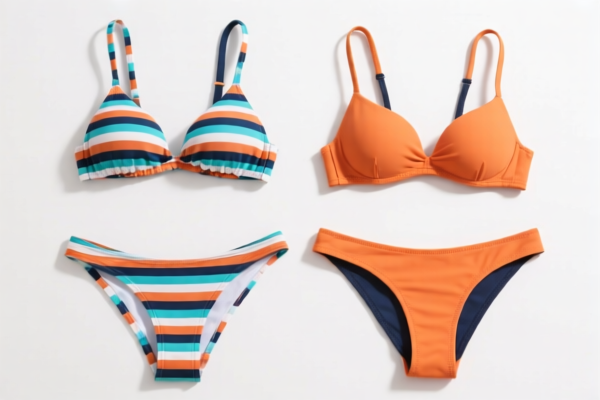
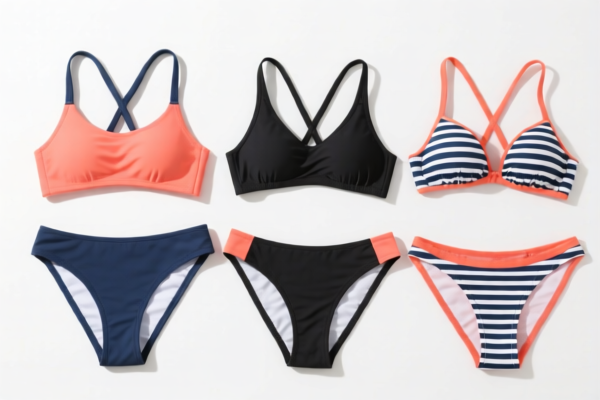
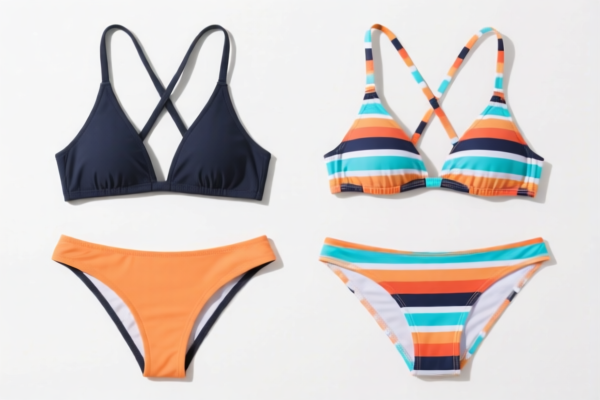
AI Analysis
👗 Women's Bodystocking (Full-Body Hosiery)
🌐 HS Code Reference & Customs Clearance Guide | 2026 Latest Tariff Analysis | Professional Entry Strategy
📌 I. Product Definition & Classification: What Exactly Is a "Bodystocking"?
A Women's Bodystocking is a one-piece, form-fitting garment that covers the torso and legs, similar to a leotard but made from sheer or opaque hosiery materials (typically nylon, spandex/elastane, or cotton blends). It is often used as lingerie, dancewear, or casual fashion undergarments.
In international trade, the key distinction lies in construction method: - Knitted/Knitted-like (Chapter 61): Made from knitted fabric (stretchy, looped structure). - Not Knitted/Weaves or Other Textiles (Chapter 62): Made from woven fabrics or non-knitted materials.
⚠️ Critical Distinction Point:
- If the main material is knitted (most common for stretch bodystockings) → Chapter 61. - If the main material is woven or classified as an "accessory" to other garments → Chapter 62.
📦 II. HS Code Classification Details (Based on Provided Data)
According to the provided <DATA>, the following HS Codes are matched for Women's Casual Socks/Bodystockings (Note: The data describes them as "casual socks" but maps to broader categories like "clothing accessories" and "knitted accessories," which is a common classification strategy for sheer hosiery products when specific "bodystocking" codes are ambiguous or when classified under "other made-up articles").
| HS Code | Product Description | Material Inference | Total Tax Rate |
|---|---|---|---|
6115.95.90.00 |
Women's casual socks/hosiery, matching form and use. | Cotton or Blended Fibers | 31.0% |
6217.10.95.10 |
Women's casual socks/hosiery, matching garment accessories/sock category. | Cotton/Fiber Class | 32.1% |
6217.10.95.30 |
Women's casual socks/hosiery, matching clothing accessories. | Artificial Fiber or Cotton/Wool | 32.1% |
6217.10.95.50 |
Women's casual socks/hosiery, matching other garment accessories. | Cotton, Polyester, or Wool | 32.1% |
6117.80.95.10 |
Women's casual socks/hosiery, matching knitted/crocheted clothing accessories. | Cotton, Polyester, or Artificial Fiber | 32.1% |
🔍 Key Insight:
- The first code (6115.95.90.00) falls under Knitted Hosiery (Leggings/Stockings) and has a lower total tax rate (31.0%). - The remaining codes fall under Other Made-Up Clothing Accessories (Chapter 62) and carry a higher total tax rate (32.1%). - Classification depends heavily on whether the item is deemed "hosiery" (knitted legs/torso) or a "garment accessory" (often used for sheer, non-knitted, or composite items).
💰 III. 2026 Latest Tariff Rate Breakdown (Including Additional Taxes)
✅ Applicable Country: United States (US)
✅ Origin: China (CN)
✅ Effective Time: Current rates as per provided data
🎯 1. 6115.95.90.00 — Knitted Hosiery (Best Rate)
| Item | Detail |
|---|---|
| Base Tariff | 13.5% |
| Additional Tariff (Section 301) | +7.5% |
| Section 122 Tariff | +10% |
| Total Tariff Rate | 31.0% |
| Tax Calculation | CIF Value × 31.0% |
| De Minimis Exemption | ❌ Not Applicable (High tariff prevents $800 exemption eligibility in many cases) |
| Legal Basis Path | Base: 6115.95.90.00 → Add-On: Section 301 → Add-On: Section 122 |
📌 Explanation:
- This is the most favorable rate among the provided options. - "Section 122 Tariff" refers to specific US trade actions against certain textile categories from China. - Even with this lower rate, the total 31% is significant and must be factored into pricing.
🎯 2. 6217.10.95.10 / .30 / .50 & 6117.80.95.10 — Garment Accessories / Other Textile Products
| Item | Detail |
|---|---|
| Base Tariff | 14.6% |
| Additional Tariff (Section 301) | +7.5% |
| Section 122 Tariff | +10% |
| Total Tariff Rate | 32.1% |
| Tax Calculation | CIF Value × 32.1% |
| De Minimis Exemption | ❌ Not Applicable |
| Legal Basis Path | Base: 6217.10 or 6117.80 → Add-On: Section 301 → Add-On: Section 122 |
📌 Explanation:
- These codes are classified under "Made-up Clothing Accessories" or "Other Knitted/Crocheted Articles". - The base tariff is higher (14.6% vs 13.5%), leading to a 32.1% total. - Risk: If customs determines the product is a "bodystocking" (hosiery) rather than an "accessory," misclassification can lead to audits, penalties, and back taxes.
🛠️ IV. Customs Clearance Practical Advice (Real-World Pitfall Guide)
✅ 1. Preparation Checklist (Mandatory Documents)
| Document | Required | Notes |
|---|---|---|
| ✅ Product Composition Statement | ✔️ | Must specify % of Cotton, Polyester, Nylon, Spandex. Critical for Chapter 61 vs 62 distinction. |
| ✅ Technical Data Sheet | ✔️ | Describe knitting method (knitted vs woven), elasticity, and structure. |
| ✅ Product Photos | ✔️ | Clear images showing the full-body coverage, neckline, and material texture. |
| ✅ Commercial Invoice | ✔️ | Must clearly state "Women's Knitted Bodystocking" or "Full-Body Hosiery." Avoid vague terms like "Clothing." |
| ✅ Packing List | ✔️ | Include item dimensions and weight. |
| ✅ Country of Origin Certificate | ✔️ | Essential for applying Section 301 and 122 tariffs correctly. |
✅ 2. Classification Strategy (Key Tips)
🔥 Golden Rule:
"Knitted Hosiery = 6115.95.90.00 (31.0%)
Accessory/Others = 6217/6117 (32.1%)"
| Scenario | Recommended HS Code | Why? |
|---|---|---|
| Stretchy, Knitted Fabric (Most common) | 6115.95.90.00 |
It is technically "hosiery" or "leggings" extended to the torso. Lower tax rate. |
| Woven Fabric or Lace-Dominant | 6217.10.95.10 etc. |
If not knitted, it may be classified as an accessory. Higher tax rate. |
| Sheer Hosiery Material | 6115.95.90.00 |
Even if sheer, if knitted, it stays in Chapter 61. |
| Bodystocking with Non-Textile Parts (e.g., plastic hooks) | 6115.95.90.00 or 6217 |
Depends on the essential character. Usually, textile dominates. |
✅ 3. Special Cases & Mitigation
| Situation | Advice |
|---|---|
| Misclassification Risk | If you declare as 6115.95.90.00 but customs sees it as an "accessory," you may face a 1.1% difference in duty + potential penalties. |
| De Minimis ($800) Loophole? | ❌ Do NOT rely on de minimis. With 31-32% tariffs, the value is likely above thresholds, and textile products are heavily scrutinized. |
| Section 122 Tariff | This is a specific Chinese-origin tariff. Ensure your COO (Country of Origin) is correctly marked as China. If made in Vietnam/Mexico, these additional taxes may not apply (check USITC rulings). |
| Material Declaration | Be precise. "Cotton Blend" is not enough. Specify "60% Nylon, 40% Spandex." |
🌍 V. Global Market Comparison (2026)
| Country | Recommended HS Code | Base Tariff | Additional Taxes | Total | Notes |
|---|---|---|---|---|---|
| 🇺🇸 USA | 6115.95.90.00 |
13.5% | +7.5% (301) +10% (122) | 31.0% | High risk, high cost. |
| 🇺🇸 USA | 6217.10.95.10 |
14.6% | +7.5% (301) +10% (122) | 32.1% | Alternative classification. |
| 🇨🇳 China | 6115.95.90.00 |
~10-15% | None | ~15% | Lower import duty if exporting to China. |
| 🇪🇺 EU | 6115.95.90.00 |
~12% | None | ~12% | No Section 301/122 tariffs. |
| 🇬🇧 UK | 6115.95.90.00 |
~12% | None | ~12% | Post-Brexit tariff structure. |
📌 Conclusion:
- The US market is the most expensive due to the 31-32% total tariff. - No free trade agreement (FTA) benefits currently offset this for Chinese-origin bodystockings. - Diversify supply chain (e.g., produce in Southeast Asia) to potentially avoid Section 301 and 122 tariffs.
📌 VI. Common Errors & Pitfalls (Learn from Mistakes)
❌ Error 1: Declaring as "Pyjamas" or "Nightgown" (6108)
👉 Consequence: If the product is clearly a bodystocking (hosiery material), customs will reclassify it to 6115.95.90.00 and impose the 31% tariff. Penalties apply.
❌ Error 2: Using "Lingerie" as the HS Code descriptor
👉 Consequence: "Lingerie" is not an HS Code. Customs will look at material and construction. Delay in clearance.
❌ Error 3: Ignoring Section 122 Tariff
👉 Consequence: Underpaying by 10%. Audits and back taxes with interest.
❌ Error 4: Claiming De Minimis for shipments >$800
👉 Consequence: Seizure of goods. Complete loss of inventory.
✅ Correct Declaration Example:
"Women's Knitted Bodystocking, 100% Nylon/Spandex, Hosiery Type, Model: BS-2026, Origin: China"
🎯 VII. Conclusion: Professional Clearance, Cost Optimization!
🎯 Key Takeaway:
🔹 "Bodystocking = Hosiery (6115.95.90.00) for 31% Tax"
🔹 "Accessory Classification = 32.1% Tax (Avoid if possible)"
🔹 "US Market = High Tariffs (31-32%) due to Section 301 & 122"
📌 Action Plan:
1. Confirm Material: Ensure it is knitted to support 6115.95.90.00.
2. Check Origin: If not China, tariffs may drop significantly.
3. Pre-Audit: Use an HS Code Advance Ruling from US CBP to lock in the 31% rate and avoid disputes.
4. Supply Chain: Consider Vietnam/Mexico production to escape Section 301/122 tariffs (verify with current USITC lists).
📣 Final Tip:
"Textiles are high-risk for customs. Precision in material and construction description is your best defense against penalties."
✨ Professional Clearance Starts with Accurate Classification!
💼 Every 1% of tariff saved is pure profit gained!
Customer Reviews
About HS Code Classification
The Harmonized System (HS) is an internationally standardized nomenclature developed by the World Customs Organization (WCO) to classify traded products. Over 200 countries use the HS system as the basis for customs tariffs, trade statistics, and import/export regulations.
Each HS code follows a hierarchical structure:
- Chapter (2 digits) — Broad category of goods (e.g., Chapter 84: Machinery and Mechanical Appliances)
- Heading (4 digits) — More specific grouping within the chapter
- Subheading (6 digits) — Internationally standardized breakdown, used by all WCO member countries
- National subdivisions (8-10 digits) — Country-specific extensions for further classification, such as US HTSUS 10-digit codes
Correct HS code classification is essential for smooth customs clearance, accurate duty payment, and compliance with trade regulations. Misclassification can lead to customs delays, overpayment of duties, or penalties.
When importing from CN to US, the applicable tariff rates may include:
- Most-Favored-Nation (MFN) rate — The standard duty rate applied to WTO members
- General rate — Applied to countries without trade agreements
- Trade remedy duties — Additional tariffs such as Section 301 (anti-dumping), Section 232 (national security), or countervailing duties
The information provided on this page is for reference purposes only. For official classification, please consult with your local customs authority or a licensed customs broker.