Women's Bodysuit
CN → US| HS Code | Tariff Rate | Origin | Destination | Doc |
|---|---|---|---|---|
| 6114303054 | 32.4% | CN | US | Official Doc |
| 6114909040 | 15.6% | CN | US | Official Doc |
| 6112410010 | 42.4% | CN | US | Official Doc |
| 6211121010 | 29.3% | CN | US | Official Doc |
| 6211128010 | 25.0% | CN | US | Official Doc |
| 6114303030 | 32.4% | CN | US | Official Doc |
Product Images
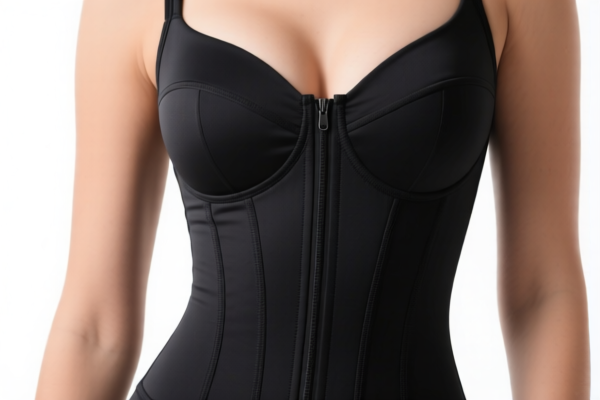
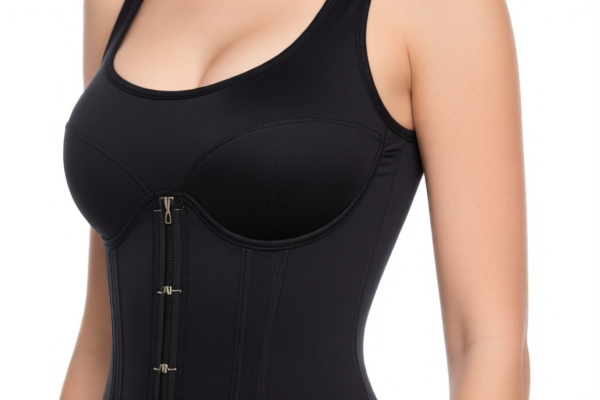
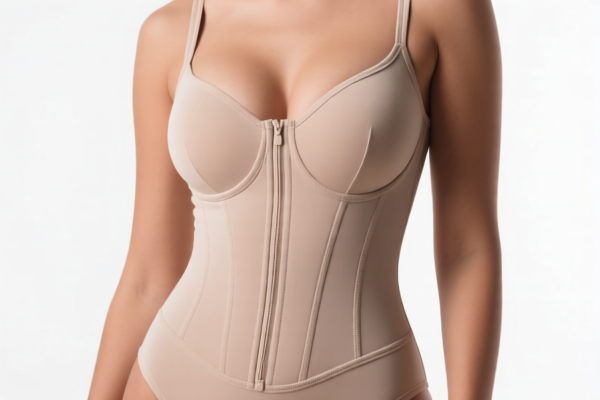
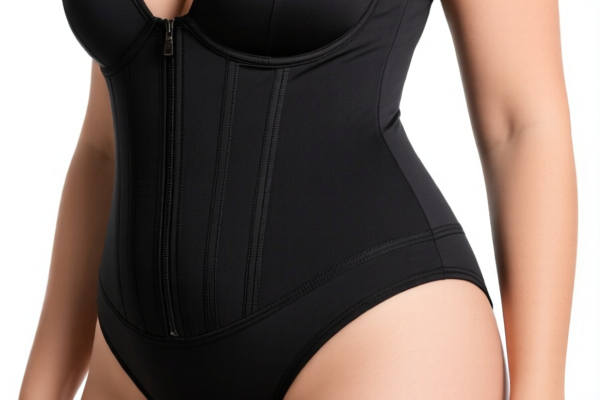
AI Analysis
👙 Women's Bodysuit (Lingerie & Swimwear Classification Guide)
🌐 HS Code Reference & Customs Clearance Guide | 2026 Latest Tariff Analysis | Professional Entry Strategy
📌 I. Product Definition & Classification: Are You Declaring the Right Item?
The "Women's Bodysuit" is a versatile garment category that spans across intimate apparel, sportswear, and swimwear. In international trade, correct classification depends heavily on material composition, design morphology, and intended use. Misclassification can lead to significant tariff differences, especially under current US trade policies (Section 301 & Section 122).
Key Distinctions: * Intimate Apparel/Leggings: Loose-fitting or standard bodysuits made of synthetic fibers (non-wool) → Often classified under Chapter 61/62 as general apparel. * Swimwear: Tight-fitting, elasticated bodysuits designed for swimming → Classified under Swimwear headings (6112/6211). * Material Matters: "Synthetic" (Nylon/Polyester) vs. "Artificial/Man-made" (Rayon/Viscose) vs. "Other Textile Materials" triggers different base duty rates.
⚠️ Critical Warning:
- If the item is a swimsuit (intended for water activities), do NOT classify it as general lingerie.
- If the item is general apparel (underwear/shapewear), check if it is knit (Ch 61) or woven (Ch 62).
- Section 122 Duties (+10%) and Section 301 Duties (7.5%) apply to almost all Chinese-origin apparel. Always calculate the Total Effective Tax Rate.
📦 II. HS Code Classification Details (2026 Latest Tariff Authority)
Below are the only valid classifications provided in the data set, categorized by product type and material.
| HS Code | Product Description | Material | Base Duty | Add. Duties (Sec 301 & 122) | Total Tax Rate |
|---|---|---|---|---|---|
| 6114.30.30.54 | Women's Bodysuit (General/Lingerie) | Artificial/Non-Wool Fibers | 14.9% | +7.5% (Sec 301) +10% (Sec 122) | 32.4% |
| 6114.90.90.40 | Women's Bodysuit (General/Lingerie) | Other Textile Materials | 5.6% | +0.0% (Sec 301) +10% (Sec 122) | 15.6% |
| 6112.41.00.10 | Women's One-Piece Swimsuit | Synthetic Elastic Fibers (e.g., Nylon/Spandex) | 24.9% | +7.5% (Sec 301) +10% (Sec 122) | 42.4% |
| 6211.12.10.10 | Women's One-Piece Swimsuit | Artificial/Man-made Fibers | 11.8% | +7.5% (Sec 301) +10% (Sec 122) | 29.3% |
| 6211.12.80.10 | Women's One-Piece Swimsuit | Cotton or Other Textile Materials | 7.5% | +7.5% (Sec 301) +10% (Sec 122) | 25.0% |
| 6114.30.30.30 | Women's One-Piece Swimsuit | Artificial Fibers (e.g., Nylon, Polyester) | 14.9% | +7.5% (Sec 301) +10% (Sec 122) | 32.4% |
🔍 Key Observations:
- Swimwear is generally more expensive than general bodysuits due to higher base duties (24.9% for synthetics).
- Section 301 Tariff (+7.5%) does NOT apply to HS Code6114.90.90.40. This is a crucial cost-saving classification if the material allows.
- Section 122 Tariff (+10%) applies to ALL listed items.
💰 III. 2026 Latest Tariff Rate Breakdown (Including Surcharges & Policies)
✅ Applicable Country: United States (US)
✅ Origin: China (CN)
✅ Policy Context: Includes Section 301 (Trade War) & Section 122 (Supply Chain/Strategic Goods) Surcharges.
🎯 1. General Apparel Bodysuits (Non-Swim)
A. 6114.30.30.54 - The "Standard Synthetic" Path
| Item | Detail |
|---|---|
| Base Duty | 14.9% |
| Section 301 Surcharge | +7.5% |
| Section 122 Surcharge | +10.0% |
| Total Tax | 32.4% |
| Logic | Common for nylon/polyester shapewear or lingerie. High base duty due to synthetic classification in Chapter 61. |
B. 6114.90.90.40 - The "Low-Tariff Anomaly" ⭐ Best Value?
| Item | Detail |
|---|---|
| Base Duty | 5.6% |
| Section 301 Surcharge | 0.0% (Exempt!) |
| Section 122 Surcharge | +10.0% |
| Total Tax | 15.6% |
| Logic | Applies to "Other Textile Materials." If your bodysuit is made of a material falling under this "catch-all" or specific non-synthetic/non-artificial textile category, you save 16.8% in total tax compared to the standard synthetic. |
🎯 2. Swimwear Bodysuits (High Risk/High Cost)
A. 6112.41.00.10 - The "Expensive Swim" Path
| Item | Detail |
|---|---|
| Base Duty | 24.9% |
| Section 301 Surcharge | +7.5% |
| Section 122 Surcharge | +10.0% |
| Total Tax | 42.4% |
| Logic | Classic knit swimwear (Nylon/Spandex). Highest base duty. Very common for activewear swim suits. |
B. 6211.12.10.10 - The "Artificial Fiber" Path
| Item | Detail |
|---|---|
| Base Duty | 11.8% |
| Section 301 Surcharge | +7.5% |
| Section 122 Surcharge | +10.0% |
| Total Tax | 29.3% |
| Logic | Woven (Chapter 62) swimwear made of artificial fibers (e.g., Viscose-based swim fabrics). Lower base duty than knit synthetics. |
C. 6114.30.30.30 - The "Artificial Knit Swim" Path
| Item | Detail |
|---|---|
| Base Duty | 14.9% |
| Section 301 Surcharge | +7.5% |
| Section 122 Surcharge | +10.0% |
| Total Tax | 32.4% |
| Logic | Knit swimwear made of artificial fibers. Same total rate as general apparel 6114.30.30.54, but different product type. |
D. 6211.12.80.10 - The "Cotton/Mixed Swim" Path
| Item | Detail |
|---|---|
| Base Duty | 7.5% |
| Section 301 Surcharge | +7.5% |
| Section 122 Surcharge | +10.0% |
| Total Tax | 25.0% |
| Logic | Woven swimwear made of Cotton or other unspecified textiles. Lowest base duty among swimwear options. |
🛠️ IV. Customs Clearance Practical Advice (Avoid Pitfalls)
✅ 1. Material Declaration is Key
The difference between 15.6% and 42.4% is massive. You must precisely declare the fabric composition.
| Fabric Type | Likely HS Code | Tip |
|---|---|---|
| 100% Nylon/Spandex (Knit) | 6112.41.00.10 |
Standard swimwear. Expect 42.4%. |
| Rayon/Viscose (Knit/Woven) | 6114.30.30.30 or 6211.12.10.10 |
Check if Knit (Ch 61) or Woven (Ch 62). |
| Polyester (Knit) | 6114.30.30.30 |
Often classified as Artificial Fibers. |
| Cotton Blend (Woven) | 6211.12.80.10 |
Rare for swimwear, but possible for cover-ups. |
| Other Textiles (Non-Synthetic/Non-Artificial) | 6114.90.90.40 |
Investigate this code. If your "bodysuit" is not swimwear and uses a specific textile not defined as "synthetic" or "artificial," this is the cheapest route. |
✅ 2. Swimsuit vs. General Bodysuit
- If it's for swimming: It MUST be classified under Chapter 6211 or 6112. Do NOT declare as "Lingerie" to avoid fraud penalties.
- If it's for fashion/underwear: It MUST be classified under Chapter 6114 or 6211 (non-swim).
- Design Features: Look at the lining, fabric weight, and marketing claims. Is it sold as a "Swimsuit" or "Shapewear"?
✅ 3. Documentation Checklist
| Document | Requirement |
|---|---|
| Commercial Invoice | Must clearly state: "Women's Bodysuit, [Material: e.g., 80% Nylon, 20% Spandex], Intended Use: [Swim/General]" |
| Product Photos | Show front, back, and label (fiber content). |
| Tech Pack/Spec Sheet | Explain the construction (Knit vs. Woven). This determines Chapter 61 vs. 62. |
| Origin Certificate | Essential for verifying Section 301 applicability. |
✅ 4. Strategic Recommendation for Cost Saving
- Audit Material: Can the bodysuit be made from a material that qualifies for
6114.90.90.40? If it's a general bodysuit (not swimwear), this reduces tax from ~32% to 15.6%. - Fabric Choice for Swimwear: If it's swimwear, avoid 100% Knit Nylon/Spandex (
6112.41.00.10) if possible. Consider woven alternatives (6211.12.xxxx) which have lower base duties (7.5%-11.8% vs 24.9%). - Section 122 is Inescapable: Note that all items have a +10% Section 122 duty. This is a fixed cost for Chinese-origin apparel in this dataset. Do not waste time trying to waive it.
📌 V. Common Errors & Pitfalls (Blood & Tears Lessons)
❌ Error 1: Declaring a Knit Nylon Swimsuit as 6114.90.90.40 (General Bodysuit).
👉 Consequence: Customs will reclassify it to 6112.41.00.10, leading to a 26.8% tariff increase + penalties for misdeclaration.
❌ Error 2: Declaring a Woven Rayon Swimsuit as 6114.30.30.30 (Knit Artificial).
👉 Consequence: Wrong Chapter. Should be 6211.12.10.10 (Woven). Base duty differs (14.9% vs 11.8%). You might overpay, or underpay and face audit.
❌ Error 3: Ignoring the Section 301 (7.5%) exemption for 6114.90.90.40.
👉 Consequence: Missing out on 16.8% total savings. Always check if your material fits the "Other Textile Materials" bucket.
❌ Error 4: Using generic terms like "Body Suit" without specifying Knit vs. Woven.
👉 Consequence: Customs will use the "Most Specific" or "Higher Duty" option by default.
✅ Correct Declaration Example:
"Women's Knit Swimsuit, 80% Nylon/20% Spandex, One-Piece, Model ABC, Made in China."
→ HS Code:6112.41.00.10(42.4% Total)
✅ Correct Declaration Example (Low Tax):
"Women's Woven Bodysuit, Rayon Blend, General Apparel, Not for Swimwear."
→ HS Code:6114.90.90.40(15.6% Total) Note: Verify material eligibility.
🎯 VI. Conclusion: Precision in Classification Saves Money
🎯 Key Takeaway:
🔹 Swimwear = Higher Duty (Base 7.5% - 24.9%)
🔹 General Apparel = Lower Duty (Base 5.6% - 14.9%)
🔹 Always Add +10% (Sec 122) + 0-7.5% (Sec 301)🔹 "Check Material, Check Use, Check Chapter 61 vs 62!"
📌 Tip:
If your product is a general bodysuit (shapewear, underwear), aggressively explore 6114.90.90.40. The 0% Section 301 duty makes it the most competitive option in the dataset.
📣 Action Required:
📞 Consult your fabric supplier for exact fiber definitions.
📸 Photograph the label.
📝 Use precise English descriptions in your commercial invoice.
✨ Professional Clearance Starts with Accurate Codes!
💼 Every 1% of Tax Saved is Pure Profit.
Customer Reviews
About HS Code Classification
The Harmonized System (HS) is an internationally standardized nomenclature developed by the World Customs Organization (WCO) to classify traded products. Over 200 countries use the HS system as the basis for customs tariffs, trade statistics, and import/export regulations.
Each HS code follows a hierarchical structure:
- Chapter (2 digits) — Broad category of goods (e.g., Chapter 84: Machinery and Mechanical Appliances)
- Heading (4 digits) — More specific grouping within the chapter
- Subheading (6 digits) — Internationally standardized breakdown, used by all WCO member countries
- National subdivisions (8-10 digits) — Country-specific extensions for further classification, such as US HTSUS 10-digit codes
Correct HS code classification is essential for smooth customs clearance, accurate duty payment, and compliance with trade regulations. Misclassification can lead to customs delays, overpayment of duties, or penalties.
When importing from CN to US, the applicable tariff rates may include:
- Most-Favored-Nation (MFN) rate — The standard duty rate applied to WTO members
- General rate — Applied to countries without trade agreements
- Trade remedy duties — Additional tariffs such as Section 301 (anti-dumping), Section 232 (national security), or countervailing duties
The information provided on this page is for reference purposes only. For official classification, please consult with your local customs authority or a licensed customs broker.