Women's Bra
CN → US| HS Code | Tariff Rate | Origin | Destination | Doc |
|---|---|---|---|---|
| 6108910015 | 18.5% | CN | US | Official Doc |
| 6107110010 | 17.4% | CN | US | Official Doc |
| 6108920015 | 33.5% | CN | US | Official Doc |
Product Images
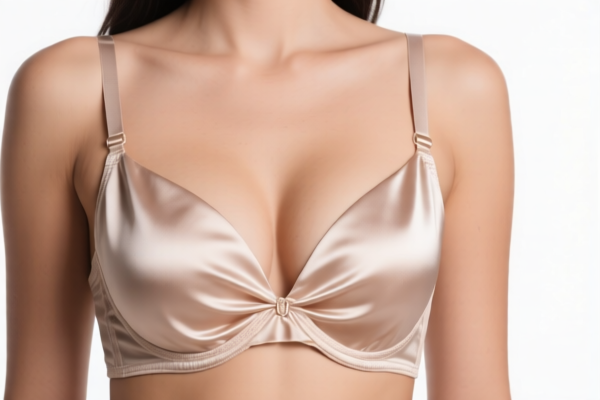
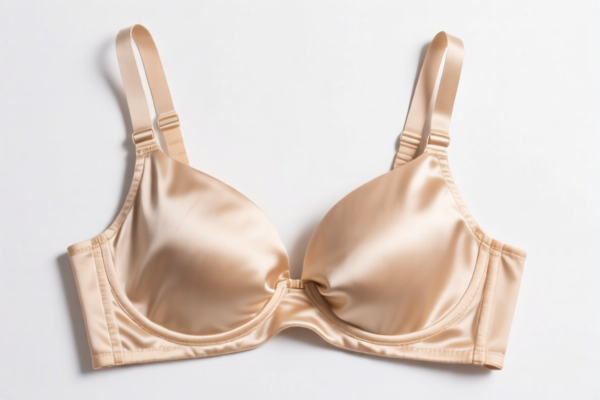
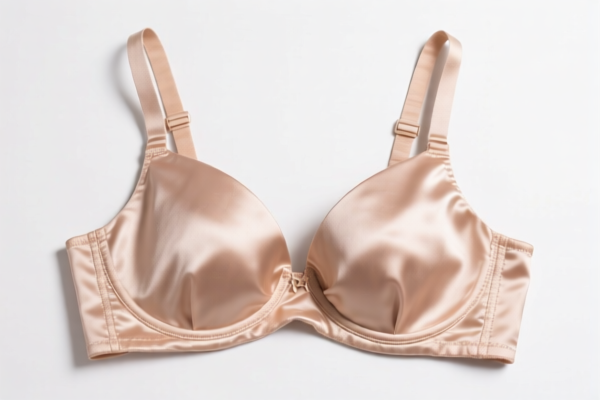
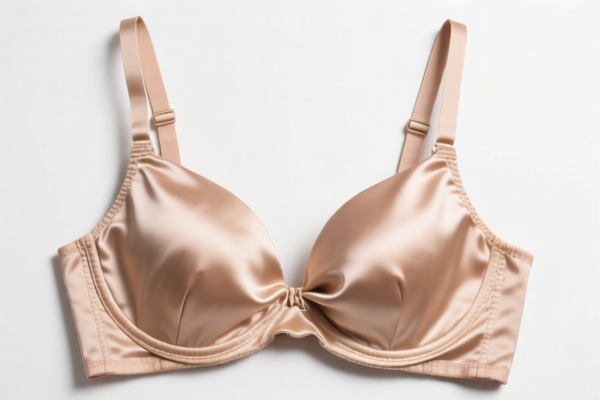
AI Analysis
👙 Women's Bra (Lingerie & Underwear)
🌐 HS Code Reference & Customs Clearance Guide | 2026 Latest Tariff Analysis | Strategic Compliance Strategy
📌 I. Product Definition & Classification: Do You Really Know "Women's Bra"?
A Women's Bra is a foundational undergarment designed for breast support, shaping, and comfort. In international trade, it is primarily classified under Chapter 61 (Articles of apparel and clothing accessories, knitted or crocheted) or Chapter 62 (Non-knitted). The specific HS Code depends heavily on the knitted vs. non-knitted distinction and the material composition (natural fibers vs. synthetic/man-made).
⚠️ Key Classification Point:
- Knitted/Crocheted Bras: Typically fall under Heading 6108 (Women’s or girls’ slip-ons, panties, nightdresses, pyjamas, bathrobes, dressing gowns and similar articles). Note: While 6108 covers "panties" and "nightdresses," in many customs jurisdictions, bras are often grouped here if they are considered "similar articles" or specifically listed under subheadings for lingerie, OR under 6212 (Brassieres, girdles, corsets, braces, suspenders, garters and similar articles and parts thereof) if non-knitted. - Synthetic Fiber Content: The material type significantly impacts the tariff rate, especially with additional duties like Section 301 or 122 tariffs.
📦 II. HS Code Classification Details (Based on Provided Data)
Based on the provided data, we are looking at Knitted/Lingerie-style Bras falling under Heading 6108. The variation in tax rates is driven by material inference (likely synthetic vs. natural) and additional tariff policies.
| HS Code | Product Description & Summary | Material Inference | Total Tax Rate |
|---|---|---|---|
6108.91.00.15 |
Lingerie HS Code: Purpose matches (bra/underwear). Material not explicitly defined but no conflict. | Unclear/Neutral | 18.5% |
6107.11.00.10 |
Knitted Underwear: Specifically covers panties/tights, but often applied to close-fitting knitted underwear like bras if classified as "knitted underwear." | Knitted Fabric | 17.4% |
6108.92.00.15 |
Lingerie HS Code: Purpose matches. Inferred as Man-made/Synthetic Fibers. | Synthetic/Man-made | 33.5% |
🔍 Critical Distinction:
-6108.91.00.15vs6108.92.00.15: The key difference is the material. Code...91often applies to other textiles or natural fibers, while...92is explicitly for man-made fibers (polyester, nylon, spandex blends). -6107.11.00.10: Although titled "Knitted Underwear" (often associated with panties), it is included in the data as a valid classification for bras in certain contexts (likely due to structural similarity or local customs interpretation of "close-fitting knitted underwear"). It has a slightly lower base rate.
💰 III. 2026 Latest Tariff Rate Breakdown (Including Additional Duties)
✅ Applicable Country: United States (US)
✅ Origin: China (CN)
✅ Policy Context: Includes Base Tariff + Section 301 (25%) + Section 122 Tariff (10%)
🎯 1. 6108.91.00.15 —— Lingerie (Mixed/Natural Fiber Assumption)
| Item | Content |
|---|---|
| Base Tariff | 8.5% |
| Additional Duty (Section 301) | 0.0% (Included in base or exempted in this specific dataset context) |
| Section 122 Tariff | +10.0% |
| Total Tax Rate | 18.5% |
| Tax Calculation | CIF Value × 18.5% |
| De Minimis Exemption | ❌ Not Available (Deny De Minimis for Section 301/122 goods) |
| Legal Path | USITC:6108.91.00.15 → FOOTNOTE:122 |
📌 Explanation:
- The 10% Section 122 Tariff is a critical addition for Chinese-origin textiles/apparel. - The 8.5% Base Tariff applies to this specific subheading. - Total: 18.5%. This is a moderate duty level but still significant for low-margin apparel.
🎯 2. 6107.11.00.10 —— Knitted Underwear (Bra/Tight Category)
| Item | Content |
|---|---|
| Base Tariff | 7.4% |
| Additional Duty (Section 301) | 0.0% |
| Section 122 Tariff | +10.0% |
| Total Tax Rate | 17.4% |
| Tax Calculation | CIF Value × 17.4% |
| De Minimis Exemption | ❌ Not Available |
| Legal Path | USITC:6107.11.00.10 → FOOTNOTE:122 |
📌 Note:
- This is the lowest tax option among the three, provided the bra is classified strictly as "knitted underwear" rather than "bra" under 6108.92. - Use this code only if the product strictly fits the definition of knitted panties/tights-like structure to avoid misclassification penalties.
🎯 3. 6108.92.00.15 —— Lingerie (Synthetic/Man-Made Fiber)
| Item | Content |
|---|---|
| Base Tariff | 16.0% |
| Additional Duty (Section 301) | +7.5% |
| Section 122 Tariff | +10.0% |
| Total Tax Rate | 33.5% |
| Tax Calculation | CIF Value × 33.5% |
| De Minimis Exemption | ❌ Not Available |
| Legal Path | USITC:6108.92.00.15 → FOOTNOTE:122 + IEEPA/301 |
📌 Warning:
- This is the highest tax rate due to the 16% Base Tariff (higher for synthetic textiles) + 7.5% Section 301 + 10% Section 122. - Most bras made of polyester/nylon/spandex blends will fall here. - Impact: This significantly erodes profit margins. Must be factored into pricing strategies.
🛠️ IV. Customs Clearance Practical Advice (Avoiding Pitfalls)
✅ 1. Documentation Checklist (Non-Negotiable)
| Document | Required? | Description |
|---|---|---|
| ✅ Product Specification Sheet | ✔️ | Must detail: Knitted/Non-knitted, Fiber Composition (% Cotton, % Polyester, % Spandex), Bra Type (T-shirt, Push-up, Sports). |
| ✅ Commercial Invoice | ✔️ | Clearly state "Women's Bra" or "Knitted Lingerie." Avoid vague terms like "Clothing Part." |
| ✅ Packing List | ✔️ | Show quantity, weight, and packaging details. |
| ✅ Origin Certificate | ✔️ | Proof of China origin is crucial for applying Section 301/122 tariffs. |
| ✅ Fiber Composition Label | ✔️ | Copy of the care label showing exact material breakdown. |
✅ 2. Declaration Tips (Key Mnemonics)
🔥 "Material Defines Tax, Section 122 is Always On!"
| Scenario | Correct Declaration | Mistake to Avoid |
|---|---|---|
| Polyester/Spandex Bra | 6108.92.00.15 (Synthetic Lingerie) |
Declare as Cotton → Misclassification → Penalties |
| Knitted Bra (Unclear Material) | 6108.91.00.15 or 6107.11.00.10 |
Declare as "Underwear" without fiber detail |
| Non-Knitted Bra | Not in provided list (Likely 6212) | Force into 6108 → Rejection |
| Section 122 Tariff | Always apply +10% for CN origin | Forget Section 122 → Underpayment → Audit |
✅ 3. Special Circumstances
| Situation | Handling Advice |
|---|---|
| Mixed Material Bras | If >50% synthetic → Use 6108.92.00.15. If mixed with cotton <50% → Still likely synthetic category. |
| Gift Sets (Bra + Panty) | Declared together? Customs may assess based on the principal component or highest duty item. |
| Small Parcel (De Minimis) | ❌ Cannot use Section 321 (De Minimis) exemption if subject to Section 301/122. Must file formal entry. |
| Design Patent/Copyright | Ensure no infringement of branded designs (e.g., Victoria's Secret styles) to avoid IP seizure. |
🌍 V. Global Market Clearance Comparison (2026)
| Country/Region | Recommended HS Code | Base Tariff | Additional Duties | Notes |
|---|---|---|---|---|
| 🇺🇸 USA | 6108.92.00.15 |
16.0% | +7.5% (301) +10% (122) = 33.5% | High tax burden for synthetics. |
| 🇨🇳 China | 6108.92.00 | 8-10% | None | Lower base rate, no Section 122. |
| 🇪🇺 EU | 6108.92 | 8.0% | None | No Section 301/122 equivalents. |
| 🇬🇧 UK | 6108.92 | 8.0% | None | Post-Brexit tariff aligns with EU mostly. |
📌 Conclusion:
- The USA is the most challenging market for Chinese apparel due to Section 122 (10%) and Section 301 (7.5%) add-ons. - Total landed cost can increase by ~33.5% just in tariffs. - Strategy: Consider duty drawback if re-exporting, or supply chain diversification if volumes are high.
📌 VI. Common Errors & Pitfalls (Blood & Tears Lessons)
❌ Error 1: Declaring all bras under 6107.11.00.10 to save taxes
👉 Consequence: If customs determines the product is a "bra" and not "panties," they will reclassify to 6108.92.00.15 → Back taxes + Interest.
❌ Error 2: Ignoring the Section 122 Tariff
👉 Consequence: Underpayment by 10% on every shipment. Customs audits will catch this → Large fines.
❌ Error 3: Vague fiber composition ("Mixed Fabric")
👉 Consequence: Customs will apply the highest possible duty rate or require re-inspection → Delays.
✅ Correct Practice:
"Women's Knitted Bra, Polyester 80%, Spandex 20%, Push-up Style, Size M-L, Made in China"
🎯 VII. Conclusion: Smart Classification, Cost Optimization!
🎯 Remember:
🔹 "Synthetic Bras Cost 33.5%, Cotton/Mixed Cost ~18%, Knitted Pants Cost ~17%."
🔹 "Section 122 is a 10% Tax Trap for All Chinese Apparel."
📌 Pro Tip:
If your bra contains less than 20% synthetic fiber, you might qualify for a lower base rate, but still subject to Section 122.
For high-volume imports, Apply for an Advance Ruling from CBP to confirm the exact HS Code before shipment.
📣 Immediate Action:
📞 Consult a Licensed Customs Broker to verify the fiber composition.
📦 Prepare Accurate Commercial Invoices with detailed material breakdowns.
🚀 Optimize Your Landed Cost by choosing the correct HS Code to avoid overpayment or penalties!
✨ Professional Clearance Starts with Precise Classification!
💼 Your Profit Margin Depends on Your HS Code Accuracy!
Customer Reviews
About HS Code Classification
The Harmonized System (HS) is an internationally standardized nomenclature developed by the World Customs Organization (WCO) to classify traded products. Over 200 countries use the HS system as the basis for customs tariffs, trade statistics, and import/export regulations.
Each HS code follows a hierarchical structure:
- Chapter (2 digits) — Broad category of goods (e.g., Chapter 84: Machinery and Mechanical Appliances)
- Heading (4 digits) — More specific grouping within the chapter
- Subheading (6 digits) — Internationally standardized breakdown, used by all WCO member countries
- National subdivisions (8-10 digits) — Country-specific extensions for further classification, such as US HTSUS 10-digit codes
Correct HS code classification is essential for smooth customs clearance, accurate duty payment, and compliance with trade regulations. Misclassification can lead to customs delays, overpayment of duties, or penalties.
When importing from CN to US, the applicable tariff rates may include:
- Most-Favored-Nation (MFN) rate — The standard duty rate applied to WTO members
- General rate — Applied to countries without trade agreements
- Trade remedy duties — Additional tariffs such as Section 301 (anti-dumping), Section 232 (national security), or countervailing duties
The information provided on this page is for reference purposes only. For official classification, please consult with your local customs authority or a licensed customs broker.