Women's Casual Suit
CN → US| HS Code | Tariff Rate | Origin | Destination | Doc |
|---|---|---|---|---|
| 6104230026 | 0.0% | CN | US | Official Doc |
| 6204294092 | 0.0% | CN | US | Official Doc |
| 6104220090 | 0.0% | CN | US | Official Doc |
Product Images
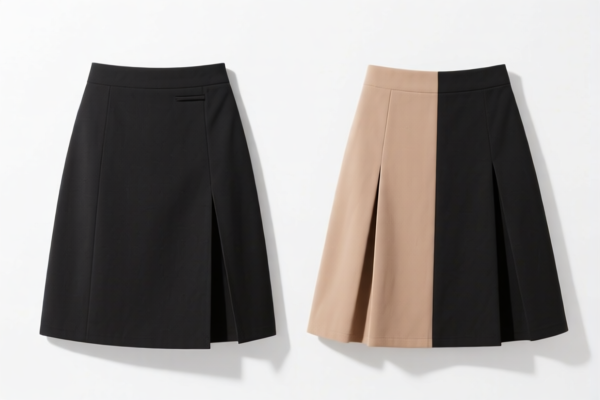
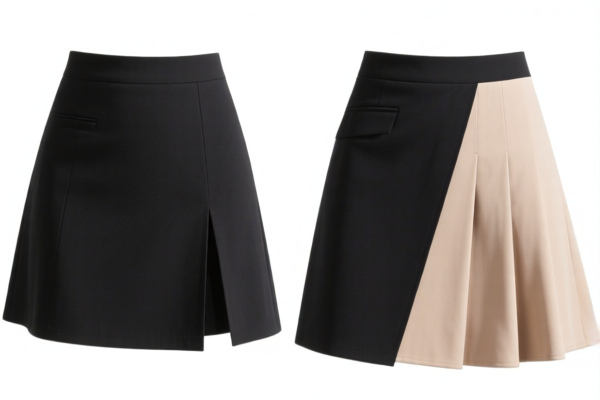
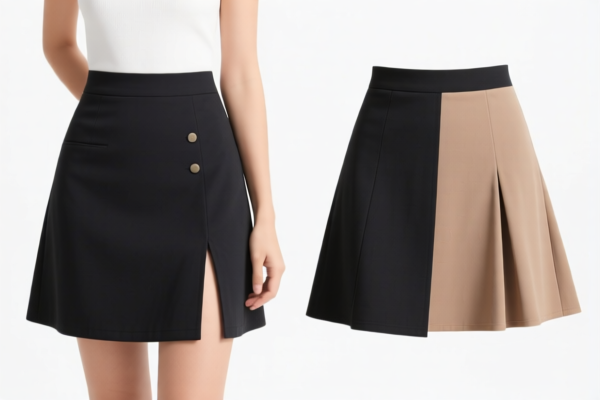
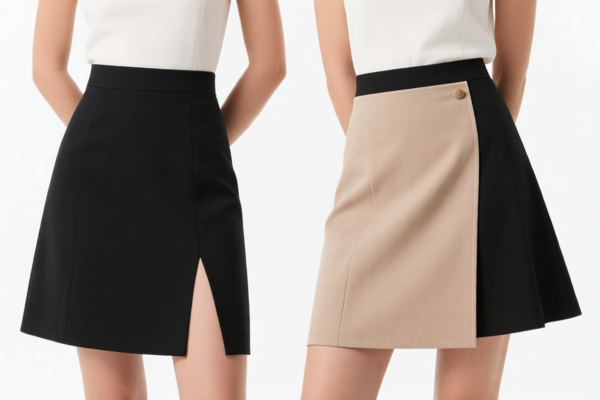
AI Analysis
👗 Women's Casual Suit (Ensembles)
🌐 HS Code Reference & Customs Clearance Guide | 2026 Latest Tariff Analysis | Professional Compliance Strategy
📌 I. Product Definition: What is a "Women's Casual Suit"?
In international trade, a "Women's Casual Suit" typically refers to an ensemble consisting of two pieces (usually a jacket/blazer and trousers/skirt) that are: 1. Of the same fabric construction (woven or knitted). 2. Of the same fabric material (e.g., both polyester, both cotton). 3. Of matching design (color, pattern, style). 4. Classified as a single unit under the General Rules of Interpretation (GRI) of the Harmonized System.
⚠️ Critical Distinction:
- If the items are not of the same material/construction (e.g., Cotton Blazer + Polyester Pants), they must be classified separately.
- If they are an ensemble, they are classified under the specific subheading for "Suits, Ensembles, ..." depending on the primary fabric and knitting/weaving method.
📦 II. HS Code Classification Details (2026 Authorized Codes from Data)
Based on the provided data, three specific HS Codes apply to Women's Casual Suits, differentiated by fabric construction (Knitted vs. Woven) and Material (Synthetic vs. Other).
| HS Code | Product Description | Material/Construction | Key Features |
|---|---|---|---|
6104.23.00.26 |
Women's Ensembles, Knitted or Crocheted | Synthetic Fibers (e.g., Polyester, Nylon) | Knitted/Crocheted; Synthetic material; Specific sub-heading match. |
6104.22.00.90 |
Women's Ensembles, Knitted or Crocheted | Cotton or Other Vegetable Fibers (e.g., Cotton, Polyester blends classified as Cotton) | Knitted/Crocheted; Material inferred as Cotton/Polyester blend; Specific sub-heading match. |
6204.29.40.92 |
Women's Suits, Ensembles, Uniforms, Woven | Other Textile Materials (Non-Synthetic, Non-Cotton dominant) | Woven (not knitted); Material is "Other" (e.g., Wool, Silk, Regenerated Fibers); Specific sub-heading match. |
🔍 Key Differentiators: - 6104.xxxx: Indicates Knitted or Crocheted fabric. - 6204.xxxx: Indicates Woven fabric. - The 3rd digit (
2vs3) and 4th digit help distinguish between material types (Cotton vs. Synthetic vs. Other).
💰 III. 2026 Latest Tariff Rate Breakdown (Including Surcharges & Policy Add-ons)
✅ Applicable Country: United States (US)
✅ Origin: China (CN)
✅ Effective Date: Post-2025 policies (Includes 122 Clauses & Section 301 equivalents)
🎯 1. 6104.23.00.26 —— Women's Knitted Ensemble (Synthetic Fibers)
| Item | Content |
|---|---|
| Base Tariff | The rate applicable to each garment in the ensemble if separately classified |
| Section 301 Surcharge | +7.5% (Additional tariff for synthetic apparel from China) |
| Section 122 Surcharge | +10% (Specific clause tariff for certain textile/apparel imports) |
| Total Effective Rate | Base Rate + 17.5% |
| Calculation | CIF Value × (Base Rate + 17.5%) |
| De Minimis Exemption? | ❌ No (Textile ensembles from China are generally exempt from de minimis clearance benefits due to high tariffs) |
| Legal Basis | Section 301: 7.5% → Section 122: 10% → HS: 6104.23.00.26 |
📌 Explanation:
- The 17.5% additional duty is the sum of the Section 301 surcharge (7.5%) and the Section 122 clause (10%). - This is a high-cost category for synthetic knitted suits. - The base rate depends on the general MFN rate for knitted suits but is always added to the surcharges.
🎯 2. 6104.22.00.90 —— Women's Knitted Ensemble (Cotton/Polyester Blend)
| Item | Content |
|---|---|
| Base Tariff | The rate applicable to each garment in the ensemble if separately classified |
| Section 301 Surcharge | +7.5% (Additional tariff for cotton/apparel from China) |
| Section 122 Surcharge | +10% (Specific clause tariff) |
| Total Effective Rate | Base Rate + 17.5% |
| Calculation | CIF Value × (Base Rate + 17.5%) |
| De Minimis Exemption? | ❌ No |
| Legal Basis | Section 301: 7.5% → Section 122: 10% → HS: 6104.22.00.90 |
📌 Explanation:
- Despite the material difference (Cotton vs. Synthetic), the surcharge structure is identical to the synthetic category. - Total Additional Duty: 17.5%. - Classification hinges on the primary fiber content (e.g., if Cotton > Synthetic, it may fall here; if Synthetic > Cotton, it falls under6104.23...).
🎯 3. 6204.29.40.92 —— Women's Woven Ensemble (Other Textile Materials)
| Item | Content |
|---|---|
| Base Tariff | The rate applicable to each garment in the ensemble if separately classified |
| Section 301 Surcharge | 0.0% (No additional Section 301 tariff for this specific "Other" woven sub-category) |
| Section 122 Surcharge | +10% (Specific clause tariff) |
| Total Effective Rate | Base Rate + 10.0% |
| Calculation | CIF Value × (Base Rate + 10.0%) |
| De Minimis Exemption? | ❌ No |
| Legal Basis | Section 122: 10% → HS: 6204.29.40.92 |
📌 Explanation:
- Significant Savings: This category does not carry the +7.5% Section 301 surcharge, likely due to the "Other Textile Materials" classification (possibly wool, silk, or regenerated fibers not covered by the standard synthetic/cotton surcharges). - Total Additional Duty: 10.0% (Only the Section 122 clause). - Crucial: Must be Woven (not knitted). If knitted, it would fall under 6104 and incur the 17.5% surcharge.
🛠️ IV. Customs Clearance Practical Advice (Avoiding Pitfalls)
✅ 1. Preparation Checklist (Mandatory)
| Document | Required? | Notes |
|---|---|---|
| ✅ Product Specifications | ✔️ | Must clearly state: "Women's Ensembles", "Jacket + Trousers/Skirt", "Same Fabric". |
| ✅ Fabric Composition Label | ✔️ | Crucial for distinguishing 6104.23 (Synthetic) vs. 6104.22 (Cotton) vs. 6204.29 (Other). |
| ✅ Fabric Construction Type | ✔️ | Must specify Knitted (for 6104) or Woven (for 6204). |
| ✅ Commercial Invoice | ✔️ | Must describe the item as "Women's Casual Suit Ensemble" and list both pieces. |
| ✅ Photos of Garments | ✔️ | Show the label, fabric texture, and that both pieces match in style/color. |
| ✅ Origin Certificate | ✔️ | To prove China origin (triggers surcharges). |
✅ 2. Classification Strategy (Key Rules)
🔥 “Match Material & Construction, Or Pay Double!”
| Scenario | Correct Classification | Risk if Misclassified |
|---|---|---|
| Knitted, Synthetic (e.g., Polyester Suit) | 6104.23.00.26 |
If misclassified as Woven (6204), you might face audit penalties and retroactive duties. |
| Knitted, Cotton (e.g., Cotton Blend Suit) | 6104.22.00.90 |
If misclassified as Synthetic (6104.23), you may overpay 0% surcharge difference (but still 17.5% total). |
| Woven, Other Fabric (e.g., Wool/Rayon Suit) | 6204.29.40.92 |
If misclassified as Knitted (6104), you overpay 7.5% (Section 301 surcharge). This is the optimal code for cost saving if applicable. |
| Mismatched Pieces (e.g., Cotton Jacket + Synthetic Pants) | Classify Separately | If declared as an ensemble, CBP may reject the ensemble claim and assess duties on both items separately, potentially leading to higher total duties and delays. |
✅ 3. Special Scenarios
| Situation | Recommendation |
|---|---|
| Mixed Fabric Ensemble | If the jacket and pants are made of different fabrics, do not declare as an ensemble. Classify each piece separately. |
| "Other Textile Materials" | For 6204.29.40.92, ensure the fabric is not synthetic (polyester/nylon) and not primarily cotton. Examples: Wool, Silk, Rayon, Linen. |
| Knitting vs. Weaving | Visually inspect the fabric. Knitted fabric has loops (stretchy); Woven fabric has interlaced threads (structured). This is the primary determinant between 6104 and 6204. |
🌍 V. Global Market Comparison (2026)
| Country/Region | Recommended HS Code | Approx. Tariff (China Origin) | Key Notes |
|---|---|---|---|
| 🇺🇸 United States | 6104.23.00.26 / 6104.22.00.90 / 6204.29.40.92 |
17.5% (Knitted) / 10.0% (Woven-Other) | High additional duties due to Section 301 & 122. |
| 🇨🇳 China | 6104.23.00.26 / 6104.22.00.90 / 6204.29.40.92 |
5% - 15% (Import Duty) | No Section 301/122 surcharges. |
| 🇪🇺 European Union | 6104.23.00.26 / 6104.22.00.90 / 6204.29.40.92 |
0% - 12% (VAT + Duty) | No Section 301. Duty depends on fabric origin and type. |
| 🇬🇧 United Kingdom | Same as EU | 0% - 12% | Post-Brexit rules apply. No US-style surcharges. |
📌 Conclusion:
- The US market is the most expensive due to the Section 301 (7.5%) and Section 122 (10%) surcharges. - Woven suits made of "Other" materials (6204.29.40.92) are the most cost-effective entry into the US, avoiding the 7.5% Section 301 surcharge.
📌 VI. Common Mistakes & Pitfalls (Lessons Learned)
❌ Mistake 1: Declaring a Knitted suit as Woven (6204) to avoid the 7.5% surcharge.
👉 Consequence: CBP inspection reveals loops in fabric → Penalties, Back Duties, and Potential Fraud Charges.
❌ Mistake 2: Declaring mismatched pieces as an Ensemble.
👉 Consequence: CBP rejects ensemble classification → Duties assessed on each item separately, possibly at higher rates if individual items lack ensemble benefits.
❌ Mistake 3: Ignoring Section 122.
👉 Consequence: Even if Section 301 doesn't apply (e.g., 6204.29.40.92), the 10% Section 122 tariff still applies. Many importers miss this, leading to underpayment.
❌ Mistake 4: Using vague descriptions like "Women's Suit".
👉 Consequence: CBP cannot determine fabric construction or material → Delay for Inspection or Assignment of Highest Duty Rate.
✅ Correct Practice:
"Women's Knitted Ensemble, 100% Polyester, Jacket & Trousers, Matching Color, Model XYZ, HS 6104.23.00.26"
🎯 VII. Conclusion: Precision in Classification Saves Money!
🎯 Remember These Rules:
🔹 "Knitted? Check 6104. Woven? Check 6204."
🔹 "Synthetic/Cotton Knitted? Pay 17.5% Extra."
🔹 "Woven 'Other' Materials? Pay Only 10% Extra."
🔹 "Mismatched Pieces? Never Declare as Ensemble."
📌 Pro Tip:
If your suit is made of Wool, Silk, or Rayon and is Woven, classify under 6204.29.40.92 to save 7.5% compared to synthetic knitted suits.
For Knitted suits, ensure the fabric composition is accurate to avoid misclassification penalties.
📣 Immediate Action:
📞 Consult with a licensed customs broker for a Pre-Ruling if the fabric composition is ambiguous.
🚀 Optimize your supply chain by selecting fabric types that minimize surcharge liabilities.
✨ Professional Customs Clearance Starts with Accurate Classification!
💼 Every Percent of Duty Saved is Pure Profit!
Customer Reviews
About HS Code Classification
The Harmonized System (HS) is an internationally standardized nomenclature developed by the World Customs Organization (WCO) to classify traded products. Over 200 countries use the HS system as the basis for customs tariffs, trade statistics, and import/export regulations.
Each HS code follows a hierarchical structure:
- Chapter (2 digits) — Broad category of goods (e.g., Chapter 84: Machinery and Mechanical Appliances)
- Heading (4 digits) — More specific grouping within the chapter
- Subheading (6 digits) — Internationally standardized breakdown, used by all WCO member countries
- National subdivisions (8-10 digits) — Country-specific extensions for further classification, such as US HTSUS 10-digit codes
Correct HS code classification is essential for smooth customs clearance, accurate duty payment, and compliance with trade regulations. Misclassification can lead to customs delays, overpayment of duties, or penalties.
When importing from CN to US, the applicable tariff rates may include:
- Most-Favored-Nation (MFN) rate — The standard duty rate applied to WTO members
- General rate — Applied to countries without trade agreements
- Trade remedy duties — Additional tariffs such as Section 301 (anti-dumping), Section 232 (national security), or countervailing duties
The information provided on this page is for reference purposes only. For official classification, please consult with your local customs authority or a licensed customs broker.