Women's Cotton Dress
CN → US| HS Code | Tariff Rate | Origin | Destination | Doc |
|---|---|---|---|---|
| 6104420020 | 29.0% | CN | US | Official Doc |
| 6204423060 | 25.9% | CN | US | Official Doc |
| 6204423050 | 25.9% | CN | US | Official Doc |
| 6208192000 | 28.7% | CN | US | Official Doc |
| 6108910030 | 26.0% | CN | US | Official Doc |
Product Images
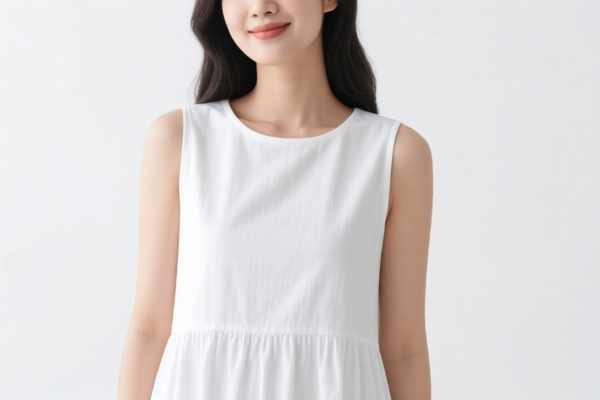
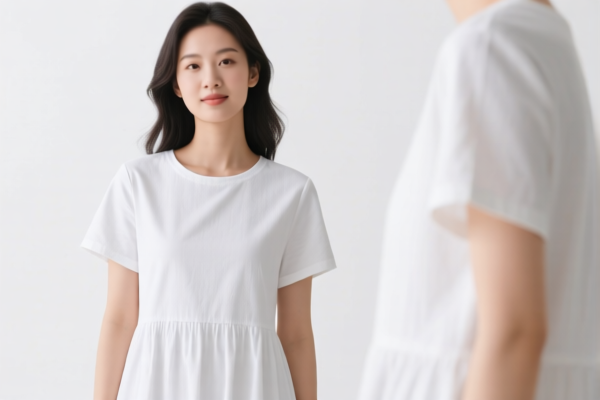
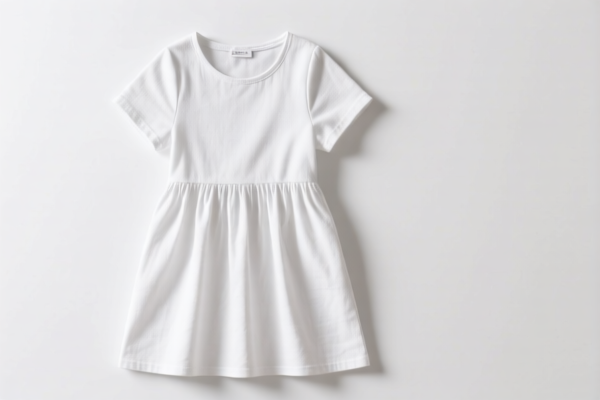
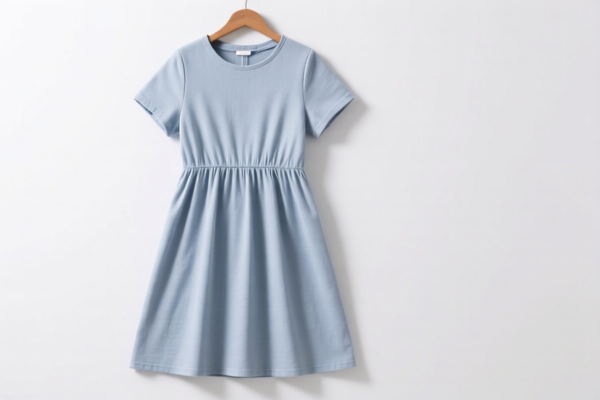
AI Analysis
👗 Women's Cotton Dress (Garments for Girls/Women)
🌐 HS Code Reference & Customs Clearance Guide | 2026 Latest Tariff Analysis | Strategic Compliance Strategy
📌 I. Product Definition & Classification: Do You Truly Understand "Cotton Dresses"?
The term "Women's Cotton Dress" in international trade is highly specific and depends heavily on construction method (knitted vs. woven) and target demographic/age group (Children vs. Adult Women). Misclassification here can lead to significant duty differences and compliance risks.
In the provided dataset, all items are Cotton based, but they fall into different HS chapters based on how they are made: * Chapter 61: Knitted or Crocheted Garments (e.g., T-shirt style dresses, jersey dresses). * Chapter 62: Non-Knitted/Woven Garments (e.g., woven cotton dresses, shirts, slip dresses).
⚠️ Critical Distinction:
- If the fabric is knitted (stretchy, looped structure) → Chapter 61.
- If the fabric is woven (non-stretch, interlaced threads) → Chapter 62.
- If the item is a slip/innerwear (not an outer dress) → Chapter 61/62 specific subheadings for slips.
📦 II. HS Code Classification Details (2026 Latest Tariff Authority Comparison)
Based on the <DATA> provided, here are the specific HS Codes for "Women's Cotton Dress" related items. Note that the dataset includes both Dresses and Slips (Undergarments), which are often confused.
| HS Code | Product Description | Fabric Structure | Category |
|---|---|---|---|
6104.42.00.20 |
Girls' Cotton Dresses | Knitted/Crocheted | Chapter 61 (Knitted) |
6204.42.30.60 |
Girls' Cotton Dresses | Woven | Chapter 62 (Non-Knitted) |
6204.42.30.50 |
Girls' Cotton Dresses | Woven | Chapter 62 (Non-Knitted) |
6208.19.20.00 |
Women's Cotton Slips (Lingerie) | Woven | Chapter 62 (Slips/Underwear) |
6108.91.00.30 |
Women's Cotton Slips (Lingerie) | Knitted/Crocheted | Chapter 61 (Slips/Underwear) |
🔍 Key Clarification:
-6104.42and6204.42refer specifically to Dresses (outerwear).
-6208.19and6108.91refer to Slips (undergarments/lining), not outer dresses.
- If you are importing an outerwear dress, you MUST choose between6104.42.00.20(Knitted) or one of the6204.42codes (Woven).
- If you are importing a slip/ camisole, you must choose between6208.19.20.00or6108.91.00.30.
💰 III. 2026 Latest Tariff Rate Breakdown (Including Surcharges)
✅ Applicable Country: United States (US)
✅ Origin: China (CN)
✅ Effective Time: Current Trade Policy (301 Section + IEEPA)
The dataset indicates a consistent 27.5% to 28.7% additional surcharge structure on top of the base duty. This is due to: 1. Section 301 Tariffs: Additional duties on Chinese goods. 2. Section 122 Tariffs: Specific additional duties (often cited as 10%). 3. Base Duty: Standard MFN duty.
🎯 1. 6104.42.00.20 — Knitted Girls' Cotton Dresses
| Item | Content |
|---|---|
| Base Duty | 11.5% |
| Section 301 Surcharge | 7.5% |
| Section 122 Surcharge | 10.0% |
| Total Tax Rate | 29.0% |
| Calculation | CIF Value × 29.0% |
| De Minimis Eligibility | ❌ No (Not eligible for $800 exemption) |
📌 Explanation:
- This is a knitted garment for girls.
- The total tax burden is 29.0%.
- Warning: Knitted garments often have higher base duties than woven ones in some contexts, but here the surcharges are fixed.
🎯 2. 6204.42.30.60 & 6204.42.30.50 — Woven Girls' Cotton Dresses
| Item | Content |
|---|---|
| Base Duty | 8.4% |
| Section 301 Surcharge | 7.5% |
| Section 122 Surcharge | 10.0% |
| Total Tax Rate | 25.9% |
| Calculation | CIF Value × 25.9% |
| De Minimis Eligibility | ❌ No |
📌 Explanation:
- These are woven dresses.
- Total tax is 25.9%.
- Difference from Knitted: Lower base duty (8.4% vs 11.5%) results in a 3.1% total savings compared to the knitted version (6104.42.00.20).
- Note: Both...50and...60have the same tax rate. The difference may lie in specific material composition (e.g., % cotton) or design details not specified in the summary.
🎯 3. 6208.19.20.00 — Women's Woven Cotton Slips (Underwear)
| Item | Content |
|---|---|
| Base Duty | 11.2% |
| Section 301 Surcharge | 7.5% |
| Section 122 Surcharge | 10.0% |
| Total Tax Rate | 28.7% |
| Calculation | CIF Value × 28.7% |
| De Minimis Eligibility | ❌ No |
📌 Explanation:
- This is NOT a dress. It is a slip/undergarment.
- If you misclassify a slip as a dress, you might avoid the higher base duty of6104.42but risk customs audit for wrong classification.
- Total tax: 28.7%.
🎯 4. 6108.91.00.30 — Women's Knitted Cotton Slips (Underwear)
| Item | Content |
|---|---|
| Base Duty | 8.5% |
| Section 301 Surcharge | 7.5% |
| Section 122 Surcharge | 10.0% |
| Total Tax Rate | 26.0% |
| Calculation | CIF Value × 26.0% |
| De Minimis Eligibility | ❌ No |
📌 Explanation:
- This is a knitted slip/undergarment.
- Total tax: 26.0%.
- Cheapest Option: Among all items listed, this has the lowest total tax rate (26.0%), but only applies if the item is truly an undergarment.
🛠️ IV. Customs Clearance Practical Advice (Battle-Tested Pitfall Avoidance)
✅ 1. Document Checklist (Non-Negotiable)
| Document | Must Provide | Purpose |
|---|---|---|
| ✅ Product Specification Sheet | ✔️ | Detail fabric type (Knitted vs. Woven), composition (% Cotton), and construction. |
| ✅ Tech Pack / Construction Diagram | ✔️ | To prove if the item is an outer dress (61/62.04) or an undergarment (61/62.08). |
| ✅ Fabric Swatch Test Report | ✔️ | Lab Test: Confirm if fabric is Knitted (interlocking loops) or Woven (grid structure). |
| ✅ Commercial Invoice | ✔️ | Must clearly state "Cotton Dress" or "Cotton Slip" and HS Code. |
| ✅ Packing List | ✔️ | Item quantity, weight, and packaging details. |
| ✅ Certificate of Origin (CO) | ✔️ | To prove origin is China (subject to tariffs). |
✅ 2. Declaration Tips (Key Mantras)
🔥 “Know Your Weave: Knit is 61, Woven is 62. Dress vs. Slip is the Key!”
| Scenario | Correct HS Code | Wrong Way | Consequence |
|---|---|---|---|
| Knitted Dress (Girls) | 6104.42.00.20 |
6204.42.30.60 |
Audit for wrong fabric structure → Penalty |
| Woven Dress (Girls) | 6204.42.30.60 or .50 |
6104.42.00.20 |
Audit for wrong fabric structure → Penalty |
| Knitted Slip (Women) | 6108.91.00.30 |
6104.42.00.20 |
Customs rejects "Slip" as "Dress" → Delay |
| Woven Slip (Women) | 6208.19.20.00 |
6204.42.30.60 |
Customs rejects "Slip" as "Dress" → Delay |
✅ 3. Special Considerations
| Situation | Handling Advice |
|---|---|
| Is it a Dress or a Slip? | If it has a lining or is designed to be worn under other clothes, it’s a Slip. If it’s an outer garment, it’s a Dress. Misclassification leads to severe penalties. |
| Knitted vs. Woven | Use a microscope or stretch test. Knitted fabric stretches horizontally; Woven fabric has minimal stretch. This determines Chapter 61 vs. 62. |
| Children vs. Women | The dataset specifies "Girls'" for dresses (6104/6204) and "Women's" for slips (6108/6208). Ensure your product matches the demographic. |
| De Minimis ($800) | ❌ Not Applicable. All these items are subject to full duties. Do not attempt to split shipments to bypass tariffs. |
🌍 V. Global Market Comparison (2026)
| Country/Region | Recommended HS Code | Base Duty | Additional Surcharges (China) | Total Effective Rate |
|---|---|---|---|---|
| 🇺🇸 USA | 6104.42.00.20 / 6204.42.30.x0 |
8.4% - 11.5% | +27.5% (301 + 122) | 25.9% - 29.0% |
| 🇨🇳 China | 6104.42.00.20 / 6204.42.30.x0 |
~8% - 10% | None | ~8% - 10% |
| 🇪🇺 EU | 6104.42 / 6204.42 |
12% | None (unless trade dispute) | 12% |
| 🇬🇧 UK | 6104.42 / 6204.42 |
12% | None | 12% |
| 🇦🇺 Australia | 6104.42 / 6204.42 |
5% | None | 5% |
📌 Conclusion:
- The US is the most expensive market for Chinese-made cotton garments due to Section 301 and Section 122 tariffs.
- Strategy: If shipping to the US, ensure your HS Code is perfectly accurate to avoid penalties that exceed the duty savings.
- Alternative: Consider sourcing from Vietnam or Bangladesh (if eligible) to avoid Chinese tariffs, but verify Rules of Origin.
📌 VI. Common Errors & Pitfall Guide (Lessons Learned)
❌ Error 1: Calling a Slip a "Dress" to fit a different quota or avoid specific restrictions.
👉 Result: Customs seizure and fines. Slips and Dresses have different legal definitions.
❌ Error 2: Confusing Knitted with Woven.
👉 Result: If you declare a Knitted dress as 6204 (Woven), the base duty might be lower, but the structure is wrong. Customs will reject it.
❌ Error 3: Ignoring Section 122 Tariffs.
👉 Result: Many importers forget the additional 10% surcharge. Budgeting for only 8-12% base duty will cause cash flow issues.
❌ Error 4: Using "Cotton Garment" as a generic description.
👉 Result: Too vague. Must specify "Knitted Girls' Cotton Dress" or "Woven Women's Cotton Slip".
✅ Correct Practice:
"Women's Cotton Knitted Slip, 100% Cotton, Size M, Model ABC, Lining: None"
🎯 VII. Conclusion: Precision in Classification Saves Money!
🎯 Remember the Mantra:
🔹 “Knitted = 61, Woven = 62. Dress = Outer, Slip = Inner. Tax is 29% Max, 25.9% Min.”
🔹 “Don’t guess the weave! Test it! Don’t confuse slip with dress!”
📌 Pro Tip:
If you are importing large volumes, consider Advance Rulings from US Customs (CBP) to lock in the HS Code and duty rate before shipment. This provides legal certainty against audits.
📣 Immediate Action:
📞 Contact a Customs Broker: Provide fabric swatches and product photos.
📝 Request a Pre-Ruling: For large shipments.
🚀 Get it Right the First Time: Avoid delays, penalties, and double taxes!
✨ Professional Clearance Starts with Accurate Classification!
💼 Every percent of duty counts in your profit margin!
Customer Reviews
About HS Code Classification
The Harmonized System (HS) is an internationally standardized nomenclature developed by the World Customs Organization (WCO) to classify traded products. Over 200 countries use the HS system as the basis for customs tariffs, trade statistics, and import/export regulations.
Each HS code follows a hierarchical structure:
- Chapter (2 digits) — Broad category of goods (e.g., Chapter 84: Machinery and Mechanical Appliances)
- Heading (4 digits) — More specific grouping within the chapter
- Subheading (6 digits) — Internationally standardized breakdown, used by all WCO member countries
- National subdivisions (8-10 digits) — Country-specific extensions for further classification, such as US HTSUS 10-digit codes
Correct HS code classification is essential for smooth customs clearance, accurate duty payment, and compliance with trade regulations. Misclassification can lead to customs delays, overpayment of duties, or penalties.
When importing from CN to US, the applicable tariff rates may include:
- Most-Favored-Nation (MFN) rate — The standard duty rate applied to WTO members
- General rate — Applied to countries without trade agreements
- Trade remedy duties — Additional tariffs such as Section 301 (anti-dumping), Section 232 (national security), or countervailing duties
The information provided on this page is for reference purposes only. For official classification, please consult with your local customs authority or a licensed customs broker.