Women's Cotton Underwear
CN → US| HS Code | Tariff Rate | Origin | Destination | Doc |
|---|---|---|---|---|
| 6108210010 | 25.1% | CN | US | Official Doc |
| 5208114020 | 44.0% | CN | US | Official Doc |
| 6117909060 | 32.1% | CN | US | Official Doc |
| 6117909080 | 32.1% | CN | US | Official Doc |
| 6108910005 | 26.0% | CN | US | Official Doc |
| 5208212040 | 43.4% | CN | US | Official Doc |
Product Images
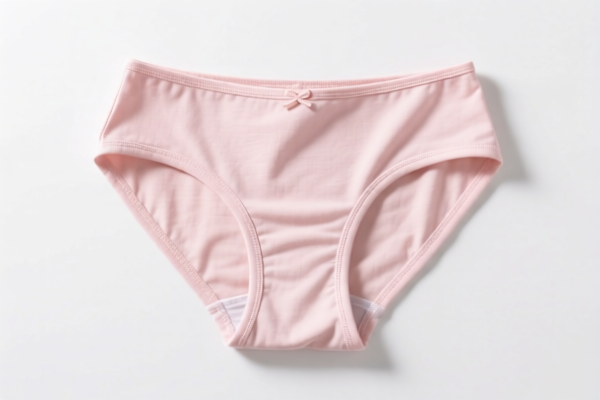
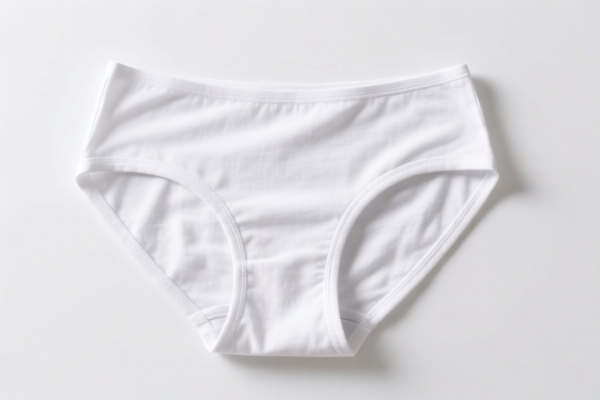
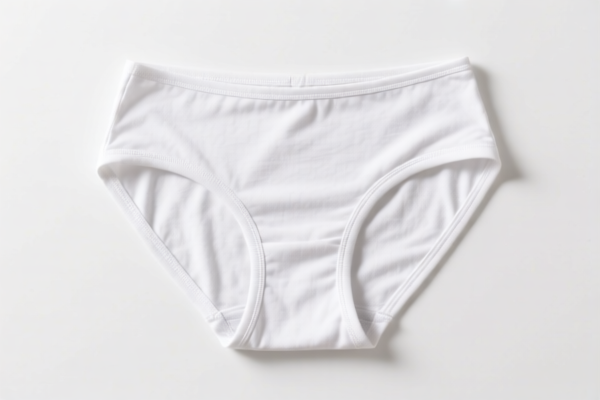
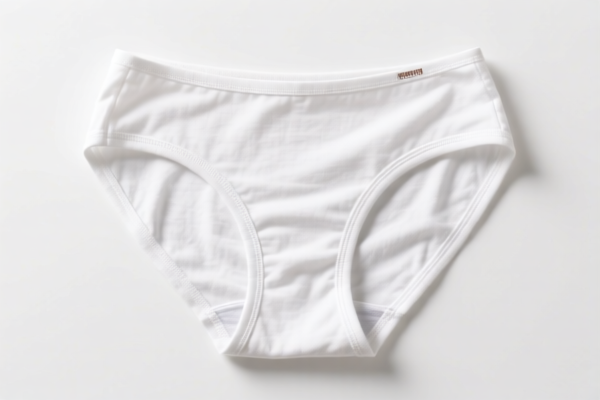
AI Analysis
👙 Women's Cotton Underwear: HS Code Classification & Tax Strategy Guide | 2026 Update
🌐 HS Code Reference & Customs Clearance Guide | 2026 Latest Tariff Analysis | Professional-Level Strategy
📌 I. Product Definition & Classification: Do You Really Know "Women's Cotton Underwear"?
Women's cotton underwear is a high-volume textile commodity in global trade. However, its classification in the Harmonized System (HS) is not straightforward. It depends heavily on the material composition, form (finished garment vs. fabric vs. accessories), and specific sub-category (briefs, boxers, or general apparel parts).
In international trade, especially for imports into the United States from China, misclassification can lead to massive tariff differences (ranging from 25.1% to 44.0%).
⚠️ Key Distinction Point: - If classified as a specific type of knitted underwear (e.g., briefs), it may fall under Chapter 61 (Knitted) with lower base tariffs. - If classified as woven fabric used for underwear or general apparel accessories, it may fall under Chapter 52 (Cotton Woven) or 6117 (Other Made-Up Clothing Accessories) with significantly higher base tariffs and additional duties. - Critical Factor: The structure of the HS code determines whether you pay ~25% or ~44%.
📦 II. HS Code Classification Details (2026 Latest Tariff Authority Comparison)
Based on the provided data, here are the 5 possible classifications for "Women's Cotton Underwear," ranging from the most favorable to the most punitive.
| HS Code | Product Description (Summary) | Category/Logic | Total Tax Rate (China Origin to US) |
|---|---|---|---|
| 6108.21.00.10 | Women's Cotton Knitted Underwear (Briefs/Underwear) | Best Case: Specific knitted underwear category. | 25.1% |
| 6108.91.00.05 | Women's Cotton Underwear (General Knitted) | Good Case: Other knitted underwear, material-specific. | 26.0% |
| 6117.90.90.60 | Women's Cotton Underwear (Pants/Shorts Category) | Medium: Classified as "Pants/Shorts" or similar apparel. | 32.1% |
| 6117.90.90.80 | Women's Cotton Underwear (Apparel Parts/Accessories) | Medium: Classified as "Accessories" or "Parts" of apparel. | 32.1% |
| 5208.11.40.20 | Women's Cotton Underwear (Woven Cotton Fabric/Consumer Goods) | Worst Case: Classified as Woven Cotton Fabric/Consumer Goods. | 44.0% |
| 5208.21.20.40 | Women's Cotton Underwear (Woven Cotton Finished Goods) | Worst Case: Woven cotton finished apparel logic. | 43.4% |
🔍 Key Insight: - 6108.21.00.10 is the optimal classification for women's knitted cotton underwear (briefs), offering the lowest total tax of 25.1%. - 5208.11.40.20 results in the highest tax of 44.0%, often due to misclassification as "woven fabric" rather than "knitted underwear" or incorrect sub-heading selection. - The difference between 6108 (Knitted Underwear) and 5208 (Woven Cotton) is critical. Most women's underwear is knitted, so classifying it under Chapter 52 (Woven) is a common and costly error.
💰 III. 2026 Latest Tariff Rate Breakdown (Detailed Tax Clauses)
✅ Applicable Country: United States (US)
✅ Origin: China (CN)
✅ Effective Time: 2025/2026 Current Rates
🎯 1. 6108.21.00.10 — Best Rate: Women's Knitted Cotton Underwear
| Item | Content |
|---|---|
| Base Tariff | 7.6% |
| Section 301 Tariff (Additional) | 7.5% |
| Section 122 Tariff | 10.0% |
| Total Tax Rate | 25.1% |
| Tax Calculation | CIF Value × 25.1% |
| De Minimis Eligibility | ❌ No (Subject to Section 301 & 122) |
| Legal Basis | HTSUS 6108.21 → Section 301 (7.5%) → Section 122 (10%) |
📌 Explanation: - This is the most favorable classification for women's knitted cotton underwear. - Section 301 (7.5%) is the standard additional tariff for Chinese textiles. - Section 122 (10%) is a specific additional tariff applied to certain textile and apparel products from China. - Total: 25.1% is significantly lower than the worst-case scenario.
🎯 2. 6108.91.00.05 — Alternative Knitted Underwear
| Item | Content |
|---|---|
| Base Tariff | 8.5% |
| Section 301 Tariff (Additional) | 7.5% |
| Section 122 Tariff | 10.0% |
| Total Tax Rate | 26.0% |
| Tax Calculation | CIF Value × 26.0% |
| De Minimis Eligibility | ❌ No |
| Legal Basis | HTSUS 6108.91 → Section 301 → Section 122 |
📌 Note: - Slightly higher base tariff (8.5% vs 7.6%) but same additional tariffs. - Use if the product does not fit the specific "6108.21" definition but is still knitted underwear.
🎯 3. 6117.90.90.60 & 6117.90.90.80 — Miscellaneous Apparel/Accessories
| Item | Content |
|---|---|
| Base Tariff | 14.6% |
| Section 301 Tariff (Additional) | 7.5% |
| Section 122 Tariff | 10.0% |
| Total Tax Rate | 32.1% |
| Tax Calculation | CIF Value × 32.1% |
| De Minimis Eligibility | ❌ No |
| Legal Basis | HTSUS 6117.90 → Section 301 → Section 122 |
📌 Note: - These codes are for "Other made-up clothing accessories" or similar. - If your underwear is considered an "accessory" or "part" rather than a standalone garment, it falls here. - Base tariff jumps to 14.6%, increasing total cost.
🎯 4. 5208.11.40.20 & 5208.21.20.40 — Woven Cotton Fabric/Finished Goods (HIGH RISK)
| Item | Content |
|---|---|
| Base Tariff | 8.4% - 9.0% |
| Section 301 Tariff (Additional) | 25.0% |
| Section 122 Tariff | 10.0% |
| Total Tax Rate | 43.4% - 44.0% |
| Tax Calculation | CIF Value × 44.0% |
| De Minimis Eligibility | ❌ No |
| Legal Basis | HTSUS 5208 → Section 301 (25%) → Section 122 |
📌 Warning: - Section 301 Tariff is 25% (not 7.5%!) for these codes. - This is often due to misclassification as woven fabric or general cotton goods rather than specific knitted underwear. - Total tax exceeds 43%, more than double the best-case scenario. - Do not use these codes unless the product is genuinely woven (not knitted) and classified as fabric or general apparel.
🛠️ IV. Customs Clearance Practical Advice (Pitfall Avoidance Guide)
✅ 1. Preparation Checklist (Mandatory)
| Document | Required | Notes |
|---|---|---|
| ✅ Product Specification Sheet | ✔️ | Must clearly state Knitted vs. Woven. |
| ✅ Composition Label | ✔️ | Must specify 100% Cotton or blend. |
| ✅ Product Photos | ✔️ | Show seams, tags, and structure (e.g., briefs, boxers). |
| ✅ Commercial Invoice | ✔️ | Use precise description: "Women's Knitted Cotton Briefs" |
| ✅ Packing List | ✔️ | Match invoice and HS Code. |
✅ 2. Declaration Tips (Critical Keywords)
🔥 “Knitted is Key, Chapter 61 is King, Avoid 5208 to Save Money!”
| Scenario | Correct Declaration | Incorrect Declaration |
|---|---|---|
| Knitted Underwear | 6108.21.00.10 (25.1%) |
5208.11.40.20 (44.0%) → Overpay ~19% |
| Woven Underwear | 5208.11.40.20 (44.0%) |
6108.21.00.10 (25.1%) → Undervalued, Risk of Audit |
| Underwear as Accessory | 6117.90.90.60 (32.1%) |
6108.21.00.10 → Misclassification |
📌 Key Advice: - Ensure "Knitted" is specified. Most women's underwear is knitted. If it is woven, use Chapter 61 or 62 appropriately, not Chapter 52 (fabric). - Use Specific Terms: "Briefs," "Panties," "Underwear" are better than generic "Clothing." - Avoid "Fabric" unless it's actually fabric rolls. If selling finished garments, do not use fabric codes (5208).
✅ 3. Special Cases
| Scenario | Handling Advice |
|---|---|
| Mixed Materials | If >50% cotton but has elastane/spandex, check if it still qualifies as "Cotton" under HTSUS. |
| Lace/Embroidery | If significant lace detailing, it may still be classified under 6108 if cotton is the main fabric. |
| Packaging | Ensure packaging does not imply "Retail" if classified as "Bulk." |
🌍 V. Global Market Comparison (2026)
| Market | Recommended HS Code | Base Tariff | Section 301/Additional | Total Tax (China) |
|---|---|---|---|---|
| 🇺🇸 USA | 6108.21.00.10 |
7.6% | +17.5% (301+122) | 25.1% |
| 🇨🇳 China | 6108.21.00.10 |
5% - 10% | None | ~5-10% |
| 🇪🇺 EU | 6108.21.00 |
12% | None (GSP may apply) | ~12% |
| 🇬🇧 UK | 6108.21.00 |
12% | None | ~12% |
| 🇨🇦 Canada | 6108.21.00 |
15% | None | ~15% |
📌 Conclusion: - USA has the highest effective tariff due to Section 301 and Section 122. - Precise classification under Chapter 61 is the only way to minimize costs in the US market. - Misclassification under Chapter 52 results in a ~19% penalty.
📌 VI. Common Mistakes & Pitfalls (Lessons Learned)
❌ Mistake 1: Classifying knitted underwear as woven fabric (5208). 👉 Consequence: Tax jumps from 25.1% to 44.0% → +$19k per $100k shipment.
❌ Mistake 2: Using generic "Underwear" without specifying "Knitted Cotton." 👉 Consequence: Customs may reclassify to highest duty rate → Delays + Penalties.
❌ Mistake 3: Not declaring Section 122 applicability. 👉 Consequence: Undeclared taxes → Audit + Back Taxes + Interest.
❌ Mistake 4: Using 6117 codes for standard underwear.
👉 Consequence: Higher base tariff (14.6% vs 7.6%) → Unnecessary cost increase.
✅ Correct Approach:
"Women's Knitted Cotton Briefs, 100% Cotton, Retail Pack, Model XYZ, HTSUS 6108.21.00.10"
🎯 VII. Conclusion: Precise Classification Saves Money!
🎯 Remember the Mantra:
🔹 "Knitted Underwear = Chapter 61"
🔹 "Chapter 52 = Woven Fabric (High Tax!)"
🔹 "6108.21 = 25.1%, 5208 = 44.0% → Save 19%!"
🔹 "Declare 'Knitted' Clearly, Avoid Audit!"
📌 Pro Tip: - If you are importing woven cotton underwear (rare but exists), ensure you use the correct 5208 code, but be prepared for the 44% tax. - For knitted cotton underwear, always aim for 6108.21.00.10. - Consult a customs broker for pre-classification review if unsure.
📣 Take Action Now:
📞 Contact a licensed customs broker
📄 Provide product specs and photos
🚀 Optimize your HS Code, Reduce Your Tax Burden, Maximize Your Profit!
✨ Professional Clearance, Starting with Accurate Classification!
💼 Every Cent Counts!
Customer Reviews
About HS Code Classification
The Harmonized System (HS) is an internationally standardized nomenclature developed by the World Customs Organization (WCO) to classify traded products. Over 200 countries use the HS system as the basis for customs tariffs, trade statistics, and import/export regulations.
Each HS code follows a hierarchical structure:
- Chapter (2 digits) — Broad category of goods (e.g., Chapter 84: Machinery and Mechanical Appliances)
- Heading (4 digits) — More specific grouping within the chapter
- Subheading (6 digits) — Internationally standardized breakdown, used by all WCO member countries
- National subdivisions (8-10 digits) — Country-specific extensions for further classification, such as US HTSUS 10-digit codes
Correct HS code classification is essential for smooth customs clearance, accurate duty payment, and compliance with trade regulations. Misclassification can lead to customs delays, overpayment of duties, or penalties.
When importing from CN to US, the applicable tariff rates may include:
- Most-Favored-Nation (MFN) rate — The standard duty rate applied to WTO members
- General rate — Applied to countries without trade agreements
- Trade remedy duties — Additional tariffs such as Section 301 (anti-dumping), Section 232 (national security), or countervailing duties
The information provided on this page is for reference purposes only. For official classification, please consult with your local customs authority or a licensed customs broker.