Women's Denim Overalls
CN → US| HS Code | Tariff Rate | Origin | Destination | Doc |
|---|---|---|---|---|
| 6204626010 | 26.4% | CN | US | Official Doc |
| 6104621020 | 27.8% | CN | US | Official Doc |
| 6211421010 | 25.6% | CN | US | Official Doc |
| 6211431010 | 33.5% | CN | US | Official Doc |
| 6204626010 | 26.4% | CN | US | Official Doc |
Product Images
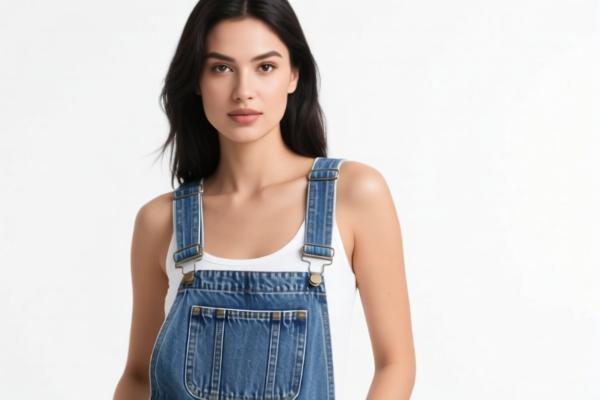
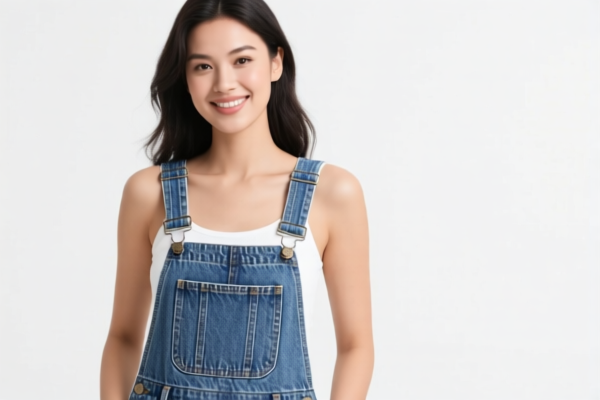
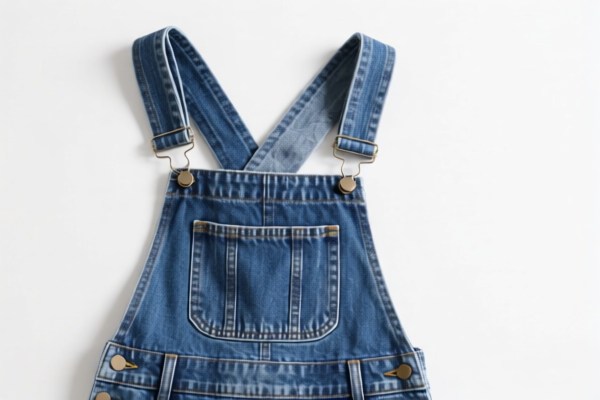
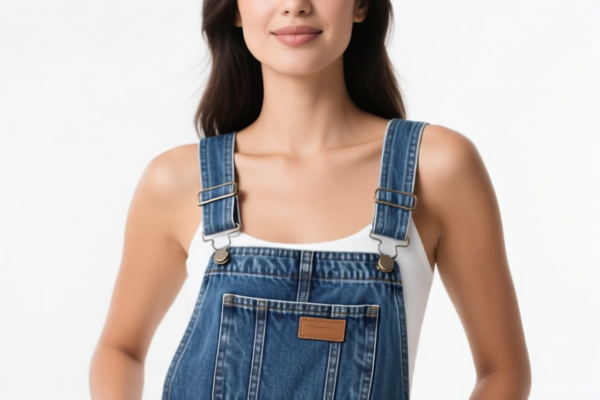
AI Analysis
👖 Women's Denim Overalls: HS Code Classification & Duty Breakdown (2026 US Customs Guide)
🌐 HS Code Reference & Clearance Guide | 2026 Latest Tariff Analysis | Professional Strategy for Chinese Imports
📌 1. Product Definition & Classification: Are You Classifying Denim Overalls Correctly?
Women's denim overalls are a versatile garment often categorized under different chapters depending on their construction method (knitted vs. woven) and material composition (cotton vs. synthetic fiber). In international trade, precise classification is critical because the duty rate can vary significantly, especially when additional tariffs (such as Section 301 or Section 122 tariffs) apply.
⚠️ Key Distinction Point:
- Woven Denim (Cotton): Typically classified under Chapter 62 (Articles of Apparel and Clothing Accessories, Not Knitted or Crocheted). Specific sub-headings depend on whether they are formally defined as "overalls" or broadly as "other women's garments."
- Knitted Denim (Cotton): Classified under Chapter 61 (Articles of Apparel and Clothing Accessories, Knitted or Crocheted).
- Synthetic Fiber Overalls: If made from artificial/synthetic fibers, they fall under different sub-headings with potentially higher base tariffs.
📦 2. HS Code Classification Details (2026 Latest Tariff Authority Match)
Based on the provided data, here are the precise HS Codes and their corresponding descriptions for Women's Denim Overalls imported from China to the US:
| HS Code | Product Description | Material | Construction Type |
|---|---|---|---|
6204.62.60.10 |
Women's woven denim overalls | Cotton | Woven (Non-knitted) |
6104.62.10.20 |
Women's knitted denim overalls | Cotton | Knitted/Crocheted |
6211.42.10.10 |
Other women's woven garments (including denim overalls) | Cotton | Woven (Non-knitted) |
6211.43.10.10 |
Other women's woven garments (synthetic fiber overalls) | Synthetic/Acrylic | Woven (Non-knitted) |
🔍 Critical Note:
-6204.62.60.10is the most specific code for woven cotton denim overalls.
-6104.62.10.20applies if the denim is knitted (stretch denim often falls here if constructed via knitting, not weaving).
-6211.42.10.10is a broader category for "other women's garments," which may apply if the item doesn't strictly meet the formal definition of "overalls" in some customs interpretations, but still contains denim.
-6211.43.10.10is for non-cotton (e.g., polyester, acrylic) denim-style overalls, which carry a higher base tariff.
💰 3. 2026 Latest Tariff Rate Breakdown (Including Additional Duties)
✅ Applicable Country: United States (US)
✅ Origin: China (CN)
✅ Effective Date: Current rates apply for imports starting 2025–2026.
🎯 1. 6204.62.60.10 – Women's Woven Cotton Denim Overalls
| Item | Detail |
|---|---|
| Base Tariff | 8.9% |
| Section 301 Tariff (Additional) | 7.5% |
| Section 122 Tariff (Additional) | 10.0% |
| Total Duty Rate | 26.4% |
| Calculation Basis | CIF Value × 26.4% |
| De Minimis Eligibility | ❌ No (De Minimis waiver denied for goods from China under these sections) |
| Legal Basis Path | USITC:6204.62.60.10 → Section 301: 7.5% → Section 122: 10% |
📌 Explanation:
- This is the most common classification for standard woven cotton denim overalls.
- The 26.4% total duty is significantly higher than the base rate due to the 17.5% in additional tariffs (7.5% + 10%).
- Action: Ensure your commercial invoice clearly states "Women's Denim Overalls, Cotton, Woven" to support this classification.
🎯 2. 6104.62.10.20 – Women's Knitted Cotton Denim Overalls
| Item | Detail |
|---|---|
| Base Tariff | 10.3% |
| Section 301 Tariff (Additional) | 7.5% |
| Section 122 Tariff (Additional) | 10.0% |
| Total Duty Rate | 27.8% |
| Calculation Basis | CIF Value × 27.8% |
| De Minimis Eligibility | ❌ No |
| Legal Basis Path | USITC:6104.62.10.20 → Section 301: 7.5% → Section 122: 10% |
📌 Note:
- If your denim is knitted (e.g., stretchy, jersey-like denim), this code applies.
- The total duty is 1.4% higher than the woven version due to a higher base rate (10.3% vs. 8.9%).
🎯 3. 6211.42.10.10 – Other Women's Woven Cotton Garments (Denim Overalls)
| Item | Detail |
|---|---|
| Base Tariff | 8.1% |
| Section 301 Tariff (Additional) | 7.5% |
| Section 122 Tariff (Additional) | 10.0% |
| Total Duty Rate | 25.6% |
| Calculation Basis | CIF Value × 25.6% |
| De Minimis Eligibility | ❌ No |
| Legal Basis Path | USITC:6211.42.10.10 → Section 301: 7.5% → Section 122: 10% |
📌 Explanation:
- This code is used when the garment is classified under "Other women's garments" rather than specific "overalls."
- It offers the lowest total duty rate (25.6%) among cotton denim overalls due to a slightly lower base rate (8.1%).
- Caution: Use only if customs accepts this classification for your specific product design. Misclassification can lead to penalties.
🎯 4. 6211.43.10.10 – Women's Woven Synthetic Fiber Overalls
| Item | Detail |
|---|---|
| Base Tariff | 16.0% |
| Section 301 Tariff (Additional) | 7.5% |
| Section 122 Tariff (Additional) | 10.0% |
| Total Duty Rate | 33.5% |
| Calculation Basis | CIF Value × 33.5% |
| De Minimis Eligibility | ❌ No |
| Legal Basis Path | USITC:6211.43.10.10 → Section 301: 7.5% → Section 122: 10% |
📌 Note:
- This code applies if the denim is made from synthetic fibers (e.g., polyester blend, acrylic) rather than cotton.
- The base tariff is much higher (16.0%), leading to a total duty of 33.5%.
- Action: Confirm material composition. If it's 100% cotton, do NOT use this code.
🛠️ 4. Customs Clearance Practical Advice (Real-World Pitfall Avoidance Guide)
✅ 1. Required Documentation Checklist (Non-negotiable)
| Document | Required? | Description |
|---|---|---|
| ✅ Product Specification Sheet | ✔️ | Must detail: Material (e.g., 98% Cotton, 2% Elastane), Construction (Woven/Knitted), Weight, Dimensions |
| ✅ Product Photos (Clear & Detailed) | ✔️ | Front/back views, close-up of fabric texture (to prove woven vs. knitted), labels, and stitching |
| ✅ Commercial Invoice | ✔️ | Must explicitly state: "Women's Denim Overalls, Cotton, Woven/Knitted" + HS Code |
| ✅ Packing List | ✔️ | Item count, gross/net weight, carton dimensions |
| ✅ Country of Origin Certificate | ✔️ | If applicable, to verify Chinese origin (which triggers additional tariffs) |
| ✅ Fiber Content Label | ✔️ | Must match commercial invoice and specs exactly |
✅ 2. Declaration Tips (Critical Keywords)
🔥 "Woven vs. Knitted is Key, Cotton vs. Synthetic Changes Rates!"
| Scenario | Correct Declaration | Wrong Declaration |
|---|---|---|
| Standard Denim Overalls (Woven) | 6204.62.60.10 |
Misclassifying as 6211.42.10.10 → Risk of audit |
| Stretch Denim (Knitted) | 6104.62.10.20 |
Using woven code → Higher duty penalty |
| Polyester Denim Blend | 6211.43.10.10 |
Claiming 100% cotton → Fraud risk |
| Mixed Fabric (e.g., Denim + Spandex) | Check %: If cotton >50%, use cotton code | Misstating material → Customs hold |
📌 Key Tip:
- Woven denim is made on a loom (tight, non-stretchy unless blended).
- Knitted denim is made on a knitting machine (stretchy, jersey-like).
- Always provide fabric swatches or test reports if customs questions the construction type.
✅ 3. Special Case Handling
| Scenario | Handling Advice |
|---|---|
| OEM Custom Orders | Provide design specs and customer POs to prove product nature |
| Denim with Synthetic Lining | If lining is synthetic but outer is cotton, still classify as cotton if cotton is primary material |
| Sample vs. Bulk | Samples may still be subject to duties if declared as commercial samples |
| Returns/Reworks | Ensure proper documentation to avoid double duty charges |
🌍 5. Global Market Clearance Comparison (2026 Latest)
| Country/Region | Recommended HS Code (Cotton Denim) | Total Duty Rate (China Origin) | Certification Required | Notes |
|---|---|---|---|---|
| 🇺🇸 USA | 6204.62.60.10 |
26.4% | None specific | High additional tariffs apply |
| 🇨🇳 China | 6204.62.60.10 |
8.9% (Export) / 0% (Import) | CCC (if applicable) | No additional tariffs for domestic sales |
| 🇪🇺 EU | 6204.63.00 |
12.0% | CE (if safety gear) | No Section 301/122 equivalents |
| 🇬🇧 UK | 6204.63.00 |
12.0% | UKCA | Post-Brexit rules apply |
| 🇨🇦 Canada | 6204.63.00 |
18.0% | None | No additional tariffs like US |
📌 Conclusion:
- The US market is the most expensive for Chinese-made denim due to Section 301 and Section 122 tariffs.
- Consider supply chain diversification (e.g., Vietnam, Bangladesh) to avoid these additional tariffs if possible.
- Always verify material composition to avoid misclassification penalties.
📌 6. Common Errors & Pitfall Guide (Lessons Learned)
❌ Error 1: Declaring knitted denim as woven
👉 Consequence: Incorrect HS code → Audit risk, potential duty reassessment (27.8% vs. 26.4%)
❌ Error 2: Using "Other Garments" code (6211.42.10.10) without justification
👉 Consequence: Customs may reject and force correct classification (6204.62.60.10), causing delays
❌ Error 3: Misstating fiber content (e.g., claiming 100% cotton when it's 90% cotton/10% polyester)
👉 Consequence: Misclassification → Fines, penalties, or seizure
✅ Correct Practice:
"Women's Denim Overalls, 98% Cotton, 2% Elastane, Woven Construction, Model XYZ, Imported from China"
🎯 7. Conclusion: Precise Classification Saves Money!
🎯 Remember This Rule:
🔹 "Woven Cotton = 26.4%, Knitted Cotton = 27.8%, Synthetic = 33.5%"
🔹 "Double-check fabric type to avoid misclassification penalties!"
🔹 "Additional tariffs (17.5%) are fixed; optimize your HS code to minimize base duty!"
📌 Pro Tip:
If you are importing large volumes, consider applying for a Customs Ruling or using a bonded warehouse to defer duties.
For high-value shipments, consult a licensed customs broker to verify the exact classification before shipment.
📣 Immediate Action:
📞 Contact a customs broker + Provide product samples/photos + Verify fiber content
🚀 Ensure accurate HS code declaration to avoid delays and unexpected costs!
✨ Professional clearance starts with precise classification!
💼 Every percentage point matters in duty savings!
Customer Reviews
About HS Code Classification
The Harmonized System (HS) is an internationally standardized nomenclature developed by the World Customs Organization (WCO) to classify traded products. Over 200 countries use the HS system as the basis for customs tariffs, trade statistics, and import/export regulations.
Each HS code follows a hierarchical structure:
- Chapter (2 digits) — Broad category of goods (e.g., Chapter 84: Machinery and Mechanical Appliances)
- Heading (4 digits) — More specific grouping within the chapter
- Subheading (6 digits) — Internationally standardized breakdown, used by all WCO member countries
- National subdivisions (8-10 digits) — Country-specific extensions for further classification, such as US HTSUS 10-digit codes
Correct HS code classification is essential for smooth customs clearance, accurate duty payment, and compliance with trade regulations. Misclassification can lead to customs delays, overpayment of duties, or penalties.
When importing from CN to US, the applicable tariff rates may include:
- Most-Favored-Nation (MFN) rate — The standard duty rate applied to WTO members
- General rate — Applied to countries without trade agreements
- Trade remedy duties — Additional tariffs such as Section 301 (anti-dumping), Section 232 (national security), or countervailing duties
The information provided on this page is for reference purposes only. For official classification, please consult with your local customs authority or a licensed customs broker.