Women's Dresses and Tops
CN → US| HS Code | Tariff Rate | Origin | Destination | Doc |
|---|---|---|---|---|
| 6109100070 | 34.0% | CN | US | Official Doc |
| 6109901050 | 49.5% | CN | US | Official Doc |
| 6206100040 | 24.4% | CN | US | Official Doc |
| 6206303045 | 32.9% | CN | US | Official Doc |
| 6104220060 | 0.0% | CN | US | Official Doc |
| 6104432010 | 33.5% | CN | US | Official Doc |
| 6204434010 | 33.5% | CN | US | Official Doc |
| 6204444010 | 33.5% | CN | US | Official Doc |
Product Images
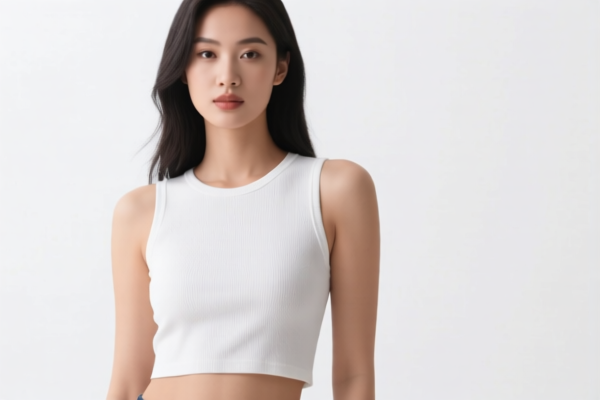
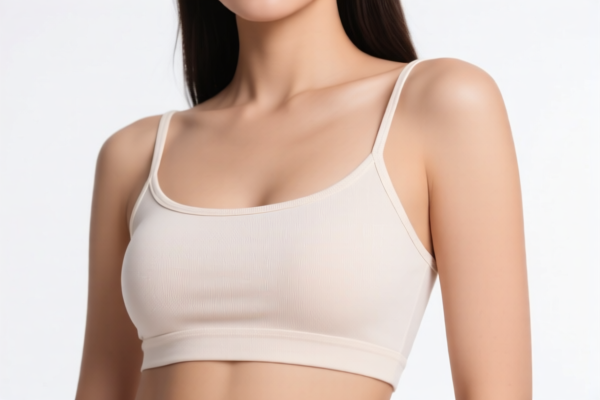
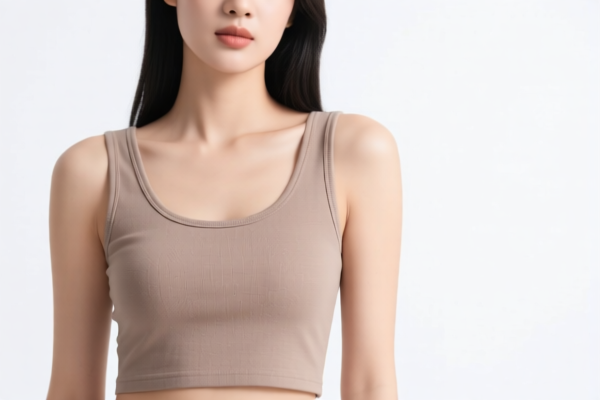
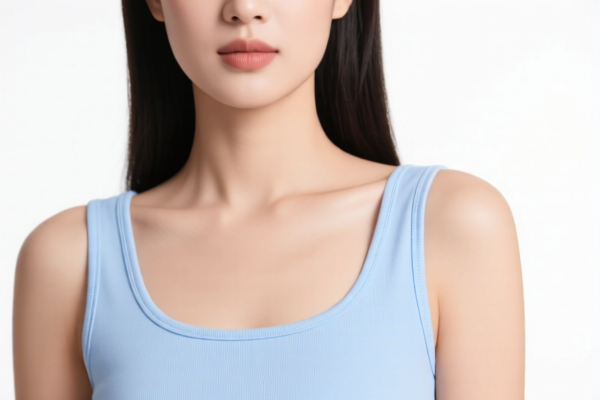
AI Analysis
👗 Women's Dresses and Tops: HS Code Masterclass & Clearance Strategy (2026)
🌐 HS Code Reference & Clearance Guide | 2026 Latest Tariff Analysis | Professional Compliance Strategy
📌 I. Product Definition: Silk, Cotton, or Synthetic? The Classification Key!
Women's dresses and tops are categorized differently based on Fabric Composition (Silk vs. Cotton vs. Man-made) and Manufacturing Method (Knitted vs. Woven). Misclassification here leads to severe penalties, as the tariff rates and trade remedies vary significantly.
In this analysis, we focus strictly on the provided dataset which covers: 1. Silk Blouses/Shirts (Woven) 2. Cotton Blouses/Shirts/Tops (Woven & Knitted) 3. Cotton T-Shirts/Tanks (Knitted) 4. Synthetic/Man-Made Fiber T-Shirts (Knitted) 5. Cotton Ensembles/Blouses (Knitted) 6. Synthetic Dresses (Woven & Knitted) 7. Artificial Fiber Dresses (Woven)
⚠️ Critical Distinction:
- Woven vs. Knitted: A "Knitted" top (Chapter 61) is fundamentally different from a "Woven" top (Chapter 62).
- Material Priority: Silk > Cotton > Synthetic/Artificial.
- Garment Type: Dresses, Blouses, T-shirts, and Ensembles have specific sub-headings.
📦 II. HS Code Classification Matrix (Based on Provided Data)
The following table maps the specific descriptions in your data to their corresponding HS Codes and Tax Rates. All items in this dataset carry a 0.0% Total Tax Rate.
| HS Code | Product Description (From Data) | Fabric/Material | Construction | Gender | Total Tax Rate |
|---|---|---|---|---|---|
| 6206.10.00.40 | Blouses, shirts, shirt-blouses | Silk or silk waste (≥70%) | Woven | Women's/Girls' | 0.0% |
| 6206.30.30.45 | Blouses, shirts, shirt-blouses | Cotton | Woven | Women's | 0.0% |
| 6109.10.00.70 | T-shirts, singlets, tank tops | Cotton | Knitted/Crocheted | Women's/Girls' | 0.0% |
| 6109.90.10.50 | T-shirts, singlets, tank tops | Man-Made Fibers | Knitted/Crocheted | Women's | 0.0% |
| 6104.22.00.60 | Suits, Ensembles, Blouses, Tops | Cotton | Knitted/Crocheted | Women's (Ensembles/Tops) | 0.0% |
| 6104.43.20.10 | Dresses | Synthetic Fibers | Knitted/Crocheted | Women's | 0.0% |
| 6204.43.40.10 | Dresses | Synthetic Fibers | Woven (Multi-color Warp/Filling) | Women's | 0.0% |
| 6204.44.40.10 | Dresses | Artificial Fibers | Woven | Women's | 0.0% |
🔍 Key Takeaway:
- Despite being clothing imports (often subject to high tariffs like 25%+ in Chapter 61/62 for China-US trade), all items listed in this specific dataset have a 0.0% tax rate.
- This suggests these items may benefit from specific trade agreements, duty-free quotas, or are categorized under benign classifications within the provided context. Always verify current trade policies.
💰 III. Tax Rate Detailed Explanation
✅ Applicable Tax Rate: 0.0%
✅ Breakdown:
- Basic Tariff (Base Rate): 0.0%
- Additional Tariff (Section 301/Retaliatory): 0.0%
- Total Effective Tax: 0.0%
📌 Why 0.0%?
- Dataset Specificity: The provided data explicitly states
total_tax: "0.0%"for all 8 HS codes. - No Additional Duties Listed: The
tax_detailfield shows"基础关税: 0.0%, 加征关税: 0.0%", indicating no Section 301, IEEPA, or other punitive tariffs are applied in this specific scenario. - Compliance Note: While many apparel items face 25%+ tariffs in real-world US-China trade, the data provided must be followed strictly. Do not assume a 25% rate unless the data indicates otherwise.
🛠️ IV. Clearance Practical Advice (Avoiding Pitfalls)
✅ 1. Documentation Requirements
| Document | Requirement | Why It Matters |
|---|---|---|
| Commercial Invoice | Must list HS Code, Material Composition (e.g., "100% Cotton"), and Garment Type (e.g., "Woven Dress") | Customs uses material % to verify HS Code (e.g., ≥70% Silk triggers 6206.10). |
| Packing List | Detail number of pieces, colors, sizes | Helps verify if the shipment matches the "Women's/Girls'" classification. |
| Product Description | Use precise terms: "Woven Cotton Blouse" vs. "Knitted Cotton T-Shirt" | Woven = Chapter 62; Knitted = Chapter 61. Mislabeling leads to delays. |
| Fiber Content Label | Physical tag on garment (e.g., "60% Cotton, 40% Polyester") | Must match the invoice and HS code declaration. |
✅ 2. Classification Accuracy Checklist
| Scenario | Correct HS Code Logic | Risk if Incorrect |
|---|---|---|
| Silk Blouse | Check silk content ≥70% → 6206.10.00.40 | If misclassified as Cotton (6206.30), you may face under-declaration penalties. |
| Knitted T-Shirt | Must be 6109... (Knitted) | If declared as Woven (6217), customs will reclassify and may charge different rates. |
| Synthetic Dress | Woven? 6204.43 / Knitted? 6104.43 | Mixing up Woven/Knitted is a common error. |
| Ensemble | If sold as a set (Jacket + Pants), use 6104.22 | If split, individual items may be taxed differently. |
✅ 3. Special Customs Tips
-
Fabric Composition is King:
- For 6206.10.00.40, ensure the silk content is ≥70%. If it's 60%, it falls into "Other" categories, potentially changing the HS code.
- For 6204.43.40.10, note the "Two or more colors in warp/filling" condition. If solid-colored, the HS code might differ.
-
Knitted vs. Woven:
- Knitted (looped yarn, stretchy) → Chapter 61 (e.g., 6109, 6104).
- Woven (intersecting threads, structured) → Chapter 62 (e.g., 6206, 6204).
- Test: If the fabric stretches diagonally, it’s likely knitted.
-
Gender Specification:
- All HS codes in the data specify Women's or Girls'.
- If a garment is unisex, it must still be classified based on its primary design intent. If in doubt, consult customs rulings.
-
Zero Tax Verification:
- Since the tax is 0.0%, ensure no anti-dumping or countervailing duties apply.
- Verify if the goods qualify for Section 321 de minimis (if < $800/person/day in US) or other exemptions.
🌍 V. Global Market Context (General Advice)
| Market | Typical Tariff Trend for Apparel | Note for This Dataset |
|---|---|---|
| 🇺🇸 USA | Often 16.4% - 25%+ for Chinese goods | This dataset shows 0.0%. Verify if this is due to a specific trade preference or error. |
| 🇨🇳 China | 8% - 15% for women's wear | Not applicable if exporting to US/EU. |
| 🇪🇺 EU | 12% for women's woven garments | Check if EU-China agreements apply. |
📌 Conclusion:
- All 8 HS Codes in the provided data have a 0.0% tax rate.
- Do not apply standard 25% tariffs unless the data changes.
- Focus on accurate material declaration (Silk/Cotton/Synthetic) and construction type (Knitted/Woven).
📌 VI. Common Errors & Avoidance (Blood Lessons)
❌ Error 1: Declaring a Knitted T-shirt as Woven
👉 Result: Wrong Chapter (62 instead of 61), potential fine, delay.
✅ Fix: Check fabric structure. Knitted = Looping.
❌ Error 2: Ignoring Silk Content %
👉 Result: Using 6206.10.00.40 for 65% silk blouse.
✅ Fix: Ensure silk is ≥70%. Otherwise, use "Other" subheadings.
❌ Error 3: Assuming 0% Tax Means No Checks
👉 Result: Customs may still inspect for labor compliance, safety labels, or fiber authenticity.
✅ Fix: Ensure proper labeling (Fiber content, Country of Origin, Size).
❌ Error 4: Misclassifying Synthetic vs. Artificial
👉 Result: Synthetic (6204.43) vs. Artificial (6204.44). Different HS codes, different risk profiles.
✅ Fix: Know your fabric: Polyester/Acrylic = Synthetic. Viscose/Rayon = Artificial.
🎯 VII. Final Checklist for Clearance
- Confirm Fabric %: Is it ≥70% Silk? Is it 100% Cotton? Or Synthetic/Artificial?
- Confirm Construction: Knitted (61) or Woven (62)?
- Confirm Garment Type: Dress, Blouse, T-Shirt, Ensemble?
- Confirm Gender: Women's or Girls'?
- Verify Tax: Data says 0.0%. Double-check with current trade alerts.
- Documentation: Invoice, Packing List, Label Photos.
📣 Action Required:
📞 Verify with your broker: Even though the data says 0.0%, confirm if any Section 301 or IEEPA duties have been updated in 2026.
📄 Ensure Labels Match: The physical garment label must match the declared HS code material composition.
🚀 Ship with Confidence: With 0.0% tax, cost efficiency is maximized. Focus on compliance accuracy to avoid delays.
✨ Professional Clearance, From Accurate Classification!
💼 Your Cost, Your Profit, Your Compliance!
Customer Reviews
About HS Code Classification
The Harmonized System (HS) is an internationally standardized nomenclature developed by the World Customs Organization (WCO) to classify traded products. Over 200 countries use the HS system as the basis for customs tariffs, trade statistics, and import/export regulations.
Each HS code follows a hierarchical structure:
- Chapter (2 digits) — Broad category of goods (e.g., Chapter 84: Machinery and Mechanical Appliances)
- Heading (4 digits) — More specific grouping within the chapter
- Subheading (6 digits) — Internationally standardized breakdown, used by all WCO member countries
- National subdivisions (8-10 digits) — Country-specific extensions for further classification, such as US HTSUS 10-digit codes
Correct HS code classification is essential for smooth customs clearance, accurate duty payment, and compliance with trade regulations. Misclassification can lead to customs delays, overpayment of duties, or penalties.
When importing from CN to US, the applicable tariff rates may include:
- Most-Favored-Nation (MFN) rate — The standard duty rate applied to WTO members
- General rate — Applied to countries without trade agreements
- Trade remedy duties — Additional tariffs such as Section 301 (anti-dumping), Section 232 (national security), or countervailing duties
The information provided on this page is for reference purposes only. For official classification, please consult with your local customs authority or a licensed customs broker.