Women's Fine Animal Hair Garment
CN → US| HS Code | Tariff Rate | Origin | Destination | Doc |
|---|---|---|---|---|
| 5111196040 | 60.0% | CN | US | Official Doc |
| 6104290510 | 0.0% | CN | US | Official Doc |
| 6104290580 | 0.0% | CN | US | Official Doc |
| 4203104095 | 41.0% | CN | US | Official Doc |
| 4203104060 | 41.0% | CN | US | Official Doc |
Product Images
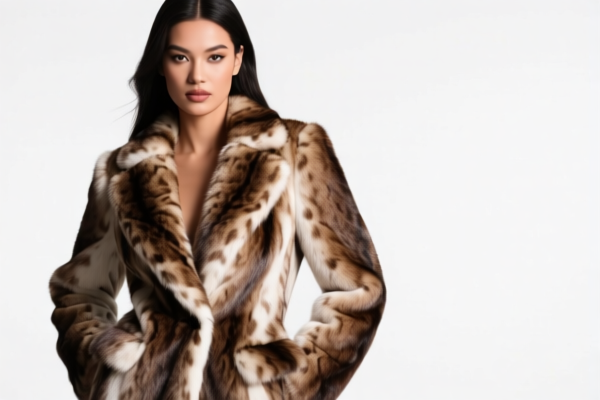
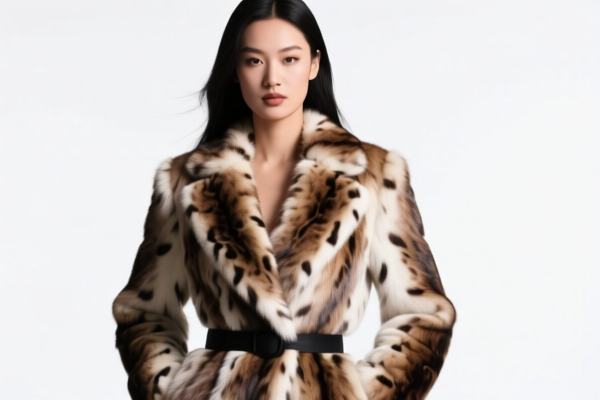
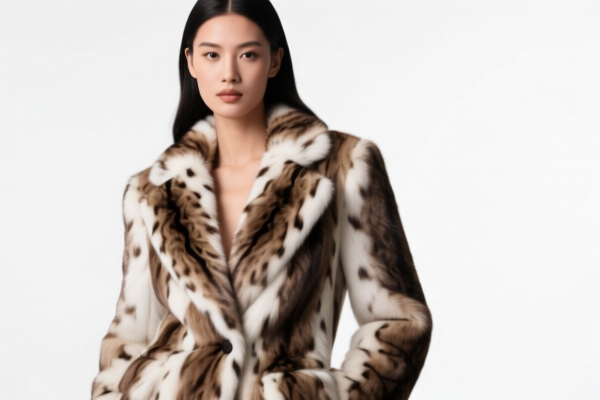
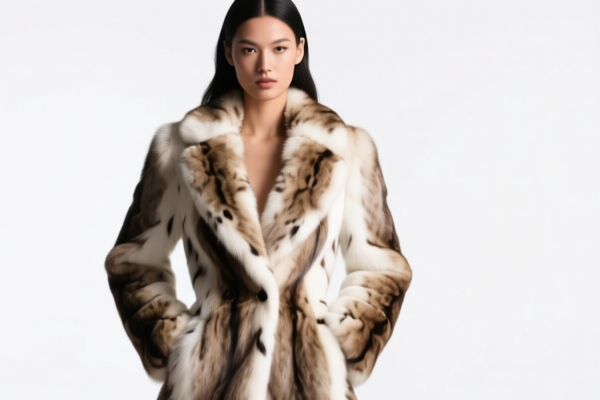
AI Analysis
👗 Women's Fine Animal Hair Garment (Coats, Jackets, & Outerwear)
🌐 HS Code Reference & Clearance Guide | 2026 Latest Tariff Analysis | Professional Customs Strategy
📌 I. Product Definition & Classification: What Exactly is "Fine Animal Hair"?
"Fine Animal Hair" refers to fibers derived from animals other than wool (such as cashmere, mohair, camel hair, alpaca, vicuña, or angora). In international trade, women's garments made from these materials are typically categorized based on their construction method (knitted vs. woven) and material composition (textile vs. leather/synthetic).
Key Distinction:
- Textile-Based (Woven/Knitted): If the garment is made from spun yarns or felted fabrics (coats, jackets, suits), it falls under Chapters 61 or 62.
- Leather/Synthetic-Based: If the "fine animal hair" refers to fur pelts or leather processed from these animals, it falls under Chapter 42.
⚠️ Critical Classification Point:
- If the item is a coat/jacket made from woven wool/fine animal hair fabric → Chapter 61 (Knitted/Crocheted) or Chapter 62 (Not Knitted).
- If the item is made of leather or再生 leather (even if labeled "hair" colloquially, it often implies fur/leather goods) → Chapter 42.
- Note: The provided data contains specific HS codes for both textile coats and leather-like garments. We must distinguish between them carefully.
📦 II. HS Code Classification Details (2026 Latest Tariff Authority Match)
Based on the provided <DATA>, here are the precise HS Codes applicable to "Women's Fine Animal Hair Garments," categorized by material and construction.
| HS Code | Product Description | Material/Construction | Key Characteristics |
|---|---|---|---|
5111.19.60.40 |
Fine Animal Hair Coat | Woven Fabric (Textile) | Heavy fabric (>400 g/m²), woven structure, typically a Coat (not a jacket/suit). |
6104.29.05.10 |
Fine Animal Hair Jacket/Blazer | Knitted/Crocheted Wool/Fine Hair | Classified as a Jacket/Blazer under Heading 6104. Specific to wool/fine animal hair. |
6104.29.05.80 |
Fine Animal Hair Jacket (Other) | Knitted/Crocheted (Other) | "Other" catch-all for knitted/crocheted jackets not specified in .10. Fine animal hair content. |
4203.10.40.60 |
Women's Fine Animal Hair Garment | Leather / Reconstituted Leather | Leather-based. Garment made from leather or reconstituted leather, often interpreted as fur/leather outerwear in this context. |
4203.10.40.95 |
Women's Fine Animal Hair Garment | Synthetic Leather / Other | Synthetic/Other Leather. Garment made from synthetic leather or other materials classified under Chapter 42. |
🔍 重点提醒 (Critical Note):
- Chapter 51 vs. Chapter 61:5111.19.60.40is for woven fabrics (like tweed or heavy wool coats).6104.29...is for knitted/crocheted items (like knit cardigans or sweatshirts styled as jackets). Do not confuse woven vs. knitted.
- Chapter 42: If the garment is made of leather (including fur skins tanned into leather), it MUST go to Chapter 42, not Chapter 61/62. The term "fine animal hair" in Chapter 42 descriptions often refers to the raw material (fur/leather) rather than spun yarn.
💰 III. 2026 Latest Tariff Rate Breakdown (Including Additional Taxes & Policy Surcharge)
✅ Applicable Country: United States (US)
✅ Origin: China (CN) (Implied by 122 Clause and 7.5% Section 301 rates)
✅ Effective Time: Current US Tariff Structure (2026 Context)
🎯 1. 5111.19.60.40 —— Fine Animal Hair Coat (Woven)
| Item | Detail |
|---|---|
| Base Duty Rate | 25.0% |
| Section 301 Additional Tariff | 25.0% |
| Section 122 Tariff (Trade Act) | 10.0% |
| Total Tax Rate | 60.0% |
| Tax Calculation | CIF Value × 60% |
| De Minimis Exemption | ❌ Not Eligible (High tariff rate exceeds threshold) |
| Legal Basis Path | HTSUS:5111.19.60.40 → Section 301: Footnote 9903.01.25 → Section 122: Trade Act |
📌 Explanation:
- This is a high-tax category due to the combination of Base Tariff + Section 301 (25%) + Section 122 (10%).
- Total 60% is a significant cost burden. Ensure the garment is truly "woven" and not "knitted" to avoid misclassification.
🎯 2. 6104.29.05.10 & 6104.29.05.80 —— Knitted/Crocheted Fine Animal Hair Jackets
| Item | Detail |
|---|---|
| Base Duty Rate | Rate applicable to each garment if separately classified (Typically 10-12% for wool/knit) |
| Section 301 Additional Tariff | 7.5% |
| Section 122 Tariff (Trade Act) | 10.0% |
| Total Tax Rate | (Base Rate + 7.5% + 10.0%) ≈ ~27.5% - 30% (depending on base) |
| Tax Calculation | CIF Value × (Base + 17.5%) |
| De Minimis Exemption | ❌ Not Eligible (Due to Section 122/301 add-ons) |
| Legal Basis Path | HTSUS:6104.29.05.xx → Section 301: Footnote 9903.01.24 → Section 122 |
📌 Note:
- These codes have a lower total tax rate compared to woven coats (5111...).
- The "Base Rate" is variable but generally lower than the 25% base for heavy woven fabrics.
- Key: Must be knitted or crocheted. If it is woven, it must move to5111.19.60.40(60% tax).
🎯 3. 4203.10.40.60 & 4203.10.40.95 —— Women's Fine Animal Hair Garments (Leather/Synthetic)
| Item | Detail |
|---|---|
| Base Duty Rate | 6.0% |
| Section 301 Additional Tariff | 25.0% |
| Section 122 Tariff (Trade Act) | 10.0% |
| Total Tax Rate | 41.0% |
| Tax Calculation | CIF Value × 41% |
| De Minimis Exemption | ❌ Not Eligible |
| Legal Basis Path | HTSUS:4203.10.40.xx → Section 301: Footnote 9903.01.25 → Section 122 |
📌 Comparison:
- 41% is significantly lower than the 60% for woven coats (5111...) but higher than the ~30% for knitted jackets (6104...).
- Crucial: If the product is fur/leather, it MUST use these codes. Misclassifying leather as textile (6104) can lead to severe penalties.
-40.60is for Leather/Reconstituted Leather.
-40.95is for Synthetic Leather/Other.
🛠️ IV. Clearance Practical Advice (Real-World Pitfall Guide)
✅ 1. Preparation Checklist (Must-Have Documents)
| Document | Required? | Purpose |
|---|---|---|
| ✅ Product Specification Sheet | ✔️ | Must specify: Fiber content (e.g., 100% Cashmere, 80% Wool/20% Silk), Fabric Weight (g/m² for 5111), Construction (Woven vs. Knitted). |
| ✅ Fabric Composition Label | ✔️ | Internal tag showing fiber percentages. Critical for Chapter 51 vs. 61. |
| ✅ Product Photos (Front/Back/Tag) | ✔️ | To prove it's a "Garment" and not a "Piece of Cloth." |
| ✅ Commercial Invoice | ✔️ | Clearly state: "Women's Fine Animal Hair [Coat/Jacket]". Avoid vague terms like "Clothing." |
| ✅ Origin Certificate | ✔️ | Required for Section 122/301 verification. |
| ✅ Leather/Fur Declaration | ✔️ | If using Chapter 42, declare if it's natural leather or synthetic. |
✅ 2. Classification Strategy (Key Tips)
🔥 "Woven Heavy = 60% Tax; Knitted Jacket = ~30% Tax; Leather = 41% Tax"
| Scenario | Correct HS Code | Incorrect HS Code | Consequence |
|---|---|---|---|
| Heavy Woven Coat (e.g., Wool/Cashmere >400g/m²) | 5111.19.60.40 (60%) |
6104.29.05.xx |
Underpayment → Audit + Penalty |
| Knitted Cardigan/Jacket | 6104.29.05.10/80 (~30%) |
5111.19.60.40 |
Overpayment (unnecessary cost) |
| Fur/L Leather Coat | 4203.10.40.60/95 (41%) |
6104.29.05.xx |
Misclassification → Severe Penalty |
| Mixed Fabric (e.g., Wool Lining, Synthetic Shell) | Depends on Chief Value | Wrong Chapter | Complex valuation, potential delay |
✅ 3. Special Handling Scenarios
| Scenario | Advice |
|---|---|
| "Fine Animal Hair" vs. "Wool" | If >10% fine animal hair (cashmere, etc.), it may qualify for specific subheadings in Chapter 51/61. Check fiber content carefully. |
| Section 122 Tariff (10%) | This applies to most textiles/clothing from China. It is automatic. Do not try to avoid it by slight misclassification. |
| De Minimis (800 USD) | ❌ Not Available. Due to the 10% Section 122 + 7.5%/25% Section 301 tariffs, packages under $800 are still taxed and may face additional scrutiny. |
| Valuation | Ensure CIF value includes freight and insurance. Tariffs are calculated on CIF, not FOB. |
🌍 V. Global Market Comparison (2026 Update)
| Market | Recommended HS Code | Total Tax (China Origin) | Notes |
|---|---|---|---|
| 🇺🇸 USA | 5111.19.60.40 / 6104.29.05.xx / 4203.10.40.xx |
41% - 60% | High due to Section 301 + Section 122. |
| 🇨🇳 China (Import) | 6104.29.00 / 4203.10 |
~10-15% | Lower base tariffs, no Section 301/122. |
| 🇪🇺 EU | 6104.13 / 4203.21 |
~4-12% | No "Section 122" equivalent. Retaliatory tariffs may apply. |
| 🇬🇧 UK | 6104.13 / 4203.21 |
~4-12% | Similar to EU post-Brexit. |
📌 Conclusion:
- USA is the most expensive market for fine animal hair garments due to Section 301 + Section 122.
- Knitted items (6104) are the most tax-efficient textile option (~30% total).
- Woven Coats (5111) are the most expensive (60% total).
- Leather Items (4203) are mid-range (41% total).
📌 VI. Common Errors & Pitfalls (Lessons Learned)
❌ Error 1: Classifying a Woven Coat as Knitted (6104) to save tax.
👉 Result: Customs inspection reveals woven structure → Back taxes + Penalty + 60% vs. 30% difference.
❌ Error 2: Classifying Fur/L Leather as Textile (6104).
👉 Result: Chapter 42 has different rules. Misclassification can lead to seizure if fur regulations (Lacey Act) are violated.
❌ Error 3: Assuming De Minimis ($800) applies.
👉 Result: Section 122 Tariff (10%) makes de minimis ineligible. Package will be held, taxed, and subject to inspection.
❌ Error 4: Ignoring Fabric Weight for 5111.
👉 Result: If weight <400g/m², it might fall under a different subheading with different rates. Verify g/m²!
✅ Correct Approach:
"Women's Cashmere Woven Coat, 450g/m², 100% Cashmere, Model XYZ, CIF Value $500"
🎯 VII. Conclusion: Precise Classification Saves Money!
🎯 Remember the Tax Hierarchy:
🔹 Knitted Jacket (
6104): ~30% Tax (Lowest)
🔹 Leather/L Fur (4203): 41% Tax (Mid)
🔹 Woven Coat (5111): 60% Tax (Highest)🔹 "Woven vs. Knitted" determines the 30% tax difference!
🔹 "Leather vs. Textile" determines the Chapter (42 vs. 61/51)!
📌 Pro Tip:
If your product is knitted, ensure the production process is documented as knitting, not weaving. If it's woven, be prepared for the 60% tax. Consider design changes (e.g., switching from woven coat to knit jacket) to reduce tariff burden, if feasible.
📣 Immediate Action:
📞 Consult a Customs Broker before shipping.
📸 Provide Fabric Swatches & Photos for pre-classification.
📄 Verify Fiber Content & Weight on your spec sheet.
💼 Your Profit Margin Depends on Accurate HS Codes!
Customer Reviews
About HS Code Classification
The Harmonized System (HS) is an internationally standardized nomenclature developed by the World Customs Organization (WCO) to classify traded products. Over 200 countries use the HS system as the basis for customs tariffs, trade statistics, and import/export regulations.
Each HS code follows a hierarchical structure:
- Chapter (2 digits) — Broad category of goods (e.g., Chapter 84: Machinery and Mechanical Appliances)
- Heading (4 digits) — More specific grouping within the chapter
- Subheading (6 digits) — Internationally standardized breakdown, used by all WCO member countries
- National subdivisions (8-10 digits) — Country-specific extensions for further classification, such as US HTSUS 10-digit codes
Correct HS code classification is essential for smooth customs clearance, accurate duty payment, and compliance with trade regulations. Misclassification can lead to customs delays, overpayment of duties, or penalties.
When importing from CN to US, the applicable tariff rates may include:
- Most-Favored-Nation (MFN) rate — The standard duty rate applied to WTO members
- General rate — Applied to countries without trade agreements
- Trade remedy duties — Additional tariffs such as Section 301 (anti-dumping), Section 232 (national security), or countervailing duties
The information provided on this page is for reference purposes only. For official classification, please consult with your local customs authority or a licensed customs broker.