Women's Gloves
CN → US| HS Code | Tariff Rate | Origin | Destination | Doc |
|---|---|---|---|---|
| 6116926440 | 41.0% | CN | US | Official Doc |
| 6116927450 | 33.5% | CN | US | Official Doc |
| 6216003800 | 41.0% | CN | US | Official Doc |
| 6216003500 | 12.8% | CN | US | Official Doc |
| 6216003500 | 12.8% | CN | US | Official Doc |
Product Images

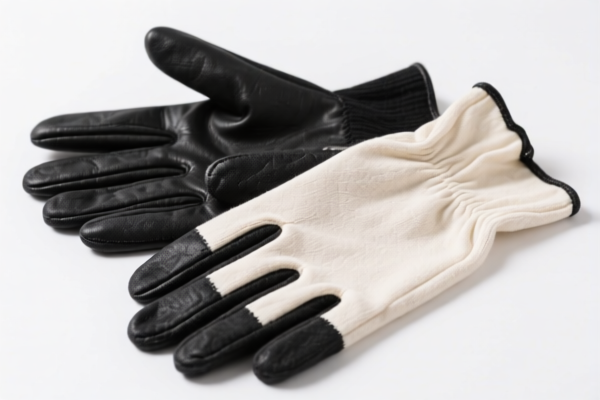
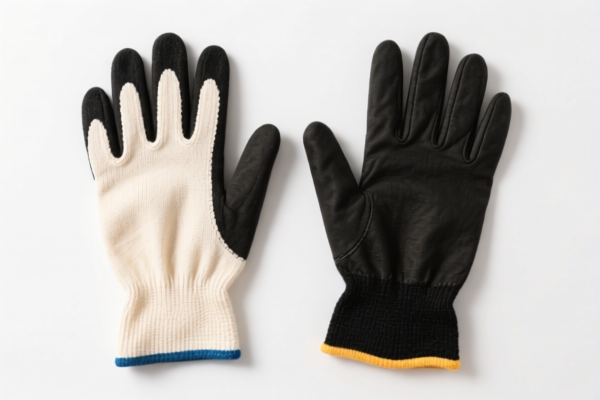
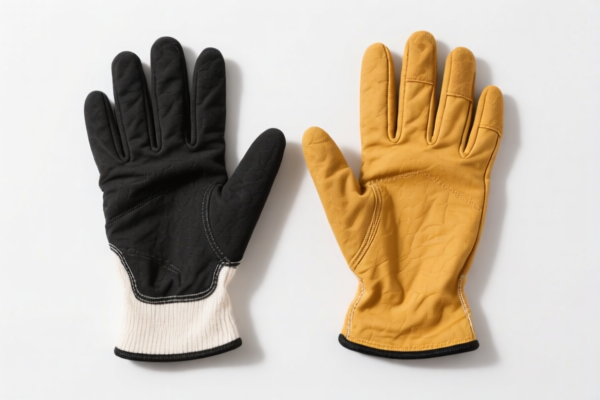
AI Analysis
🧤 Women's Winter Gloves: The Ultimate HS Code & Duty Guide (2026)
🌐 HS Code Classification & Clearance Strategy | Comprehensive Tax Breakdown | Professional Export Guide
📌 I. Product Definition: What Exactly Are "Women's Winter Gloves"?
Women's winter gloves are essential cold-weather accessories designed for hand protection, warmth, and fashion. In international trade, they are strictly categorized based on material (Cotton) and construction method (Knitted vs. Non-Knitted). Misclassification can lead to double taxation (up to 41%) or customs delays.
Key Classification Distinctions:
- Knitted/ Crocheted (Sections 61): Soft, stretchy, fabric-based (e.g., fleece-lined cotton).
- Non-Knitted (Sections 62): Woven, cut-and-sewn, or leather-like fabrics (e.g., quilted cotton, lined cotton).
- Usage Context: General wear vs. Sports/Outdoor activities (critical for tax rates).
⚠️ Critical Warning:
- Knitted gloves almost always incur higher base tariffs (23.5%) due to "Textile" protections.
- Non-knitted sports gloves may qualify for duty-free entry (2.8%) if they meet specific usage criteria.
- All cotton products from China are subject to "Section 122" additional tariffs (10%).
📦 II. HS Code Breakdown & Duty Analysis (2026 Data)
Based on current US customs data for Women's Cotton Gloves, here is the precise classification matrix:
| HS Code | Product Description | Construction Type | Total Tax Rate | Tax Breakdown (Source) |
|---|---|---|---|---|
6116.92.64.40 |
Women's Winter Cotton Gloves, Knitted/Crocheted, Standard Category | Knitted | 41.0% | Base (23.5%) + Add-on (7.5%) + Sec 122 (10%) |
6116.92.74.50 |
Women's Winter Cotton Gloves, Knitted/Crocheted, "Other" Category | Knitted | 33.5% | Base (23.5%) + Add-on (0.0%) + Sec 122 (10%) |
6216.00.38.00 |
Women's Winter Cotton Gloves, Non-Knitted, Standard Category | Non-Knitted | 41.0% | Base (23.5%) + Add-on (7.5%) + Sec 122 (10%) |
6216.00.35.00 |
Women's Winter Cotton Gloves, Non-Knitted, Sports/Other Use | Non-Knitted | 12.8% | Base (2.8%) + Add-on (0.0%) + Sec 122 (10%) |
6216.00.35.00 |
100% Cotton Women's Winter Gloves, Non-Knitted, General Description | Non-Knitted | 12.8% | Base (2.8%) + Add-on (0.0%) + Sec 122 (10%) |
🔍 Deep Dive into Tax Components:
1. Base Tariff (基础关税): Ranges from 2.8% (Sports) to 23.5% (General).
2. Section 301 / Add-on Tariff (加征关税):
- 7.5%: Applies to general wear gloves (Sections 6116.92.64 / 6216.00.38).
- 0.0%: Waived for sports/outdoor gloves (Section 6216.00.35).
3. Section 122 Tariff (122条款关税): 10% flat rate on all Chinese-origin textile gloves (effective 2024/2025).
🛠️ III. Clearance Strategy & Professional Advice
✅ 1. Strategic Classification: How to Reduce Taxes by 68%?
🎯 The Goal: Move from 41% → 12.8%.
| Scenario | Recommended HS Code | Why? |
|---|---|---|
| Fashion/Casual Gloves (Daily wear, no sport function) | 6116.92.64.40 or 6216.00.38.00 |
No choice; classified as general textile. Tax: 41%. |
| Sports/Outdoor Gloves (Gym, cycling, hiking, cold-weather work) | 6216.00.35.00 |
Key! If the glove is marketed for "sports," "utility," or "other uses," it qualifies for the 2.8% base rate. Tax: 12.8%. |
| "Other" Knitted Items | 6116.92.74.50 |
Only use if the "64.40" subheading is technically ineligible, but still high tax. |
💡 Pro Tip:
- Do not label products as "Fashion Gloves" if they have sport features.
- Labeling Strategy: Use terms like "Athletic Winter Gloves," "Cycling Winter Mittens," or "Outdoor Utility Gloves" on commercial invoices.
- Documentation: Include a product brochure showing sports usage (e.g., grip patterns, moisture-wicking fabric, sport-specific stitching).
✅ 2. Critical Documentation for Customs (CBP)
| Document | Requirement | Why? |
|---|---|---|
| Commercial Invoice | Must state "Women's Cotton Winter Gloves, Non-Knitted, for Sports Use" | Prevents misclassification as "General Fashion" (41% tax). |
| Product Specification Sheet | Detail material composition (100% Cotton), construction (Non-knitted), and intended use | Supports the 6216.00.35.00 claim. |
| Marketing Materials | Photos showing gloves in sport/active contexts (e.g., skiing, hiking) | Proves "Sports" classification to avoid 7.5% add-on tax. |
| Country of Origin Certificate | Must confirm China Origin (for Section 122 application) | Required for accurate tax calculation. |
✅ 3. Risk Mitigation: Avoiding "Section 122" Traps
- Section 122 Tariff (10%) applies to ALL cotton gloves from China, regardless of type.
- No Exemption: Even sports gloves (
6216.00.35.00) still pay the 10% Sec 122 tax. - Total Savings:
- General Fashion: 23.5% + 7.5% + 10% = 41.0%
- Sports Utility: 2.8% + 0.0% + 10% = 12.8%
- Savings: 28.2% reduction in total tax burden by correctly classifying as "Sports."
🌍 IV. Global Market Comparison (US vs. Others)
| Destination | Typical Tax on Cotton Gloves | Notes |
|---|---|---|
| 🇺🇸 United States | 12.8% ~ 41.0% | Strict Section 122 + Section 301 rules. HS Code is critical. |
| 🇪🇺 European Union | ~5% ~ 12% | No Section 122. Lower base tariffs, but CE labeling required. |
| 🇨🇳 China (Export) | 0% | Duty-free export from China, but US import tax applies. |
| 🇯🇵 Japan | ~6% | No Section 122; simpler classification. |
📌 Conclusion:
The US market is the most complex for women's cotton gloves.
Correct HS Code = Profit.
Incorrect HS Code = 41% Tax = Loss.
🚨 V. Common Mistakes & How to Avoid Them
❌ Mistake 1: Labeling sports gloves as "Fashion Gloves" → 41% Tax.
✅ Fix: Use "Sports/Outdoor" in invoice description + support with marketing images.
❌ Mistake 2: Assuming Knitted is always better → 41% Tax.
✅ Fix: Non-Knitted is better for sports use (6216.00.35.00 = 12.8%).
❌ Mistake 3: Ignoring Section 122 → Unexpected 10% tax.
✅ Fix: Budget 10% for ALL Chinese cotton gloves.
❌ Mistake 4: Using generic terms like "Winter Gloves" without specifying construction (Knitted vs. Non-Knitted).
✅ Fix: Always specify: "Non-Knitted, Cotton, Women's, Sports" to trigger the low-tax code.
🎯 VI. Final Action Plan
- Audit Product: Is your glove Knitted or Non-Knitted?
- Define Use: Is it for Fashion or Sports/Utility?
- Select HS Code:
- Knitted + Fashion →
6116.92.64.40(41%) - Knitted + Other →
6116.92.74.50(33.5%) - Non-Knitted + Fashion →
6216.00.38.00(41%) - Non-Knitted + Sports →
6216.00.35.00(12.8%) - Update Invoice: Clearly state "Non-Knitted, Sports Use" to justify
6216.00.35.00. - Prepare Evidence: Keep product photos, brochures, and spec sheets ready for CBP inspection.
📌 Bottom Line:
The difference between 41% and 12.8% is just a few words in your invoice and a correct HS Code.
Don't let a classification error cost you 30% of your profit!
✨ Pro Tip: If you are unsure, apply for a Binding Ruling from CBP before shipping. It costs ~$500 but guarantees no surprises.
🚀 Your gloves are ready to ship—let's get them to the US efficiently!
Disclaimer: This guide is based on 2026 US Customs data. Always verify with a licensed customs broker before shipment.
Customer Reviews
About HS Code Classification
The Harmonized System (HS) is an internationally standardized nomenclature developed by the World Customs Organization (WCO) to classify traded products. Over 200 countries use the HS system as the basis for customs tariffs, trade statistics, and import/export regulations.
Each HS code follows a hierarchical structure:
- Chapter (2 digits) — Broad category of goods (e.g., Chapter 84: Machinery and Mechanical Appliances)
- Heading (4 digits) — More specific grouping within the chapter
- Subheading (6 digits) — Internationally standardized breakdown, used by all WCO member countries
- National subdivisions (8-10 digits) — Country-specific extensions for further classification, such as US HTSUS 10-digit codes
Correct HS code classification is essential for smooth customs clearance, accurate duty payment, and compliance with trade regulations. Misclassification can lead to customs delays, overpayment of duties, or penalties.
When importing from CN to US, the applicable tariff rates may include:
- Most-Favored-Nation (MFN) rate — The standard duty rate applied to WTO members
- General rate — Applied to countries without trade agreements
- Trade remedy duties — Additional tariffs such as Section 301 (anti-dumping), Section 232 (national security), or countervailing duties
The information provided on this page is for reference purposes only. For official classification, please consult with your local customs authority or a licensed customs broker.