Women's Handbag
CN → US| HS Code | Tariff Rate | Origin | Destination | Doc |
|---|---|---|---|---|
| 4202228980 | 52.6% | CN | US | Official Doc |
| 4202923120 | 52.6% | CN | US | Official Doc |
| 4202923900 | 52.6% | CN | US | Official Doc |
| 4202224020 | 42.4% | CN | US | Official Doc |
| 4202228980 | 52.6% | CN | US | Official Doc |
Product Images
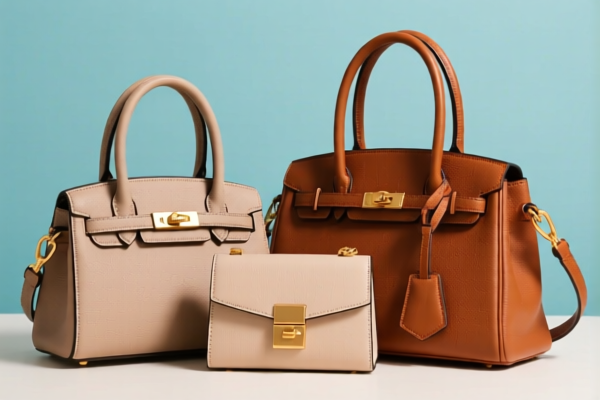
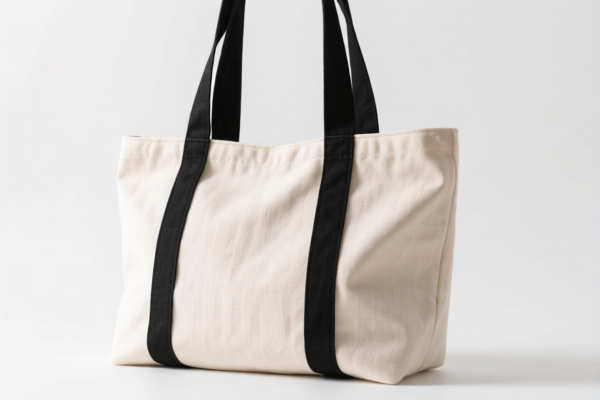
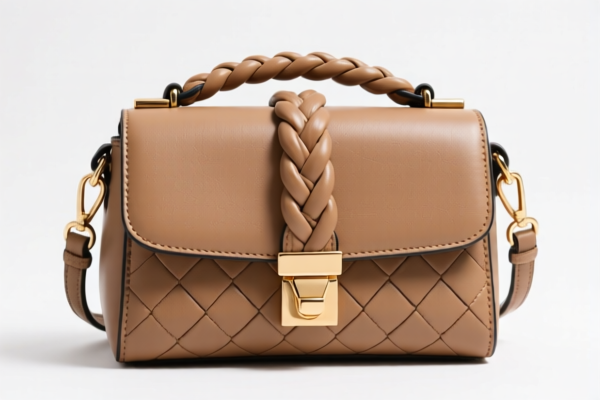
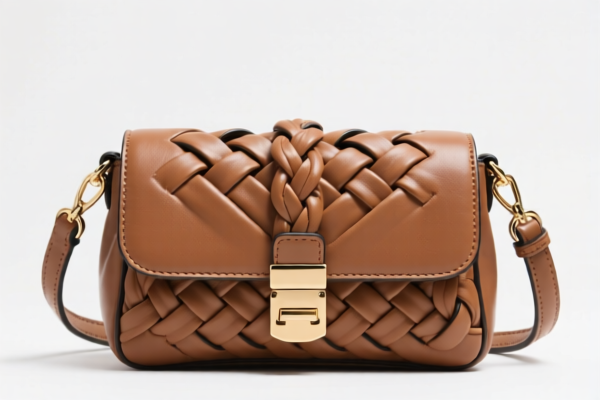
AI Analysis
👜 Women's Handbag (女式包/手提袋)
🌐 HS Code Reference & Customs Clearance Guide | 2026 Latest Tariff Analysis | Strategic通关 for Textile Bags
📌 I. Product Definition & Classification: What Exactly is a "Women's Handbag"?
A Women's Handbag is a portable container used to carry personal items, typically made from textile, leather, or composite materials. In international trade, its classification depends heavily on Form (shape), Material, and Intended Use.
For US Customs (CBP), the primary distinction lies in: * Handbags/Purses: Typically carried by hand or on the arm. * Backpacks: Worn on the back. * Material Composition: Textile vs. Leather vs. Other materials (plastic, rubber, etc.).
⚠️ Critical Distinction:
- Textile Material: If made of fabric, canvas, or synthetic fibers → Usually falls under 4202.22.89.80 or 4202.92.31.20.
- Woven Material: Specific woven structures (e.g., straw, rattan, bamboo) → Falls under 4202.22.40.20.
- Miscellaneous: Other shapes or materials not specified above → 4202.92.39.00.
📦 II. HS Code Breakdown (2026 Tariff Authority)
Based on your product description ("Women's Handbag") and the provided data, here is the authoritative mapping:
| HS Code | Product Description & Logic | Material Inference | Tax Rate |
|---|---|---|---|
| 4202.22.89.80 | Handbags (手提袋) Matches form & general use. "Women's bag" fits the "Other" category for textiles. |
Textile / Other non-specific material | 52.6% |
| 4202.92.31.20 | Backpacks (背包) Matches form & use (Travel/Sport). Inferred textile/synthetic fiber. |
Textile / Synthetic Fiber | 52.6% |
| 4202.92.39.00 | Travel/Sport Bags (旅行/运动包袋) Matches use case. Backpacks fall under this broad travel category. |
Textile | 52.6% |
| 4202.22.40.20 | Woven Handbags (编织手提包) Matches specific form (woven) and material. |
Woven Material (e.g., Straw, Rattan) | 42.4% |
| 4202.22.89.80 | General Women's Bags (女式包) Specific classification for "Other" textile bags. |
Textile | 52.6% |
🔍 Key Insight:
- Textile Bags (Most Common): 4 out of 5 codes result in a 52.6% total tax rate due to the combination of Base + Section 301 + 122 Clauses.
- Woven Bags (Niche): If your "Women's Handbag" is made of straw, rattan, or similar woven fibers, it qualifies for 42.4%, offering a 10.2% saving.
💰 III. 2026 US Tariff Rate Deep Dive (Detailed Breakdown)
✅ Applicable Market: United States (US)
✅ Origin: China (CN)
✅ Effective Date: Current & Projected (2026 context)
🎯 Scenario A: Standard Textile Handbags (HS Codes: 4202.22.89.80, 4202.92.31.20, 4202.92.39.00)
Applies to 90% of standard fabric canvas, nylon, or polyester bags.
| Tax Component | Rate | Legal Basis / Description |
|---|---|---|
| Base Duty (MFN) | 17.6% | Standard Most-Favored-Nation tariff for bags. |
| Section 301 ("301") | +25.0% | Additional tariff imposed under Section 301 of the Trade Act (China-specific). |
| Section 122 Clause | +10.0% | Additional "Section 122" tariff (specific China counter-measures). |
| 🚀 TOTAL DUTY | 52.6% | Sum of Base + 301 + 122 |
| De Minimis Exemption | ❌ NO | Goods over $800 are not exempt; bags are subject to full duty. |
| Calculation | CIF Value × 52.6% |
Duty is calculated on Cost + Insurance + Freight. |
📌 Explanation:
- The 17.6% is the baseline rate.
- The +25.0% is the aggressive "Section 301" surcharge targeting Chinese manufactured goods.
- The +10.0% (Section 122) is an additional layer specifically targeting Chinese textile/apparel categories.
- Total 52.6% makes this a high-cost category for US importers.
🎯 Scenario B: Woven Handbags (HS Code: 4202.22.40.20)
Applies only if the bag is explicitly made of woven plant fibers (straw, rattan, bamboo, esparto).
| Tax Component | Rate | Legal Basis / Description |
|---|---|---|
| Base Duty (MFN) | 7.4% | Lower base rate for woven materials compared to general textiles. |
| Section 301 ("301") | +25.0% | Section 301 surcharge still applies. |
| Section 122 Clause | +10.0% | Section 122 surcharge applies. |
| 🚀 TOTAL DUTY | 42.4% | Sum of Base + 301 + 122 |
| De Minimis Exemption | ❌ NO | Full duty applies. |
| Calculation | CIF Value × 42.4% |
Duty is calculated on Cost + Insurance + Freight. |
📌 Strategic Advantage:
If your design can be legally marketed as a "Woven Handbag" (using certified materials), you save 10.2% in total duties.
🛠️ IV. Customs Clearance Practical Advice (Real-World Strategy)
✅ 1. Documentation Checklist (Non-Negotiable)
| Document | Requirement | Why it Matters |
|---|---|---|
| Commercial Invoice | ✅ Must | Must clearly state "Women's Handbag" and Material Composition (e.g., "100% Nylon" vs. "Woven Straw"). |
| Bill of Lading (BOL) | ✅ Must | Must match HS Code and Country of Origin (CN). |
| Material Specification | ✅ Highly Recommended | Explicitly state if material is "Textile," "Synthetic," or "Woven Plant Fiber" to justify 42.4% vs 52.6%. |
| Product Photos | ✅ Recommended | Show shape (handbag vs. backpack) and texture (woven vs. fabric) to support classification. |
| Fiber Content Label | ✅ Required | US law requires fiber content labels; customs cross-checks this against HS Code material claims. |
✅ 2. Classification Strategy (The "Woven" Loophole)
🔥 Golden Rule: "If it's woven, declare it woven!"
| Scenario | Correct Action | Risk of Error |
|---|---|---|
| Standard Fabric Bag | Declare as 4202.22.89.80 (52.6%) | No error, high tax is expected. |
| Woven Straw/Rattan Bag | Declare as 4202.22.40.20 (42.4%) | Crucial: If you classify a woven bag as "Textile," you pay 10.2% more unnecessarily. |
| Backpack vs. Handbag | Ensure "Shape" matches Code (4202.22 for Handbags, 4202.92 for Backpacks) | Misclassification leads to penalties + back taxes. |
✅ 3. Special Handling for "Women's Bags"
- OEM/White Label: Even if private labeled, the classification depends on material and form, not brand.
- Mixed Materials: If a bag has leather parts + textile parts, the substantial character determines the code. If textile is primary → Textile codes. If leather is primary → Leather codes (different duty structure).
- "Other" Category: Codes ending in
.89or.39are "Residual" categories. Be prepared for Customs to audit these more closely as they are "catch-all" classifications.
🌍 V. Global Market Comparison (US vs. Others)
| Region | Recommended HS Code | Est. Duty (China Origin) | Key Risk |
|---|---|---|---|
| 🇺🇸 USA | 4202.22.89.80 / 4202.92.31.20 |
52.6% | High: 301 + 122 clauses create massive barrier. |
| 🇪🇺 EU | 4202.22.19 / 4202.92.20 |
~12% - 17% | Moderate: No Section 301/122, but strict rules of origin. |
| 🇨🇳 China | 4202.22.89.80 |
~10% | Low: Domestic production/imports are cheaper. |
| 🇯🇵 Japan | 4202.22.19 |
~10% | Moderate: Free Trade Agreement (RCEP/JEA) may reduce if origin is verified. |
📌 Conclusion:
The US market is the most expensive for textile handbags due to the 52.6% combined duty.
Actionable Tip: If importing to the US, maximize the "Woven" classification where possible to reduce costs by 10.2%.
📌 VI. Common Mistakes & Pitfalls (Learn from Errors)
❌ Mistake 1: Calling a "Woven Straw Bag" a "Textile Handbag"
👉 Result: You pay 52.6% instead of 42.4%. Overpayment = 10.2%.
👉 Fix: Use specific terminology like "Straw," "Rattan," or "Woven Plant Fiber" in the invoice and packing list.
❌ Mistake 2: Confusing "Handbag" with "Backpack"
👉 Result: If you ship a backpack but declare it as a handbag (4202.22), Customs may reject the entry or reclassify it to 4202.92 with the same high tax.
👉 Fix: Ensure the Shape matches the code (Handbag = 4202.22, Backpack = 4202.92).
❌ Mistake 3: Ignoring the "122 Clause"
👉 Result: Budgeting only for 17.6% + 25% = 42.6%, forgetting the 10%.
👉 Fix: Always budget for the Total 52.6% for standard textile bags to avoid cash flow issues.
✅ Best Practice:
"Declare Material First, Form Second. If Woven, Claim Woven. If Textile, Expect 52.6%."
🎯 VII. Final Verdict: Strategic Outlook for 2026
🎯 Summary for "Women's Handbag" Importers to the US:
1. Standard Bags: Prepare for a 52.6% duty burden. This is non-negotiable for 100% textile/nylon bags.
2. Woven Bags: If you can source or design woven plant-fiber bags, you can legally reduce duties to 42.4%.
3. Packaging: Do not split the bag from its strap/lining if they are integral; declare as one unit to avoid "Accessories" reclassification (which can have different duties).
4. Proactive Ruling: Consider filing a Binding Ruling with US CBP if the material is ambiguous (e.g., "Synthetic Woven") to lock in the 42.4% rate.
🚀 Call to Action:
Audit your current supply chain: Can we introduce a "Woven" line?
Adjust pricing models: Factor in 52.6% (or 42.4%) immediately for US market calculations.
Verify Documentation: Ensure invoices explicitly state "Woven Material" if applicable to unlock tax savings.
✨ Precision Classification = Profit Protection
💼 Don't let a 10.2% misunderstanding erode your margins!
Customer Reviews
About HS Code Classification
The Harmonized System (HS) is an internationally standardized nomenclature developed by the World Customs Organization (WCO) to classify traded products. Over 200 countries use the HS system as the basis for customs tariffs, trade statistics, and import/export regulations.
Each HS code follows a hierarchical structure:
- Chapter (2 digits) — Broad category of goods (e.g., Chapter 84: Machinery and Mechanical Appliances)
- Heading (4 digits) — More specific grouping within the chapter
- Subheading (6 digits) — Internationally standardized breakdown, used by all WCO member countries
- National subdivisions (8-10 digits) — Country-specific extensions for further classification, such as US HTSUS 10-digit codes
Correct HS code classification is essential for smooth customs clearance, accurate duty payment, and compliance with trade regulations. Misclassification can lead to customs delays, overpayment of duties, or penalties.
When importing from CN to US, the applicable tariff rates may include:
- Most-Favored-Nation (MFN) rate — The standard duty rate applied to WTO members
- General rate — Applied to countries without trade agreements
- Trade remedy duties — Additional tariffs such as Section 301 (anti-dumping), Section 232 (national security), or countervailing duties
The information provided on this page is for reference purposes only. For official classification, please consult with your local customs authority or a licensed customs broker.