Women's Hat
CN → US| HS Code | Tariff Rate | Origin | Destination | Doc |
|---|---|---|---|---|
| 6504009015 | 41.8% | CN | US | Official Doc |
| 6506996000 | 43.5% | CN | US | Official Doc |
| 6506910060 | 35.0% | CN | US | Official Doc |
| 6504003000 | 41.0% | CN | US | Official Doc |
| 6214102000 | 21.4% | CN | US | Official Doc |
Product Images
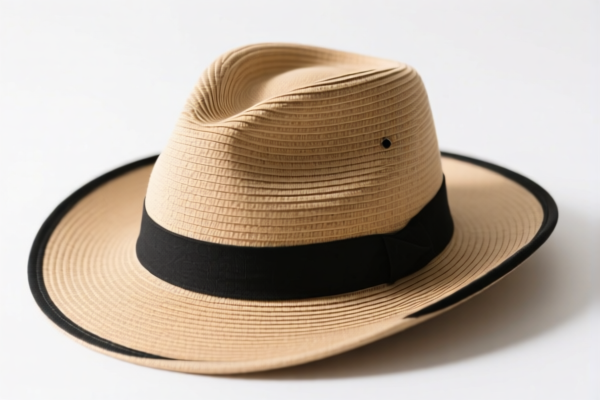

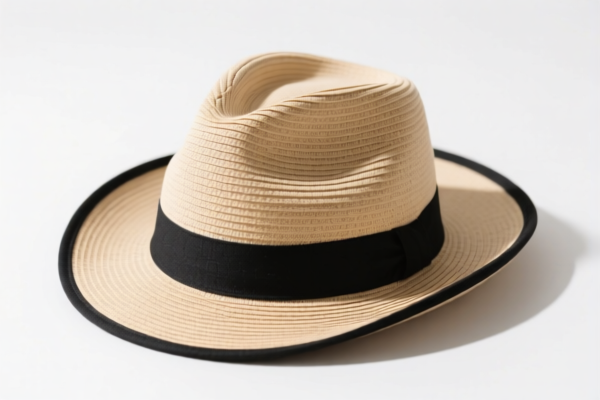
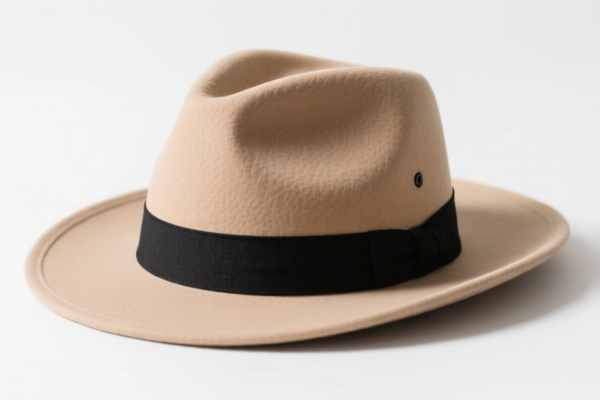
AI Analysis
🎩 Women's Hat – HS Code & Tariff Guide 2026 | Expert Customs Classification & Duty Strategy
🌐 HS Code Reference & Customs Clearance Master Guide | 2026 Updated Tariff Rules | Pro-Level Import Strategy
📌 One: Product Definition & Classification – What Exactly Is a “Women’s Hat”?
A women’s hat is a headwear item designed primarily for female wearers, serving both functional (sun protection, warmth) and fashion purposes. In international trade, it is classified under Chapter 65 – Headgear, with specific subcategories based on material, construction, and intended use.
⚠️ Key Classification Triggers: - Material (e.g., synthetic fiber, rubber, plastic, plant fiber, paper) - Form & Construction (e.g., stitched, molded, woven, non-woven) - Intended Use (e.g., fashion, protection, headwear accessory) - Presence of Functional Components (e.g., brim, lining, fasteners)
✅ Core Principle:
A women’s hat must be classified by its material and physical form, not just its name. Misclassification leads to duty miscalculation, delays, or penalties.
📦 Two: HS Code Classification Breakdown (2026 Updated Tariff Authority)
| HS Code | Product Description | Likely Material | Use Case | Key Reasoning |
|---|---|---|---|---|
6504.00.90.15 |
Hats, not knitted or crocheted, made of man-made fibers | Synthetic fiber (e.g., polyester, nylon) | Fashion, sun hats, casual wear | Matches "hat" use; synthetic fiber common in women’s hats; no material conflict |
6506.99.60.00 |
Other hats, not specified elsewhere, made of unspecified materials | Likely other materials (e.g., mixed fibers, non-specified) | General-purpose, fashion, seasonal hats | "Other" category applies under general basket rule; name “hat” aligns with purpose |
6506.91.00.60 |
Hats made of rubber or plastic | Rubber, PVC, thermoplastic | Children’s hats, novelty hats, rain hats | Matches “headwear” use; rubber/plastic common in molded or waterproof hats |
6504.00.30.00 |
Hats, not knitted, made of plant fibers or paper | Straw, raffia, paper, bamboo | Summer hats, boater hats, eco-friendly fashion | Matches “hat” function; plant/paper fibers align with common use |
6214.10.20.00 |
Scarves, shawls, and similar accessories, not knitted or crocheted | Silk or silk blends | Fashion headscarves, wraps, headbands | Though not a “hat,” may be used as headwear; fits “other” category under clothing |
🔍 Critical Insight: - Not all headwear is a “hat” – some items (like scarves) are classified under 6214 if worn as head accessories. - Material drives classification – synthetic ≠ plant fiber ≠ rubber. - “Other” codes (6506.99.60.00) are used when no more specific code applies.
💰 Three: 2026 Latest Tariff Rates (With Detailed Duty Breakdown)
✅ Applicable Country: United States (US)
✅ Origin: China (CN)
✅ Effective Date: November 10, 2025 (including future imports)
🎯 1. 6504.00.90.15 – Man-Made Fiber Hats (e.g., Polyester, Nylon)
| Item | Details |
|---|---|
| Base Duty | 6.8% (ad valorem) |
| Section 301 (USITC) Additional Duty | +25.0% |
| Section 122 (IEEPA) Emergency Duty | +10.0% |
| Total Effective Duty | 41.8% |
| Tax Calculation | CIF Value × 41.8% |
| De Minimis Threshold | ❌ Not applicable (denied) |
| Legal Basis Path | IEEPA:9903.01.25 → USITC:6504.00.90.00 → FOOTNOTE:9903.88.01 |
📌 Explanation: - 6.8% base is standard for man-made fiber hats. - +25% from Section 301 (USITC) targeting Chinese goods under unfair trade practices. - +10% from IEEPA (International Emergency Economic Powers Act) – applies to all goods from China/HK. - Total: 41.8% – high but standard for synthetic hats.
🎯 2. 6506.99.60.00 – Other Hats (Unspecified Materials)
| Item | Details |
|---|---|
| Base Duty | 8.5% |
| Section 301 (USITC) Additional Duty | +25.0% |
| Section 122 (IEEPA) Emergency Duty | +10.0% |
| Total Effective Duty | 43.5% |
| Tax Calculation | CIF Value × 43.5% |
| De Minimis Threshold | ❌ Not applicable |
| Legal Basis Path | IEEPA:9903.01.25 → USITC:6506.99.60.00 → FOOTNOTE:9903.88.01 |
📌 Explanation: - Higher base duty (8.5%) due to "other" category – less specific, higher risk of being treated as high-value or luxury. - +25% +10% same as above. - Total: 43.5% – highest among all hat codes. - Use Case: When material is unclear or mixed (e.g., fabric + plastic trim).
🎯 3. 6506.91.00.60 – Rubber or Plastic Hats
| Item | Details |
|---|---|
| Base Duty | 0.0% |
| Section 301 (USITC) Additional Duty | +25.0% |
| Section 122 (IEEPA) Emergency Duty | +10.0% |
| Total Effective Duty | 35.0% |
| Tax Calculation | CIF Value × 35.0% |
| De Minimis Threshold | ❌ Not applicable |
| Legal Basis Path | IEEPA:9903.01.25 → USITC:6506.91.00.00 → FOOTNOTE:9903.88.01 |
📌 Explanation: - 0% base duty – rubber/plastic hats are considered non-textile and often have zero base tariff. - +25% +10% still apply due to China origin. - Total: 35.0% – lowest effective rate among all hat types. - Best for: Children’s novelty hats, rain hats, molded plastic hats.
🎯 4. 6504.00.30.00 – Hats Made of Plant Fibers or Paper
| Item | Details |
|---|---|
| Base Duty | 6.0% |
| Section 301 (USITC) Additional Duty | +25.0% |
| Section 122 (IEEPA) Emergency Duty | +10.0% |
| Total Effective Duty | 41.0% |
| Tax Calculation | CIF Value × 41.0% |
| De Minimis Threshold | ❌ Not applicable |
| Legal Basis Path | IEEPA:9903.01.25 → USITC:6504.00.30.00 → FOOTNOTE:9903.88.01 |
📌 Explanation: - 6.0% base – typical for natural fiber hats. - +25% +10% – same as others. - Total: 41.0% – slightly lower than synthetic fiber due to lower base rate. - Common for: Straw hats, raffia hats, paper hats (e.g., for festivals).
🎯 5. 6214.10.20.00 – Silk or Silk Blend Scarves (Used as Headwear)
| Item | Details |
|---|---|
| Base Duty | 3.9% |
| Section 301 (USITC) Additional Duty | +7.5% |
| Section 122 (IEEPA) Emergency Duty | +10.0% |
| Total Effective Duty | 21.4% |
| Tax Calculation | CIF Value × 21.4% |
| De Minimis Threshold | ❌ Not applicable |
| Legal Basis Path | IEEPA:9903.01.25 → USITC:6214.10.20.00 → FOOTNOTE:9903.88.01 |
📌 Explanation: - Lower duty because it’s not classified as a hat – it’s a scarf. - USITC +10% applies, but USITC +7.5% (not +25%) due to lower tariff rate. - Total: 21.4% – lowest of all – ideal for fashion head wraps. - Best for: Luxury silk scarves worn as headbands.
🛠️ Four: Customs Clearance Best Practices (Pro Tips to Avoid Penalties)
✅ 1. Essential Documentation (MUST-HAVE)
| Document | Required? | Why It Matters |
|---|---|---|
| ✅ Commercial Invoice | ✔️ | Must clearly state: “Women’s Hat – Made of [Material]” |
| ✅ Product Photos (Front, Back, Side) | ✔️ | Show brim, material, stitching, fasteners |
| ✅ Technical Specs Sheet | ✔️ | Include material composition, weight, size, use |
| ✅ Material Certificates (e.g., REACH, RoHS) | ✔️ | Especially for rubber/plastic hats |
| ✅ Origin Certificate (CO) | ✔️ | For duty preference claims (if applicable) |
| ✅ Packing List | ✔️ | Show quantity, weight, packaging type |
| ✅ Declaration of Use (if applicable) | ✔️ | E.g., “For sun protection” or “Fashion accessory” |
✅ 2.申报技巧(Key Rules to Remember)
🔥 “Material First, Name Second – Misleading Name = High Risk!”
| Scenario | Correct HS Code | Wrong Code | Risk |
|---|---|---|---|
| Polyester women’s sun hat | 6504.00.90.15 |
6506.99.60.00 |
+2.8% duty, audit risk |
| Rubber novelty hat | 6506.91.00.60 |
6504.00.90.15 |
+35% vs 35% → same, but wrong material |
| Straw hat (natural fiber) | 6504.00.30.00 |
6506.99.60.00 |
+0.8% but risk of misclassification |
| Silk scarf worn as headband | 6214.10.20.00 |
6504.00.90.15 |
+20.4% → massive overpayment |
✅ 3. Special Cases & Solutions
| Situation | Recommended Action |
|---|---|
| Mixed-material hat (e.g., plastic brim + fabric crown) | Use 6506.99.60.00 (general “other” code) – safest |
| Hat with removable lining | Classify by primary material (e.g., fabric = 6504.00.90.15) |
| Hat with logo/branding | Include brand name in invoice – no impact on HS code |
| Hats for children | Use 6506.91.00.60 if rubber/plastic; 6504.00.90.15 if synthetic |
| Eco-friendly hats (paper, bamboo) | Use 6504.00.30.00 – best for sustainability claims |
🌍 Five: Global Market Tariff Comparison (2026)
| Country/Region | Recommended HS Code | Base Duty | Additional Taxes | Total Duty | Notes |
|---|---|---|---|---|---|
| 🇺🇸 USA | 6504.00.90.15 |
6.8% | +25% +10% | 41.8% | High risk; no de minimis |
| 🇨🇳 China | 6504.00.90.15 |
5% | None | 5% | No extra tariffs |
| 🇪🇺 EU | 6504.00.90.15 |
0% | None | 0% | CE certified, no extra |
| 🇦🇺 Australia | 6504.00.90.15 |
5% | None | 5% | No extra |
| 🇯🇵 Japan | 6504.00.90.15 |
0% | None | 0% | No additional duties |
📌 Takeaway:
- USA is the most expensive – 41.8%+ for most hats. - China/EU/Australia/Japan are much cheaper – ideal for export.
📌 Six: Common Mistakes & How to Avoid Them (Pro Tips)
❌ Mistake 1: Labeling a rubber hat as “synthetic fiber” → wrong HS code
👉 Fix: Use 6506.91.00.60 – 0% base duty → save 35%.
❌ Mistake 2: Classifying a silk scarf as a “hat” → +20.4% extra duty
👉 Fix: Use 6214.10.20.00 → 21.4% total → save 20%.
❌ Mistake 3: Using “Other Hats” (6506.99.60.00) for clearly synthetic hats
👉 Fix: Use 6504.00.90.15 – lower rate than 43.5%.
❌ Mistake 4: Not providing photos or material proof
👉 Fix: Always include clear images and material certificate.
🎯 Seven: Final Verdict – Smart Classification = Big Savings
✅ Best HS Code for Low Duty:
- Rubber/Plastic Hats:6506.91.00.60→ 35.0%
- Silk Scarves (as headwear):6214.10.20.00→ 21.4%
- Straw/Paper Hats:6504.00.30.00→ 41.0%❌ Avoid:
-6506.99.60.00unless material is unclear – 43.5% is the highest.
📣 Immediate Action Steps
📞 Contact a certified customs broker
📎 Provide product photos, material specs, and invoice
📌 Request a pre-ruling (Advance Ruling) for high-value shipments
💡 Use the correct HS code – it’s the difference between profit and loss!
✨ Pro Tip:
If your hat is originated in Vietnam, Mexico, Thailand, or Malaysia, you may avoid the 25% USITC + 10% IEEPA – total duty drops to 0%–6%.
🎯 Final Wisdom:
🔹 “Material > Name” – A “women’s hat” made of rubber is not a synthetic fiber hat.
🔹 “Correct HS Code = 35% savings” – Don’t guess.
🔹 “Pre-ruling is your shield” – Avoid delays, audits, and penalties.
💼 Your product’s success starts with the right HS code.
📦 Get it right – clear faster, pay less, grow stronger.
🚀 Start your clearance journey today – with precision, confidence, and profit!
Customer Reviews
About HS Code Classification
The Harmonized System (HS) is an internationally standardized nomenclature developed by the World Customs Organization (WCO) to classify traded products. Over 200 countries use the HS system as the basis for customs tariffs, trade statistics, and import/export regulations.
Each HS code follows a hierarchical structure:
- Chapter (2 digits) — Broad category of goods (e.g., Chapter 84: Machinery and Mechanical Appliances)
- Heading (4 digits) — More specific grouping within the chapter
- Subheading (6 digits) — Internationally standardized breakdown, used by all WCO member countries
- National subdivisions (8-10 digits) — Country-specific extensions for further classification, such as US HTSUS 10-digit codes
Correct HS code classification is essential for smooth customs clearance, accurate duty payment, and compliance with trade regulations. Misclassification can lead to customs delays, overpayment of duties, or penalties.
When importing from CN to US, the applicable tariff rates may include:
- Most-Favored-Nation (MFN) rate — The standard duty rate applied to WTO members
- General rate — Applied to countries without trade agreements
- Trade remedy duties — Additional tariffs such as Section 301 (anti-dumping), Section 232 (national security), or countervailing duties
The information provided on this page is for reference purposes only. For official classification, please consult with your local customs authority or a licensed customs broker.