Women's Hat Scarf Gloves Set
CN → US| HS Code | Tariff Rate | Origin | Destination | Doc |
|---|---|---|---|---|
| 6506996000 | 43.5% | CN | US | Official Doc |
| 6214102000 | 21.4% | CN | US | Official Doc |
| 6506910060 | 35.0% | CN | US | Official Doc |
| 6117102030 | 21.3% | CN | US | Official Doc |
| 6214102000 | 21.4% | CN | US | Official Doc |
Product Images
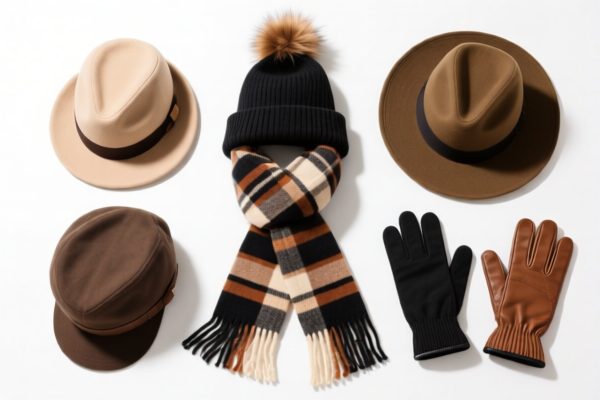
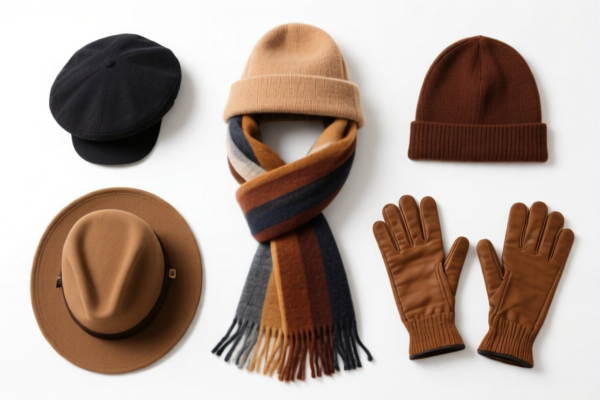
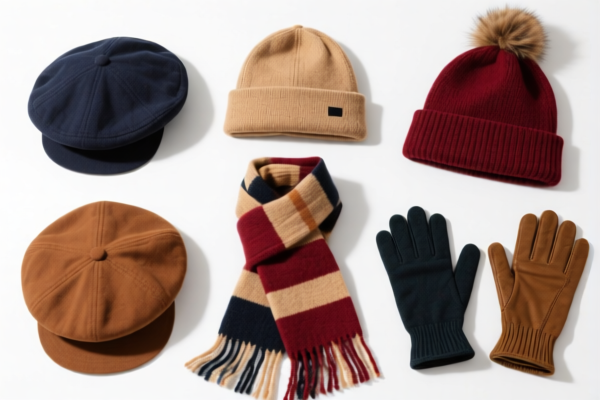
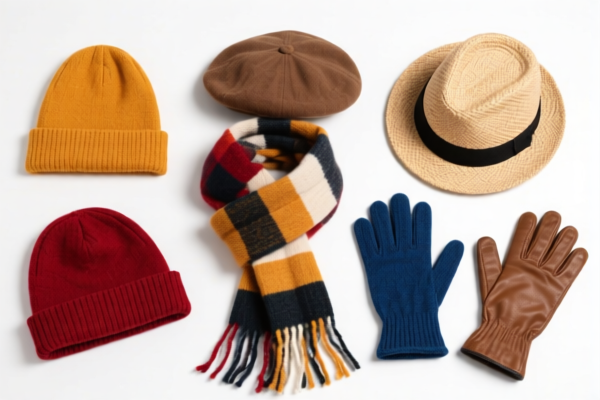
AI Analysis
🧣 Women's Hat, Scarf & Gloves Set (Winter Accessories)
🌐 HS Code Reference & Customs Clearance Guide | 2026 Latest Tariff Analysis | Professional Clearance Strategy
📌 I. Product Definition & Classification: What is a "Set"?
A "Women's Hat, Scarf & Gloves Set" is a packaged ensemble of winter accessories designed for fashion and warmth. In international trade, these items are often sold together but classified individually based on their specific material composition and physical characteristics. They do not have a single unified HS Code for the entire "set." Instead, each component (Hat, Scarf, Gloves) must be classified separately.
⚠️ Key Distinction:
- If the items are knitted vs. woven vs. made of specific materials (silk, wool, synthetic fibers), the HS Code changes drastically. - Gloves are not included in the current DATA provided, so we will focus on the Hat and Scarf components as per the available data. - Note: The DATA provided contains specific HS Codes with tax details. We must map the components to these codes.
📦 II. HS Code Classification Details (Based on Provided DATA)
| Component | HS Code | Summary Description | Material Inference | Total Tax Rate |
|---|---|---|---|---|
| Hat | 6506.99.60.00 |
"Other hats" category. Matches headwear usage. | Fabric or Fibers | 43.5% |
| Scarf | 6214.10.20.00 |
Matches scarf form and category. | Silk or Silk-blend | 21.4% |
| Hat (Alternative) | 6506.91.00.60 |
Headwear with rubber/plastic decorative elements. | Fabric + Rubber/Plastic Decor | 35.0% |
| Scarf/Glove Accessory | 6117.10.20.30 |
Clothing accessories (scarves, etc.). Non-wool synthetic fibers. | Synthetic (Non-Wool) | 21.3% |
🔍 Critical Note:
- Gloves are typically classified under 6116 (Knitted/Crocheted) or 6216 (Not Knitted). The provided data does not include a specific HS Code for gloves. If gloves are part of the set, they must be declared separately (likely under6116.93or similar, depending on material), which is not covered in the<DATA>tax details provided.
- Set Rules: If declared as a "Set," customs may require classification of the essential component. However, it is strongly recommended to declare items separately to avoid ambiguity and potential misclassification penalties.
💰 III. 2026 Tariff Rate Breakdown (Detailed Tax Analysis)
✅ Applicable Country: United States (US)
✅ Origin: China (CN)
✅ Effective Date: Post-November 2025 (Includes Additional Duties)
🎯 1. Hat: 6506.99.60.00 — "Other Hats"
| Item | Details |
|---|---|
| Base Tariff | 8.5% |
| Section 301 Tariff | 25.0% |
| Section 122 Tariff | 10.0% |
| Total Tariff | 43.5% |
| Calculation | CIF Value × 43.5% |
| De Minimis Exemption | ❌ Not Eligible (High tariff rates typically exclude small packages from $800 de minimis benefits if misclassified, but structurally, high-duty goods are scrutinized). |
| Legal Basis | HTSUS:6506.99.60.00 + Section 301 + Section 122 |
📌 Explanation:
- This code covers hats not specified elsewhere (e.g., not felt, not knit).
- High Risk: The 43.5% total tax is very high. Any misclassification (e.g., claiming it's a "knit hat" under Chapter 61) could lead to disputes.
- Material Check: Ensure the hat is woven fabric (not knitted). If knitted, it might fall under Chapter 61 (6505is not applicable; Knitted hats are often6505or6117depending on design).
🎯 2. Scarf: 6214.10.20.00 — Silk Scarves
| Item | Details |
|---|---|
| Base Tariff | 3.9% |
| Section 301 Tariff | 7.5% |
| Section 122 Tariff | 10.0% |
| Total Tariff | 21.4% |
| Calculation | CIF Value × 21.4% |
| De Minimis Exemption | ❌ Not Eligible (Again, high duty scrutiny). |
| Legal Basis | HTSUS:6214.10.20.00 + Section 301 + Section 122 |
📌 Explanation:
- This code is specific to Silk Scarves.
- Material Check: If the scarf is Cotton, Wool, or Synthetic, this code is incorrect.
- Cotton Scarf:6214.20(Different tax rate).
- Wool Scarf:6214.30(Different tax rate).
- Synthetic Scarf:6214.90or6117.10(Different tax rate).
- Misclassification Risk: Declaring a synthetic scarf as Silk (6214.10) when it is not will result in penalties.
🎯 3. Scarf/Accessory: 6117.10.20.30 — Other Made-up Accessories
| Item | Details |
|---|---|
| Base Tariff | 11.3% |
| Section 301 Tariff | 0.0% |
| Section 122 Tariff | 10.0% |
| Total Tariff | 21.3% |
| Calculation | CIF Value × 21.3% |
| De Minimis Exemption | ❌ Not Eligible |
| Legal Basis | HTSUS:6117.10.20.30 + Section 122 |
📌 Explanation:
- This code is for Knitted or Crocheted made-up accessories (scarves, shawls) other than wool.
- Material Check: This is likely for Acrylic, Polyester, or Cotton (if not wool) knitted accessories.
- Key Difference: Note that Section 301 Tariff is 0% here, unlike the Silk scarf. This makes it a cheaper option if the product is synthetic knit.
🎯 4. Hat: 6506.91.00.60 — Hats with Rubber/Plastic Parts
| Item | Details |
|---|---|
| Base Tariff | 0.0% |
| Section 301 Tariff | 25.0% |
| Section 122 Tariff | 10.0% |
| Total Tariff | 35.0% |
| Calculation | CIF Value × 35.0% |
| De Minimis Exemption | ❌ Not Eligible |
| Legal Basis | HTSUS:6506.91.00.60 + Section 301 + Section 122 |
📌 Explanation:
- This code is for hats not felt, with rubber/plastic components (e.g., buckles, visors).
- Cheaper than6506.99.60.00because Base Tariff is 0%, but Section 301 still applies at 25%.
🛠️ IV. Customs Clearance Practical Advice
✅ 1. Required Documentation
| Document | Required? | Notes |
|---|---|---|
| Commercial Invoice | ✅ Yes | Must list each item separately (Hat, Scarf, Gloves). Do not just write "Set" without breakdown. |
| Packing List | ✅ Yes | Detail quantities per item. |
| Material Composition Statement | ✅ Yes | Crucial! Specify: "Hat: 100% Polyester Woven", "Scarf: 100% Silk", "Gloves: 100% Acrylic Knit". |
| Product Photos | ✅ Yes | Show labels, care tags, and material details. |
| Origin Certificate | ✅ Yes | To prove Chinese origin (for tariff calculation). |
✅ 2. Critical Classification Tips
🔥 "Separate Declaration, Precise Material!"
| Scenario | Recommended Action |
|---|---|
| Hat is Woven Fabric | Use 6506.99.60.00 (43.5%) or 6506.91.00.60 (35.0%) if it has rubber/plastic. Check carefully! |
| Scarf is Silk | Use 6214.10.20.00 (21.4%). Only if 100% Silk or Silk-blend per definition. |
| Scarf is Synthetic (Knit) | Use 6117.10.20.30 (21.3%). Lower tax than Silk, but must be Knitted/Crocheted. |
| Scarf is Synthetic (Woven) | Not in DATA. Likely 6214.90. Requires separate research. Do not force into 6214.10 or 6117.10. |
| Gloves | Not in DATA. Typically 6116.93 (Synthetic, Knit) or 6216.00 (Woven). Must declare separately. Tax not provided in DATA. |
✅ 3. Avoid These Mistakes
❌ Mistake 1: Declaring the entire "Set" under one HS Code.
👉 Consequence: Customs will reject it or assign the highest duty rate among components, leading to delays.
❌ Mistake 2: Declaring a Cotton Scarf as 6214.10.20.00 (Silk).
👉 Consequence: False declaration. Heavy fines and potential blacklisting.
❌ Mistake 3: Ignoring Section 122 Tariff (10%).
👉 Consequence: Underpayment of duties. This tariff applies to most textiles/apparel from China.
❌ Mistake 4: Assuming Gloves are included in the DATA.
👉 Consequence: Gloves have their own HS Code (Chapter 61 or 62). You must find the correct code for gloves separately. Do not use Hat/Scarf codes for Gloves.
🌍 V. Global Comparison (2026)
| Country | Recommended HS (Hat) | Tariff (China) | Notes |
|---|---|---|---|
| 🇺🇸 USA | 6506.99.60.00 |
43.5% | High duties due to Sec 301 & 122. |
| 🇪🇺 EU | 6505.90 |
~8-12% | Lower duties, but strict labeling. |
| 🇨🇳 China | 6505.90 |
8-10% | Standard import duty. |
📌 Conclusion:
- USA is the most expensive market for these items due to Section 301 (25%) and Section 122 (10%) tariffs.
- Accurate Material Declaration is critical to avoid using the wrong HS Code and paying incorrect duties.
- Gloves are a separate category and not covered in the provided tax data. You must determine their HS Code (likely6116or6216) and check their specific tariff rates separately.
📌 VI. Final Recommendation
- Separate the Items: Declare Hat, Scarf, and Gloves as separate line items on the commercial invoice.
- Verify Materials:
- If Hat is Woven: Use
6506.99.60.00(43.5%) or6506.91.00.60(35%). - If Scarf is Silk: Use
6214.10.20.00(21.4%). - If Scarf is Knitted Synthetic: Use
6117.10.20.30(21.3%). - If Scarf is Woven Synthetic: Not in DATA. Requires new HS Code search (e.g.,
6214.90).
- If Hat is Woven: Use
- Gloves: Not in DATA. Find the correct HS Code for gloves (e.g.,
6116.93.40for knit synthetic) and calculate their tax separately. - Total Cost Calculation: Sum the duties for each item:
(Hat Value × 43.5%) + (Scarf Value × 21.4%) + (Gloves Value × [Unknown Tax]).
🎯 Pro Tip:
If the scarf is not Silk and not Knitted (e.g., Woven Acrylic), DO NOT use6214.10or6117.10. Use the correct woven synthetic scarf code (e.g.,6214.90) and check its tariff. Misclassification is the #1 cause of customs delays.
✨ Precise Classification Saves Money!
💼 Every percentage point of tariff matters. Get it right from the start!
Customer Reviews
About HS Code Classification
The Harmonized System (HS) is an internationally standardized nomenclature developed by the World Customs Organization (WCO) to classify traded products. Over 200 countries use the HS system as the basis for customs tariffs, trade statistics, and import/export regulations.
Each HS code follows a hierarchical structure:
- Chapter (2 digits) — Broad category of goods (e.g., Chapter 84: Machinery and Mechanical Appliances)
- Heading (4 digits) — More specific grouping within the chapter
- Subheading (6 digits) — Internationally standardized breakdown, used by all WCO member countries
- National subdivisions (8-10 digits) — Country-specific extensions for further classification, such as US HTSUS 10-digit codes
Correct HS code classification is essential for smooth customs clearance, accurate duty payment, and compliance with trade regulations. Misclassification can lead to customs delays, overpayment of duties, or penalties.
When importing from CN to US, the applicable tariff rates may include:
- Most-Favored-Nation (MFN) rate — The standard duty rate applied to WTO members
- General rate — Applied to countries without trade agreements
- Trade remedy duties — Additional tariffs such as Section 301 (anti-dumping), Section 232 (national security), or countervailing duties
The information provided on this page is for reference purposes only. For official classification, please consult with your local customs authority or a licensed customs broker.