Women's Headscarf
CN → US| HS Code | Tariff Rate | Origin | Destination | Doc |
|---|---|---|---|---|
| 6214900010 | 28.8% | CN | US | Official Doc |
| 6214900090 | 28.8% | CN | US | Official Doc |
| 6505008090 | 0.0% | CN | US | Official Doc |
| 6505002590 | 42.5% | CN | US | Official Doc |
| 6505001540 | 42.9% | CN | US | Official Doc |
Product Images

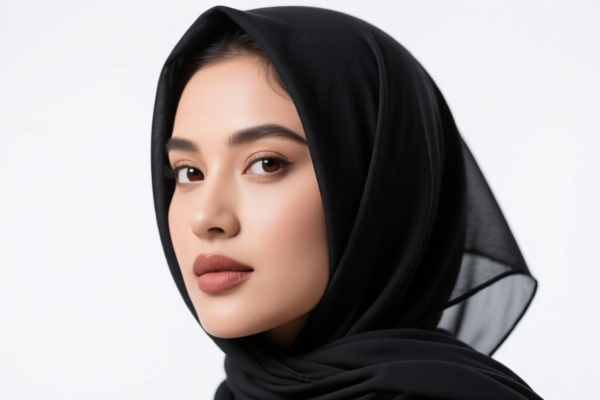
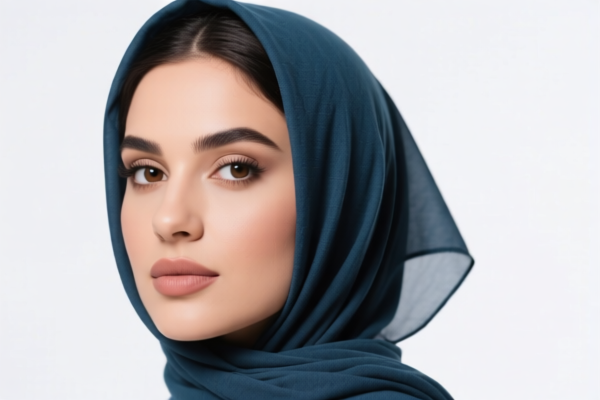
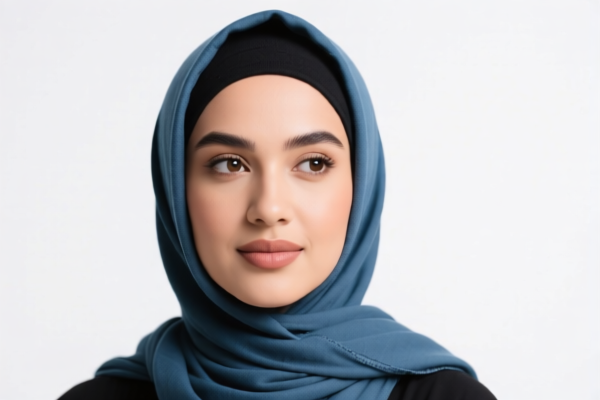
AI Analysis
🧣 Women's Headscarf (Scarf, Shawl, and Headwear Classifications)
🌐 HS Code Reference & Customs Clearance Guide | 2026 Latest Tariff Analysis | Strategic Compliance Strategy
📌 I. Product Definition & Classification: What Exactly Is a "Headscarf"?
A Women's Headscarf is a versatile textile accessory used for fashion, religious observance, or protection. In international trade, its classification is critical because it straddles two distinct chapters: Chapter 62 (Articles of Apparel and Clothing Accessories, Not Knitted/Crocheted) and Chapter 65 (Headgear). The determining factors are:
- Form & Structure: Is it a loose piece of fabric (shawl/scarf) or a structured item (hat/headband)?
- Material: What is it made of (Cotton, Silk, Synthetic Fibers, etc.)?
- Usage: Is it primarily worn as a "neck/shoulder" covering or as a "head" covering (hat-like)?
⚠️ Key Distinction Point:
- If the item is a loose fabric (e.g., square scarf, rectangular shawl, veils) intended to be wrapped around the head/neck → It typically falls under Chapter 62 (Apparel/Accessories).
- If the item is a structured headpiece (e.g., fitted headband, turban, cap, or specific "headgear" not elsewhere specified) → It typically falls under Chapter 65 (Headgear).
📦 II. HS Code Classification Details (2026 Latest Tariff Authority Comparison)
Based on the provided data, here are the specific HS Codes and their logical reasoning:
| HS Code | Product Description | Classification Logic (Summary) | Primary Material/Type Inference |
|---|---|---|---|
6214.90.00.10 |
Shawls, Scarves, Veils | Matches form (scarf/shawl type); Inferred as textile material. | General Textile (Non-specific fiber) |
6214.90.00.90 |
Shawls, Scarves, Veils | Matches form (shawl/veil type); Inferred as non-cotton or other textile material. | Non-Cotton Textile |
6505.00.80.90 |
Other Headgear | Matches usage (headwear) & form (non-stripped headwear); Inferred as textile or man-made fiber. | Textile/Man-made Fiber Headwear |
6505.00.25.90 |
Cotton Headgear | Inferred made of cotton/linen fibers; Usage matches "Hats & Headgear" category. | Cotton/Linen Headwear |
6505.00.15.40 |
Headbands/Hats | Matches form (headband type) & usage (hat/headband); Inferred made of cotton/linen textiles. | Cotton/Linen Headbands |
🔍 Critical Reminder:
- "Headscarf" vs. "Headgear": A simple square scarf tied around the head is usually 6214. A pre-shaped, fitted turban or headband that holds its shape without tying is often 6505. - Material Matters: The duty rate varies significantly between Chapter 62 and Chapter 65 based on fiber content.
💰 III. 2026 Latest Tariff Rate Breakdown (Including Additional Taxes)
✅ Applicable Country: United States (US)
✅ Origin: China (CN)
✅ Effective Time: Post-2025 import cycles (Current 2026 rates apply)
🎯 1. Chapter 62: Shawls, Scarves, and Veils (6214.90)
These items are classified as apparel accessories, not headgear.
| Project | Content |
|---|---|
| Base Tariff | 11.3% (Ad Valorem) |
| Additional Tariff (Section 301) | +7.5% |
| 122 Clause Tariff | +10% |
| Total Effective Rate | 28.8% |
| Tax Calculation | CIF Value × 28.8% |
| De Minimis Exemption | ❌ Not Eligible (High tariff threshold exceeds $800 exemption limits for many categories) |
| Legal Path | USITC:6214.90.00.xx → Section 301 → 122 Clause |
📌 Explanation:
- Whether made of silk, synthetic, or mixed fibers (under6214.90.00.10or.90), the total tariff burden is 28.8%. - This category is generally more favorable than certain Headgear categories because it avoids the specific "Headgear" surcharges and uses a slightly different base rate structure combined with the 122 clause.
🎯 2. Chapter 65: Headgear (6505)
These items are classified as headwear. The rates vary significantly by fiber content.
A. Non-Specific/Cotton-Mixed Headwear (6505.00.80.90)
| Project | Content |
|---|---|
| Base Tariff | 18.7¢/kg + 6.8% (Mixed calculation) |
| Additional Tariff (Section 301) | +25.0% |
| 122 Clause Tariff | +10% |
| Total Effective Rate | ~6.8% + 35.0% Additional (Complex calculation) |
| Legal Path | USITC:6505.00.80.90 → Section 301 → 122 Clause |
📌 Note: This code often applies to headwear that doesn't fit neatly into cotton-only or silk-only buckets. The mixed rate makes exact prediction harder, but the 35% additional duty is a heavy burden.
B. Cotton/Linen Headwear (6505.00.25.90)
| Project | Content |
|---|---|
| Base Tariff | 7.5% |
| Additional Tariff (Section 301) | +25.0% |
| 122 Clause Tariff | +10% |
| Total Effective Rate | 42.5% |
| Legal Path | USITC:6505.00.25.90 → Section 301 → 122 Clause |
📌 Warning: Cotton headwear has a low base (7.5%) but faces the maximum 35% additional duty, resulting in one of the highest total rates (42.5%).
C. Cotton/Linen Headbands (6505.00.15.40)
| Project | Content |
|---|---|
| Base Tariff | 7.9% |
| Additional Tariff (Section 301) | +25.0% |
| 122 Clause Tariff | +10% |
| Total Effective Rate | 42.9% |
| Legal Path | USITC:6505.00.15.40 → Section 301 → 122 Clause |
📌 Warning: Headbands are treated strictly as headgear. The 42.9% total rate is even higher than standard cotton hats due to specific statutory rates.
🛠️ IV. Customs Clearance Practical Advice (Pitfall Avoidance Guide)
✅ 1. Preparation Checklist (Essential Documents)
| Document | Required | Purpose |
|---|---|---|
| ✅ Product Photos | ✔️ | Must clearly show if it is a loose scarf (Chapter 62) or fitted hat (Chapter 65). |
| ✅ Material Composition Tag | ✔️ | Crucial for distinguishing between 6214 (Textile/Non-specific) and 6505 (Cotton/Other). |
| ✅ Size & Shape Diagram | ✔️ | Proves if the item is a "structured headband" or a "square piece of fabric." |
| ✅ Commercial Invoice | ✔️ | Use precise descriptions: "Women's Silk Scarf" (for 6214) vs. "Woven Headband" (for 6505). |
| ✅ Origin Certificate | ✔️ | To confirm CN origin for Section 301 & 122 Clause application. |
✅ 2. Declaration Strategy (Key Mnemonics)
🔥 “Loose Scarf = 6214 (28.8%); Fitted Head = 6505 (42%+)”
| Scenario | Correct Declaration | Incorrect Action | Consequence |
|---|---|---|---|
| Square Silk Scarf | 6214.90.00.10 |
Declare as "Headwear" → 6505 |
Overpaying: 28.8% vs 42%+ |
| Pre-shaped Turban | 6505.00.80.90 |
Declare as "Scarf" → 6214 |
Underpaying/Risk: Customs may reassess and penalize. |
| Cotton Headband | 6505.00.15.40 |
Declare as "Accessory" → 6214 |
Risk: Misclassification penalty. |
| Mixed Fiber Scarf | 6214.90.00.90 |
Declare as "Cotton Hat" | Wrong Tax: 28.8% is better than 42.5%. |
✅ 3. Special Cases
| Situation | Handling Advice |
|---|---|
| Set Items (Scarf + Hat) | If sold as a set, declare the principal character item. Usually, if the scarf is removable, declare as Scarf (6214). |
| Religious Hijabs | Often classified under 6214.90.00.10/90 if they are simple draped fabrics. Avoid 6505 unless structurally distinct. |
| Knitted/Crocheted Items | If the headscarf is knitted, it falls under Chapter 61 (e.g., 6117), NOT the provided 6214 data. Check if your item is knit vs. woven! |
| Embroidered vs. Plain | Embroidery does not change the chapter from 62 to 65. It remains an apparel accessory if loose. |
🌍 V. Global Market Comparison (2026 Latest)
| Country/Region | Recommended HS Code | Estimated Duty (China Origin) | Notes |
|---|---|---|---|
| 🇺🇸 USA | 6214.90.00.10 (Best for Scarves) |
28.8% (Total) | Lowest total rate among options for loose scarves. |
| 🇪🇺 EU | 6214.10 / 6214.30 | 0% - 12% | No Section 301 or 122 Clause. Much more favorable. |
| 🇨🇳 China | 6214.90.00.00 | 10% - 15% | Domestic import duties apply if reselling in China. |
| 🇬🇧 UK | 6214.90.00.00 | 12% - 15% | Post-Brexit tariffs apply. |
📌 Conclusion:
- For exports to the USA, Chapter 62 (6214) is significantly more cost-effective (28.8%) than Chapter 65 (6505) which ranges from 35% to 42.9%. - Ensure your product is described and physically structured as a loose textile accessory, not a fitted hat, to qualify for the lower rate.
📌 VI. Common Mistakes & Pitfalls (Lessons Learned)
❌ Mistake 1: Declaring a structured Turban as a "Scarf"
👉 Consequence: If Customs deems it headgear, they will reclassify to 6505, leading to back taxes + penalties due to the rate jump from 28.8% to ~42%.
❌ Mistake 2: Declaring a Cotton Headband as 6214
👉 Consequence: Headbands are often viewed as "fitted" headwear. Misclassification risk is high.
❌ Mistake 3: Ignoring Chapter 61 (Knitted)
👉 Consequence: If your headscarf is knitted, it belongs in Chapter 61. Using 6214 (Woven) is a major error. Verify construction method!
❌ Mistake 4: Overlooking the 122 Clause
👉 Consequence: The 122 Clause (+10%) applies to both chapters. Failing to account for it in your cost model leads to margin erosion.
✅ Correct Approach:
"Women's Woven Silk Scarf, 90x90cm, for Head/Neck Use" →
6214.90.00.10
"Women's Knitted Cotton Headband" → Check Chapter 61 (Not in provided data, but common)
"Women's Fitted Cotton Turban" →6505.00.25.90
🎯 VII. Conclusion: Strategic Declaration for Cost Optimization
🎯 Key Takeaway:
🔹 "Loose Fabric = Chapter 62 (28.8%); Fitted Headwear = Chapter 65 (35%-43%)"
🔹 "If it drapes, declare 6214. If it stands, declare 6505."📌 Pro Tip:
- Always provide clear photos showing the item as a flat, loose piece of fabric if you intend to classify it under6214. - If your headscarf is pre-shaped or has elastic bands, be prepared for Chapter 65 classification and higher duties. - Consult with a licensed customs broker for Advance Rulings if you are unsure about the "structure" of your product.
📣 Immediate Action:
📞 Verify your construction method (Woven vs. Knitted).
📦 Ensure your product photography supports the "Scarf/Accessory" classification.
🚀 Optimize for Chapter 62 (6214.90.00.10/90) to save ~14-15% in total duties!
✨ Precision in Classification Saves Money!
💼 Don't let misclassification cost you your profit margin.
Customer Reviews
About HS Code Classification
The Harmonized System (HS) is an internationally standardized nomenclature developed by the World Customs Organization (WCO) to classify traded products. Over 200 countries use the HS system as the basis for customs tariffs, trade statistics, and import/export regulations.
Each HS code follows a hierarchical structure:
- Chapter (2 digits) — Broad category of goods (e.g., Chapter 84: Machinery and Mechanical Appliances)
- Heading (4 digits) — More specific grouping within the chapter
- Subheading (6 digits) — Internationally standardized breakdown, used by all WCO member countries
- National subdivisions (8-10 digits) — Country-specific extensions for further classification, such as US HTSUS 10-digit codes
Correct HS code classification is essential for smooth customs clearance, accurate duty payment, and compliance with trade regulations. Misclassification can lead to customs delays, overpayment of duties, or penalties.
When importing from CN to US, the applicable tariff rates may include:
- Most-Favored-Nation (MFN) rate — The standard duty rate applied to WTO members
- General rate — Applied to countries without trade agreements
- Trade remedy duties — Additional tariffs such as Section 301 (anti-dumping), Section 232 (national security), or countervailing duties
The information provided on this page is for reference purposes only. For official classification, please consult with your local customs authority or a licensed customs broker.