Women's High Quality Fur Clothing
CN → US| HS Code | Tariff Rate | Origin | Destination | Doc |
|---|---|---|---|---|
| 4303100060 | 39.0% | CN | US | Official Doc |
| 4303100030 | 39.0% | CN | US | Official Doc |
| 6104290510 | 0.0% | CN | US | Official Doc |
| 4303100060 | 39.0% | CN | US | Official Doc |
| 4303100060 | 39.0% | CN | US | Official Doc |
Product Images
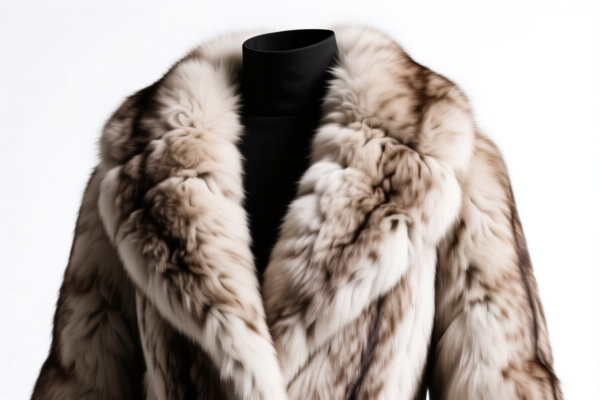
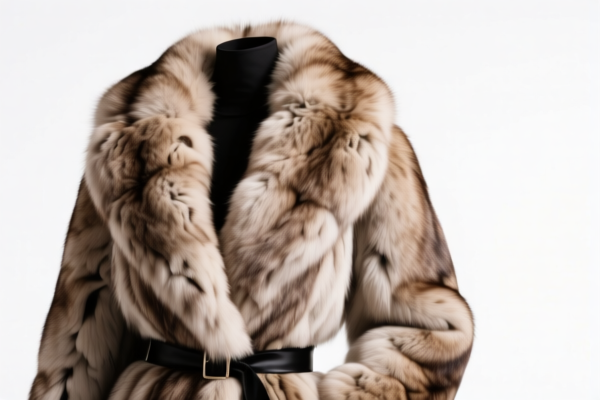
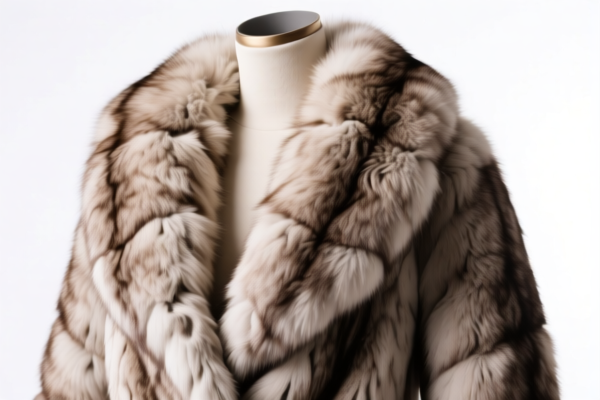
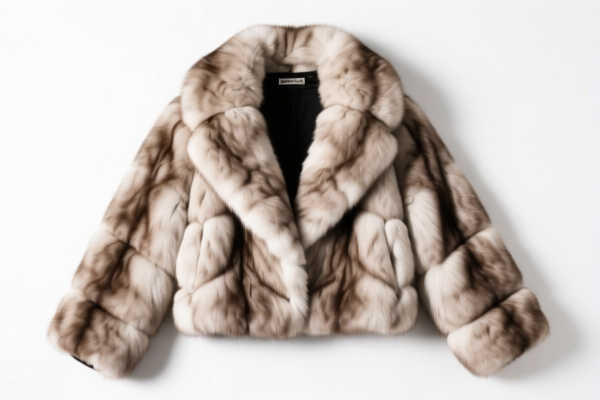
AI Analysis
👗 Women's High Quality Fur Clothing
🌐 HS Code Reference & Clearance Guide | 2026 Latest Tariff Analysis | Professional Customs Strategy
📌 I. Product Definition & Classification: Understanding "High Quality Fur"
Women's high-quality fur clothing falls strictly under the category of articles of fur. It is distinct from textile-based garments because the primary value and identity come from the pelts/skins rather than woven fabrics. In international trade, these goods are classified based on the type of animal skin used and the form of the garment (e.g., coat, jacket).
⚠️ Key Classification Logic:
- If the item is a complete garment (coat, jacket, vest) made entirely or partially of fur → It belongs to Chapter 43 (Articles of Fur).
- Even if labeled "Luxury Fur," the material dictates the chapter.
- Crucial Distinction: Unlike standard apparel (Chapter 61/62), fur garments do not typically use the general apparel codes unless they are specific ensemble pieces (rare for pure fur). Most fall under 4303.
📦 II. HS Code Classification Details (2026 Latest Tariff对照)
| HS Code | Product Description | Key Features | Applicable Scenario |
|---|---|---|---|
4303.10.00.60 |
Women's high-quality fur clothing | Non-mink fur. Includes sable, chinchilla, fox, etc. (anything other than mink). "High quality" implies premium materials. | Premium coats, luxury jackets using exotic or high-grade non-mink furs. |
4303.10.00.30 |
Luxury fur clothing | General Fur Garments. Broad category for fur articles of apparel. "Luxury" confirms it is a finished garment, not raw pelts. | High-end fashion fur items where specific animal origin isn't the primary differentiator for the code. |
6104.29.05.10 |
Luxury fur ensemble/outwear | Fur as part of an ensemble. Rare. Applies if the fur is integrated into a specific "ensemble" (set) or if classified under general outerwear due to specific manufacturing definitions (Note: This code has different tax logic). | Specific cases where the item is defined as an "ensemble" or specific outerwear structure rather than pure fur article. Highly sensitive to customs interpretation. |
🔍 Critical Note on
6104.29.05.10:
While4303is the standard for fur garments,6104is for "Women's suits, ensembles, jackets, blazers...". If customs determines the item is primarily a textile garment with fur trim (rather than a fur garment), it might fall here. However, for "High Quality Fur Clothing" (implying substantial fur content),4303is the dominant and safer classification. Misclassification here carries high risk.
💰 III. 2026 Tariff Rate Detailed Breakdown (US Imports from China)
✅ Applicable Country: United States (US)
✅ Origin: China (CN)
✅ Effective Time: 2025/2026 Period (Current Policy)
🎯 1. 4303.10.00.60 & 4303.10.00.30 —— High-End Fur Garments
These two codes share the same tax structure for imports from China due to current trade policies.
| Item | Content |
|---|---|
| Base Duty Rate | 4.0% (Standard MFN rate) |
| Section 301 Duty | +25.0% (Added tariffs on Chinese goods) |
| Section 122 Duty | +10.0% (Specific additional duty on certain fur/textile items) |
| Total Tax Rate | 39.0% |
| Tax Calculation | CIF Value × 39% |
| De Minimis Eligibility | ❌ NO (Not eligible for de minimis exemption) |
| Legal Pathway | Base: 4303 → Sec 301: 25% → Sec 122: 10% |
📌 Explanation:
- Base 4%: The standard tariff for articles of fur.
- Section 301 25%: The heavy penalty tariff imposed on Chinese goods under Section 301 of the Trade Act.
- Section 122 10%: An additional tariff specifically targeting certain animal skin products and related apparel.
- Combined Impact: The total burden is 39%. This is a very high cost that must be factored into pricing.
- No De Minimis: You cannot use the $800 de minimis rule (Section 321) to bypass these duties for fur clothing. Every shipment is subject to full duty.
🎯 2. 6104.29.05.10 —— Ensemble/Outerwear Classification (Riskier)
This code has a different and complex tax structure. It is less common for pure "fur clothing" but may apply if the item is structured as an ensemble.
| Item | Content |
|---|---|
| Base Duty | Rate applicable to each garment if separated (Usually higher for textiles, e.g., 16-32%) |
| Section 301 Duty | +7.5% (Reduced rate for some textile/apparel categories under specific lists) |
| Section 122 Duty | +10.0% |
| Total Tax Rate | Variable (Base + 7.5% + 10%) |
| De Minimis Eligibility | ❌ NO |
⚠️ Warning:
- If the base rate for6104is 16%, the total becomes 16% + 7.5% + 10% = 33.5%.
- If the base rate is 32%, the total becomes 32% + 7.5% + 10% = 49.5%.
- Recommendation: Do not arbitrarily choose6104to save costs. If the product is clearly fur, Customs will reclassify it to4303and assess penalties. The 39% flat rate of4303is often more predictable and competitive than a high-base6104.
🛠️ IV. Clearance Practical Advice (Pitfall Avoidance Guide)
✅ 1. Required Documentation Checklist
| Document | Must Provide | Description |
|---|---|---|
| ✅ Commercial Invoice | ✔️ | Clearly state "Women's Fur Coat/Jacket," Material: "Real Fur," Animal Source (if known). |
| ✅ Detailed Description | ✔️ | Specify: "High Quality," "Luxury." Avoid vague terms like "Fur-like." |
| ✅ Material Composition | ✔️ | CRITICAL: Specify exact animal skin (e.g., "Mink," "Fox," "Rabbit"). If unspecified, Customs may assign the highest duty code. |
| ✅ Photos of Product | ✔️ | Show the item worn and close-ups of the fur texture/lining. Prove it is a finished garment. |
| ✅ Country of Origin | ✔️ | Must be marked "Made in China" (if applicable) for Section 301/122 applicability. |
✅ 2. Declaration Tips (Key Mantra)
🔥 "Real Fur, Not Faux! Declare Animal, Avoid Penalty!"
| Situation | Correct Declaration | Wrong Practice |
|---|---|---|
| Pure Fur Garment | HS Code 4303.10.00.60 (Non-mink) or .30 |
Declare as "Textile Jacket" (6104) → Misclassification Penalty |
| Fur Trim vs. Fur Garment | If >50% fur value → 4303 |
If >50% fur value → Declare as 6104 → Reclassification & Seizure |
| Section 122 Applicability | Accept the 10% additional duty | Try to hide "Animal Skin" origin → Audit Trigger |
| De Minimis Attempt | DO NOT attempt for fur clothing | Use eParcel/freight with <$800 value → Seizure & Fine |
✅ 3. Special Cases
| Case | Handling Advice |
|---|---|
| Mink vs. Non-Mink | If the fur is Mink, check if 4303.10.00.30 or a specific mink code applies. The provided data groups "High Quality" and "Luxury" broadly, but mink often has its own sub-code. Verify if .30 covers mink or if a different code is needed. |
| Mixed Materials | If the garment is 60% fur, 40% fabric, it is still Fur Article (4303) because fur is the essential character. |
| CITES Compliance | If the fur is from endangered species (e.g., certain exotic furs), CITES permits are required before shipment. Without them, the goods will be seized regardless of tax code. |
🌍 V. Global Market Comparison (2026)
| Country/Region | Recommended HS Code | Estimated Total Duty (China Origin) | Notes |
|---|---|---|---|
| 🇺🇸 USA | 4303.10.00.60 / .30 |
39.0% | High duties due to Sec 301 + Sec 122. No de minimis. |
| 🇨🇳 China | 4303.10.00.60 |
~10-15% | Standard import duty. No Section 301. |
| 🇪🇺 EU | 4303.10 |
~4-16% | Depends on specific fur type. No US-style punitive tariffs. |
| 🇬🇧 UK | 4303.10 |
~12-16% | Post-Brexit tariffs. Check for CITES restrictions. |
📌 Conclusion:
- The US market is the most expensive for Chinese-origin fur clothing due to the 39% blended rate.
- Section 122 is the "hidden killer" specifically for fur.
- Avoid De Minimis: The US has explicitly excluded fur articles from the $800 de minimis exemption. Attempting to split shipments will lead to delays and audits.
📌 VI. Common Errors & Pitfalls (Blood Lessons)
❌ Error 1: Declaring "Fur Jacket" as "Textile Outerwear" (6104) to avoid high duties.
👉 Consequence: Customs will examine the item, find it's fur, reclassify to 4303, and charge 39% + penalties for misdeclaration.
❌ Error 2: Using "Faux Fur" label when it's "Real Fur."
👉 Consequence: Fraudulent declaration. Seizure of goods + legal fines.
❌ Error 3: Assuming $800 shipments are duty-free.
👉 Consequence: Fur is explicitly excluded from de minimis. All shipments are taxed.
❌ Error 4: Ignoring CITES.
👉 Consequence: Even if taxes are paid, endangered species fur is illegal without permits. Goods will be confiscated.
✅ Correct Practice:
"Women's Luxury Fur Coat, 100% Fox Fur, Made in China, Model XYZ, Subject to Section 301 & 122 Duties."
🎯 VII. Conclusion: Professional Clearance for High-Value Goods
🎯 Remember the Mantra:
🔹 "Fur is Chapter 43, Not 61! 39% Duty in USA, No De Minimis Allowed!"
🔹 "Accurate Animal Source, Clear Invoice, Avoid Penalties!"
📌 Pro Tip:
If your fur clothing is originating from Vietnam, Italy, or Turkey, you may avoid the Section 301 (25%) and Section 122 (10%) tariffs (depending on specific trade agreements and rules of origin).
Recommendation: For high-volume imports, consider Advanced Rulings from US Customs (CBP) to lock in the HS code and duty rate, ensuring predictability.
📣 Immediate Action:
📞 Contact a licensed customs broker + Provide detailed material specs + Verify CITES status
🚀 Ensure your supply chain is compliant to avoid seizures and keep your luxury brand reputation intact!
✨ Professional Clearance, From Precise Classification!
💼 Every dollar of tax saved is pure profit, but only if compliant!
Customer Reviews
About HS Code Classification
The Harmonized System (HS) is an internationally standardized nomenclature developed by the World Customs Organization (WCO) to classify traded products. Over 200 countries use the HS system as the basis for customs tariffs, trade statistics, and import/export regulations.
Each HS code follows a hierarchical structure:
- Chapter (2 digits) — Broad category of goods (e.g., Chapter 84: Machinery and Mechanical Appliances)
- Heading (4 digits) — More specific grouping within the chapter
- Subheading (6 digits) — Internationally standardized breakdown, used by all WCO member countries
- National subdivisions (8-10 digits) — Country-specific extensions for further classification, such as US HTSUS 10-digit codes
Correct HS code classification is essential for smooth customs clearance, accurate duty payment, and compliance with trade regulations. Misclassification can lead to customs delays, overpayment of duties, or penalties.
When importing from CN to US, the applicable tariff rates may include:
- Most-Favored-Nation (MFN) rate — The standard duty rate applied to WTO members
- General rate — Applied to countries without trade agreements
- Trade remedy duties — Additional tariffs such as Section 301 (anti-dumping), Section 232 (national security), or countervailing duties
The information provided on this page is for reference purposes only. For official classification, please consult with your local customs authority or a licensed customs broker.