Women's Jeans
CN → US| HS Code | Tariff Rate | Origin | Destination | Doc |
|---|---|---|---|---|
| 6204626010 | 26.4% | CN | US | Official Doc |
| 6104621020 | 27.8% | CN | US | Official Doc |
| 6211421010 | 25.6% | CN | US | Official Doc |
| 6211431010 | 33.5% | CN | US | Official Doc |
| 6204621511 | 34.1% | CN | US | Official Doc |
Product Images
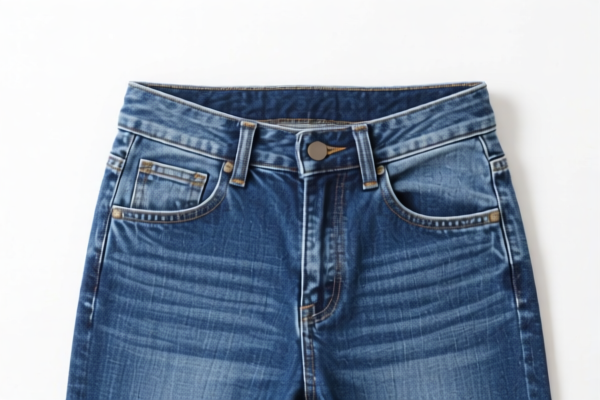
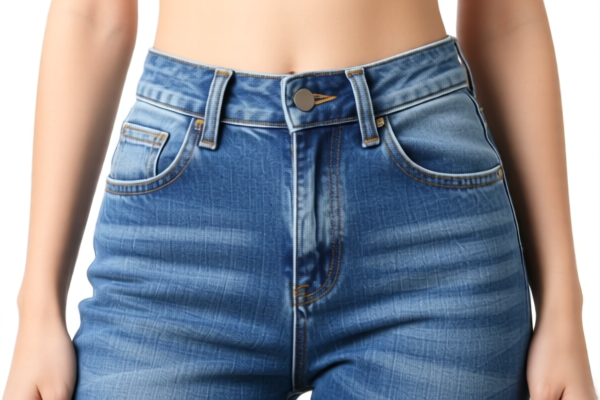
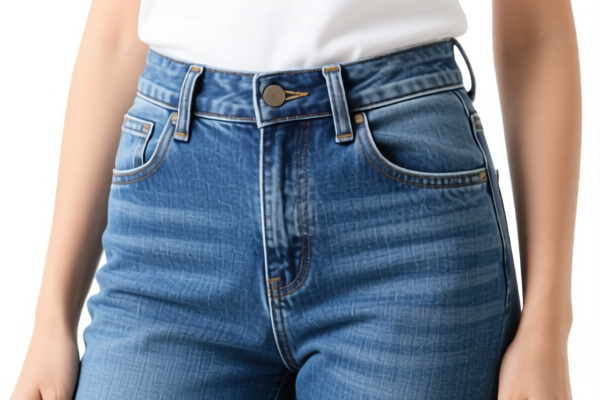
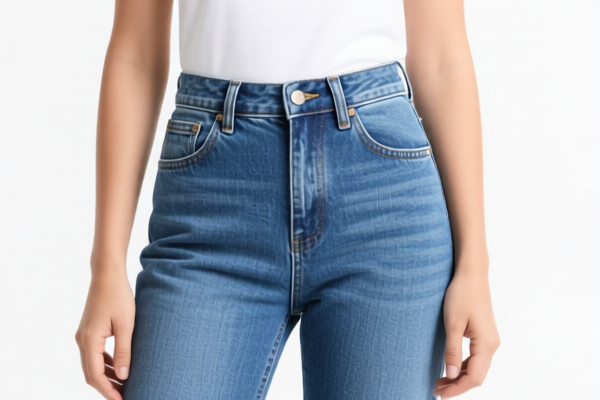
AI Analysis
👖 Women's Jeans & Denim Overalls: HS Code Classification & Duty Strategy (2026)
🌐 HS Code Reference & Customs Clearance Guide | 2026 Latest Tariff Analysis | Professional Customs Strategy
📌 Part 1: Product Definition & Classification: Do You Really Understand "Women's Jeans"?
"Women's Jeans" is a broad category in international trade, primarily divided into two distinct types based on construction and material:
1. Woven Denim Jeans (Woven): Non-stretch or woven denim pants. These fall under Heading 6204 (Women's or girls' suits, ensembles, suits, jackets, dresses, skirts, trousers, bib and brace overalls, breeches and shorts...) or 6211 (Other articles of apparel and clothing accessories). 2. Knitted/Crocheted Denim Jeans (Knit): Stretch denim made via knitting or crocheting. These fall under Heading 6104 (Women's or girls' suits, ensembles, jackets, dresses, skirts, blouses, shirts, camisoles, trousers, bib and brace overalls, breeches and shorts...).
⚠️ Key Distinction Point:
- If the fabric is woven (traditional denim structure) → Look at 6204 or 6211.
- If the fabric is knitted/crocheted (stretch jersey-like denim) → Look at 6104.
- Note: "Bib and brace overalls" (suspenders) are specifically classified under 6204.62 for woven and 6104.62 for knit.
📦 Part 2: HS Code Classification Details (2026 Latest Tariff Authority Comparison)
Based on the provided data, here are the precise HS codes for women's denim and overalls, along with their tax implications.
| HS Code | Product Description | Material | Total Tax Rate | Tax Breakdown |
|---|---|---|---|---|
6204.62.60.10 |
Women's Bib & Brace Overalls (Non-Jeans specific, generic woven) | Cotton Denim | 26.4% | Base: 8.9% + Section 301: 7.5% + 122 Clause: 10% |
6104.62.10.20 |
Women's Bib & Brace Overalls (Knitted/Crocheted) | Cotton | 27.8% | Base: 10.3% + Section 301: 7.5% + 122 Clause: 10% |
6211.42.10.10 |
Other Women's Apparel (Including Overalls) | Cotton | 25.6% | Base: 8.1% + Section 301: 7.5% + 122 Clause: 10% |
6211.43.10.10 |
Other Women's Apparel (Including Overalls) | Synthetic Fiber | 33.5% | Base: 16.0% + Section 301: 7.5% + 122 Clause: 10% |
6204.62.15.11 |
Women's Jeans (Woven Denim) | Cotton Denim | 34.1% | Base: 16.6% + Section 301: 7.5% + 122 Clause: 10% |
🔍 Key Observation:
- Woven Jeans (6204.62.15.11) carry the highest base tariff (16.6%) among cotton items, leading to the highest total duty of 34.1%. - Knitted Overalls (6104.62.10.20) have a slightly higher base (10.3%) than generic woven overalls but are still lower than jeans. - Synthetic Fiber Items (6211.43.10.10) are heavily taxed at 33.5% due to a high base rate (16.0%).
💰 Part 3: 2026 Latest Tariff Rate Details (Including Surcharges & Policy Add-ons)
✅ Applicable Country: United States (US)
✅ Origin: China (CN)
✅ Effective Time: Current regulations apply (Section 301 & 122 Clause)
🎯 1. 6204.62.15.11 – Women’s Jeans (Cotton Woven Denim)
This is the most common code for traditional "Women's Jeans."
| Item | Content |
|---|---|
| Base Tariff | 16.6% (Ad valorem) |
| Section 301 Surcharge | +7.5% |
| 122 Clause Surcharge | +10% |
| Total Effective Rate | 34.1% |
| Tax Calculation | CIF Value × 34.1% |
| De Minimis Eligibility | ❌ No (High duty rate exceeds exemption thresholds) |
| Legal Basis Path | USITC:6204.62.15.11 → Section 301: 7.5% → 122 Clause: 10% |
📌 Explanation:
- The 16.6% base reflects the high protectionist tariff on woven cotton jeans from China. - The 7.5% Section 301 is a standard trade war surcharge. - The 10% 122 Clause is a specific punitive tariff added to certain Chinese goods. - Total 34.1% is a significant cost burden. Misclassification here can lead to massive underpayment.
🎯 2. 6204.62.60.10 – Women’s Bib & Brace Overalls (Cotton Woven)
For woven denim overalls (jumpsuits with suspenders).
| Item | Content |
|---|---|
| Base Tariff | 8.9% |
| Section 301 Surcharge | +7.5% |
| 122 Clause Surcharge | +10% |
| Total Effective Rate | 26.4% |
| Tax Calculation | CIF Value × 26.4% |
| De Minimis Eligibility | ❌ No |
📌 Note:
- Overalls often have a lower base tariff (8.9%) than jeans (16.6%). - If your product can be classified as "Overalls" rather than "Jeans," it saves 7.7% in base duty.
🎯 3. 6104.62.10.20 – Women’s Knitted/Crocheted Overalls (Cotton)
For stretch-denim or knitted jumpsuits.
| Item | Content |
|---|---|
| Base Tariff | 10.3% |
| Section 301 Surcharge | +7.5% |
| 122 Clause Surcharge | +10% |
| Total Effective Rate | 27.8% |
| Tax Calculation | CIF Value × 27.8% |
📌 Note:
- Knitted goods are generally taxed higher in base rate than woven overalls but lower than woven jeans.
🎯 4. 6211.42.10.10 – Other Women’s Cotton Apparel (Including Overalls)
A catch-all for non-specific woven cotton items, including some overalls.
| Item | Content |
|---|---|
| Base Tariff | 8.1% |
| Section 301 Surcharge | +7.5% |
| 122 Clause Surcharge | +10% |
| Total Effective Rate | 25.6% |
| Tax Calculation | CIF Value × 25.6% |
📌 Note:
- This is the lowest total duty rate (25.6%) among cotton items. If your garment can be classified under "Other" rather than specific "Jeans" or "Overalls," this is the most cost-effective option.
🎯 5. 6211.43.10.10 – Other Women’s Synthetic Fiber Apparel
For polyester/nylon blends or fully synthetic jeans/overalls.
| Item | Content |
|---|---|
| Base Tariff | 16.0% |
| Section 301 Surcharge | +7.5% |
| 122 Clause Surcharge | +10% |
| Total Effective Rate | 33.5% |
| Tax Calculation | CIF Value × 33.5% |
📌 Note:
- Synthetic fibers are heavily taxed. Base rate is 16.0%, making it nearly as expensive as woven jeans.
🛠️ Part 4: Customs Clearance Practical Advice (Avoid Pitfalls)
✅ 1. Essential Documentation Checklist
| Document | Required | Description |
|---|---|---|
| ✅ Fabric Composition Label | ✔️ | Must specify % Cotton vs. Synthetic vs. Elastane. Critical for HS Code. |
| ✅ Construction Details | ✔️ | Woven vs. Knitted? Bib & Brace (Overalls) vs. Trousers (Jeans)? |
| ✅ Product Photos | ✔️ | Clear front/back view showing buttons, zippers, pockets, and suspenders. |
| ✅ Commercial Invoice | ✔️ | Clearly state "Women's Woven Cotton Jeans" or "Knitted Cotton Overalls." |
| ✅ Packing List | ✔️ | Match invoice exactly. |
| ✅ Country of Origin | ✔️ | Must be China (CN) for these specific tariffs. |
✅ 2. Classification Strategy & Tips
🔥 Golden Rule: "Material Matters, Construction Dictates, Specificity Wins!"
| Scenario | Correct HS Code | Why? |
|---|---|---|
| Traditional Blue Denim Jeans | 6204.62.15.11 |
Woven cotton denim, specifically "Jeans." Highest base duty. |
| Denim Jumpsuit with Suspenders | 6204.62.60.10 or 6211.42.10.10 |
Woven, but classified as "Overalls" not "Jeans." Lower duty. |
| Stretchy, Soft Denim-Look Pants | 6104.62.10.20 |
Knitted/crocheted fabric, not woven. |
| Polyester-Cotton Blend Jeans | Check 6204 or 6211 |
If >50% synthetic, may fall under 6211.43.10.10 (33.5%). |
| Fully Synthetic "Denim" Jeans | 6211.43.10.10 |
Synthetic fiber triggers higher base duty. |
⚠️ Critical Warning:
- Do NOT misclassify "Jeans" as "Overalls" if the garment clearly lacks suspenders/bib structure. Customs will audit and charge the difference + penalties. - Do NOT misclassify "Knitted" as "Woven." If the fabric is stretch-knit, it must be6104. Misclassification leads to seizure.
✅ 3. Cost-Saving Tips
| Tip | Action | Impact |
|---|---|---|
| Material Optimization | If possible, use Cotton instead of Synthetic. | Saves ~1% (33.5% vs 34.1% or 25.6% vs 33.5%). |
| Design Adjustment | If adding suspenders, ensure they are functional to qualify as "Overalls" (6204.62.60.10). |
Saves ~7.7% base duty vs. Jeans. |
| Pre-Ruling | Apply for an Advance Ruling from US Customs. | Avoids post-clearance audits and surprise bills. |
🌍 Part 5: Global Market Comparison (2026)
| Market | Typical HS Code for Jeans | Duty Rate (China Origin) | Notes |
|---|---|---|---|
| 🇺🇸 USA | 6204.62.15.11 |
34.1% | High tariffs due to Section 301 & 122 Clause. |
| 🇨🇳 China (Import) | 6204.62.15.11 |
~10-15% | Lower base duty, no Section 301. |
| 🇪🇺 EU | 6204.62.15 |
~12% | No Section 301, but anti-dumping may apply. |
| 🇨🇦 Canada | 6204.62.15 |
~10% | CUSMA may offer duty-free if origin rules met. |
📌 Conclusion:
The USA is the most expensive market for Chinese-origin women's jeans due to layered tariffs. Importers must account for 34.1% total duty.
📌 Part 6: Common Mistakes & Pitfalls (Lessons Learned)
❌ Mistake 1: Calling all denim pants "Jeans" regardless of construction.
👉 Consequence: If knitted, it should be 6104. Misclassification leads to audit.
❌ Mistake 2: Ignoring the "122 Clause."
👉 Consequence: Missing the 10% surcharge leads to severe penalties and delayed release.
❌ Mistake 3: Using "Apparel" generic description.
👉 Consequence: Customs may assign a higher default rate or request detailed classification.
✅ Correct Practice:
Exact Description: "Women's Woven Cotton Denim Jeans, Button Fly, 5-Pocket Style, Model XYZ, 100% Cotton."
OR
"Women's Knitted Cotton Overalls, Bib & Brace, Stretch Denim, Model ABC."
🎯 Part 7: Conclusion: Precision in Classification Saves Money!
🎯 Remember the Mantra:
🔹 "Woven vs. Knit: Check the Weave!"
🔹 "Jeans vs. Overalls: Check the Straps!"
🔹 "Cotton vs. Synthetic: Check the Label!"
🔹 "34.1% for Jeans, 26.4% for Overalls: Choose Wisely!"
📌 Pro Tip:
If your product is 100% Cotton and can be classified as Overalls (6204.62.60.10 or 6211.42.10.10), you save ~7-8% compared to Woven Jeans. If it is Knitted, ensure you use 6104 to avoid being taxed as Woven.
📣 Immediate Action Required:
📞 Consult your customs broker with fabric swatches and photos.
📄 Request a Pre-Ruling from US CBP if importing large volumes.
🚀 Optimize your product design to qualify for lower-duty HS codes if possible.
✨ Professional Customs Clearance Starts with Accurate Classification!
💼 Every Percent Saved is Profit Gained!
Customer Reviews
About HS Code Classification
The Harmonized System (HS) is an internationally standardized nomenclature developed by the World Customs Organization (WCO) to classify traded products. Over 200 countries use the HS system as the basis for customs tariffs, trade statistics, and import/export regulations.
Each HS code follows a hierarchical structure:
- Chapter (2 digits) — Broad category of goods (e.g., Chapter 84: Machinery and Mechanical Appliances)
- Heading (4 digits) — More specific grouping within the chapter
- Subheading (6 digits) — Internationally standardized breakdown, used by all WCO member countries
- National subdivisions (8-10 digits) — Country-specific extensions for further classification, such as US HTSUS 10-digit codes
Correct HS code classification is essential for smooth customs clearance, accurate duty payment, and compliance with trade regulations. Misclassification can lead to customs delays, overpayment of duties, or penalties.
When importing from CN to US, the applicable tariff rates may include:
- Most-Favored-Nation (MFN) rate — The standard duty rate applied to WTO members
- General rate — Applied to countries without trade agreements
- Trade remedy duties — Additional tariffs such as Section 301 (anti-dumping), Section 232 (national security), or countervailing duties
The information provided on this page is for reference purposes only. For official classification, please consult with your local customs authority or a licensed customs broker.