Women's Knitted Artificial Fiber Autumn Shirt
CN → US| HS Code | Tariff Rate | Origin | Destination | Doc |
|---|---|---|---|---|
| 6206403010 | 44.4% | CN | US | Official Doc |
| 6206403035 | 44.4% | CN | US | Official Doc |
| 6106202030 | 49.5% | CN | US | Official Doc |
| 6106202010 | 49.5% | CN | US | Official Doc |
Product Images


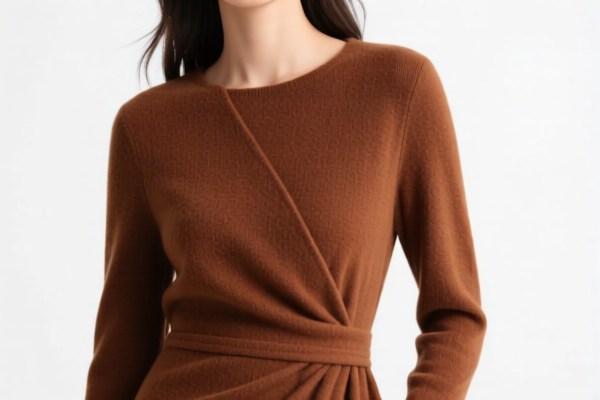
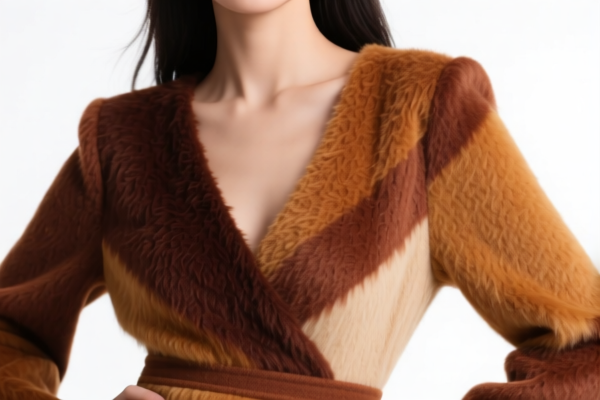
AI Analysis
👗 Women's Knitted Artificial Fiber Autumn Shirt
🌐 HS Code Reference & Customs Clearance Guide | 2024/2025 Tax Rate Full Analysis | Professional Clearance Strategy
📌 I. Product Definition & Classification: Do You Really Understand "Women's Knitted Shirts"?
Women's Knitted Artificial Fiber Autumn Shirts are essential garments in the global apparel trade, characterized by their knitted structure, artificial fiber material (typically polyester, rayon, or viscose), and female-cut design. In international trade, the classification hinges on two critical factors:
1. Knitted vs. Woven: Knitted garments (flexible, stretchy) fall under Chapter 61; Woven garments (structured, non-stretchy) fall under Chapter 62.
2. Material Composition: "Artificial Fiber" usually refers to synthetic fibers like polyester (化学纤维).
⚠️ Key Distinction:
- If the shirt is knitted (loops interlocked) → Must be classified under Chapter 61 (e.g.,6106.20.20.10or6106.20.20.30).
- If mistakenly classified as woven (even if slightly stretchy) → Falls under Chapter 62 (e.g.,6206.40.30.10or6206.40.30.35).
- Misclassification Risk: Knitted shirts classified as woven often face lower base tariffs but may trigger customs audits due to structural inconsistency.
📦 II. HS Code Classification Details (Authoritative Tariff对照)
| HS Code | Product Description | Applicability Scenario | Material & Structure | Total Tax Rate |
|---|---|---|---|---|
6206.40.30.10 |
Other women's blouses/shirts, woven, of man-made fibers | Woven synthetic shirts, formal wear | Woven, Artificial Fiber | 44.4% |
6206.40.30.35 |
Other women's blouses/shirts, woven, of man-made fibers | Woven polyester shirts, casual wear | Woven, Polyester (Artificial Fiber) | 44.4% |
6106.20.20.30 |
Women's blouses/shirts, knitted or crocheted, of synthetic fibers | Knitted synthetic shirts, autumn/winter wear | Knitted, Artificial Fiber | 49.5% |
6106.20.20.10 |
Women's blouses/shirts, knitted or crocheted, of synthetic fibers | Knitted polyester shirts, fully compliant | Knitted, Polyester Fiber | 49.5% |
🔍 Key Reminder:
- Knitted (6106) shirts generally have a higher base tariff (32.0%) than Woven (6206) shirts (26.9%) due to different manufacturing processes.
- However, both categories are subject to the same additional tariffs (Section 301, Section 122), resulting in similar total rates.
- Customs Audit Risk: If a garment is claimed as "woven" but shows knitted texture under microscopic examination, it will be reclassified, leading to penalties and delays.
💰 III. 2024/2025 Latest Tariff Rate Breakdown (Including Surtaxes)
✅ Applicable Country: United States (US)
✅ Country of Origin: China (CN)
✅ Effective Date: Current US Tariff Schedule (Section 301 & 122)
🎯 1. 6206.40.30.10 & 6206.40.30.35 —— Women's Woven Synthetic Shirts
| Item | Content |
|---|---|
| Base Tariff | 26.9% (ad valorem) |
| Section 301 Surtax | +7.5% (USITC Footnote) |
| Section 122 Surtax | +10% (Specific to Apparel from China) |
| Total Rate | 44.4% |
| Calculation Method | CIF Value × 44.4% |
| De Minimis Exemption | ❌ Not Eligible (Deny De Minimis for Section 301/122 goods) |
| Legal Basis | USITC:6206.40.30.10 → Section 301: 7.5% → Section 122: 10% |
📌 Explanation:
- Section 301 (7.5%): Imposed under the US Trade Act of 1974, targeting specific Chinese goods.
- Section 122 (10%): A temporary surtax on certain apparel and textile products imported from China.
- Total 44.4% is a high-duty item, requiring precise declaration to avoid overpayment or underpayment penalties.
🎯 2. 6106.20.20.10 & 6106.20.20.30 —— Women's Knitted Synthetic Shirts
| Item | Content |
|---|---|
| Base Tariff | 32.0% (ad valorem) |
| Section 301 Surtax | +7.5% (USITC Footnote) |
| Section 122 Surtax | +10% (Specific to Apparel from China) |
| Total Rate | 49.5% |
| Calculation Method | CIF Value × 49.5% |
| De Minimis Exemption | ❌ Not Eligible |
| Legal Basis | USITC:6106.20.20.10 → Section 301: 7.5% → Section 122: 10% |
📌 Note:
- Knitted shirts have a 5.1% higher base tariff than woven ones (32.0% vs. 26.9%).
- Despite the higher base rate, the total burden is similar due to identical surtaxes.
- Customs Tip: Always confirm the knitting structure (loop vs. interlaced yarn) before declaring.
🛠️ IV. Customs Clearance Practical Advice (Battle-Tested Pitfall Avoidance Guide)
✅ 1. Required Documentation Checklist (No Exceptions)
| Document | Required? | Description |
|---|---|---|
| ✅ Product Specification Sheet | ✔️ | Must state: Knitted/Woven, Material (100% Polyester/Rayon), Gender, Style |
| ✅ Fabric Swatch/Photo | ✔️ | Close-up of knit loops (knitted) vs. weave pattern (woven) |
| ✅ Commercial Invoice | ✔️ | Clearly describe as "Women's Knitted/Woven Synthetic Shirt" |
| ✅ Packing List | ✔️ | Item count, weight, dimensions |
| ✅ Certificate of Origin (CO) | ✔️ | Mandatory for US imports; verify country of origin is China |
| ✅ Test Report (Optional) | ✔️ | Fiber content analysis from ISO/IEC 17025 lab |
✅ 2. Declaration Tips (Key Mantra)
🔥 “Knit Loop, Woven Cross, Material Precise, Tax Saved!”
| Scenario | Correct Declaration | Wrong Practice |
|---|---|---|
| Knitted Shirt | 6106.20.20.10 or 6106.20.20.30 |
Misdeclare as Woven → 44.4% (Lower, but risk of penalty) |
| Woven Shirt | 6206.40.30.10 or 6206.40.30.35 |
Misdeclare as Knitted → 49.5% (Overpaying) |
| Mixed Materials | Analyze dominant fiber (>50%) | Vague description "Synthetic" → Customs Red Flag |
| Autumn/Winter Specificity | Add "Autumn/Winter" in notes | Ignore seasonality → No tax impact, but good for inventory |
✅ 3. Special Case Handling
| Scenario | Handling Advice |
|---|---|
| OEM Custom Shirts | Provide design specs + tech pack to prove knitted/woven structure |
| Blended Fibers (e.g., 65% Poly/35% Cotton) | Classify based on main fiber content (>50%). If poly >50%, use synthetic codes |
| Sample Shipments | Still subject to full tariffs; de minimis ($800) does not apply to Section 301/122 goods |
| Returns/Defects | File a Post-Entry Adjustment (PEA) if misclassified initially |
🌍 V. Global Market Customs Comparison (2024/2025)
| Country/Region | Recommended HS Code | Tariff Rate | Certification Requirements | Notes |
|---|---|---|---|---|
| 🇺🇸 USA | 6106.20.20.10 / 6206.40.30.10 |
44.4% - 49.5% | None (Standard) | High surtaxes; strict origin verification |
| 🇨🇳 China | 6106.20.20.10 / 6206.40.30.10 |
~9% - 12% | None | Lower base tariffs; no Section 122/301 |
| 🇪🇺 EU | 6106.90 / 6206.40 |
12% - 14% | CE (if safety gear), REACH | No Section 301; stable rates |
| 🇬🇧 UK | 6106.90 / 6206.40 |
12% - 14% | UKCA | Post-Brexit tariffs similar to EU |
| 🇨🇦 Canada | 6106.90 / 6206.40 |
12% - 14% | None | No Section 301 |
📌 Conclusion:
- USA is the most expensive market for Chinese-made apparel due to Section 301 & 122 surtaxes.
- EU/UK/Canada offer more stable and lower total tariffs for Chinese goods.
- Strategy: Consider transshipment or final assembly in third countries (e.g., Vietnam, Bangladesh) to avoid US surtaxes, but ensure substantial transformation rules are met.
📌 VI. Common Mistakes & Pitfall Avoidance (Lessons from Experience)
❌ Mistake 1: Declaring Knitted Shirts as Woven to Save 5.1% Base Tariff
👉 Consequence: Customs audit reveals knitted texture → Penalty, Re-classification, and Delay
❌ Mistake 2: Vague Description "Synthetic Shirt"
👉 Consequence: Customs may choose the highest applicable rate or reject declaration → Port Storage Fees
❌ Mistake 3: Ignoring Section 122 Applicability
👉 Consequence: Underpayment of 10% surtax → Back Taxes + Interest
❌ Mistake 4: Using De Minimis ($800) for Small Shipments
👉 Consequence: Section 301/122 goods are excluded from de minimis → Seizure or Forced Return
✅ Correct Practice:
"Women's Knitted Polyester Blouse, Style ABC, 100% Man-Made Fiber, Autumn Collection, HS Code 6106.20.20.10"
🎯 VII. Conclusion: Precision Declaration Saves Money and Time
🎯 Remember the Mantra:
🔹 “Knit vs. Woven: 5.1% Difference!”
🔹 “Section 301 + 122 = 17.5% Extra Burden!”
🔹 “De Minimis is Dead for Apparels!”
📌 Pro Tip:
If your shirts are made in Vietnam, Bangladesh, or India, you may avoid Section 301/122 tariffs, reducing total tax to Base Tariff Only (~9% - 12% in US).
Recommendation:
- Pre-Arrival Ruling: Request an Advance Ruling from CBP for complex cases.
- Supply Chain Diversification: Consider sourcing from non-China countries to mitigate US tariff risks.
📣 Immediate Action:
📞 Contact a Licensed Customs Broker + Provide Product Swatches + Apply for HS Code Pre-Ruling
🚀 Ensure Smooth Clearance, Avoid Penalties, and Maximize Profit Margins!
✨ Professional Clearance Starts with Accurate Classification!
💼 Every Percent of Tariff Matters – Get It Right the First Time!
Customer Reviews
About HS Code Classification
The Harmonized System (HS) is an internationally standardized nomenclature developed by the World Customs Organization (WCO) to classify traded products. Over 200 countries use the HS system as the basis for customs tariffs, trade statistics, and import/export regulations.
Each HS code follows a hierarchical structure:
- Chapter (2 digits) — Broad category of goods (e.g., Chapter 84: Machinery and Mechanical Appliances)
- Heading (4 digits) — More specific grouping within the chapter
- Subheading (6 digits) — Internationally standardized breakdown, used by all WCO member countries
- National subdivisions (8-10 digits) — Country-specific extensions for further classification, such as US HTSUS 10-digit codes
Correct HS code classification is essential for smooth customs clearance, accurate duty payment, and compliance with trade regulations. Misclassification can lead to customs delays, overpayment of duties, or penalties.
When importing from CN to US, the applicable tariff rates may include:
- Most-Favored-Nation (MFN) rate — The standard duty rate applied to WTO members
- General rate — Applied to countries without trade agreements
- Trade remedy duties — Additional tariffs such as Section 301 (anti-dumping), Section 232 (national security), or countervailing duties
The information provided on this page is for reference purposes only. For official classification, please consult with your local customs authority or a licensed customs broker.