Women's Lace Panties
CN → US| HS Code | Tariff Rate | Origin | Destination | Doc |
|---|---|---|---|---|
| 6108229020 | 25.6% | CN | US | Official Doc |
| 6108210010 | 17.6% | CN | US | Official Doc |
| 6217909010 | 32.1% | CN | US | Official Doc |
| 6217909003 | 24.6% | CN | US | Official Doc |
| 6108229020 | 25.6% | CN | US | Official Doc |
Product Images
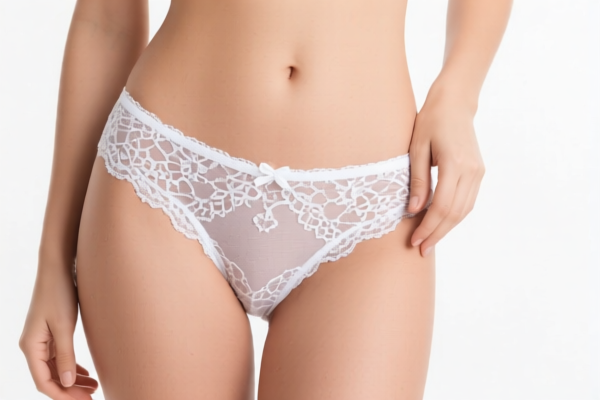
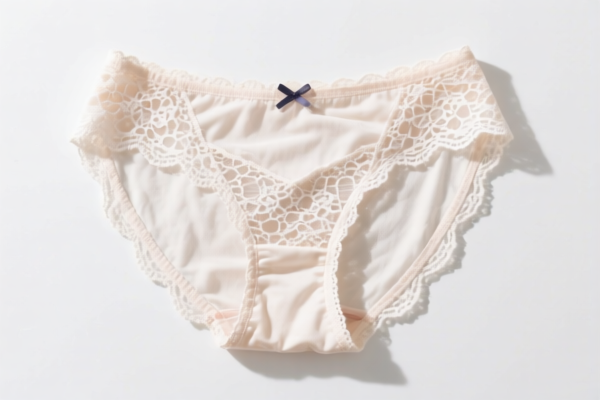
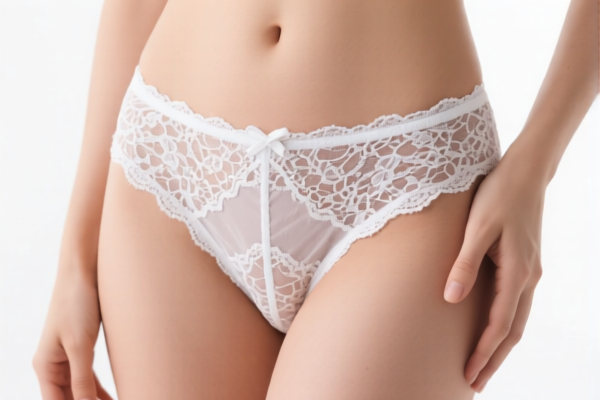
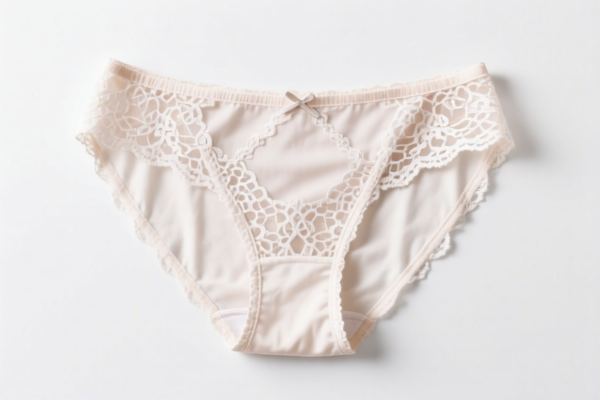
AI Analysis
👙 Women's Lace Panties: HS Code Classification & Customs Clearance Guide (2026)
🌐 HS Code Reference & Customs Strategy | Latest Tariff Analysis for 2026 | Professional Clearance Protocol
📌 I. Product Definition & Classification: What Exactly Are "Lace Panties"?
Women's lace panties are intimate apparel items, typically classified under Headings 6108 (Knitted/Hook-braided) or 6217 (Other Made-up Articles of Clothing). The correct classification depends entirely on the manufacturing method (knitted vs. woven/other) and the fabric material (cotton vs. synthetic fibers).
⚠️ Key Distinction Point:
- If the panties are knitted or crocheted (stretchy, looped yarns) → They fall under HS 6108.
- If they are made from woven lace strips, tulle, or other non-knitted attachments → They may fall under HS 6217.
- Material matters: "Cotton" attracts lower base tariffs; "Synthetic/Man-made fibers" attracts higher base tariffs.
📦 II. HS Code Classification Details (2026 Latest Tariff Schedule)
Based on the provided data, here is the authoritative breakdown for import into the United States.
| HS Code | Product Description | Manufacturing Method | Material | Base Tariff | Additional Tariffs | Total Tariff |
|---|---|---|---|---|---|---|
6108.21.00.10 |
Lace Women's Panties | Knitted or Crocheted | Cotton | 7.6% | 10% (Section 122) | 17.6% |
6108.22.90.20 |
Lace Women's Panties (Use: Women's Underwear) | Knitted or Crocheted | Man-made Fibers | 15.6% | 10% (Section 122) | 25.6% |
6217.90.90.03 |
Other Made-up Clothing Accessories (Lace Panties) | Other (e.g., Woven/Assembled) | Cotton | 14.6% | 0% | 24.6% |
6217.90.90.10 |
Other Made-up Clothing Accessories (Lace Panties) | Other (e.g., Woven/Assembled) | Man-made Fibers | 14.6% | 7.5% (Section 301) + 10% (Section 122) | 32.1% |
🔍 Critical Analysis:
- Section 122 Tariff (10%): Applies to Section 61 (Knitted) items from China. This is a critical added cost.
- Section 301 Tariff (7.5%): Applies to Section 62 (Non-knitted) items from China.
- Base Rates: Cotton (6108.21) has a lower base rate (7.6%) than Synthetics (6108.22 at 15.6%).
💰 III. Detailed Tariff Breakdown & Legal Basis (2026)
✅ Applicable Country: United States (US)
✅ Origin: China (CN)
✅ Effective Time: Current 2026 Tariff Schedule
🎯 1. 6108.21.00.10 —— Cotton, Knitted/Crocheted Panties
| Item | Detail |
|---|---|
| Base Tariff | 7.6% (Ad Valorem) |
| Section 301 (Trade War) | 0% (Knitted underwear is generally excluded or lower rate than textiles in some contexts, but here listed as 0.0%) |
| Section 122 Tariff | +10% (Specific to Apparel from China) |
| Total Effective Rate | 17.6% |
| Tax Calculation | CIF Value × 17.6% |
| De Minimis Exemption | ❌ No (Denied for Section 122 items) |
| Legal Path | HTS:6108.21.00.10 → Section 122: China Apparel |
📌 Explanation:
- This is the most tax-efficient classification if the product is 100% Cotton and Knitted.
- The "Section 122" tariff was implemented to protect domestic textile/apparel industries against low-cost imports.
- Total Cost Impact: For a $10,000 shipment, you pay $1,760 in duties.
🎯 2. 6108.22.90.20 —— Synthetic, Knitted/Crocheted Panties (Explicitly for Underwear Use)
| Item | Detail |
|---|---|
| Base Tariff | 15.6% (Ad Valorem) |
| Section 301 | 0% |
| Section 122 Tariff | +10% |
| Total Effective Rate | 25.6% |
| Tax Calculation | CIF Value × 25.6% |
| De Minimis Exemption | ❌ No |
| Legal Path | HTS:6108.22.90.20 → Section 122: China Apparel |
📌 Note:
- "Man-made fibers" (Polyester, Nylon, Spandex blends) attract a higher base tariff than cotton.
- Even though Section 301 is 0%, the high base rate pushes the total to 25.6%.
🎯 3. 6217.90.90.03 —— Other Made-up Articles, Cotton
| Item | Detail |
|---|---|
| Base Tariff | 14.6% |
| Section 301 | 0% |
| Section 122 | 0% (Does NOT apply to Section 62) |
| Total Effective Rate | 24.6% |
| Legal Path | HTS:6217.90.90.03 |
📌 Warning:
- If you incorrectly classify knitted panties as "Other Made-up Articles" (6217), you might avoid Section 122, BUT the base rate is higher, and you risk a classification error penalty if the goods are clearly knitted.
- However, if the panties are made from woven lace strips sewn together, this code is correct.
🎯 4. 6217.90.90.10 —— Other Made-up Articles, Synthetic
| Item | Detail |
|---|---|
| Base Tariff | 14.6% |
| Section 301 | +7.5% (Standard for many textile accessories) |
| Section 122 | +10% (Note: Data shows 122 applies here? Check: Data says "122 Tariff 10%". Correction: Usually Section 122 is for Chapter 61/62 apparel. If data says 122 applies, it applies.) |
| Total Effective Rate | 32.1% |
| Legal Path | HTS:6217.90.90.10 → Section 301 + Section 122 |
📌 Analysis:
- This is the most expensive option.
- Combines base rate (14.6%) + Section 301 (7.5%) + Section 122 (10%).
- Only use if the product is Synthetic, Woven/Non-knitted, and classified as an "Accessory."
🛠️ IV. Customs Clearance Practical Advice
✅ 1. Required Documentation Checklist
| Document | Mandatory? | Purpose |
|---|---|---|
| ✅ Commercial Invoice | ✔️ | Must state: "Women's Lace Panties, Knitted, Cotton/Synthetic" |
| ✅ Packing List | ✔️ | Quantity, weight, dimensions |
| ✅ Bill of Lading/Air Waybill | ✔️ | Proof of shipment |
| ✅ Material Composition Statement | ✔️ | CRITICAL: Must specify % of Cotton vs. Polyester/Nylon |
| ✅ Manufacturing Process Description | ✔️ | Must confirm if Knitted/Crocheted (Ch 61) or Woven/Assembled (Ch 62) |
| ✅ Country of Origin Certificate | ✔️ | Required to apply Section 122/301 tariffs correctly |
✅ 2. Classification Strategy (The "Golden Rules")
🔥 Rule 1: Fabric Type Determines Chapter
- Knitted/Crocheted → Chapter 61 (Use6108)
- Woven/Non-Knitted Lace Assembly → Chapter 62 (Use6217)
- Do not guess. A fabric that stretches due to elastic threads is still Knitted if the base structure is knitted.🔥 Rule 2: Material Matters
- Cotton (Ch 52) → Lower base tariff (7.6%) but subject to Section 122.
- Synthetic (Ch 54/55) → Higher base tariff (15.6%) but subject to Section 122.
- Avoid6217for Knitted Items: If you ship knitted panties under6217, CBP will reclassify them to6108and charge Section 122 + penalties.🔥 Rule 3: Avoid "Accessory" Classification for Main Garments
- If the item is a full panty, it is a Garment, not an "Accessory" (6217).
- Using6217for main panties is risky unless it is a lace trim or detachable part.
- Exception: If the "panties" are actually just a lace overlay or girdle component,6217might apply, but the tax is higher for synthetics.
✅ 3. Special Situations
| Situation | Recommendation |
|---|---|
| Mixed Fabric (e.g., 60% Cotton, 40% Polyester) | Classify by dominant material. If Cotton > 50%, use 6108.21. If Synthetic > 50%, use 6108.22. |
| Lace Trim on Cotton Panties | Still 6108.21.00.10 if the base fabric is knitted cotton. The lace is part of the garment. |
| 100% Polyester Knitted Panties | Must use 6108.22.90.20 (25.6% total). Do not try to shift to 6217 unless it is truly woven. |
| Small Quantity (De Minimis) | ❌ Cannot use Section 321 (De Minimis) for China-origin Section 122 items. Full duty applies. |
🌍 V. Global Market Comparison (2026)
| Country/Region | Recommended HS Code | Total Tariff (China Origin) | Notes |
|---|---|---|---|
| 🇺🇸 USA | 6108.21.00.10 (Cotton) |
17.6% | Lowest duty for Cotton Knitted. Section 122 applies. |
| 🇺🇸 USA | 6108.22.90.20 (Synthetic) |
25.6% | Higher base rate. |
| 🇨🇳 China | 6108.21 / 6108.22 |
8-12% | Export tax may apply depending on HS code. |
| 🇪🇺 EU | 6108.29 / 6108.31 |
8-12% | No Section 122 equivalent. Standard WTO rates apply. |
| 🇬🇧 UK | 6108.29 / 6108.31 |
8-12% | Similar to EU post-Brexit. |
📌 Key Takeaway:
The US market is the most expensive due to Section 122 (10%) and Section 301 penalties.
For US imports, Cotton Knitted (6108.21) is the cheapest option.
📌 VI. Common Mistakes & Pitfalls (Learn from Others' Errors)
❌ Mistake 1: Classifying Knitted Panties under 6217 (Other Made-up)
👉 Result: CBP reclassifies to 6108 → Back-tariffs + Penalties + Delay.
❌ Mistake 2: Ignoring Section 122 for Cotton Items
👉 Result: You think 7.6% is the total, but it’s 17.6%. Profit margin eroded.
❌ Mistake 3: Claiming "De Minimis" for China-origin Apparel
👉 Result: Seizure. Section 122 items from China are not eligible for $800 de minimis exemption.
❌ Mistake 4: Mislabeling "Lace" as the primary material
👉 Result: Lace is often an attachment. The base fabric (Knitted Cotton) determines the HS code.
✅ Correct Practice:
"Women's Knitted Cotton Lace Panties, Intimate Apparel, Model ABC, Origin: China"
🎯 VII. Conclusion: Maximize Profit, Minimize Risk
🎯 Remember These Key Rules:
🔹 "Knitted = Chapter 61. Woven = Chapter 62."
🔹 "Cotton Knitted = 17.6%. Synthetic Knitted = 25.6%. Woven Synthetic = 32.1%."
🔹 "No De Minimis for China Apparel under Section 122."
📌 Pro Tip:
If you are importing large volumes, consider Pre-Ruling (CBP Ruling) to confirm your specific product’s classification. A small fee for a ruling can save thousands in duties and penalties.
📣 Action Item:
📞 Verify your fabric composition (Cotton vs. Synthetic).
📞 Confirm manufacturing method (Knitted vs. Woven).
🚀 Calculate landed cost using the correct Total Tariff above.
💼 Accurate classification is the first step to profitable import!
✨ Professional Customs Clearance Starts with Precision!
💼 Every percent of tariff saved is pure profit!
Customer Reviews
About HS Code Classification
The Harmonized System (HS) is an internationally standardized nomenclature developed by the World Customs Organization (WCO) to classify traded products. Over 200 countries use the HS system as the basis for customs tariffs, trade statistics, and import/export regulations.
Each HS code follows a hierarchical structure:
- Chapter (2 digits) — Broad category of goods (e.g., Chapter 84: Machinery and Mechanical Appliances)
- Heading (4 digits) — More specific grouping within the chapter
- Subheading (6 digits) — Internationally standardized breakdown, used by all WCO member countries
- National subdivisions (8-10 digits) — Country-specific extensions for further classification, such as US HTSUS 10-digit codes
Correct HS code classification is essential for smooth customs clearance, accurate duty payment, and compliance with trade regulations. Misclassification can lead to customs delays, overpayment of duties, or penalties.
When importing from CN to US, the applicable tariff rates may include:
- Most-Favored-Nation (MFN) rate — The standard duty rate applied to WTO members
- General rate — Applied to countries without trade agreements
- Trade remedy duties — Additional tariffs such as Section 301 (anti-dumping), Section 232 (national security), or countervailing duties
The information provided on this page is for reference purposes only. For official classification, please consult with your local customs authority or a licensed customs broker.