Women's Long Jeans
CN → US| HS Code | Tariff Rate | Origin | Destination | Doc |
|---|---|---|---|---|
| 6204628011 | 34.1% | CN | US | Official Doc |
| 6204621511 | 34.1% | CN | US | Official Doc |
| 6203420711 | 34.1% | CN | US | Official Doc |
| 6203424511 | 34.1% | CN | US | Official Doc |
Product Images
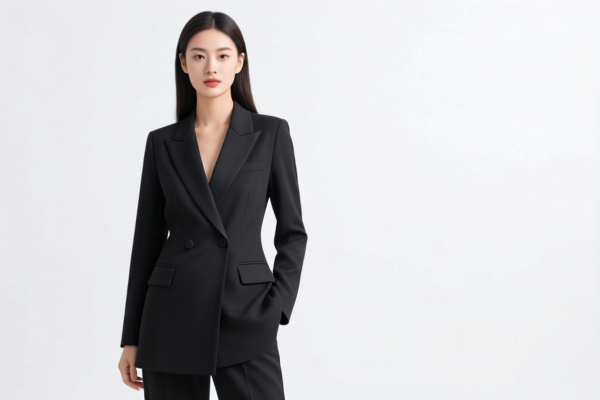
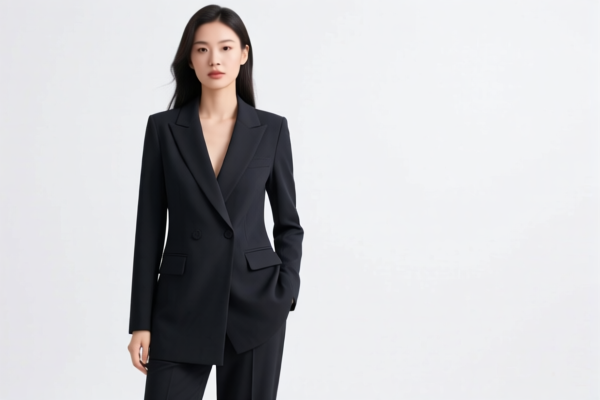
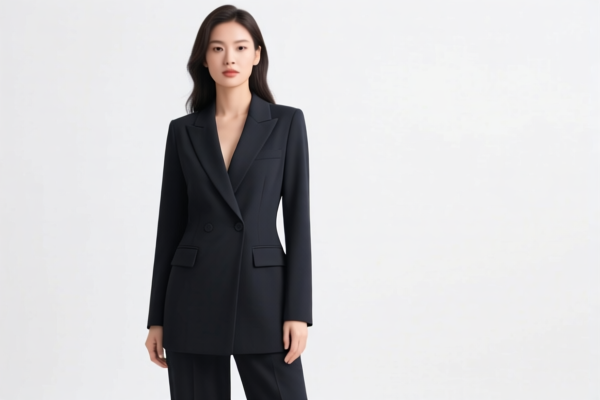
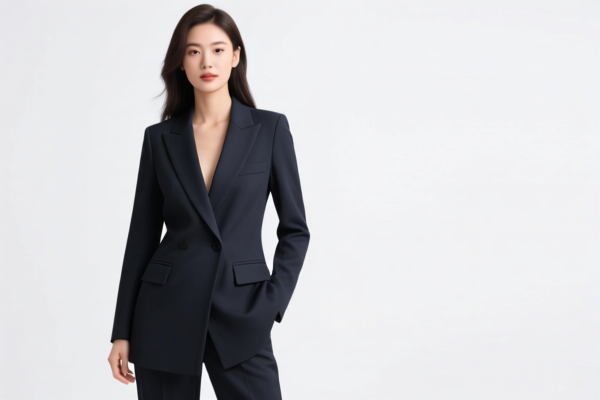
AI Analysis
👖 Women's Long Jeans (Blue Denim Trousers)
🌐 HS Code Reference & Customs Clearance Guide | 2026 Latest Tariff Analysis | Strategic Compliance Strategy
📌 I. Product Definition & Classification: Do You Truly Understand "Women's Long Jeans"?
Women's long jeans are finished consumer goods characterized by a specific fabric and form. In international trade, classification is strictly determined by two core attributes: 1. Material: "Denim" (牛仔布) explicitly identifies the material as Cotton Fabric (棉质织物). 2. Form: "Long Pants" (长裤) confirms the product is a finished good (成品消费品), not raw fabric or components.
⚠️ Key Classification Criteria:
- If the item is a finished pair of trousers made of denim → It falls under Chapter 62 (Articles of Apparel and Clothing Accessories, Not Knitted or Crocheted).
- The gender specification ("Women's") is critical for determining the specific 4-digit heading.
📦 II. HS Code Classification Details (Latest 2026 Tariff Reference)
Based on the provided data, the product "Women's Long Jeans" can be classified into the following HS Codes. Note that while the gender might suggest specific headings, the provided dataset indicates that these codes share identical tariff structures.
| HS Code | Product Description & Logic | Material/Form Match | Tax Rate |
|---|---|---|---|
6204.62.80.11 |
Women's Trousers: "Long pants" confirm finished good form; "Denim" confirms cotton fabric. | ✅ Perfect Match | 34.1% |
6204.62.15.11 |
Women's Trousers: Shape is long pants; material is denim; fits characteristics of "Women's Pants" & "Blue Denim". | ✅ Perfect Match | 34.1% |
6203.42.07.11 |
Men's Trousers: Note: Dataset includes this code. Material "Denim", form "Long Pants" fits definition of men's/marathon pants. | ⚠️ Gender Mismatch* | 34.1% |
6203.42.45.11 |
Men's Trousers: Note: Dataset includes this code. Shape/purpose consistent; material matches "Blue Denim". | ⚠️ Gender Mismatch* | 34.1% |
🔍 Critical Clarification:
- Primary Codes:6204.62...is the correct heading for Women's trousers.
- Secondary Codes:6203.42...is the heading for Men's trousers. The provided data includes these, likely for comparative or comprehensive error-checking purposes.
- Recommendation: For Women's jeans, prioritize6204.62.80.11or6204.62.15.11. Do not use6203codes unless the product is actually for men.
💰 III. 2026 Latest Tariff Rate Breakdown (Detailed Tax Structure)
✅ Applicable Country: United States (US)
✅ Origin: China (CN)
✅ Total Tax Rate: 34.1%
🎯 Detailed Tax Composition (All Codes)
All listed HS Codes in the dataset (6204.62.80.11, 6204.62.15.11, 6203.42.07.11, 6203.42.45.11) share the exact same tax structure:
| Tax Component | Rate | Description |
|---|---|---|
| Base Tariff | 16.6% | Standard Most Favored Nation (MFN) duty for cotton women's/men's trousers. |
| Section 301 Tariff | 7.5% | Additional duty imposed under Section 301 of the Trade Act of 1974 (China-specific). |
| Section 122 Tariff | 10% | Additional duty under Section 122 (often associated with specific trade remediation or policy clauses). |
| TOTAL | 34.1% | Sum: 16.6% + 7.5% + 10% = 34.1% |
📌 Explanation:
- The 34.1% rate is high due to the叠加 (stacking) of base tariffs and multiple punitive/additional duties (Section 301 + Section 122).
- Calculation:CIF Value × 34.1%= Total Duty Payable.
- De Minimis Exemption: ❌ Not Eligible. Goods with Section 301/122 tariffs generally do not qualify for the $800 de minimis exemption (Type 86/87 entries). Full formal entry is required.
🛠️ IV. Customs Clearance Practical Advice (Pitfall Avoidance Guide)
✅ 1. Required Documentation Checklist
| Document | Mandatory? | Explanation |
|---|---|---|
| Product Spec Sheet | ✔️ | Must state: "Women's Long Jeans," Material: 100% Cotton Denim, Color: Blue/Black/etc. |
| Commercial Invoice | ✔️ | Must clearly describe item as "Denim Trousers" or "Jeans." Avoid vague terms like "Garment." |
| Packing List | ✔️ | Detail quantity, weight, and dimensions. |
| Origin Certificate | ❌ (Optional) | While China-origin, ensure no preferential treatment is falsely claimed. |
| Photos of Goods | ✔️ | Clear images showing the finished product, labels, and seams. |
✅ 2. Declaration Tips (Key Mnemonic)
🔥 "Denim = Cotton, Women = 6204, Pants = Finished Good!"
| Scenario | Correct Declaration | Error to Avoid |
|---|---|---|
| Finished Women's Jeans | 6204.62.80.11 or 6204.62.15.11 |
Misclassifying as men's (6203) → Risk of penalty for incorrect gender classification. |
| Denim Fabric (Roll) | Chapter 52 (Not Chapter 62) | Declaring fabric as "Pants" → Misclassification. |
| Jeans with Pockets/Buttons | Still 6204 |
Don't declare buttons separately unless they are imported as parts. |
| OEM/Custom Orders | Provide Brand & Style # | Helps customs verify the specific "Women's" cut and fit. |
✅ 3. Special Handling Notes
| Situation | Advice |
|---|---|
| Gender Confusion | Ensure the invoice and label clearly state "Women's" or "Ladies" to justify 6204 over 6203. |
| Mixed Materials | If jeans are not 100% cotton (e.g., spandex blend), the "Denim" classification still holds if cotton is the primary fiber, but verify weight percentage. |
| Section 122/301 Impact | Budget for 34.1% total tax. This is a non-negotiable cost for China-origin goods. |
| De Minimis Risk | Do not use de minimis (Type 86) for these goods. Use Type 87 (Formal Entry) to ensure proper duty payment and avoid seizure. |
🌍 V. Global Market Comparison (2026)
| Country/Region | Recommended HS Code | Base Tariff | Additional Duties | Total Rate | Notes |
|---|---|---|---|---|---|
| 🇺🇸 USA | 6204.62.80.11 |
16.6% | +17.5% (Sec 301 + 122) | 34.1% | High cost due to multiple add-ons. |
| 🇨🇳 China | 6204.62.80.11 |
Varies | None | Low | Domestic import vs. Export. |
| 🇪🇺 EU | 6204.63 (Synthetic) or 6204.62 (Cotton) |
12% | None | ~12% | No Section 301/122. Lower cost. |
| 🇨🇦 Canada | 6204.62.00.00 |
16% | None | ~16% | No Section 301. |
📌 Conclusion:
- The US market is the most expensive for China-origin women's jeans due to the 34.1% combined tariff.
- EU, Canada, and ASEAN markets offer significantly lower tariff barriers (~12-16%), making them more competitive for pricing strategies.
📌 VI. Common Errors & Pitfalls (Lessons Learned)
❌ Error 1: Classifying Women's Jeans under 6203 (Men's)
👉 Consequence: Customs may reject or demand reclassification, leading to delays and potential fines for incorrect entry.
👉 Solution: Always double-check the gender in the product name and invoice.
❌ Error 2: Ignoring Section 122 Tariff
👉 Consequence: Underpayment of duty. Customs will assess penalties and interest.
👉 Solution: Ensure your accounting system applies the 10% Section 122 tariff explicitly.
❌ Error 3: Using De Minimis for Section 301/122 Goods
👉 Consequence: Package seizure, return, or destruction.
👉 Solution: Use formal entry methods for all China-origin apparel.
🎯 VII. Conclusion: Professional Declaration, Cost Efficiency, Compliance!
🎯 Remember the Key Points:
🔹 "Denim = Cotton, Women = 6204, Total Tax = 34.1%"
🔹 "Section 301 (7.5%) + Section 122 (10%) = 17.5% Add-ons"
🔹 "No De Minimis! Formal Entry Required!"
📌 Pro Tip:
If your jeans are not made in China (e.g., Vietnam, Bangladesh, Turkey), you may avoid the 7.5% Section 301 and 10% Section 122 tariffs, reducing the total to just the base rate (~16.6%).
Recommendation: Evaluate supply chain origin carefully. If US-bound, consider sourcing from non-China origins to save 17.5% on every pair!
📣 Immediate Action:
📞 Verify HS Code
6204.62.80.11with your broker.
📋 Ensure Invoice says "Women's Long Jeans - 100% Cotton Denim".
🚀 Plan for 34.1% duty in your margin calculation.
✨ Professional clearance starts with precise classification!
💼 Every cent counts in cross-border trade!
Customer Reviews
About HS Code Classification
The Harmonized System (HS) is an internationally standardized nomenclature developed by the World Customs Organization (WCO) to classify traded products. Over 200 countries use the HS system as the basis for customs tariffs, trade statistics, and import/export regulations.
Each HS code follows a hierarchical structure:
- Chapter (2 digits) — Broad category of goods (e.g., Chapter 84: Machinery and Mechanical Appliances)
- Heading (4 digits) — More specific grouping within the chapter
- Subheading (6 digits) — Internationally standardized breakdown, used by all WCO member countries
- National subdivisions (8-10 digits) — Country-specific extensions for further classification, such as US HTSUS 10-digit codes
Correct HS code classification is essential for smooth customs clearance, accurate duty payment, and compliance with trade regulations. Misclassification can lead to customs delays, overpayment of duties, or penalties.
When importing from CN to US, the applicable tariff rates may include:
- Most-Favored-Nation (MFN) rate — The standard duty rate applied to WTO members
- General rate — Applied to countries without trade agreements
- Trade remedy duties — Additional tariffs such as Section 301 (anti-dumping), Section 232 (national security), or countervailing duties
The information provided on this page is for reference purposes only. For official classification, please consult with your local customs authority or a licensed customs broker.