Women's One piece Swimsuit
CN → US| HS Code | Tariff Rate | Origin | Destination | Doc |
|---|---|---|---|---|
| 6112410010 | 42.4% | CN | US | Official Doc |
| 6211121010 | 21.8% | CN | US | Official Doc |
| 6211128010 | 17.5% | CN | US | Official Doc |
| 6112410030 | 34.9% | CN | US | Official Doc |
| 6114200040 | 28.3% | CN | US | Official Doc |
| 6114303030 | 32.4% | CN | US | Official Doc |
Product Images
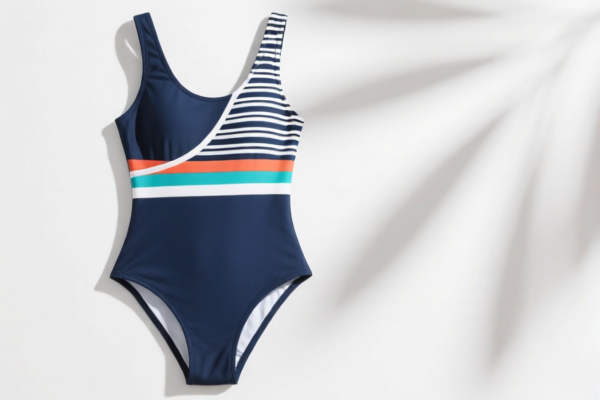
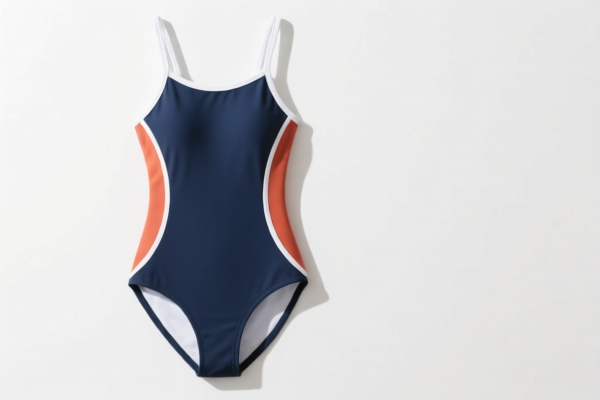
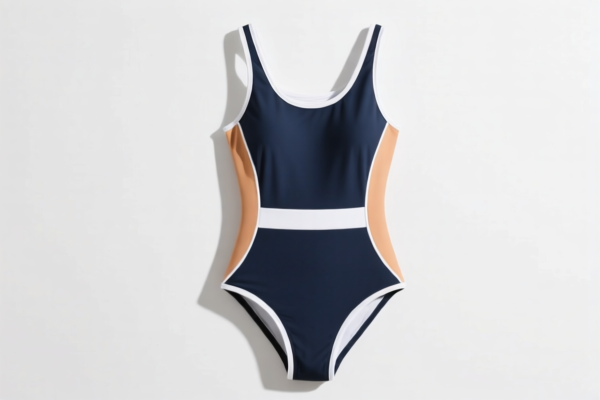
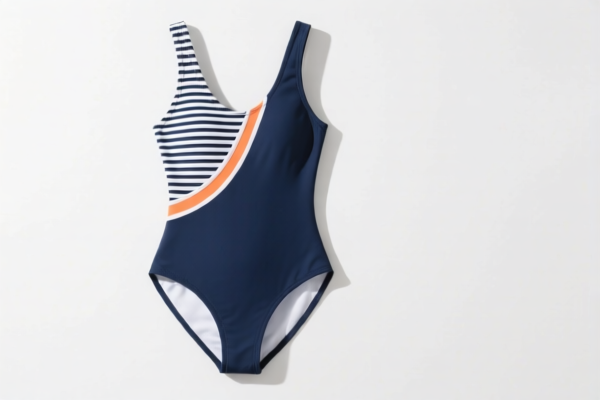
AI Analysis
👙 Women's One-Piece Swimsuit: HS Code & Customs Clearance Guide (2026)
🌐 HS Code Reference & Customs Strategy | 2026 Tax Analysis | Professional Clearance Guide
📌 I. Product Definition & Classification: What Defines a "One-Piece Swimsuit"?
A women's one-piece swimsuit is a garment designed for swimming or sunbathing, covering the torso in a single piece. In international trade, classification depends heavily on fabric composition (knitted vs. woven) and fiber content (synthetic, artificial, cotton, etc.).
⚠️ Critical Classification Rule:
- If the suit is knitted or crocheted (elastic/stretchy, made of jersey, lycra, spandex blends) →归入 Chapter 61 (Clothing, knitted/crocheted).
- If the suit is woven (non-stretch or minimal stretch, made of nylon mesh, polyester weave, cotton poplin) →归入 Chapter 62 (Clothing, not knitted).
- Note: Most modern swimwear is knitted due to elasticity requirements, but some fashion-forward or boardshort-style suits may be woven.
📦 II. HS Code Classification Matrix (Based on Provided Data)
Below are the specific HS codes and tax rates derived from the provided dataset. Each entry includes the exact tax breakdown.
| HS Code | Product Description (Summary) | Fabric Type | Total Tax Rate | Tax Breakdown |
|---|---|---|---|---|
| 6112.41.00.10 | Women's one-piece swimsuit, synthetic fiber with elastic fiber | Knitted/Synthetic + Elastic | 42.4% | Base: 24.9% Add-on: 7.5% Section 301: 10% |
| 6112.41.00.30 | Women's one-piece swimsuit, made of synthetic fiber | Knitted/Synthetic | 34.9% | Base: 24.9% Add-on: 0.0% Section 301: 10% |
| 6211.12.10.10 | Women's one-piece swimsuit, artificial fiber or similar fabric | Woven/Artificial | 21.8% | Base: 11.8% Add-on: 0.0% Section 301: 10% |
| 6211.12.80.10 | Women's one-piece swimsuit, cotton or other applicable materials | Woven/Cotton | 17.5% | Base: 7.5% Add-on: 0.0% Section 301: 10% |
| 6114.20.00.40 | Women's one-piece swimsuit, cotton-like or knitted cotton material | Knitted/Cotton-like | 28.3% | Base: 10.8% Add-on: 7.5% Section 301: 10% |
| 6114.30.30.30 | Women's one-piece swimsuit, artificial fiber like nylon, polyester | Knitted/Artificial (Nylon/Poly) | 32.4% | Base: 14.9% Add-on: 7.5% Section 301: 10% |
🔍 Key Observation:
- Cotton/Woven options (6211.12.80.10) offer the lowest total tax (17.5%).
- Synthetic Knitted (6112.41.00.10) has the highest total tax (42.4%) due to high base + add-on tariffs.
- Section 301 Tariff (10%) applies to ALL entries in the dataset. This is a non-negotiable cost for China-origin goods.
💰 III. 2026 Tax Rate Breakdown & Legal Basis
✅ Applicable Region: USA (US)
✅ Origin: China (CN)
✅ Effective Date: 2025-2026 Tax Period
🎯 1. High-Tax Category: 6112.41.00.10 (42.4%)
Most Common for Performance Swimwear (Lycra/Spandex Blends)
| Item | Detail |
|---|---|
| Base Tariff | 24.9% (General Rate) |
| Additional Tariff | 7.5% (Section 301 Add-on) |
| Section 301 Tariff | 10% (Specific China Surcharge) |
| Total Effective Rate | 42.4% |
| Calculation Basis | CIF Value × 42.4% |
| De Minimis Exemption | ❌ Not Eligible (Value > $800 threshold often applies; even if < $800, specific rules may apply, but typically high-duty goods are scrutinized) |
| Legal Path | HTSUS: 6112.41 → Footnote: Section 301 → IEEPA: 9903 |
📌 Explanation:
- This is the most expensive category. The high base tariff (24.9%) reflects the "knitted clothing" duty rate.
- The 7.5% add-on is likely due to specific trade remedy or statutory provisions.
- Strategy: Avoid this classification if possible. Opt for woven or cotton-based alternatives.
🎯 2. Mid-High Tax Category: 6114.30.30.30 (32.4%)
Common for Nylon/Polyester Knitted Swimwear
| Item | Detail |
|---|---|
| Base Tariff | 14.9% |
| Additional Tariff | 7.5% |
| Section 301 Tariff | 10% |
| Total Effective Rate | 32.4% |
| Calculation Basis | CIF Value × 32.4% |
📌 Explanation:
- Artificial fibers (nylon/polyester) in knitted form fall under 6114.
- Slightly cheaper than 6112.41 but still significant.
🎯 3. Low-Tax Category: 6211.12.80.10 (17.5%)
Cotton or Woven Swimwear
| Item | Detail |
|---|---|
| Base Tariff | 7.5% |
| Additional Tariff | 0.0% |
| Section 301 Tariff | 10% |
| Total Effective Rate | 17.5% |
| Calculation Basis | CIF Value × 17.5% |
📌 Explanation:
- Best Value Option. Cotton or woven fabrics have lower base duties.
- No additional 7.5% add-on.
- Strategy: If the design allows, use cotton blends or woven polyester for cost savings.
🎯 4. Balanced Category: 6211.12.10.10 (21.8%)
Artificial Fiber Woven Swimwear
| Item | Detail |
|---|---|
| Base Tariff | 11.8% |
| Additional Tariff | 0.0% |
| Section 301 Tariff | 10% |
| Total Effective Rate | 21.8% |
📌 Explanation:
- Artificial fibers (nylon/poly) but woven structure.
- Good compromise between performance and cost.
🎯 5. Mid-Tax Category: 6114.20.00.40 (28.3%)
Cotton-like Knitted Swimwear
| Item | Detail |
|---|---|
| Base Tariff | 10.8% |
| Additional Tariff | 7.5% |
| Section 301 Tariff | 10% |
| Total Effective Rate | 28.3% |
📌 Explanation:
- Knitted cotton-like materials incur a 7.5% add-on, making it more expensive than woven cotton.
🎯 6. Mid-High Category: 6112.41.00.30 (34.9%)
Synthetic Fiber Knitted (No Elastic Mention)
| Item | Detail |
|---|---|
| Base Tariff | 24.9% |
| Additional Tariff | 0.0% |
| Section 301 Tariff | 10% |
| Total Effective Rate | 34.9% |
📌 Explanation:
- Synthetic knit without elastic fiber.
- High base tariff (24.9%) dominates. No 7.5% add-on, but still expensive.
🛠️ IV. Customs Clearance Practical Advice
✅ 1. Document Checklist (Mandatory)
| Document | Requirement | Notes |
|---|---|---|
| Commercial Invoice | ✔️ | Must clearly state "Women's One-Piece Swimsuit" and HS Code. |
| Packing List | ✔️ | Detailed weight, dimensions, and item count. |
| Bill of Lading/Air Waybill | ✔️ | Standard shipping documents. |
| Product Specification Sheet | ✔️ | Crucial: Must specify fabric composition (e.g., "80% Polyester, 20% Spandex") and construction (Knitted/Woven). |
| Fabric Composition Label | ✔️ | Photo of the care label inside the swimsuit is highly recommended to prove fiber content. |
| Origin Certificate | ✔️ | If claiming FTA benefits (though Section 301 likely applies regardless). |
| FCC/CPSC Compliance | ✔️ | Not directly required for textiles, but Flammability Standards may apply. Ensure compliance with US 16 CFR 1610 (Standard for the Flammability of Clothing Textiles). |
✅ 2. Classification Strategy & Cost Optimization
🔥 "Fabric & Structure Determine Duty!"
| Scenario | Recommended HS Code | Total Tax | Action |
|---|---|---|---|
| Performance Swimwear (Spandex/Lycra) | 6112.41.00.10 |
42.4% | High Cost. Minimize use of high-elastic synthetic blends if cost is a concern. Consider woven alternatives. |
| Nylon/Polyester Knit | 6114.30.30.30 |
32.4% | Moderate-High. Common for fast-drying suits. |
| Woven Polyester/Nylon | 6211.12.10.10 |
21.8% | Cost-Effective. Use woven construction for fashion swimwear. |
| Cotton Blend | 6211.12.80.10 |
17.5% | Lowest Cost. Ideal for casual, beach-cover-up style one-pieces. |
| Knitted Cotton-Like | 6114.20.00.40 |
28.3% | Moderate. Avoid if possible due to 7.5% add-on. |
💡 Pro Tip:
- If the swimsuit is knitted, it falls under Chapter 61 (higher base duties).
- If woven, it falls under Chapter 62 (lower base duties).
- Always specify "Woven" if the fabric is non-stretch to qualify for lower rates.
✅ 3. Common Pitfalls & Risk Mitigation
| Pitfall | Consequence | Mitigation |
|---|---|---|
| Misdeclaring Knitted as Woven | Audit risk, penalties, back taxes | Provide accurate fabric test reports. |
| Ignoring Section 301 Tariff | Unexpected 10% charge at customs | Always budget for 10% additional duty for China-origin goods. |
| Vague Fabric Description | Customs classifies to highest duty | Use precise terms: "80% Nylon, 20% Spandex, Knitted, Elastic" vs. "Synthetic Fabric". |
| Incorrect Origin Marking | Potential duty evasion claims | Ensure "Made in China" is clearly marked on the product and packaging. |
🌍 V. Global Market Comparison (2026)
| Country | HS Code | Base Duty | Add-on | Section 301 | Total | Notes |
|---|---|---|---|---|---|---|
| 🇺🇸 USA | 6112.41.00.10 |
24.9% | 7.5% | 10% | 42.4% | Highest duty. |
| 🇺🇸 USA | 6211.12.80.10 |
7.5% | 0.0% | 10% | 17.5% | Lowest duty. |
| 🇪🇺 EU | 6112.41 | ~8-12% | 0% | 0% | ~8-12% | No Section 301. |
| 🇨🇳 China | 6112.41 | ~15-20% | 0% | 0% | ~15-20% | Import duty into China. |
| 🇦🇺 Australia | 6112.41 | ~10% | 0% | 0% | ~10% + GST | No Section 301. |
📌 Key Insight:
- USA is the only market in this dataset with Section 301 tariffs.
- Exporters should consider diversifying supply chains to non-China countries if targeting the US market to avoid the 10% surcharge.
- For EU/Asia markets, duty costs are significantly lower.
📌 VI. Conclusion: Strategic Recommendations
🎯 1. Product Design Adjustment
- Shift from Knitted to Woven: If performance allows, design swimsuits using woven fabrics to benefit from Chapter 62 HS codes (lower duties).
- Material Substitution: Use cotton blends where possible to access the lowest tax bracket (17.5%).
🎯 2. Supply Chain Strategy
- Origin Diversification: If targeting the US, consider manufacturing in Vietnam, Mexico, or Thailand to avoid the 10% Section 301 tariff.
- Pre-Ruling: Apply for an HTSUS Pre-Ruling with US CBP to confirm the classification and duty rate for specific designs.
🎯 3. Documentation Precision
- Explicit Fabric Description: Always include: "Women's One-Piece Swimsuit, [Fabric Type], [Construction Method], [Fiber Content]".
- Example:
"Women's One-Piece Swimsuit, Woven, 100% Polyester, No Elastic, Model XYZ"
→ HS Code:6211.12.10.10(21.8%)
vs.
"Women's One-Piece Swimsuit, Knitted, 80% Nylon, 20% Spandex"
→ HS Code:6114.30.30.30(32.4%)
🚀 Final Call to Action
✨ Optimize Your Duty Rate Today!
- Review your current fabric composition.
- Check if woven alternatives are feasible.
- Contact your customs broker to verify the latest HTSUS codes and Section 301 applicability.
- Consider origin strategy to mitigate 10% additional tariffs.💼 Precision in Classification = Profit in Your Pocket.
📞 Consult a Customs Expert to avoid costly misclassifications.
✨ Disclaimer:
This guide is based on the provided data and current trade policies. Tariff rates and regulations are subject to change. Always verify with official sources (US CBP, USITC) and professional customs brokers before importing.
Customer Reviews
About HS Code Classification
The Harmonized System (HS) is an internationally standardized nomenclature developed by the World Customs Organization (WCO) to classify traded products. Over 200 countries use the HS system as the basis for customs tariffs, trade statistics, and import/export regulations.
Each HS code follows a hierarchical structure:
- Chapter (2 digits) — Broad category of goods (e.g., Chapter 84: Machinery and Mechanical Appliances)
- Heading (4 digits) — More specific grouping within the chapter
- Subheading (6 digits) — Internationally standardized breakdown, used by all WCO member countries
- National subdivisions (8-10 digits) — Country-specific extensions for further classification, such as US HTSUS 10-digit codes
Correct HS code classification is essential for smooth customs clearance, accurate duty payment, and compliance with trade regulations. Misclassification can lead to customs delays, overpayment of duties, or penalties.
When importing from CN to US, the applicable tariff rates may include:
- Most-Favored-Nation (MFN) rate — The standard duty rate applied to WTO members
- General rate — Applied to countries without trade agreements
- Trade remedy duties — Additional tariffs such as Section 301 (anti-dumping), Section 232 (national security), or countervailing duties
The information provided on this page is for reference purposes only. For official classification, please consult with your local customs authority or a licensed customs broker.