Women's Onesie Pajamas
CN → US| HS Code | Tariff Rate | Origin | Destination | Doc |
|---|---|---|---|---|
| 6114200010 | 28.3% | CN | US | Official Doc |
| 6114200060 | 28.3% | CN | US | Official Doc |
| 6108310010 | 26.0% | CN | US | Official Doc |
| 6108320010 | 33.5% | CN | US | Official Doc |
| 6208210020 | 26.4% | CN | US | Official Doc |
Product Images
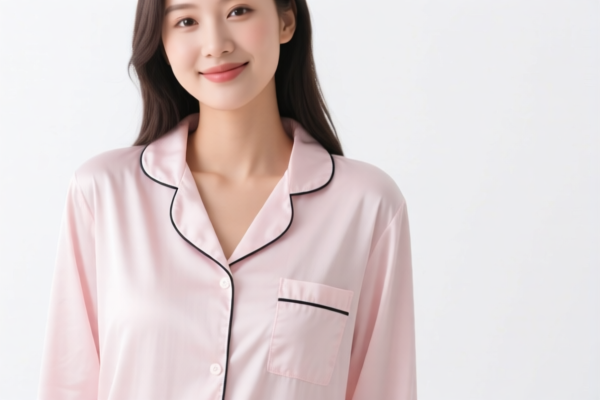
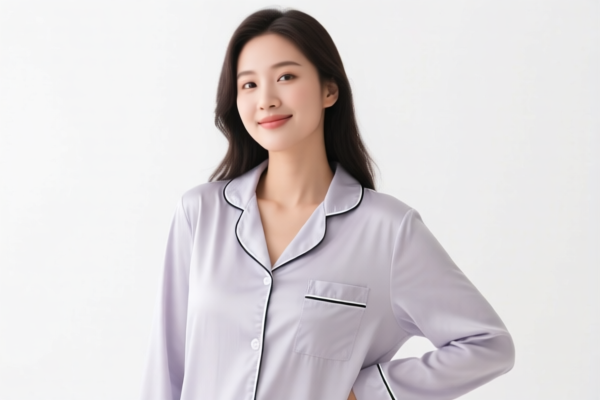
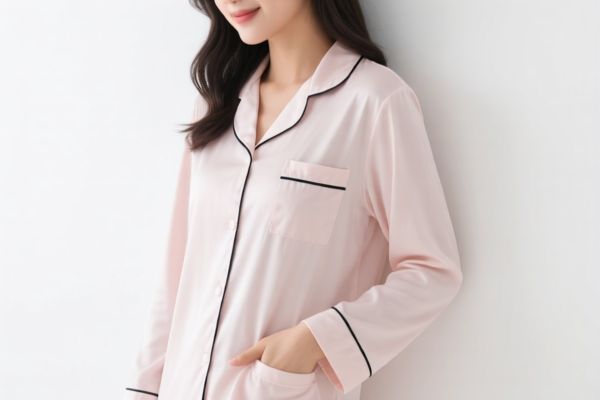

AI Analysis
👗 Women's Onesie Pajamas (Women's Nightwear & Sleepwear)
🌐 HS Code Reference & Clearance Guide | 2026 Latest Tariff Analysis | Professional Customs Strategy
📌 I. Product Definition & Classification: What Exactly is a "Women's Onesie"?
Women's Onesie Pajamas are a hybrid garment combining the comfort of loungewear with the structure of sleepwear. In international trade, their classification depends heavily on three factors: 1. Material Composition: Cotton vs. Synthetic (Polyester/Viscose). 2. Manufacturing Process: Knitted/Crocheted (Chapter 61) vs. Woven (Chapter 62). 3. Specific Use Case: General Nightwear vs. Specific "Sleepwear" designation.
⚠️ Key Classification Point:
- If made of Cotton (Knitted): Likely 6114.20.00.10 or 6108.31.00.10.
- If made of Synthetics (Knitted): Likely 6114.20.00.60 or 6108.32.00.10.
- If Woven (Less common for onesies, but possible for heavy flannel): 6208.21.00.20.
📦 II. HS Code Classification Details (2026 Tariff Authority Cross-Reference)
Based on the provided data, here are the 5 specific HS Codes mapped to different material and manufacturing scenarios for Women's Onesie Pajamas:
| HS Code | Product Description (Summary from Data) | Material Inference | Manufacturing Type | Total Tax Rate |
|---|---|---|---|---|
6114.20.00.10 |
Women's clothing, knitted/crocheted | Cotton or Polyester | Knitted | 28.3% |
6114.20.00.60 |
Women/Girls' wear, specifically Sleepwear | Cotton | Knitted | 28.3% |
6108.31.00.10 |
Women's Sleepwear, Knitted/Crocheted inferred | Cotton (implied by 6108.31) | Knitted | 26.0% |
6108.32.00.10 |
Women's Sleepwear, Synthetic Fiber | Artificial/Synthetic Fiber | Knitted | 33.5% |
6208.21.00.20 |
Women's Sleepwear, Woven | Cotton | Woven | 26.4% |
🔍 Critical Distinction:
- Knitted (61xx): Most onesies are knitted for stretch and comfort.
- Woven (62xx): Rare for onesies, but if it's a rigid flannel onesie, it may fall here.
- Sleepwear vs. General Wear: Codes6108.3xand6208.21specifically target "Sleepwear," which may have different duty bases than general "Women's Clothing" (6114).
💰 III. 2026 Latest Tariff Rate Breakdown (Including Surtaxes & Policy Add-ons)
✅ Applicable Country: United States (US)
✅ Origin: China (CN)
✅ Effective Date: Current applicable rates (Base + Section 301 + Section 122)
🎯 1. 6114.20.00.10 & 6114.20.00.60 — Knitted Women's Sleepwear/Other
(Cotton & Synthetic Knitted Garments)
| Item | Content |
|---|---|
| Base Duty Rate | 10.8% |
| Section 301 Surtax | +7.5% |
| Section 122 Tariff | +10% |
| Total Tax Rate | 28.3% |
| Tax Calculation | CIF Value × 28.3% |
| De Minimis Exemption? | ❌ NO (High tariff rates typically exclude de minimis, especially for apparel from China) |
| Legal Path | USITC:6114.20.00 → Footnote:301/122 |
📌 Explanation:
- Base 10.8%: Standard MFN rate for knitted cotton/synthetic apparel.
- 7.5% (Section 301): Additional duty on Chinese apparel imports.
- 10% (Section 122): Additional duty on articles meeting specific criteria (often applied to textiles/apparel from China).
- Total 28.3%: A significant barrier to entry. High-volume shipments must account for this in pricing.
🎯 2. 6108.31.00.10 — Knitted Women's Sleepwear (Cotton)
| Item | Content |
|---|---|
| Base Duty Rate | 8.5% |
| Section 301 Surtax | +7.5% |
| Section 122 Tariff | +10% |
| Total Tax Rate | 26.0% |
| Tax Calculation | CIF Value × 26.0% |
| De Minimis Exemption? | ❌ NO |
| Legal Path | USITC:6108.31.00 → Footnote:301/122 |
📌 Note:
- This code is slightly cheaper than6114because it is strictly classified as "Sleepwear" rather than general apparel.
- Savings: 2.3% less than6114codes. Ensure your product description explicitly states "Sleepwear/Nightwear" to qualify.
🎯 3. 6108.32.00.10 — Knitted Women's Sleepwear (Synthetic)
| Item | Content |
|---|---|
| Base Duty Rate | 16.0% |
| Section 301 Surtax | +7.5% |
| Section 122 Tariff | +10% |
| Total Tax Rate | 33.5% |
| Tax Calculation | CIF Value × 33.5% |
| De Minimis Exemption? | ❌ NO |
| Legal Path | USITC:6108.32.00 → Footnote:301/122 |
📌 Warning:
- Highest Tax Rate (33.5%). Synthetic sleepwear faces a higher base duty (16%) than cotton (8.5%).
- Impact: Margins are significantly squeezed. Consider if cotton blend or 100% cotton is more viable for the US market.
🎯 4. 6208.21.00.20 — Woven Women's Sleepwear (Cotton)
| Item | Content |
|---|---|
| Base Duty Rate | 8.9% |
| Section 301 Surtax | +7.5% |
| Section 122 Tariff | +10% |
| Total Tax Rate | 26.4% |
| Tax Calculation | CIF Value × 26.4% |
| De Minimis Exemption? | ❌ NO |
| Legal Path | USITC:6208.21.00 → Footnote:301/122 |
📌 Context:
- If your "Onesie" is made of thick woven cotton (e.g., flannel), use this code.
- Savings vs. Knitted Cotton (6108.31): Only 0.4% difference (26.4% vs 26.0%). Knitted is generally more comfortable for onesies, so6108.31.00.10is the preferred code for most products.
🛠️ IV. Clearance Practical Advice (Battle-Proven Pitfall Avoidance)
✅ 1. Required Documentation Checklist
| Document | Must Provide | Notes |
|---|---|---|
| ✅ Product Specification Sheet | ✔️ | Must specify Material Composition (e.g., 100% Cotton, 95% Poly/5% Spandex). |
| ✅ Care Label Image | ✔️ | Shows fiber content; crucial for verifying HS Code accuracy. |
| ✅ Commercial Invoice | ✔️ | Must clearly state "Women's Knitted Cotton Sleepwear" (Avoid generic "Clothing"). |
| ✅ Packing List | ✔️ | Detail items per box to verify volume and weight. |
| ✅ Photo of Garment | ✔️ | Show the "Onesie" style (full body, sleeves, legs) to confirm it's not just a top or bottom. |
✅ 2. Declaration Tips (Key Mantra)
🔥 "Be Specific, Avoid 'General Wear', Declare 'Sleepwear'!"
| Scenario | Correct Declaration | Wrong Declaration | Consequence |
|---|---|---|---|
| Cotton Knitted Onesie | "Women's Knitted Cotton Sleepwear, Onesie Style" | "Women's Pajamas" or "Kids' Clothing" | Risk of audit, potential re-classification to higher duty. |
| Polyester Knitted Onesie | "Women's Knitted Synthetic Fiber Sleepwear" | "Polyester Shirt" | Misclassification as general apparel (6114) might apply, but sleepwear code (6108.32) is more precise. |
| Material Mix | "60% Cotton, 40% Polyester" | "Cotton Pajamas" | If >50% synthetic, it may shift to synthetic-based codes. Verify thresholds. |
✅ 3. Special Case Handling
| Situation | Handling Advice |
|---|---|
| OEM Custom Onesies | Provide OEM invoice and design sheets. Ensure label says "Made in China" and includes fiber content. |
| Sample Shipments | Even samples are subject to 26-33% tariffs. Do not assume "Sample" = Duty-Free. |
| De Minimis (Section 321) | ❌ Not Applicable. Due to high tariff rates (>25%) and Chinese origin, Section 321 (under $800) does not apply. Full duty must be paid. |
| Hybrid Materials | If blend is >50% Cotton, use Cotton codes (6108.31 or 6208.21). If >50% Synthetic, use Synthetic codes (6108.32). |
🌍 V. Global Market Comparison (2026 Update)
| Country/Region | Recommended HS Code | Estimated Duty (China Origin) | Certifications Required | Notes |
|---|---|---|---|---|
| 🇺🇸 USA | 6108.31.00.10 (Cotton) |
26.0% | CPSIA (if child-sized), FTN | High tariffs due to 301/122. |
| 🇨🇳 China | 6108.31 |
~8.5% | N/A | Lower duty, but this guide is for US export. |
| 🇪🇺 EU | 6108.91 (approx) |
12% | REACH, CE (if electric, not applicable) | No Section 301/122 equivalent. |
| 🇨🇦 Canada | 6108.31 |
17.5% | N/A | Lower than US, but still significant. |
| 🇦🇺 Australia | 6108.31 |
10% | WELS, Safety Standards | Moderate duty. |
📌 Conclusion:
- The US market is the most expensive due to multiple surtaxes (301 + 122).
- Cotton Sleepwear (6108.31.00.10) offers the lowest total tax (26.0%) among the options.
- Synthetic Sleepwear (6108.32.00.10) is the most expensive (33.5%).
📌 VI. Common Errors & Pitfalls (Blood & Tears Lessons)
❌ Error 1: Declaring as "General Clothing" instead of "Sleepwear"
👉 Risk: If the product is clearly sleepwear but declared as general clothing, customs may penalize for misdeclaration. However, sometimes 6114 (28.3%) is similar to 6108.31 (26.0%). Precision is key.
❌ Error 2: Assuming De Minimis (Section 321) Applies
👉 Risk: Major Financial Loss. If you ship under $800 via USPS/UPS and declare it as "Gift" or "Sample," but the value is assessed as merchandise, and the HS code carries high duties, you may face unexpected bills and storage fees.
❌ Error 3: Incorrect Material Declaration
👉 Risk: If you declare 100% Cotton but tests show 60% Polyester, you may be reassigned to a higher duty code or face penalties for fraud.
✅ Correct Practice:
"Women's 1-Piece Cotton Sleepwear, Knitted, Onesie Style, Model XYZ, 100% Cotton"
🎯 VII. Conclusion: Professional Declaration, Maximize Profit!
🎯 Key Takeaways:
🔹 "Sleepwear" > "General Clothing": Aim for
6108.31.00.10(26.0%) over6114.20.00.10(28.3%) if it's truly sleepwear.
🔹 "Cotton" > "Synthetic":6108.31(26.0%) is significantly cheaper than6108.32(33.5%).
🔹 "No De Minimis": Budget for ~26-33% duty in all shipments.
📌 Pro Tip:
If you are importing large volumes, consider Advance Rulings from CBP to confirm the exact HS Code for your specific Onesie design. This provides legal certainty and prevents unexpected tariffs at customs.
📣 Action Required:
📞 Contact Customs Broker + Provide Material Tag Photo + Verify Sleepwear Design
🚀 Clear Customs Smoothly, Protect Margins, and Scale Your Business!
✨ Precision in Classification is Profit in Your Pocket!
💼 Your Landed Cost Depends on the First 10 Digits.
Customer Reviews
About HS Code Classification
The Harmonized System (HS) is an internationally standardized nomenclature developed by the World Customs Organization (WCO) to classify traded products. Over 200 countries use the HS system as the basis for customs tariffs, trade statistics, and import/export regulations.
Each HS code follows a hierarchical structure:
- Chapter (2 digits) — Broad category of goods (e.g., Chapter 84: Machinery and Mechanical Appliances)
- Heading (4 digits) — More specific grouping within the chapter
- Subheading (6 digits) — Internationally standardized breakdown, used by all WCO member countries
- National subdivisions (8-10 digits) — Country-specific extensions for further classification, such as US HTSUS 10-digit codes
Correct HS code classification is essential for smooth customs clearance, accurate duty payment, and compliance with trade regulations. Misclassification can lead to customs delays, overpayment of duties, or penalties.
When importing from CN to US, the applicable tariff rates may include:
- Most-Favored-Nation (MFN) rate — The standard duty rate applied to WTO members
- General rate — Applied to countries without trade agreements
- Trade remedy duties — Additional tariffs such as Section 301 (anti-dumping), Section 232 (national security), or countervailing duties
The information provided on this page is for reference purposes only. For official classification, please consult with your local customs authority or a licensed customs broker.