Women's Pajamas and Robes
CN → US| HS Code | Tariff Rate | Origin | Destination | Doc |
|---|---|---|---|---|
| 6114200010 | 20.8% | CN | US | Official Doc |
| 6114200060 | 28.3% | CN | US | Official Doc |
| 6108310010 | 26.0% | CN | US | Official Doc |
| 6208210020 | 26.4% | CN | US | Official Doc |
| 6108320010 | 33.5% | CN | US | Official Doc |
| 6208220000 | 33.5% | CN | US | Official Doc |
Product Images
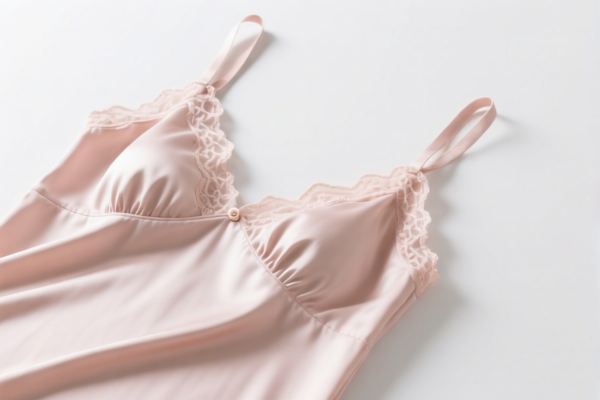
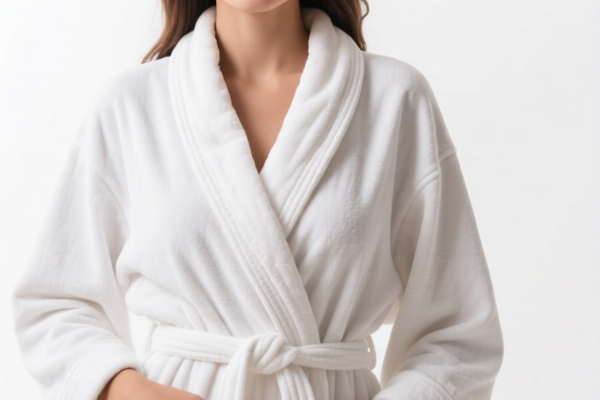
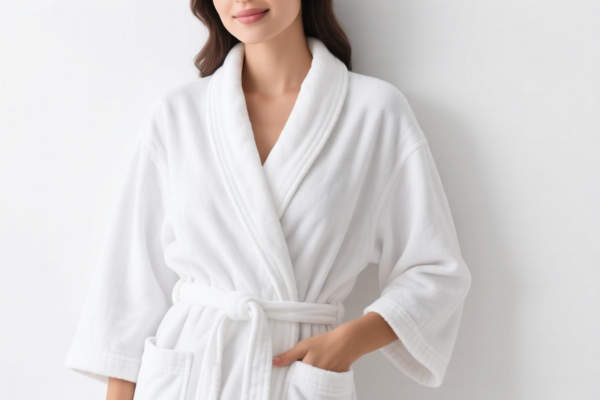
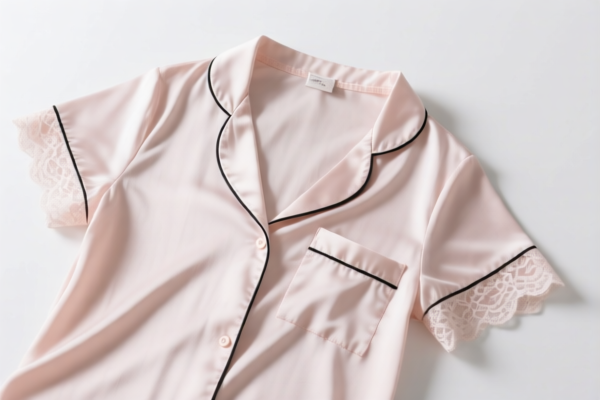
AI Analysis
👚 Women's Pajamas & Robes (Knitted/Crocheted & Non-Knitted)
🌐 HS Code Reference & Customs Clearance Guide | 2026 Latest Tariff Analysis | Professional Entry Strategy
📌 I. Product Definition & Classification: Understanding the Nuances of Loungewear
Women's pajamas and robes are essential leisure wear, but in international trade, their classification depends heavily on manufacturing method (knitted vs. woven), specific use (sleepwear vs. general knitwear), and material composition (Cotton vs. Man-made fibers). Misclassification can lead to significant duty differences due to Section 301 and Section 122 tariffs.
⚠️ Key Distinction:
- Sleepwear vs. General Apparel: Items specifically designed as pajamas/nightgowns often fall under heading 6108 or 6208. General knit tops/dresses worn at home fall under 6114.
- Knitted vs. Woven:
- Knitted/Crocheted: Heading 61xx
- Non-Knitted (Woven): Heading 62xx
- Material: Cotton (Heading .31) vs. Man-made Fibers (Heading .32/.22).
📦 II. HS Code Classification Matrix (2026 Latest Tariff Authority)
Based on the provided data, here are the 6 potential classifications for Women's Pajamas/Robes. Note the drastic difference in Total Tax Rates depending on the specific subheading.
| HS Code | Product Description & Logic | Material | Manufacturing | Total Tax Rate* |
|---|---|---|---|---|
| 6114.20.00.10 | Women's Garment (Knitted) Broad category matching form/audience. Not specifically declared as "Sleepwear". |
Cotton or Polyester (Inferred) | Knitted/Crocheted | 20.8% |
| 6114.20.00.60 | Women's Pajamas (Knitted) Specific match for form and use. Cotton material. |
Cotton | Knitted | 28.3% |
| 6108.31.00.10 | Women's Nightdresses & Pyjamas (Knitted) Specific match for use/form. Heading 6108 covers specific sleepwear items. |
Cotton (Inferred) | Knitted/Crocheted | 26.0% |
| 6208.21.00.20 | Women's Pyjamas (Non-Knitted) Specific match for use/form. Woven construction. |
Cotton | Woven (Non-knitted) | 26.4% |
| 6108.32.00.10 | Women's Pyjamas (Knitted) Specific sleepwear item made of man-made fibers. |
Man-made Fibers | Knitted/Crocheted | 33.5% |
| 6208.22.00.00 | Women's Pyjamas (Non-Knitted) Specific sleepwear item, woven, synthetic/natural blend. |
Synthetic/Natural | Woven (Non-knitted) | 33.5% |
*Total Tax Rate Includes: Base Duty + Section 301 Additional Duty + Section 122 Duty (if applicable).
Source: Derived from providedDATAJSON.
💰 III. Detailed Tariff Breakdown & Legal Basis
✅ Applicable Region: United States (US)
✅ Origin: China (CN)
✅ Key Policies: Section 301 (Trade Act), Section 122 (Executive Order on Imports)
🎯 1. The "Broad Category" Trap: 6114.20.00.10
- Logic: Classified as "Other articles of apparel and clothing accessories, knitted or crocheted." It matches the form (women's clothing) but fails to explicitly identify the use as sleepwear in the description summary.
- Tax Structure:
- Base Duty: 10.8%
- Section 301 (Add'l): 0.0%
- Section 122: 10%
- Total: 20.8%
- ⚠️ Risk: While the rate is the lowest, declaring "Pajamas" under this code is highly risky. If CBP determines the item is clearly sleepwear, they may reclassify it to 6108/6114.20.00.60, leading to retroactive duties and penalties. Only use this if the item is ambiguous (e.g., a loose knit tunic not clearly marketed as sleepwear).
🎯 2. The "Cotton Sleepwear" Standard: 6114.20.00.60 & 6108.31.00.10
- Logic: Explicitly identified as Women's Pajamas/Nightdresses made of Cotton.
- Tax Structure:
- Base Duty: 8.5% - 10.8%
- Section 301 (Add'l): 7.5%
- Section 122: 10%
- Total: 26.0% - 28.3%
- Comparison:
6108(Nightdresses/Pyjamas) is generally preferred over6114(Other) for sleepwear because it is more specific. However,6114.20.00.60applies a higher Section 301 rate (implied by the higher total) or Base Rate. Note: The data shows 6114.20.00.60 has 10.8% base + 0% 301? No, data says 10.8% Base, 0% 301, 10% 122 = 20.8% for .10. For .60, data says 10.8% Base, 7.5% 301, 10% 122 = 28.3%.- Correction from Data:
6114.20.00.60incurs the 7.5% Section 301. - Conclusion: If declared as Cotton Knitted Pajamas, expect ~28.3%.
- Correction from Data:
🎯 3. The "Man-Made Fiber" Penalty: 6108.32.00.10 & 6208.22.00.00
- Logic: Sleepwear made of synthetic/man-made fibers (Polyester, Nylon, etc.).
- Tax Structure:
- Base Duty: 16.0% (Higher than cotton's ~8-9%)
- Section 301 (Add'l): 7.5%
- Section 122: 10%
- Total: 33.5%
- ⚠️ Critical Insight: Synthetic fabrics attract significantly higher base duties. For polyester pajamas, the total tax burden is 33.5%, which is 60% higher than the cheapest cotton option (
6114.20.00.10if valid, or ~13% higher than cotton knitted sleepwear).
🎯 4. Woven Sleepwear: 6208.21.00.20
- Logic: Non-knitted (woven) cotton pajamas.
- Tax Structure:
- Base Duty: 8.9%
- Section 301 (Add'l): 7.5%
- Section 122: 10%
- Total: 26.4%
- Strategy: If your product is woven (e.g., flannel, sateen cotton), this is the standard classification. It is slightly cheaper than knitted cotton sleepwear (
6114.20.00.60) but more expensive than the ambiguous6114.20.00.10.
🛠️ IV. Customs Clearance Practical Advice (Avoid Pitfalls)
✅ 1. Documentation Checklist (Non-Negotiable)
| Document | Requirement | Why It Matters |
|---|---|---|
| Commercial Invoice | Must explicitly state: "Women's Cotton Knitted Pajamas, Set of 2" | Vague descriptions like "Clothing" trigger broad HS codes or audits. Specificity helps justify 6108 vs 6114. |
| Product Specifications | Detail fabric composition (e.g., "100% Cotton Jersey") and construction (Knitted vs. Woven). | Determines if you fall under Heading 61 or 62. |
| Tech Pack / Diagram | Show that it is a "Pyjama Set" (top+bottom) or "Nightgown". | Proves "Sleepwear" use, supporting 6108/6208 classification. |
| Photos | Clear front/back views, label showing size/material. | CBP officers use photos to verify if the item looks like sleepwear. |
| Section 122 Notification | If applicable, declare origin and value accurately. | Section 122 duty (10%) is applied uniformly but must be accounted for in landed cost. |
✅ 2. Classification Strategy: How to Choose?
| Scenario | Recommended HS Code | Reasoning |
|---|---|---|
| Item is clearly Pajamas/Nightgown & Knitted | 6108.31.00.10 (if Cotton) or 6108.32.00.10 (if Synthetic) |
Most accurate legal description for sleepwear. Avoids "misdeclaration" risk of using 6114. |
| Item is Woven Pajamas | 6208.21.00.20 (if Cotton) |
Correct heading for woven sleepwear. |
| Item is Ambiguous (e.g., Knit Robe/Tunic) | 6114.20.00.10 |
Lower tax (20.8%). Only use if the item is not clearly marketed as sleepwear and fits the broad "other apparel" definition. |
| High-Value Synthetic Pajamas | 6108.32.00.10 |
Unavoidable 33.5% rate. Consider sourcing non-China origin if margins are tight. |
✅ 3. Common Mistakes & Penalties
❌ Mistake 1: Declaring "Pajamas" as "General Knitted Clothing" (6114.20.00.10) to save taxes.
* Consequence: CBP may disagree, reclassify to 6108 or 6114.20.00.60, and charge back-duties + interest + penalties. The savings (5-10%) are not worth the risk of an audit.
❌ Mistake 2: Mixing Cotton and Synthetic descriptions. * Consequence: If you claim 100% Cotton but the material tag says 60% Polyester/40% Cotton, you may be classified under Man-Made Fiber rates (33.5%) or face scrutiny for false declaration.
❌ Mistake 3: Ignoring Section 122 (10%). * Consequence: Many importers forget this additional 10% duty. Ensure your Landed Cost Calculator includes this.
🌍 V. Quick Comparison Summary
| Classification | Material | Total Tax | Best For |
|---|---|---|---|
6114.20.00.10 |
Cotton/Poly | 20.8% | Ambiguous loungewear (High Risk) |
6108.31.00.10 |
Cotton (Knit) | 26.0% | Standard Knitted Cotton Pajamas |
6208.21.00.20 |
Cotton (Woven) | 26.4% | Standard Woven Cotton Pajamas |
6114.20.00.60 |
Cotton (Knit) | 28.3% | Alternative Knitted Pajama Classification |
6108.32.00.10 |
Synthetic (Knit) | 33.5% | Polyester/Nylon Pajamas |
6208.22.00.00 |
Synthetic (Woven) | 33.5% | Polyester/Nylon Sleepwear |
📌 VI. Final Conclusion & Action Plan
- Prioritize Accuracy: Use
6108or6208for clear sleepwear. The risk of using6114for explicit pajamas is too high. - Material Matters: Cotton sleepwear is ~7-13% cheaper in duties than synthetic sleepwear. If possible, shift supply chain to cotton for US-bound goods to save on the base duty difference.
- Calculate Landed Cost Correctly: Always include the 10% Section 122 duty + 7.5% Section 301 (for most 6108/6208 codes) in your pricing model.
- Get Pre-Ruling: If your product is on the borderline (e.g., a kimono-style robe), apply for a CBP Binding Ruling using the facts of your specific product to avoid post-entry audits.
🚀 Pro Tip: For
6114.20.00.10, ensure your marketing materials do not use words like "Pajamas," "Sleepwear," or "Nightgown." Use "Loungewear," "Knit Tunic," or "Casual Set." If you do, you are committing misdeclaration.
✨ Precision in Classification = Profit in Margin.
💼 Consult a licensed customs broker before shipping to verify the final HS Code against current CBP memos.
Customer Reviews
About HS Code Classification
The Harmonized System (HS) is an internationally standardized nomenclature developed by the World Customs Organization (WCO) to classify traded products. Over 200 countries use the HS system as the basis for customs tariffs, trade statistics, and import/export regulations.
Each HS code follows a hierarchical structure:
- Chapter (2 digits) — Broad category of goods (e.g., Chapter 84: Machinery and Mechanical Appliances)
- Heading (4 digits) — More specific grouping within the chapter
- Subheading (6 digits) — Internationally standardized breakdown, used by all WCO member countries
- National subdivisions (8-10 digits) — Country-specific extensions for further classification, such as US HTSUS 10-digit codes
Correct HS code classification is essential for smooth customs clearance, accurate duty payment, and compliance with trade regulations. Misclassification can lead to customs delays, overpayment of duties, or penalties.
When importing from CN to US, the applicable tariff rates may include:
- Most-Favored-Nation (MFN) rate — The standard duty rate applied to WTO members
- General rate — Applied to countries without trade agreements
- Trade remedy duties — Additional tariffs such as Section 301 (anti-dumping), Section 232 (national security), or countervailing duties
The information provided on this page is for reference purposes only. For official classification, please consult with your local customs authority or a licensed customs broker.