Women's Rain Poncho
CN → US| HS Code | Tariff Rate | Origin | Destination | Doc |
|---|---|---|---|---|
| 6114303070 | 32.4% | CN | US | Official Doc |
| 6114200060 | 28.3% | CN | US | Official Doc |
| 3926206000 | 35.0% | CN | US | Official Doc |
| 3926209050 | 40.0% | CN | US | Official Doc |
| 6202302010 | 26.4% | CN | US | Official Doc |
| 6202402005 | 45.2% | CN | US | Official Doc |
Product Images

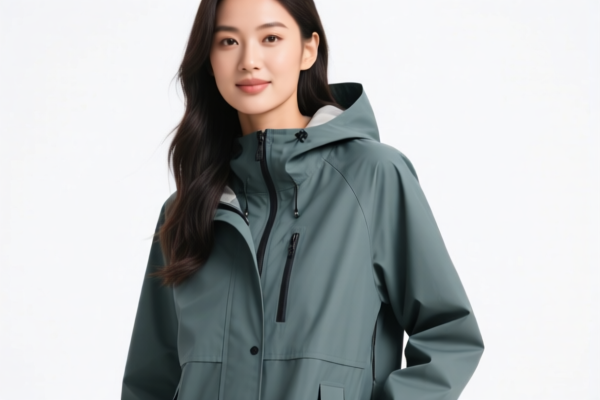
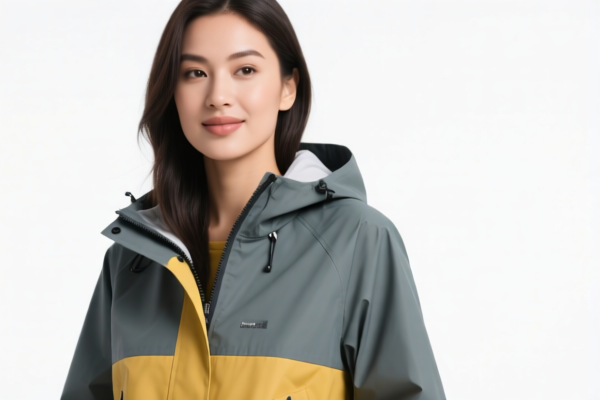
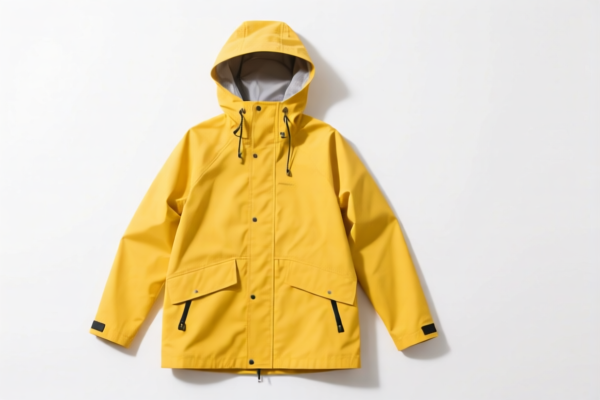
AI Analysis
☔ Women's Rain Poncho: HS Code Classification & Duty Strategy | 2026 Tariff Update
🌐 HS Code Reference & Clearance Guide | Latest Tariff Analysis | Professional Customs Strategy
📌 Part 1: Product Definition & Classification: Are You Wearing a Poncho or a Coat?
A Women's Rain Poncho is a rain garment designed to cover the upper body. In international trade, its classification depends strictly on two factors:
1. Material: Is it made of natural fibers (Cotton) or synthetic/man-made fibers?
2. Structure: Is it a knitted/crocheted item (Chapter 61) or a woven/non-knitted item (Chapter 62)?
⚠️ Critical Distinction:
- If it is knitted or crocheted (e.g., jersey, terry cloth, open-work knit) → It falls under Chapter 61.
- If it is woven, coated, or made of plastic/materials from Chapters 39-40 (e.g., PVC rainwear, nylon shell) → It falls under Chapter 62 (for fabrics) or Chapter 39 (for plastic articles).
📦 Part 2: HS Code Classification Details (2026 Latest Tariff对照)
Based on the provided dataset, here are the exact HS Codes for Women's Rain Ponchos/Garments, categorized by material and structure.
| HS Code | Product Description | Material/Structure | Key Identification Features |
|---|---|---|---|
| 6114.30.30.70 | Other garments, knitted or crocheted: Of man-made fibers: Other: Women's or girls' | Knitted/Crocheted + Man-Made Fibers (e.g., Polyester knit, Acrylic knit) |
• Must be knitted or crocheted. • Made of synthetic fibers. • Not specifically "raincoats" in Ch62. |
| 6114.20.00.60 | Other garments, knitted or crocheted: Of cotton Other: Women's or girls' | Knitted/Crocheted + Cotton |
• Must be knitted or crocheted. • Made of 100% cotton or cotton blend. • Soft, fabric-like texture. |
| 6202.30.20.10 | Women's or girls' overcoats...: Of cotton: ...Raincoats: Women's | Woven/Non-Knit + Cotton |
• Woven fabric (not knitted). • Specifically designed as a Raincoat. • Often water-resistant treated cotton. |
| 6202.40.20.05 | Women's or girls' overcoats...: Of man-made fibers: ...: Other Raincoats: Women's | Woven/Non-Knit + Man-Made Fibers (e.g., Polyester woven, Nylon shell) |
• Woven synthetic fabric. • Labeled as Raincoat or Rainwear. • Includes ponchos with seams/linings typical of woven goods. |
| 3926.20.60.00 | Articles of apparel...: Plastic rainwear... featuring an outer shell of polyvinyl chloride (PVC)... | Plastic (PVC) | • 100% Plastic material (not fabric). • Outer shell is PVC. • Often shiny, flexible, rubber-like feel. • Note: Specific valuation limit applies. |
| 3926.20.90.50 | Articles of apparel...: Other Other | Plastic (Non-PVC/Other) | • Plastic rainwear NOT meeting PVC criteria. • E.g., Polyurethane (PU) coated fabrics if classified as plastic articles. • Or other plastic garments not covered by 3926.20.60. |
🔍 Key Insight:
- Knitted vs. Woven: The biggest confusion is between Ch61 and Ch62. If the fabric is stretchy, looped, and knitted → Ch61. If it is woven, stiff, or coated → Ch62.
- Plastic vs. Fabric: If the "poncho" is a disposable or heavy-duty plastic sheet (like a PVC trench), it goes to Ch39. If it's a fabric raincoat (even if waterproof), it goes to Ch62.
💰 Part 3: 2026 Tariff Rate Breakdown (Including Surtaxes)
✅ Applicable Country: United States (US)
✅ Origin: China (CN)
✅ Effective Date: As per latest trade data (Check for 2026 updates)
🎯 1. 6114.30.30.70 (Knitted/Synthetic) & 6114.20.00.60 (Knitted/Cotton)
| Item | Details |
|---|---|
| Base Duty | 0.0% |
| Additional Duty (Section 301/IEEPA) | 0.0% |
| Total Tax | 0.0% |
| Explanation | Knitted garments generally have lower tariffs under current US trade policy for China. No surtax applies. |
🎯 2. 6202.30.20.10 (Woven/Cotton Raincoat) & 6202.40.20.05 (Woven/Synthetic Raincoat)
| Item | Details |
|---|---|
| Base Duty | 0.0% |
| Additional Duty (Section 301/IEEPA) | 0.0% |
| Total Tax | 0.0% |
| Explanation | Woven raincoats also currently enjoy 0% total duty. This makes them highly competitive. Ensure proper labeling as "Raincoat" to qualify for this subheading. |
🎯 3. 3926.20.60.00 (PVC Plastic Rainwear)
| Item | Details |
|---|---|
| Base Duty | 0.0% |
| Additional Duty (Section 301/IEEPA) | +25.0% |
| Total Tax | 25.0% |
| Explanation | High Alert! Plastic rainwear (PVC) is subject to a 25% surtax. This is significantly higher than fabric garments. |
🎯 4. 3926.20.90.50 (Other Plastic Articles)
| Item | Details |
|---|---|
| Base Duty | 0.0% |
| Additional Duty (Section 301/IEEPA) | 0.0% |
| Total Tax | 0.0% |
| Explanation | Other plastic apparel (non-PVC) may fall here with 0% tax, but careful classification is needed to avoid being misclassified as 3926.20.60.00. |
📌 Summary of Tariffs:
- Fabric Ponchos (Ch61/Ch62): 0% Tax
- PVC Plastic Ponchos (Ch39): 25% Tax
- Decision Driver: Material composition determines your duty cost.
🛠️ Part 4: Clearance Practical Advice (Pitfall Avoidance)
✅ 1. Documentation Checklist (Essential for Smooth Clearance)
| Document | Required? | Why? |
|---|---|---|
| ✅ Product Specification Sheet | ✔️ | Must state: Material (e.g., 100% Polyester Woven), Construction (Woven vs. Knitted), and Use (Rainwear). |
| ✅ Fabric Swatch/Photo | ✔️ | Customs officers often ask for physical samples to verify if it's knitted or woven. |
| ✅ Commercial Invoice | ✔️ | Clearly describe as "Women's Rain Poncho" or "Women's Raincoat". Avoid vague terms like "Garment". |
| ✅ Origin Certificate | ✔️ | To prove country of origin (China). |
| ✅ Labeling Photos | ✔️ | Show content labels: "100% Polyester", "Made in China", "Care Instructions". |
✅ 2. Classification Tips (Golden Rules)
🔥 “Material Defines Code, Structure Defines Chapter”
| Scenario | Correct HS Code | Common Mistake |
|---|---|---|
| Poncho made of Woven Polyester | 6202.40.20.05 |
❌ Mistakenly classifying as Ch61 (Knitted) |
| Poncho made of Knitted Polyester | 6114.30.30.70 |
❌ Mistakenly classifying as Ch62 (Woven) |
| Poncho made of Cotton Fabric | 6202.30.20.10 |
❌ Mistakenly classifying as Ch61 if not knitted |
| Poncho made of PVC Plastic | 3926.20.60.00 |
❌ Mistakenly classifying as Ch62 (Fabric) → 25% Surtax Saved! |
⚠️ Critical Warning for PVC:
If your poncho is made of polyvinyl chloride (PVC), do NOT classify it under Ch62. It MUST go to3926.20.60.00, which incurs 25% tax. However, if it is a fabric (even if coated with water-resistant PU), it goes to Ch62 with 0% tax. Verify the base material!
✅ 3. Special Cases
| Case | Recommendation |
|---|---|
| Mixed Material (e.g., Cotton Shell + Plastic Lining) | Classify based on the outer shell. If outer is cotton woven → 6202.30.20.10 (0%). |
| "Disposable" Plastic Ponchos | If they are thin, flexible, and clearly plastic → 3926.20.60.00 (25%). |
| Knitted Poncho with Plastic Coating | If the base is knit fabric, it remains Ch61 (6114.30.30.70) with 0% tax. |
🌍 Part 5: Global Market Comparison (2026)
| Country | Recommended HS Code | Duty Rate (China Origin) | Notes |
|---|---|---|---|
| 🇺🇸 USA | 6202.40.20.05 (Woven Synth) |
0% | Best for synthetic rainwear. |
| 🇺🇸 USA | 3926.20.60.00 (PVC) |
25% | High duty for plastic. |
| 🇪🇺 EU | 6202.30/6202.40 |
~4% - 12% | Standard MFN rates. |
| 🇨🇳 China | 6202.40.20.05 |
~10% | Import duty for foreign brands. |
📌 Conclusion:
The USA offers 0% duty for woven and knitted fabric ponchos. This is a significant advantage over plastic (PVC) ponchos, which are taxed at 25%. Focus on fabric-based rainwear for cost efficiency.
📌 Part 6: Common Errors & Pitfalls (Lessons Learned)
❌ Error 1: Classifying a woven polyester poncho as 6114 (Knitted)
👉 Consequence: Customs may reclassify and demand additional duties if the tariff rates differ (though both are 0% here, accuracy is key for compliance).
❌ Error 2: Classifying a PVC raincoat as 6202 (Woven Garment)
👉 Consequence: 25% Surtax Evasion. If caught, you will face back-duties, penalties, and potential seizure.
👉 Fix: Always inspect the material. If it’s shiny, flexible, and plastic-like → Ch39.
❌ Error 3: Vague Description: "Women's Clothing"
👉 Consequence: Customs will assign a generic HS code, potentially triggering higher scrutiny or incorrect duty calculation.
👉 Fix: Use specific terms: "Women's Woven Synthetic Rain Poncho".
✅ Correct Declaration Example:
"Women's Rain Poncho, Woven, 100% Polyester, Water-Resistant, Not Knitted. HS Code: 6202.40.20.05."
🎯 Part 7: Conclusion: Smart Classification Saves Money!
🎯 Remember the Rule of Thumb:
🔹 Fabric (Woven/Knit) = 0% Duty
🔹 Plastic (PVC) = 25% Duty
🔹 Check the Material First, Then the Structure!
📌 Pro Tip:
If you are importing from China to the US, prioritize fabric-based ponchos (Ch61/Ch62) to enjoy 0% duty. Avoid PVC plastic ponchos unless the volume is small enough to absorb the 25% cost.
📣 Immediate Action:
📞 Verify Material Composition: Ask suppliers for the exact fabric type (Knitted vs. Woven vs. Plastic).
📄 Label Correctly: Ensure product tags state "Woven" or "Knitted" clearly.
🚀 Classify Accurately: Use6202.40.20.05for synthetic woven rainwear to secure 0% Duty.
✨ Professional Clearance Starts with Accurate Classification!
💼 Don't Let a 25% Surcharge Erase Your Profit Margins!
Customer Reviews
About HS Code Classification
The Harmonized System (HS) is an internationally standardized nomenclature developed by the World Customs Organization (WCO) to classify traded products. Over 200 countries use the HS system as the basis for customs tariffs, trade statistics, and import/export regulations.
Each HS code follows a hierarchical structure:
- Chapter (2 digits) — Broad category of goods (e.g., Chapter 84: Machinery and Mechanical Appliances)
- Heading (4 digits) — More specific grouping within the chapter
- Subheading (6 digits) — Internationally standardized breakdown, used by all WCO member countries
- National subdivisions (8-10 digits) — Country-specific extensions for further classification, such as US HTSUS 10-digit codes
Correct HS code classification is essential for smooth customs clearance, accurate duty payment, and compliance with trade regulations. Misclassification can lead to customs delays, overpayment of duties, or penalties.
When importing from CN to US, the applicable tariff rates may include:
- Most-Favored-Nation (MFN) rate — The standard duty rate applied to WTO members
- General rate — Applied to countries without trade agreements
- Trade remedy duties — Additional tariffs such as Section 301 (anti-dumping), Section 232 (national security), or countervailing duties
The information provided on this page is for reference purposes only. For official classification, please consult with your local customs authority or a licensed customs broker.