Women's Robe
CN → US| HS Code | Tariff Rate | Origin | Destination | Doc |
|---|---|---|---|---|
| 6114200010 | 20.8% | CN | US | Official Doc |
| 6114200060 | 28.3% | CN | US | Official Doc |
| 6108310010 | 26.0% | CN | US | Official Doc |
| 6208210020 | 26.4% | CN | US | Official Doc |
| 6108320010 | 33.5% | CN | US | Official Doc |
Product Images
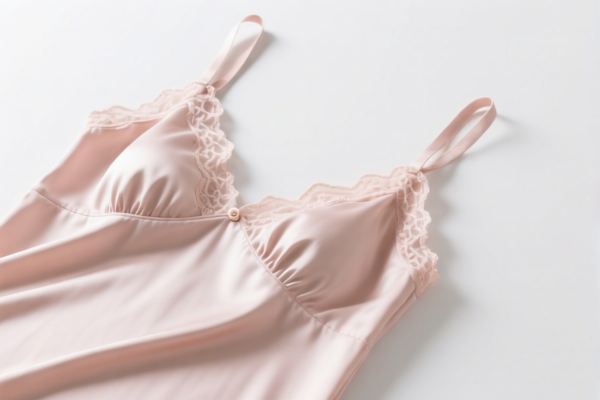
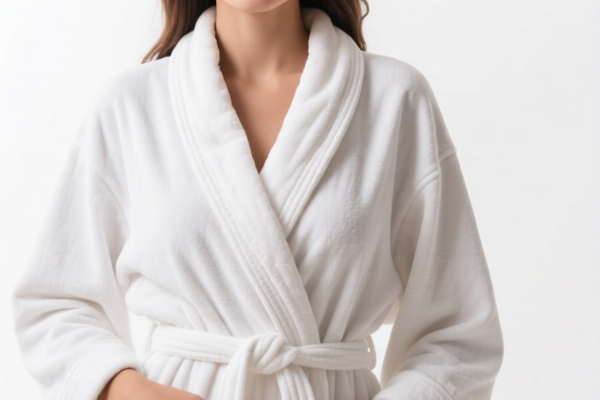
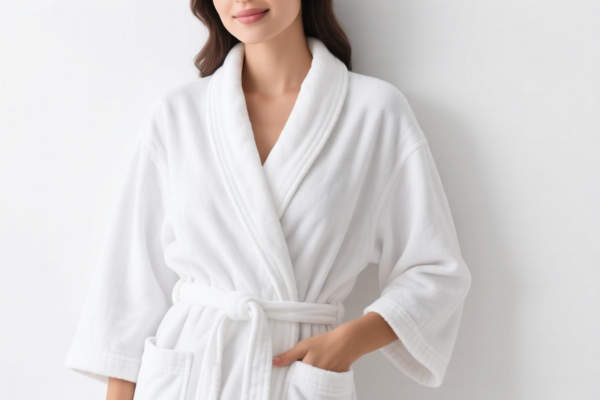
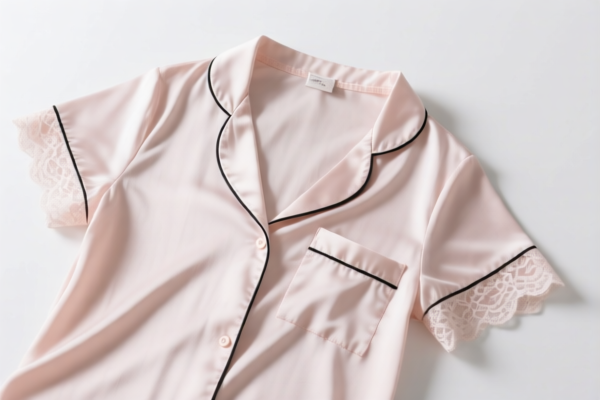
AI Analysis
👘 Women's Robe / Kimono-Style Garments
🌐 HS Code Reference & Customs Clearance Guide | 2026 Latest Tariff Analysis | Professional Entry Strategies
📌 I. Product Definition & Classification: Do You Really Understand "Women's Robe"?
A "Women's Robe" in international trade is a loose-fitting outer garment, typically knee-length or longer, with wide sleeves and a belt. It is often worn as loungewear, beachwear, or nightwear. The critical classification depends on three factors: 1. Knitted or Crocheted vs. Woven: Determines Chapter 61 vs. Chapter 62. 2. Material: Cotton vs. Man-made Fibers (Synthetic). 3. Specific Use: General wear vs. Specific "Nightwear/Pyjamas" classification.
⚠️ Key Distinction Point:
- If classified specifically as "Nightwear" (Pyjamas/Bathrobes) under HS 6108 or 6208, it may attract different base duties compared to general women's tops/dresses.
- Cotton vs. Synthetic significantly impacts the base tariff rate.
- 122 Section Tariff (10%) applies to most Chinese-origin goods under current US trade policies.
📦 II. HS Code Classification Details (2026 Latest Tariff Authority Comparison)
Based on the provided data, the following HS Codes are relevant for Women's Robes, categorized by material and type:
| HS Code | Product Description | Material Inference | Type/Usage | Total Tax Rate |
|---|---|---|---|---|
6114.20.00.10 |
Women's Garments, Knitted/Crocheted | Cotton or Polyester | General Women's Wear (Knitted) | 20.8% |
6114.20.00.60 |
Women's/Girls' Other Knitted Garments (e.g., Pyjamas) | Cotton | Specific Nightwear/Loungewear (Knitted) | 28.3% |
6108.31.00.10 |
Women's Nightwear, Knitted/Crocheted, of Cotton | Cotton | Female Pyjamas/Nightwear (Knitted) | 26.0% |
6208.21.00.20 |
Women's Nightwear, Woven, of Cotton | Cotton | Female Pyjamas/Loungewear (Woven) | 26.4% |
6108.32.00.10 |
Women's Nightwear, Knitted/Crocheted, of Man-made Fibers | Synthetic/Artificial | Female Pyjamas/Nightwear (Knitted) | 33.5% |
🔍 Critical Analysis:
- HS 6114.20.00.10 is the lowest cost option (20.8%) if the robe is considered general knitted wear (not specifically "nightwear" in the customs view) and made of cotton/poly.
- HS 6108.32.00.10 is the highest cost option (33.5%) for synthetic knitted nightwear.
- Knitted (Chapter 61) vs. Woven (Chapter 62): Most robes are knitted for comfort, but woven robes (like bathrobes) fall under 6208.
💰 III. 2026 Latest Tariff Rate Breakdown (Including Additional Duties & Policy Surcharges)
✅ Applicable Country: United States (US)
✅ Origin: China (CN)
✅ Effective Date: Post-2025 policies (122 Section Tariff active)
🎯 1. 6114.20.00.10 —— Women's Knitted Garments (Cotton/Poly) - Lowest Rate
| Item | Details |
|---|---|
| Base Tariff | 10.8% |
| Section 301 Surcharge | 0.0% |
| Section 122 Tariff | 10.0% |
| Total Tax Rate | 20.8% |
| Tax Calculation | CIF Value × 20.8% |
| De Minimis Exemption | ❌ Not Applicable (Deny De Minimis for Section 122/301 goods) |
| Legal Path | USITC:6114.20.00.10 → SECTION_122:10% |
📌 Explanation:
- This is the most favorable rate for knitted robes if they can be classified as general women's clothing rather than specific "nightwear."
- The 10% Section 122 Tariff is a significant addition to the 10.8% base rate.
🎯 2. 6114.20.00.60 —— Women's/Girls' Other Knitted Garments (Cotton, Nightwear)
| Item | Details |
|---|---|
| Base Tariff | 10.8% |
| Section 301 Surcharge | 7.5% |
| Section 122 Tariff | 10.0% |
| Total Tax Rate | 28.3% |
| Tax Calculation | CIF Value × 28.3% |
| De Minimis Exemption | ❌ Not Applicable |
| Legal Path | USITC:6114.20.00.60 → SECTION_301:7.5% → SECTION_122:10% |
📌 Note:
- Higher base rate due to specific classification as "Other" knitted garments (often nightwear).
- Section 301 (7.5%) applies, unlike the previous code.
🎯 3. 6108.31.00.10 —— Women's Knitted Nightwear (Cotton)
| Item | Details |
|---|---|
| Base Tariff | 8.5% |
| Section 301 Surcharge | 7.5% |
| Section 122 Tariff | 10.0% |
| Total Tax Rate | 26.0% |
| Tax Calculation | CIF Value × 26.0% |
| De Minimis Exemption | ❌ Not Applicable |
| Legal Path | USITC:6108.31.00.10 → SECTION_301:7.5% → SECTION_122:10% |
📌 Analysis:
- Lower base tariff (8.5%) due to specific "Nightwear" classification, but Section 301 applies.
- Total cost is higher than6114.20.00.10(26.0% vs 20.8%).
🎯 4. 6208.21.00.20 —— Women's Woven Nightwear (Cotton)
| Item | Details |
|---|---|
| Base Tariff | 8.9% |
| Section 301 Surcharge | 7.5% |
| Section 122 Tariff | 10.0% |
| Total Tax Rate | 26.4% |
| Tax Calculation | CIF Value × 26.4% |
| De Minimis Exemption | ❌ Not Applicable |
| Legal Path | USITC:6208.21.00.20 → SECTION_301:7.5% → SECTION_122:10% |
📌 Analysis:
- For woven robes (e.g., terrycloth bathrobes).
- Slightly higher total rate than knitted cotton nightwear due to higher base tariff.
🎯 5. 6108.32.00.10 —— Women's Knitted Nightwear (Man-made Fibers) - Highest Rate
| Item | Details |
|---|---|
| Base Tariff | 16.0% |
| Section 301 Surcharge | 7.5% |
| Section 122 Tariff | 10.0% |
| Total Tax Rate | 33.5% |
| Tax Calculation | CIF Value × 33.5% |
| De Minimis Exemption | ❌ Not Applicable |
| Legal Path | USITC:6108.32.00.10 → SECTION_301:7.5% → SECTION_122:10% |
📌 Critical Warning:
- Synthetic/Man-made fibers have a much higher base tariff (16.0%).
- This is the most expensive option (33.5%). Avoid if possible.
🛠️ IV. Customs Clearance Practical Advice (Avoiding Pitfalls)
✅ 1. Documentation Checklist (Essential)
| Document | Required | Notes |
|---|---|---|
| ✅ Product Description | ✔️ | Clearly state "Women's Knitted Woven Robe, 100% Cotton" |
| ✅ Material Composition | ✔️ | Must match HS Code exactly (Cotton vs. Polyester) |
| ✅ Function/Usage | ✔️ | Specify if "Nightwear," "Loungewear," or "Beach Cover-up" |
| ✅ Photos | ✔️ | Show label, fabric texture, and overall style |
| ✅ Commercial Invoice | ✔️ | Must include HS Code and CIF value |
| ✅ Packing List | ✔️ | Detail items per carton |
✅ 2. Declaration Strategy (Key Tips)
🔥 "Material First, Use Second, Code Third!"
| Scenario | Correct Declaration | Risk |
|---|---|---|
| Knitted Cotton Robe | 6114.20.00.10 (General Wear) or 6108.31.00.10 (Nightwear) |
Misclassifying as synthetic → 33.5% |
| Synthetic Robe | 6108.32.00.10 |
High tax (33.5%) unavoidable |
| Woven Cotton Bathrobe | 6208.21.00.20 |
Misclassifying as knitted → 26.0% (but risk of audit) |
| Mixed Material | Declare dominant fiber | If >50% cotton, use cotton codes |
📌 Note:
- If the robe is labeled as "Pajamas" or "Nightwear", customs may force6108or6208codes, increasing tax from 20.8% to 26.0%+.
- If it's a "Kaftan" or "Cover-up", try to classify under6114(20.8%) if possible, but provide strong evidence it's not primarily nightwear.
✅ 3. Special Cases
| Case | Handling Advice |
|---|---|
| OEM Branding | Ensure brand doesn't imply "luxury nightwear" if aiming for lower 6114 code |
| Sample Shipments | Same tariffs apply; no de minimis exemption for Section 122/301 goods |
| Return/Exchange | Keep original HS Code documentation |
🌍 V. Global Market Comparison (2026)
| Market | Recommended HS Code | Est. Tariff (China Origin) | Notes |
|---|---|---|---|
| 🇺🇸 USA | 6114.20.00.10 |
20.8% | Section 122 + Base Duty |
| 🇪🇺 EU | 6114.20.10 |
~12% | Lower base, no Section 122 |
| 🇨🇳 China | 6114.20.00 |
~15% | Import duty for export rebates |
| 🇦🇺 Australia | 6114.20.00 |
~5-10% | Lower overall cost |
📌 Conclusion:
- USA has the highest landed cost due to Section 122 (10%) and Section 301 (if applicable).
- Classify as General Knitted Wear (6114.20.00.10) if possible to save 5-7% vs. Nightwear codes.
- Avoid Synthetic Materials if targeting the US market due to 33.5% total tax.
📌 VI. Common Mistakes & Pitfalls (Lessons Learned)
❌ Mistake 1: Classifying a Cotton Robe as Synthetic
👉 Consequence: Tax jumps from 20.8% to 33.5% → Loss of profit margin!
❌ Mistake 2: Calling it "Pyjamas" when it's a "Beach Cover-up"
👉 Consequence: Customs may reclassify to 6108.31.00.10 (26.0%) instead of 6114.20.00.10 (20.8%).
❌ Mistake 3: Ignoring Section 122 Tariff
👉 Consequence: Underpayment by 10% → Penalties + Back Taxes.
❌ Mistake 4: Using De Minimis (Section 321) for Shipment < $800
👉 Consequence: Rejected! Section 122/301 goods are not eligible for de minimis exemption from US.
✅ Correct Practice:
"Women's Knitted Cotton Robe, Loungewear, Not Specifically Nightwear, 100% Cotton, Model XYZ, CIF Value $100."
🎯 VII. Conclusion: Precise Classification, Maximize Profit!
🎯 Remember:
🔹 "Cotton Knitted is King (20.8%)!"
🔹 "Synthetic is Pain (33.5%)!"
🔹 "Nightwear Costs More (26%+) than General Wear (20.8%)!"
🔹 "No De Minimis for Section 122/301!"
📌 Pro Tip:
- If your robe is 100% Cotton and Knitted, aim for
6114.20.00.10.- If it's Synthetic, consider sourcing from non-China origins to avoid Section 301/122, or accept the 33.5% cost.
- Always declare the exact material composition to avoid audits.
📣 Immediate Action:
📞 Consult your customs broker with fabric swatches and product photos.
🚀 Apply for Advance Ruling if shipping large volumes.
💼 Optimize your supply chain to favor Cotton Knitted goods for the US market.
✨ Professional Clearance Starts with Accurate Classification!
💼 Every Percentage Point Saved is Pure Profit!
Customer Reviews
About HS Code Classification
The Harmonized System (HS) is an internationally standardized nomenclature developed by the World Customs Organization (WCO) to classify traded products. Over 200 countries use the HS system as the basis for customs tariffs, trade statistics, and import/export regulations.
Each HS code follows a hierarchical structure:
- Chapter (2 digits) — Broad category of goods (e.g., Chapter 84: Machinery and Mechanical Appliances)
- Heading (4 digits) — More specific grouping within the chapter
- Subheading (6 digits) — Internationally standardized breakdown, used by all WCO member countries
- National subdivisions (8-10 digits) — Country-specific extensions for further classification, such as US HTSUS 10-digit codes
Correct HS code classification is essential for smooth customs clearance, accurate duty payment, and compliance with trade regulations. Misclassification can lead to customs delays, overpayment of duties, or penalties.
When importing from CN to US, the applicable tariff rates may include:
- Most-Favored-Nation (MFN) rate — The standard duty rate applied to WTO members
- General rate — Applied to countries without trade agreements
- Trade remedy duties — Additional tariffs such as Section 301 (anti-dumping), Section 232 (national security), or countervailing duties
The information provided on this page is for reference purposes only. For official classification, please consult with your local customs authority or a licensed customs broker.