Women's Shirts and Tops
CN → US| HS Code | Tariff Rate | Origin | Destination | Doc |
|---|---|---|---|---|
| 6206303045 | 32.9% | CN | US | Official Doc |
| 6106202010 | 49.5% | CN | US | Official Doc |
| 6114200010 | 20.8% | CN | US | Official Doc |
| 6206100050 | 24.4% | CN | US | Official Doc |
| 6206900040 | 24.2% | CN | US | Official Doc |
Product Images
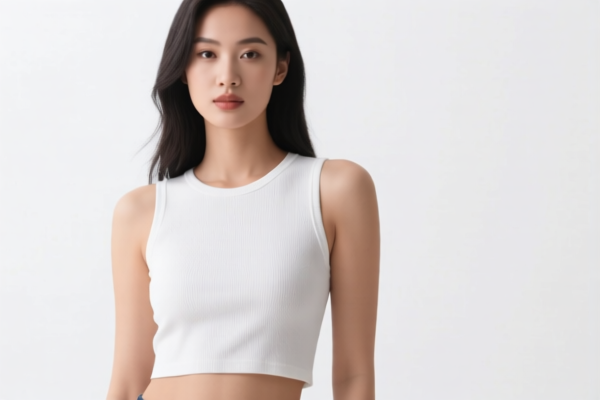
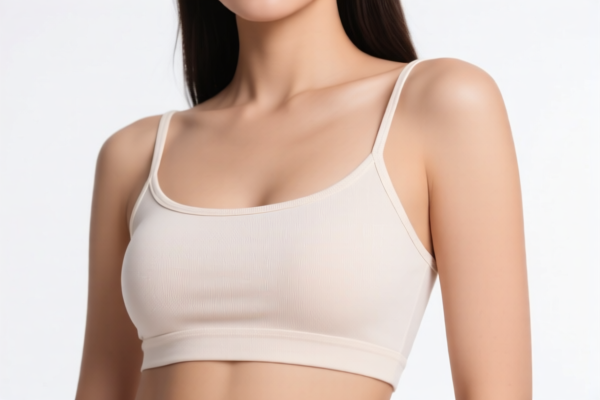
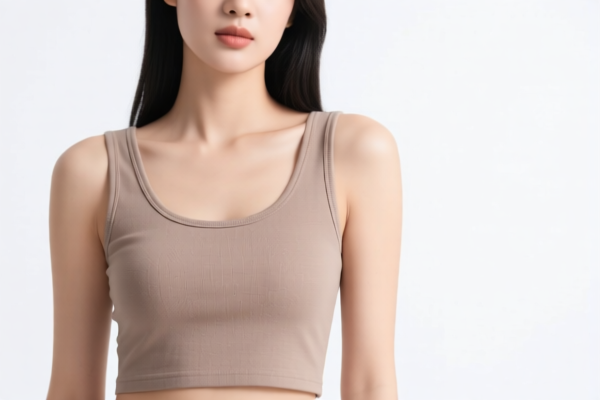
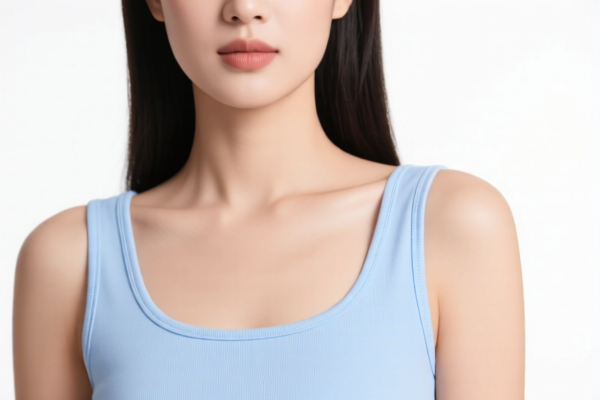
AI Analysis
👚 Women's Shirts & Tops: The Ultimate HS Code Classification & Tariff Guide (2026 Update)
🌐 HS Code Reference & Clearance Guide | 2026 Latest Tariff Analysis | Professional Customs Strategy
📌 Part 1: Product Definition & Classification – Do You Really Understand "Women's Shirts"?
Women’s shirts and tops are a critical category in the global apparel trade, covering everything from formal office wear to casual knitted pullovers. In international trade, misclassification leads to massive tariff discrepancies (e.g., 20.8% vs. 49.5%). The core distinction lies in:
- Construction Method: Knitted/Knit (
Chapter 61) vs. Woven/Non-Knit (Chapter 62). - Specific Design: Classic "Shirt" (button-down, collar) vs. General "Top" (blouse, pullover, generic upper garment).
- Material: Cotton, Synthetic Fibers, or "Other Textile Materials".
⚠️ Key Distinction Point:
- If the item is knitted (e.g., jersey, pullover) → Look at 61xx.
- If the item is woven (e.g., cotton dress shirt, silk blouse) → Look at 6206.
- If the design is not specifically a "shirt" (e.g., generic blouse, t-shirt) → It may fall under 6114 or 6206.90 ("Other").
📦 Part 2: HS Code Classification Details (2026 Latest Tariff Authority)
| HS Code | Product Description | Application Scenario | Key Classification Criteria |
|---|---|---|---|
6106.20.20.10 |
Women's shirts, knitted, made of synthetic fibers | Synthetic knitted shirts, polyester blends | ✅ Knitted + Synthetic + Shirt |
6206.30.30.45 |
Women's shirts, woven, cotton or other fibers | Woven cotton shirts, formal shirts | ✅ Woven + Shirt + Cotton/Other |
6114.20.00.10 |
Women's tops, knitted, cotton/textile | Knitted blouses, pullovers, generic tops | ✅ Knitted + Top (Not specific "shirt") + Cotton |
6206.10.00.50 |
Women's shirts/tops, woven, unspecified material | Woven tops where material is unclear/bottom-of-category | ✅ Woven + Top/Shirt + Unclear Material |
6206.90.00.40 |
Women's shirts/tops, woven, other textile materials | Woven blouses, non-cotton, non-synthetic specific categories | ✅ Woven + Top/Shirt + Other Textile |
🔍 Critical Reminder:
- "Shirt" vs. "Top": Customs authorities scrutinize the design. If it has a collar, button placket, and specific shirt cut → 6106/6206.10. If it is a generic upper garment without shirt-specific features → 6114/6206.90.
- Knitted vs. Woven: This is the primary split. Chapter 61 = Knitted; Chapter 62 = Woven.
- Material Matters: Cotton, synthetic, and "other" materials have different base rates, but the additional duties (see below) apply uniformly to most textile imports from China to the US.
💰 Part 3: 2026 Latest Tariff Rate Breakdown (Including Additional Taxes)
✅ Applicable Country: USA (US)
✅ Origin: China (CN)
✅ Effective Date: 2025/2026 (Current Policy)
🎯 1. 6106.20.20.10 – Women’s Knitted Synthetic Shirts
| Item | Detail |
|---|---|
| Base Duty | 32.0% |
| Section 301 Duty | +7.5% |
| Section 122 Duty | +10.0% |
| Total Duty Rate | 49.5% |
| Calculation | CIF Value × 49.5% |
| De Minimis Exemption | ❌ Not Allowed (Section 321 exemption blocked for textiles/apparel) |
| Legal Basis | HTSUS 6106.20.20.10 + USITC Footnotes for Section 301 & 122 |
📌 Explanation:
- This is the highest tariff tier in the dataset.
- Base 32.0%: Standard US MFN rate for knitted synthetic shirts.
- 7.5% (Section 301): Trump-era tariff maintained/modified for Chinese goods.
- 10% (Section 122): Additional duty on specific textile/apparel items.
- Total 49.5% significantly impacts profit margins.
🎯 2. 6206.30.30.45 – Women’s Woven Cotton/Other Shirts
| Item | Detail |
|---|---|
| Base Duty | 15.4% |
| Section 301 Duty | +7.5% |
| Section 122 Duty | +10.0% |
| Total Duty Rate | 32.9% |
| Calculation | CIF Value × 32.9% |
| De Minimis Exemption | ❌ Not Allowed |
| Legal Basis | HTSUS 6206.30.30.45 + USITC Footnotes |
📌 Explanation:
- Lower than knitted synthetics due to different base rates for woven cotton.
- Still subject to all additional punitive tariffs.
🎯 3. 6114.20.00.10 – Women’s Knitted Cotton Tops
| Item | Detail |
|---|---|
| Base Duty | 10.8% |
| Section 301 Duty | 0.0% |
| Section 122 Duty | +10.0% |
| Total Duty Rate | 20.8% |
| Calculation | CIF Value × 20.8% |
| De Minimis Exemption | ❌ Not Allowed |
| Legal Basis | HTSUS 6114.20.00.10 + USITC Footnotes |
📌 Explanation:
- Best Rate in the List (20.8%).
- Crucial Insight: This HS Code benefits from 0% Section 301 duty (likely due to specific trade relief or classification nuances for cotton knitted tops vs. shirts).
- Strategy: If your product is a generic knitted top (not a structured shirt), classifying here saves ~29% in duties compared to knitted shirts.
🎯 4. 6206.10.00.50 – Women’s Woven Shirts/Tops (Unclear Material)
| Item | Detail |
|---|---|
| Base Duty | 6.9% |
| Section 301 Duty | +7.5% |
| Section 122 Duty | +10.0% |
| Total Duty Rate | 24.4% |
| Calculation | CIF Value × 24.4% |
| De Minimis Exemption | ❌ Not Allowed |
| Legal Basis | HTSUS 6206.10.00.50 + USITC Footnotes |
📌 Explanation:
- Low base duty (6.9%) because it’s a "catch-all" for woven shirts/tops where material isn't specifically synthetic/cotton dominant.
- Still hits with 7.5% + 10% additional duties.
🎯 5. 6206.90.00.40 – Women’s Woven Other Textile Shirts/Tops
| Item | Detail |
|---|---|
| Base Duty | 6.7% |
| Section 301 Duty | +7.5% |
| Section 122 Duty | +10.0% |
| Total Duty Rate | 24.2% |
| Calculation | CIF Value × 24.2% |
| De Minimis Exemption | ❌ Not Allowed |
| Legal Basis | HTSUS 6206.90.00.40 + USITC Footnotes |
📌 Explanation:
- Similar to6206.10, but for "other" textile materials (e.g., wool blends, linen, mixed fibers not primarily cotton/synthetic).
- Lowest Base Duty on the list, but same additional penalties.
🛠️ Part 4: Practical Customs Clearance Advice (Pitfall Avoidance)
✅ 1. Documentation Checklist (Non-Negotiable)
| Document | Required? | Purpose |
|---|---|---|
| ✅ Product Specification Sheet | ✔️ | Must specify: Knitted/Woven, Material Content (%), Design (Collar/Button vs. Pullover). |
| ✅ Photos (Front/Back/Labels) | ✔️ | Visual proof of construction to determine "Shirt" vs. "Top". |
| ✅ Commercial Invoice | ✔️ | Must match HS Code description exactly. Use terms like "Women’s Knitted Cotton Top" or "Woven Cotton Shirt". |
| ✅ Bill of Lading/Air Waybill | ✔️ | Consistent with invoice. |
| ✅ Customs Bond | ✔️ | Required for commercial imports. |
⚠️ Warning: Vague descriptions like "Women's Clothes" will trigger customs audits, leading to delays, higher duty assessments, and potential fines.
✅ 2. Declaration Strategy (Key Rules)
🔥 Mnemonic:
"Knit vs. Woven First, Then Shirt vs. Top, Then Material!"
| Scenario | Correct HS Code | Duty Rate | Why? |
|---|---|---|---|
| Knitted Polyester Shirt | 6106.20.20.10 |
49.5% | Knitted + Synthetic + Shirt = High Base Duty |
| Woven Cotton Shirt | 6206.30.30.45 |
32.9% | Woven + Cotton + Shirt = Medium Base Duty |
| Knitted Cotton Blouse | 6114.20.00.10 |
20.8% | Knitted + Cotton + Top (not shirt) = Lowest Rate |
| Woven Silk Blouse | 6206.90.00.40 |
24.2% | Woven + Other Textile + Top = Low Base Duty |
💡 Pro Tip:
- If your product is a knitted top without a collar or buttons, classify as 6114.20.00.10 instead of 6106. This saves 28.7% in duties (20.8% vs. 49.5%).
- If your product is woven but not a classic shirt (e.g., a loose blouse), consider 6206.90.00.40 (24.2%) instead of 6206.10 or 6206.30 if the material doesn't fit those specific categories.
✅ 3. Special Considerations
| Situation | Advice |
|---|---|
| Section 321 (De Minimis) Exemption | ❌ Do Not Rely. Textiles/Apparel are explicitly excluded from the $800 de minimis exemption. All shipments are subject to duties. |
| Material Misdeclaration | High Risk. If you declare "Cotton" but it’s 51% Polyester, you may be liable for the higher 6106 rate + penalties. |
| "Other" Categories (6206.90/6206.10) | Use only if material/design doesn't fit specific subheadings. Be prepared to provide detailed material breakdowns if audited. |
| Section 122 Duty | Applies to all 5 HS Codes in this list. It is a fixed 10% on top of base + 301. |
🌍 Part 5: Global Market Comparison (2026)
| Market | Recommended HS Code | Base Duty | Additional Duties (China) | Total Est. Duty | Notes |
|---|---|---|---|---|---|
| 🇺🇸 USA | See Above | 6.7%–32.0% | +7.5% (301) + 10% (122) | 20.8%–49.5% | Strict enforcement. De minimis blocked. |
| 🇨🇳 China | 6106/6206 | 0%–15% | None | 0%–15% | No Section 301/122. Favors importers. |
| 🇪🇺 EU | 6106/6206 | 8%–12% | None (mostly) | 8%–12% | No Section 301/122. Lower overall cost. |
| 🇨🇦 Canada | 6106/6206 | 0%–17.5% | None (CUSMA) | 0%–17.5% | CUSMA benefits for eligible goods. |
📌 Conclusion:
- USA is the most expensive market due to layered tariffs (Base + 301 + 122).
- EU/Canada offer significantly lower landed costs. Consider supply chain diversification if volume is high.
📌 Part 6: Common Mistakes & Pitfalls
❌ Mistake 1: Classifying a Knitted Cotton Top as 6106.20 (Synthetic)
👉 Result: Duty jumps from 20.8% to 49.5%. Loss of 28.7% margin.
❌ Mistake 2: Calling a Blouse a "Shirt" to use 6206.10
👉 Result: If it lacks shirt features (collar, placket), customs may reject and reclassify to 6206.90 or 6114, causing delays.
❌ Mistake 3: Assuming De Minimis Applies
👉 Result: Shipments under $800 are not exempt for apparel/textiles. They will be held and assessed duties.
❌ Mistake 4: Ignoring Section 122
👉 Result: Forgetting the 10% additional duty leads to underpayment and penalties.
✅ Correct Action:
Precise Description: "Women’s Knitted Cotton Pullover, No Collar, No Buttons – Top (Not Shirt)" → 6114.20.00.10
Precise Description: "Women’s Woven Cotton Button-Down Shirt with Collar" → 6206.30.30.45
🎯 Part 7: Conclusion – Precision Saves Money
🎯 Key Takeaways:
🔹 "Knit vs. Woven" is Step 1.
🔹 "Shirt vs. Top" is Step 2.
🔹 "Cotton vs. Synthetic" is Step 3.
🔹 USA Tariffs are High: 20.8% to 49.5%. Every percentage point counts.
🔹 Best Rate:6114.20.00.10(20.8%) – Knitted Cotton Tops.
📌 Pro Tip:
If your product is a generic knitted top, avoid "Shirt" in the description. Use "Top," "Blouse," or "Pullover" and ensure it lacks shirt-specific features (collar, buttons). This simple change can cut your duty by half.
📣 Immediate Action:
📞 Audit Your Current HS Codes against the 5 codes above.
📸 Document Product Features (Collar? Buttons? Knitted?).
📉 Reclassify if Possible to lower-tier codes (6114or6206.90).
🚀 Save 20–30% in Duties by getting it right!
✨ Professional Customs Clearance Starts with Accurate Classification!
💼 Your Profit Margin Depends on the HS Code You Choose!
Customer Reviews
About HS Code Classification
The Harmonized System (HS) is an internationally standardized nomenclature developed by the World Customs Organization (WCO) to classify traded products. Over 200 countries use the HS system as the basis for customs tariffs, trade statistics, and import/export regulations.
Each HS code follows a hierarchical structure:
- Chapter (2 digits) — Broad category of goods (e.g., Chapter 84: Machinery and Mechanical Appliances)
- Heading (4 digits) — More specific grouping within the chapter
- Subheading (6 digits) — Internationally standardized breakdown, used by all WCO member countries
- National subdivisions (8-10 digits) — Country-specific extensions for further classification, such as US HTSUS 10-digit codes
Correct HS code classification is essential for smooth customs clearance, accurate duty payment, and compliance with trade regulations. Misclassification can lead to customs delays, overpayment of duties, or penalties.
When importing from CN to US, the applicable tariff rates may include:
- Most-Favored-Nation (MFN) rate — The standard duty rate applied to WTO members
- General rate — Applied to countries without trade agreements
- Trade remedy duties — Additional tariffs such as Section 301 (anti-dumping), Section 232 (national security), or countervailing duties
The information provided on this page is for reference purposes only. For official classification, please consult with your local customs authority or a licensed customs broker.