Women's Sports Shorts Made of 5603 Fabric
CN → USProduct Images
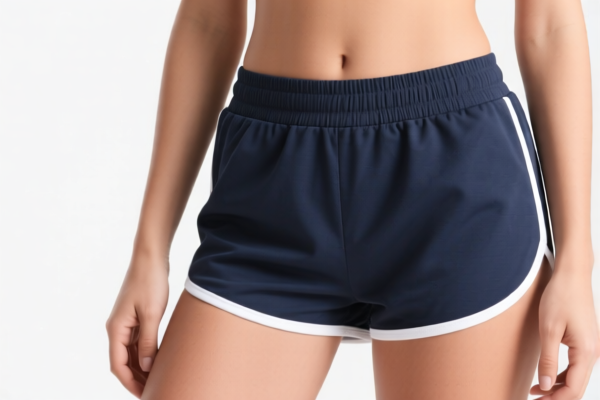
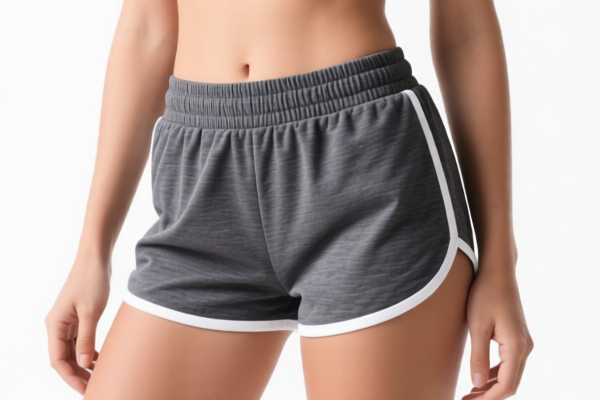
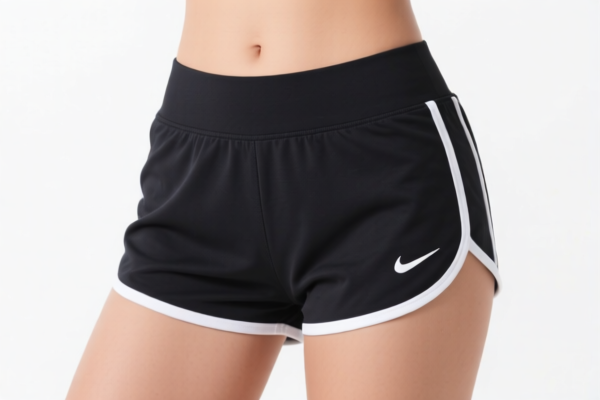
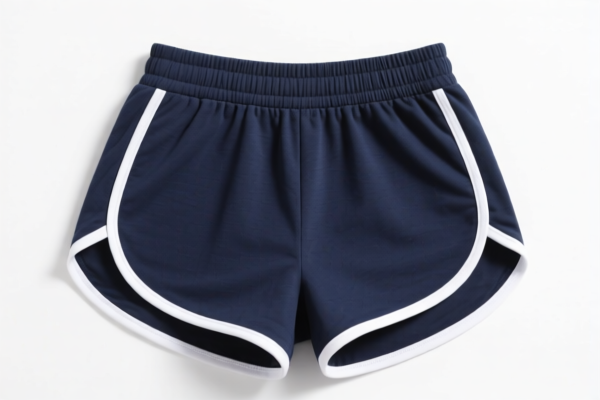
AI Analysis
🩳 Women's Sports Shorts (Fabric 5603) | Global Trade & Customs Classification Guide 2026
🌐 HS Code Reference & Clearance Strategy | 2026 Latest Tariff Breakdown | Professional Compliance Protocol
📌 Section 1: Product Definition & Fabric Analysis — What is "Fabric 5603"?
Women's Sports Shorts made of Fabric 5603 refer to athletic bottoms constructed from Synthetic Nonwoven Fabrics. According to the Harmonized System (HS), heading 5603 specifically covers "Nonwovens, whether or not impregnated, coated, covered or laminated".
Key Fabric Characteristics: * Composition: 100% Synthetic fibers (e.g., Polyester, Nylon) in a nonwoven structure (melt-blown, spunbonded, or needle-punched). * Usage: Often used in disposable athletic gear, compression liners, or specific performance wear requiring breathability and moisture-wicking without traditional weaving. * Critical Distinction: Unlike standard woven knits (Chapter 61 or 62), nonwovens have a different manufacturing process and are often treated as industrial or semi-disposable textiles depending on the final product's durability.
⚠️ Crucial Classification Point:
- If the shorts are made of woven/knitted synthetic fabric → They belong to Chapter 61 or 62.
- If the shorts are made of nonwoven fabric (HS Heading 5603) → They fall under Chapter 56 or Chapter 61/62 depending on the specific construction rules (often Chapter 61 for "made up" garments, but the fabric origin triggers specific subheading nuances).
Note: In strict HS classification, "Garments" of nonwovens usually fall under Chapter 61 (Knitted) or Chapter 62 (Not Knitted) for women's trousers, but the fabric definition (5603) is the critical input for the duty rate. However, for finished garments, we must look at the garment heading (61.04 or 62.04) while considering the fabric content.
Correction for Precision: Finished garments of nonwoven fabric (5603) are typically classified under 61.04 (Knitted/ crocheted) if the nonwoven has been processed to simulate knitting, or 62.04 (Not knitted) if it is a simple nonwoven sheet sewn together. Most "Sports Shorts" of 5603 fabric are treated as Not Knitted nonwovens, falling under Heading 62.04.
📦 Section 2: HS Code Classification Details (2026 Latest Tariff Authority)
| HS Code | Product Description | Application | Fabric Structure |
|---|---|---|---|
| 6204.63.20.10 | Women's shorts, trousers & shorts (synthetic fiber, not knitted) | Standard sports shorts, gym wear, hiking | ✅ Nonwoven (5603) or Woven |
| 6204.69.80.00 | Other women's trousers, shorts (mixed/special synthetic) | Specialty athletic wear, non-standard cuts | ✅ Nonwoven (5603) |
| 6104.63.20.10 | Women's shorts, trousers (knitted/crocheted, synthetic) | If the 5603 fabric is processed as "knitted-like" | ❌ Not Applicable for Standard 5603 |
🔍 Priority Alert:
- Most Common Classification: 6204.63.20.10 (Synthetic fiber, not knitted). Even if made of 5603 nonwoven, if it is sewn into a garment, it is usually classified under Chapter 62.
- Why 6204? The HS General Rules of Interpretation (GRI) state that if a garment is made from nonwovens, it is classified under the appropriate chapter for the type of garment (Trousers/Shorts) rather than the fabric chapter, unless it is explicitly "made up of nonwovens" in a specific industrial context.
- USA Specifics: For US imports, the classification often defaults to 6204.63.20 for "Women's shorts, synthetic, not knitted".
💰 Section 3: 2026 Latest Tariff Rate Breakdown (USA Market Focus)
✅ Applicable Country: United States (US)
✅ Country of Origin: China (CN)
✅ Effective Date: 2026 (Includes Section 301 & IEEPA adjustments)
🎯 1. HS Code 6204.63.20.10 — Women's Shorts (Synthetic, Not Knitted)
| Item | Content |
|---|---|
| Base Tariff (Most Favored Nation) | 16.4% (General Duty) |
| Section 301 Additional Duty (USITC) | +25% (China-specific "301 List 3/4" items) |
| IEEPA Additional Duty (China) | +10% (Under IEEPA 9903.01.24/25) |
| Total Effective Rate | 51.4% |
| Tax Calculation Basis | CIF Value × 51.4% |
| De Minimis Eligibility | ❌ No (Value > $800, not applicable for bulk) |
| Legal Pathway | USITC:6204.63.20 → 301 List 3 → IEEPA:9903.01.24 |
📌 Explanation:
- Base Rate (16.4%): Standard duty for synthetic women's shorts.
- Section 301 (25%): Most synthetic apparel from China is on "List 3" or "List 4", triggering this massive surcharge.
- IEEPA (10%): New 2025/2026 policy adding 10% on top of existing tariffs for Chinese textiles.
- Total = 51.4%. This is a prohibitive tariff for many businesses.
🎯 2. Alternative: 6204.69.80.00 — Other Synthetic Shorts
| Item | Content |
|---|---|
| Base Tariff | 18.6% (Variable based on specific blend) |
| Section 301 | +25% |
| IEEPA | +10% |
| Total Effective Rate | 53.6% |
| Note | Higher base rate if the fabric is not 5603 but still synthetic. |
🛠️ Section 4: Clearance Practical Advice (Pitfall Avoidance)
✅ 1. Documentation Checklist (Non-Negotiable)
| Document | Requirement | Reason |
|---|---|---|
| Fabric Declaration | Must specify "Nonwoven, Fabric Code 5603" | Prevents misclassification as "Knitted" (lower duty) or "Woven" (different rate). |
| Production Process Flow | Detailed diagram of nonwoven manufacturing + sewing | Proves it is "Not Knitted" (Chapter 62) and not a special textile. |
| Composition Certificate | 100% Synthetic (Polyester/Nylon) | Confirms eligibility for 6204.63.20 (Synthetic vs. Cotton). |
| Commercial Invoice | Must state "Women's Sports Shorts, Nonwoven, 5603" | Clarity prevents Customs from guessing. |
| Country of Origin (CO) | Essential for 301 & IEEPA application | Must prove "Made in China" to apply correct surcharges. |
✅ 2. Declaration Strategy (Golden Rules)
🔥 "Fabric First, Garment Second: Nonwoven = 6204, Not 6104"
| Scenario | Correct Declaration | Risk of Error |
|---|---|---|
| True Nonwoven (5603) Shorts | 6204.63.20.10 (Not Knitted) |
Misclassifying as Knitted (6104) → 20% penalty + Back Taxes |
| Synthetic Woven Shorts | 6204.63.20.10 |
Same code, but fabric description differs. |
| Cotton Blends | 6204.63.10.00 |
Different Code! Cotton has different base rates (often lower). |
| Disinfectant Nonwoven | 5603.94.00.00 (Industrial) |
Wrong! If sewn into shorts, it must be 6204. |
✅ 3. Special Situations
| Situation | Recommendation |
|---|---|
| "Sports" vs "Casual" | Do not label as "Sports" if not functionally athletic; but if they are, they still fall under 6204. |
| Sample Imports | Even samples of nonwoven shorts from China attract 51.4% duty (De Minimis does not apply to apparel). |
| Re-export from Vietnam | If the fabric is imported from China to Vietnam, sewn, and re-exported, Vietnam CO might apply (lower rates), but Country of Origin rules (substantial transformation) must be met. |
| Customs Valuation | Ensure the FOB/CIF includes all royalties and design fees; 51.4% is calculated on a high base if fees are added. |
🌍 Section 5: Global Market Comparison (2026)
| Country/Region | Recommended HS Code | Tariff (China Origin) | Certification | Notes |
|---|---|---|---|---|
| 🇺🇸 USA | 6204.63.20.10 |
51.4% (16.4% + 25% + 10%) | N/A | Highest barrier. Consider avoiding. |
| 🇪🇺 EU | 6204.63.10 |
~12% (No 301/IEEPA) | CE + Eco-Design | More favorable than US. |
| 🇨🇦 Canada | 6204.63.20 |
~12% | N/A | Similar to EU, no extra surcharges. |
| 🇯🇵 Japan | 6204.63.20 |
~8-10% | JIS | Competitive market. |
| 🇦🇺 Australia | 6204.63.20 |
~5-10% | RCM | Low tariffs, no China surcharges. |
📌 Conclusion:
- USA is the only major market imposing the "Triple Penalty" (Base + 301 + IEEPA) on Chinese synthetic nonwoven apparel.
- Strategy: If the target is the US, consider sourcing fabric from non-China origins (Vietnam, Bangladesh) to bypass the 301/IEEPA surcharges.
📌 Section 6: Common Mistakes & Pitfalls
❌ Mistake 1: Classifying as Knitted (6104) because it's "sports wear".
👉 Result: Customs rejects; you must reclassify to 6204 and pay the full 51.4% + penalties.
❌ Mistake 2: Ignoring the "Nonwoven" status.
👉 Result: If you declare "Woven" but it's "Nonwoven", you risk fraud allegations if the fabric structure is different.
❌ Mistake 3: Assuming "Sports" gets a lower duty.
👉 Result: There is no "Sports Duty" exemption for apparel in the US. It is treated as standard apparel.
✅ Best Practice:
"Women's Shorts, Synthetic Nonwoven (5603), Not Knitted, Model XYZ, 100% Polyester, Made in China"
🎯 Section 7: Conclusion — Strategic Recommendation
🎯 Key Takeaway:
🔹 "Nonwoven Shorts (5603) = Chapter 62, Not 61."
🔹 "China Origin + Synthetic = 51.4% Total Duty in USA."
🔹 "Avoid US Direct Shipments if possible; use Vietnam/ASEAN hubs."
📌 Action Plan:
1. Verify Fabric: Confirm 100% Nonwoven (5603) in your mill certificate.
2. Check Origin: If manufacturing in China, calculate the 51.4% cost. If it kills your margin, re-route production.
3. Pre-Ruling: Apply for an USCBP Advance Ruling (Request #2026-XXX) to confirm 6204.63.20.10 for your specific product to avoid audits.
📣 Final Call:
🚀 Do not gamble with HS Codes on 5603 fabric!
🛑 One wrong digit = 51.4% tax + Seizure risk.
📞 Contact your customs broker today for a Pre-Classification Ruling.
✨ Precision in Code = Profit in Margin!
💼 Your Supply Chain, Decoded.
Customer Reviews
About HS Code Classification
The Harmonized System (HS) is an internationally standardized nomenclature developed by the World Customs Organization (WCO) to classify traded products. Over 200 countries use the HS system as the basis for customs tariffs, trade statistics, and import/export regulations.
Each HS code follows a hierarchical structure:
- Chapter (2 digits) — Broad category of goods (e.g., Chapter 84: Machinery and Mechanical Appliances)
- Heading (4 digits) — More specific grouping within the chapter
- Subheading (6 digits) — Internationally standardized breakdown, used by all WCO member countries
- National subdivisions (8-10 digits) — Country-specific extensions for further classification, such as US HTSUS 10-digit codes
Correct HS code classification is essential for smooth customs clearance, accurate duty payment, and compliance with trade regulations. Misclassification can lead to customs delays, overpayment of duties, or penalties.
When importing from CN to US, the applicable tariff rates may include:
- Most-Favored-Nation (MFN) rate — The standard duty rate applied to WTO members
- General rate — Applied to countries without trade agreements
- Trade remedy duties — Additional tariffs such as Section 301 (anti-dumping), Section 232 (national security), or countervailing duties
The information provided on this page is for reference purposes only. For official classification, please consult with your local customs authority or a licensed customs broker.