Women's Suit Set
CN → US| HS Code | Tariff Rate | Origin | Destination | Doc |
|---|---|---|---|---|
| 6104230026 | 0.0% | CN | US | Official Doc |
| 6204294092 | 0.0% | CN | US | Official Doc |
| 6104220090 | 0.0% | CN | US | Official Doc |
Product Images
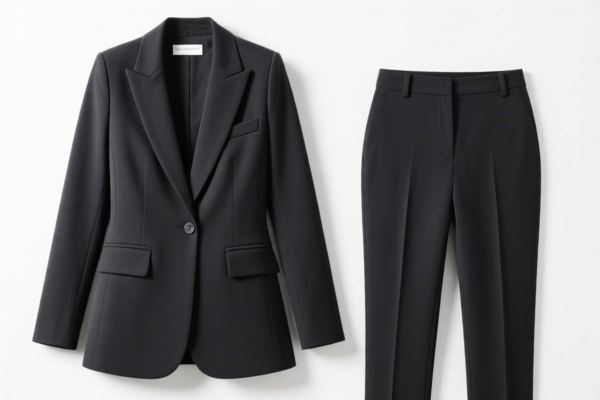
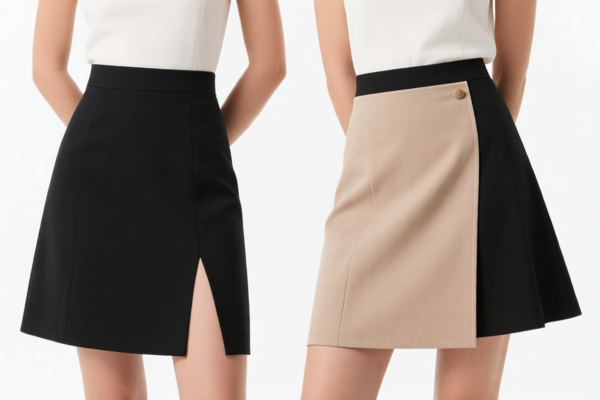
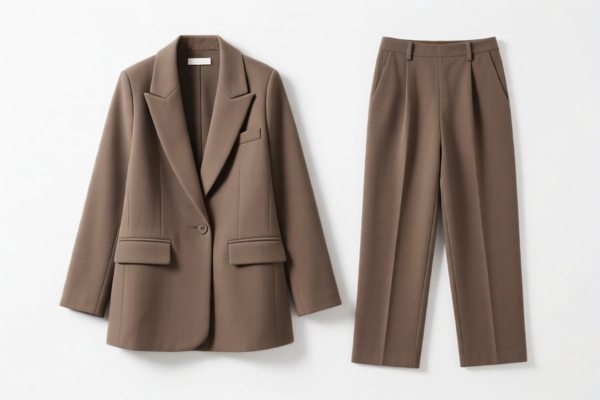
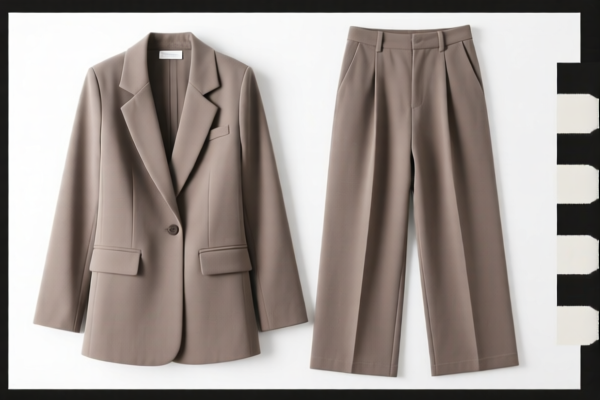
AI Analysis
👗🇺🇸 Women's Suit Set: HS Code & Duty Guide (2026 Update)
🌐 Global Trade Classification & Clearance Strategy | Complete Tax Breakdown for US Imports
📌 I. Product Definition: What Exactly Is a "Women's Suit Set"?
A Women's Suit Set is an ensemble consisting of a jacket/blazer and a skirt/trousers, designed to be worn together as a coordinated outfit. In international trade, its classification depends on:
- Material composition (Knitted vs. Woven)
- Fabric type (Wool, Synthetic, Cotton, etc.)
- Fit & Usage (Casual, Formal, Business)
⚠️ Critical Distinction:
- Knitted Sets (e.g., jersey, stretch fabrics) → Fall under Heading 6104
- Woven Sets (e.g., polyester, cotton, non-stretch) → Fall under Heading 6204
- Material Subtype (e.g., synthetic vs. cotton) affects duty rates significantly!
📦 II. HS Code Classification Breakdown (2026 US Tariff Schedule)
| HS Code | Product Description | Material Type | Key Features |
|---|---|---|---|
6104.23.00.26 |
Women's Knitted Suit Set | Synthetic Fibers (e.g., Polyester, Nylon) | Elastic, Stretch, "Casual Wear" Style |
6204.29.40.92 |
Women's Woven Suit Set | Other Textile Materials (Non-wool, Non-Cotton) | Non-stretch, Woven, Formal/Casual |
6104.22.00.90 |
Women's Knitted Suit Set | Cotton or Polyester Blend | Knitted, Breathable, Everyday Wear |
🔍 Classification Rules:
- Heading 6104: Knitted or crocheted suits (e.g., jersey, sweatshirt fabric).
- Heading 6204: Woven suits (e.g., polyester, cotton twill, non-stretch).
- Subheading 23/22: Differentiates between synthetic fibers vs. cotton/polyester blends.
- Subheading 29/29: For non-wool, non-cotton woven fabrics.
💰 III. 2026 Tariff Rate Breakdown (Including Section 301, 122 & Base Duties)
✅ Applicable Country: USA (US)
✅ Origin: China (CN)
✅ Effective Date: Current (2026)
🎯 1. HS Code 6104.23.00.26
Women's Knitted Suit Set (Synthetic Fibers)
| Item | Detail |
|---|---|
| Base Duty | "The rate applicable to each garment in the ensemble if separately classified" |
| Section 301 (301) Duty | +7.5% |
| Section 122 Duty | +10% |
| Total Duty | Base Rate + 17.5% |
| Example Calculation | If Base Duty = 10% → Total = 10% + 17.5% = 27.5% |
| Legal Basis | Section 301 (19 U.S.C. 1301), Section 122 (Customs Regulations) |
📌 Note:
- Section 301 is the 301 Trade Act (US-China tariffs).
- Section 122 is a retaliatory tariff on Chinese textile imports.
- Total Duty = 17.5% on top of base duty (varies by fabric).
🎯 2. HS Code 6204.29.40.92
Women's Woven Suit Set (Other Textile Materials)
| Item | Detail |
|---|---|
| Base Duty | "The rate applicable to each garment in the ensemble if separately classified" |
| Section 301 (301) Duty | +0.0% |
| Section 122 Duty | +10% |
| Total Duty | Base Rate + 10.0% |
| Example Calculation | If Base Duty = 8% → Total = 8% + 10% = 18.0% |
| Legal Basis | Section 122 (Customs Regulations) |
📌 Note:
- No Section 301 duty for this code (different material classification).
- Section 122 still applies (10% additional tariff).
🎯 3. HS Code 6104.22.00.90
Women's Knitted Suit Set (Cotton/Polyester Blend)
| Item | Detail |
|---|---|
| Base Duty | "The rate applicable to each garment in the ensemble if separately classified" |
| Section 301 (301) Duty | +0.0% |
| Section 122 Duty | +10% |
| Total Duty | Base Rate + 10.0% |
| Example Calculation | If Base Duty = 6% → Total = 6% + 10% = 16.0% |
| Legal Basis | Section 122 (Customs Regulations) |
📌 Note:
- No Section 301 duty for cotton/polyester blends.
- Section 122 still applies (10% additional tariff).
🛠️ IV. Customs Clearance Tips (Practical Avoidance Guide)
✅ 1. Required Documentation Checklist
| Document | Mandatory? | Purpose |
|---|---|---|
| Commercial Invoice | ✅ | Must specify "Women's Suit Set" + Material (Knitted/Woven) |
| Packing List | ✅ | Show jacket/skirt/pants separately |
| Product Photos | ✅ | Confirm ensemble style (jacket + pants/skirt) |
| Material Certificate | ✅ | Prove fiber content (e.g., 60% Polyester, 40% Cotton) |
| Origin Certificate | ✅ | Verify country of origin (China = 122/301 duties apply) |
| Customs Entry Form | ✅ | Accurate HS Code + Duty Calculation |
✅ 2. Declaration Best Practices
🔥 "Ensemble Rule: Declare as a Set, Not Separate Pieces!"
| Scenario | Correct Declaration | Wrong Declaration |
|---|---|---|
| Knitted Suit (Synthetic) | 6104.23.00.26 |
Misdeclare as 6104.22.00.90 → Overpayment! |
| Woven Suit (Non-Cotton) | 6204.29.40.92 |
Misdeclare as 6104.23.00.26 → Underpayment! |
| Knitted Suit (Cotton Blend) | 6104.22.00.90 |
Declare as 6204.29.40.92 → Penalty! |
⚠️ Warning:
- Misclassification = Duty Underpayment + Penalties + Seizure Risk.
- Section 122/301 duties are non-negotiable for Chinese-origin goods.
✅ 3. Special Cases & Solutions
| Situation | Solution |
|---|---|
| Customs Requests Proof of Ensemble | Provide photo + description showing jacket + pants/skirt worn together |
| Mixed Material (e.g., Cotton Jacket + Synthetic Pants) | Declare as ensemble, use dominant material for classification |
| Section 122 Exemption Request | Only valid for non-Chinese origin (e.g., Vietnam, Bangladesh) |
| 301 Duty Exemption | No exemption for textiles (Section 301 applies to all Chinese-made suits) |
🌍 V. Global Duty Comparison (2026)
| Country | Recommended HS Code | Total Duty (China) | Certifications | Notes |
|---|---|---|---|---|
| 🇺🇸 USA | 6104.23.00.26 / 6204.29.40.92 / 6104.22.00.90 |
Base + 10-17.5% | None | High tariffs due to 122/301 |
| 🇪🇺 EU | Same codes | Base + 0-5% | CE + REACH | No Section 122/301 |
| 🇨🇦 Canada | Same codes | Base + 0% | None | No Section 122/301 |
| 🇦🇺 Australia | Same codes | Base + 0-5% | None | Low tariffs |
| 🇯🇵 Japan | Same codes | Base + 0% | JIS | No Section 122/301 |
📌 Key Insight:
- USA is the most expensive market for Chinese women's suits due to 122/301.
- Avoid US market if possible; consider Vietnam, Bangladesh, or EU alternatives.
📌 VI. Common Mistakes & How to Avoid Them
❌ Mistake 1: Declaring a knitted suit as woven (or vice versa)
👉 Result: Duty Underpayment + Penalties + Customs Hold
❌ Mistake 2: Ignoring Section 122/301 duties
👉 Result: Unexpected Costs + Profit Margin Erosion
❌ Mistake 3: Declaring jacket and pants separately
👉 Result: Higher Duty (Each garment taxed separately)
✅ Best Practice:
"Women's Knitted Suit Set (Synthetic Fibers), 6104.23.00.26, Total Duty 17.5% (Section 301 + 122)"
🎯 VII. Conclusion: Smart Classification = Lower Costs
🎯 Remember:
- "Knitted vs. Woven" = 6104 vs. 6204
- "Synthetic vs. Cotton" = Different Duty Rates
- "Section 122/301" = Non-Negotiable for Chinese Goods✅ Pro Tip:
- Pre-File HS Code Ruling with US Customs (CBP) before shipping.
- Verify Material Composition to avoid misclassification.
- Consider Non-Chinese Origin to bypass Section 122/301.
📌 Final Advice:
📞 Contact CBP for Pre-Arrival Ruling before importing.
🚀 Optimize Supply Chain to reduce duty costs.
💼 Your Profit Margin depends on Accurate Classification!
✨ Clear Shipping, Lower Costs, Higher Profits!
📦 Your Suit Set Deserves the Right HS Code!
Customer Reviews
About HS Code Classification
The Harmonized System (HS) is an internationally standardized nomenclature developed by the World Customs Organization (WCO) to classify traded products. Over 200 countries use the HS system as the basis for customs tariffs, trade statistics, and import/export regulations.
Each HS code follows a hierarchical structure:
- Chapter (2 digits) — Broad category of goods (e.g., Chapter 84: Machinery and Mechanical Appliances)
- Heading (4 digits) — More specific grouping within the chapter
- Subheading (6 digits) — Internationally standardized breakdown, used by all WCO member countries
- National subdivisions (8-10 digits) — Country-specific extensions for further classification, such as US HTSUS 10-digit codes
Correct HS code classification is essential for smooth customs clearance, accurate duty payment, and compliance with trade regulations. Misclassification can lead to customs delays, overpayment of duties, or penalties.
When importing from CN to US, the applicable tariff rates may include:
- Most-Favored-Nation (MFN) rate — The standard duty rate applied to WTO members
- General rate — Applied to countries without trade agreements
- Trade remedy duties — Additional tariffs such as Section 301 (anti-dumping), Section 232 (national security), or countervailing duties
The information provided on this page is for reference purposes only. For official classification, please consult with your local customs authority or a licensed customs broker.