Women's Swim Shorts
CN → US| HS Code | Tariff Rate | Origin | Destination | Doc |
|---|---|---|---|---|
| 3926909989 | 22.8% | CN | US | Official Doc |
| 6112310010 | 35.9% | CN | US | Official Doc |
| 6112390010 | 30.7% | CN | US | Official Doc |
| 6211118010 | 25.0% | CN | US | Official Doc |
| 6211111010 | 37.8% | CN | US | Official Doc |
Product Images
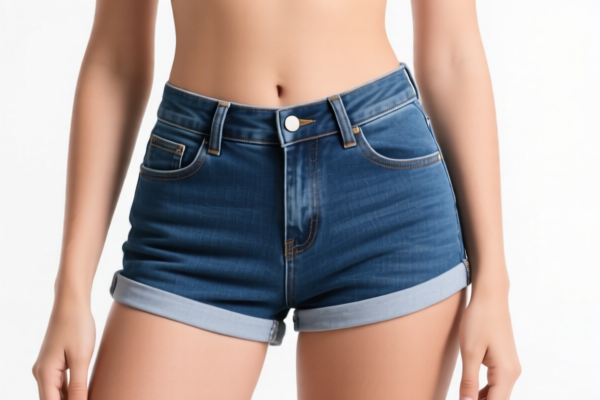
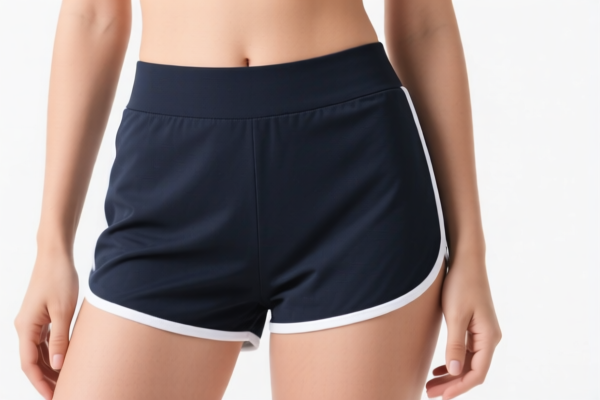
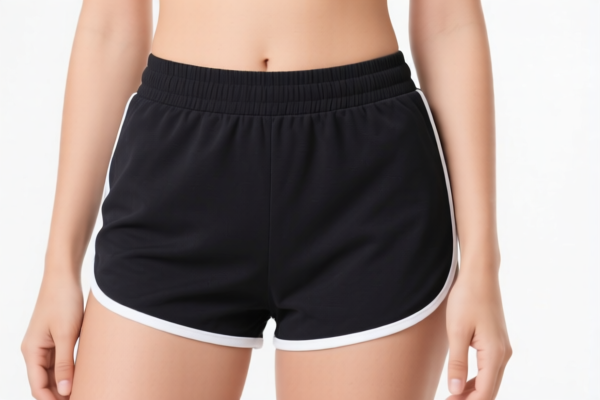
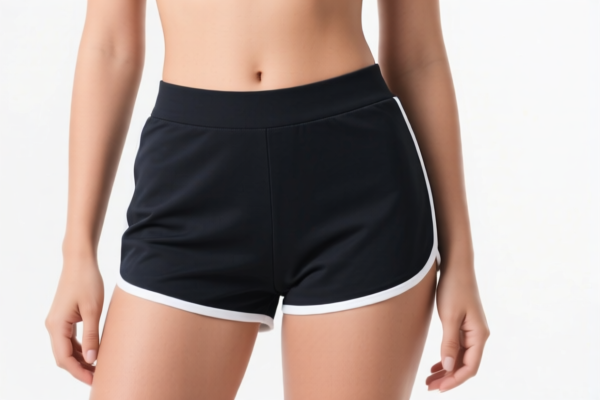
AI Analysis
🩱 Women's Swim Shorts (Swimwear: Shorts/Knickers)
🌐 HS Code Reference & Clearance Guide | 2026 Latest Tariff Breakdown | Professional Entry Strategy
📌 I. Product Definition & Classification: Do You Really Know "Swim Shorts"?
Women's Swim Shorts are a specialized category of swimwear designed for female wearers, typically featuring: * Function: Designed for swimming, beach activities, and water sports. * Form: Shorts-style cut (distinct from one-piece suits or skirts). * Material: Usually synthetic fibers (nylon, polyester, spandex/elastane) or blends with cotton, chosen for water resistance and elasticity.
⚠️ Key Distinction in Classification: - Knitted vs. Woven: This is the single most critical factor. - If the fabric is knitted (stretchy, looped structure) → Classify under Chapter 61. - If the fabric is woven (traditional stitched structure) → Classify under Chapter 62. - Material Composition: Determines the specific subheading within the chapters.
📦 II. HS Code Classification Details (Based on Provided Data & 2026 Standards)
| HS Code | Product Description | Material Inference | Tax Rate | Tax Detail Breakdown |
|---|---|---|---|---|
| 6112.31.00.10 | Knitted Women's Swim Shorts (Man-made fibers) | Synthetic Fibers (Nylon/Polyester/Spandex) | 35.9% | Base: 25.9% + Section 301: 0.0% + 122 Clause: 10% |
| 6112.39.00.10 | Knitted Women's Swim Shorts (Other Textiles) | Cotton, Polyester, or Nylon Blends | 30.7% | Base: 13.2% + Section 301: 7.5% + 122 Clause: 10% |
| 6211.11.10.10 | Woven Women's Swim Shorts (Man-made fibers) | Artificial/Synthetic Fibers | 37.8% | Base: 27.8% + Section 301: 0.0% + 122 Clause: 10% |
| 6211.11.80.10 | Woven Women's Swim Shorts (Other Materials) | Other unspecified materials | 25.0% | Base: 7.5% + Section 301: 7.5% + 122 Clause: 10% |
| 3926.90.99.89 | Plastic/Synthetic Composite Accessories (Non-textile) | Plastic / Synthetic Fiber Products (Non-textile) | 22.8% | Base: 5.3% + Section 301: 7.5% + 122 Clause: 10% |
🔍 Critical Analysis: * Chapter 61 vs. Chapter 62: Most high-quality swim shorts are knitted (61xx) to provide necessary stretch. If the garment is woven, it often falls under 6211. * Material Impact: * Synthetic (6112.31): Highest base tariff (25.9%), but no Section 301 surcharge. * Cotton/Blends (6112.39): Lower base tariff (13.2%), but incurs a 7.5% Section 301 surcharge. * Woven Synthetics (6211.11.10): Surprisingly high total tax (37.8%) due to a massive 27.8% base tariff. * The "Plastic" Trap (3926): If the item is deemed a "plastic garment" (e.g., rubberized rain shorts used as swimwear) rather than textile, it falls here. Note the significantly lower base tax (5.3%) but still subject to 17.5% in other fees.
💰 III. 2026 Tariff Rate Deep Dive (Detailed Policy & Legal Basis)
✅ Applicable Market: United States (US)
✅ Origin: China (CN)
✅ Effective Date: Current & Future 2025/2026 Tariff Regimes
🎯 1. 6112.31.00.10 – Knitted, Synthetic Fiber (The "High Base" Path)
| Item | Content |
|---|---|
| Base Tariff | 25.9% (High base duty for synthetic knits) |
| Section 301 (USITC) | 0.0% (Exempt from additional 301 tariffs for this specific subhead) |
| 122 Clause (Section 301/China) | +10% (Mandatory surcharge for Chinese origin goods) |
| Total Tax | 35.9% |
| Calculation | CIF Value × 35.9% |
| De Minimis Exemption | ❌ No (Deny for this category) |
| Legal Path | HTSUS:6112.31.00.10 → USITC:301 (Section) → China:Section 301 (122 Clause) |
📌 Explanation:
Even though the Section 301 surcharge is 0%, the Base Tariff of 25.9% is very high. The 10% 122 Clause pushes the total to nearly 36%. This is common for pure synthetic polyester/nylon swimwear.
🎯 2. 6112.39.00.10 – Knitted, Other Textiles (Cotton/Blends)
| Item | Content |
|---|---|
| Base Tariff | 13.2% (Lower base for cotton/blend) |
| Section 301 (USITC) | +7.5% (Added due to specific material classification) |
| 122 Clause (Section 301/China) | +10% |
| Total Tax | 30.7% |
| Calculation | CIF Value × 30.7% |
| De Minimis Exemption | ❌ No |
| Legal Path | HTSUS:6112.39.00.10 → USITC:301 (Section 301 surcharge applies) |
📌 Explanation:
Using cotton or natural fiber blends reduces the base duty but triggers the 7.5% Section 301 surcharge. The total tax is actually lower (30.7%) than the pure synthetic version (35.9%), making cotton blends potentially more cost-effective if quality allows.
🎯 3. 6211.11.10.10 – Woven, Man-Made (The "High Base" Trap)
| Item | Content |
|---|---|
| Base Tariff | 27.8% (Extremely high for woven synthetics) |
| Section 301 (USITC) | 0.0% |
| 122 Clause (Section 301/China) | +10% |
| Total Tax | 37.8% |
| Calculation | CIF Value × 37.8% |
| De Minimis Exemption | ❌ No |
📌 Explanation:
Woven swim shorts are rare but exist. The 27.8% base tariff is the highest in the list. Avoid this classification unless necessary, as the tax burden is heavy.
🎯 4. 3926.90.99.89 – Plastic/Synthetic Plastics (Non-Textile)
| Item | Content |
|---|---|
| Base Tariff | 5.3% (Low base) |
| Section 301 (USITC) | +7.5% |
| 122 Clause (Section 301/China) | +10% |
| Total Tax | 22.8% |
| Calculation | CIF Value × 22.8% |
| De Minimis Exemption | ❌ No |
📌 Explanation:
This code applies only if the item is not considered "textile" (e.g., 100% rubberized or plastic material not classified as fabric). It offers the lowest total tax (22.8%), but Customs may challenge if the item is clearly a "garment" made of textile-like synthetic fibers.
🛠️ IV. Clearance Practical Advice (Avoiding Pitfalls)
✅ 1. Documentation Checklist (Must-Have)
| Document | Requirement | Why It Matters |
|---|---|---|
| Composition Label | ✔️ Must be visible | Determines if it's 61 (Knitted) or 62 (Woven) and Synthetic vs. Cotton. |
| Fabric Swatch/Photo | ✔️ High-res macro | Customs officers need to verify if the fabric is knitted (loops visible) or woven (cross-hatched). |
| Function Statement | ✔️ "Intended for Swimming" | Must explicitly state "Swimwear" to justify Chapter 61/62; otherwise, it may be taxed as general shorts (higher duty). |
| Origin Certificate | ✔️ China (CN) | Essential to calculate the 122 Clause (10%) and Section 301 surcharges. |
✅ 2. Declaration Strategy (The Golden Rule)
🔥 Rule of Thumb:
"Knitted = Chapter 61, Woven = Chapter 62. Material = Base Tax Key."
| Scenario | Recommended HS Code | Risk of Error |
|---|---|---|
| Knitted, 90% Nylon/10% Spandex | 6112.31.00.10 (35.9%) |
Low if label confirms "Knitted". |
| Knitted, 50% Cotton/50% Polyester | 6112.39.00.10 (30.7%) |
Low – Often cheaper than pure synthetic. |
| Woven, Polyester | 6211.11.10.10 (37.8%) |
High – Avoid if possible; high tax. |
| Rubberized/Plastic Shorts | 3926.90.99.89 (22.8%) |
Medium – Customs may reclassify as textile if it looks like fabric. |
✅ 3. Special Handling Tips
- Do NOT Split: If the swim shorts come with a matching top, declare them together if they are sold as a set, or separately if they are distinct. Do not try to split the tax burden by declaring them as "accessories" unless they are truly accessories.
- Avoid "Plastic" Misclassification: Unless the item is 100% rubber/plastic sheets sewn together, do not declare swimwear as
3926(Plastics). Customs will likely reject this and reclassify to Chapter 61/62 with penalties. - Section 301 Watch: Be aware that
6112.31.00.10and6211.11.10.10have 0% Section 301 surcharge, while6112.39.00.10and6211.11.80.10have 7.5%. Sometimes, a cotton blend (6112.39) is cheaper overall despite the surcharge.
🌍 V. Global Market Comparison (2026)
| Region | Typical HS Code for Swim Shorts | Base Tax | Additional Surcharges | Total Est. Tax |
|---|---|---|---|---|
| 🇺🇸 USA | 6112.31/39 or 6211 |
5.3% – 27.8% | 10% (122) + 0-7.5% (301) | 22.8% – 37.8% |
| 🇪🇺 EU | 6112.31 / 6211.11 |
12% – 16% | 0% (Usually) | ~12-16% |
| 🇨🇦 Canada | 6112.31 / 6211.11 |
16% | 0% (CPTPP if applicable) | ~16% |
| 🇦🇺 Australia | 6112.31 / 6211.11 |
5% | 0% (AANZFTA) | ~5% |
📌 Conclusion:
The US market is the most complex and expensive due to the 122 Clause and Section 301 layered tariffs. Always check the material composition and fabric structure (knit vs. weave) carefully to optimize the tax rate.
📌 VI. Common Errors & Avoidance Guide
❌ Error 1: Misidentifying "Knitted" vs. "Woven"
👉 Consequence: If you declare knitted shorts as 6211 (Woven), you face a 37.8% tax instead of 35.9% (or even 30.7%). Customs may also audit you for misclassification.
❌ Error 2: Ignoring the "Swimwear" Definition
👉 Consequence: If declared as "General Shorts" (6103/6104 or 6203/6204), tax rates can be different (sometimes lower base, but different duties). However, if the item is clearly for swimming, Customs will force the 6112/6211 classification.
❌ Error 3: Claiming "Plastic" for Textile-Looking Swim Shorts
👉 Consequence: Attempting to use 3926.90.99.89 (22.8%) for nylon swim shorts will likely result in a reclassification and penalty for false declaration.
✅ Correct Approach:
"Women's Knitted Swim Shorts, 80% Nylon, 20% Spandex, Intended for Swimming, Origin: China" → Declare
6112.31.00.10.
🎯 VII. Final Verdict: Smart Tax Strategy for Swimwear
🎯 Strategic Summary:
🔹 If Pure Synthetic (Nylon/Poly): Use
6112.31.00.10. Total Tax 35.9%. (No 301 surcharge). 🔹 If Cotton Blend: Use6112.39.00.10. Total Tax 30.7%. (Cheaper overall!). 🔹 If Woven: Use6211.11.10.10. Total Tax 37.8%. (Most expensive). 🔹 If Plastic/Rubber: Use3926.90.99.89. Total Tax 22.8%. (Only if truly non-textile).📌 Pro Tip:
Consider sourcing cotton-blend swimwear (if performance allows) to reduce the total tax burden from 35.9% to 30.7%. The 7.5% Section 301 surcharge is actually less than the 12.7% base tax difference between synthetic and cotton in the US system!
✨ Professional Customs Clearance Starts with Precise Classification!
💼 Your profit margin depends on the 5% difference between 6112.31 and 6112.39!
Customer Reviews
About HS Code Classification
The Harmonized System (HS) is an internationally standardized nomenclature developed by the World Customs Organization (WCO) to classify traded products. Over 200 countries use the HS system as the basis for customs tariffs, trade statistics, and import/export regulations.
Each HS code follows a hierarchical structure:
- Chapter (2 digits) — Broad category of goods (e.g., Chapter 84: Machinery and Mechanical Appliances)
- Heading (4 digits) — More specific grouping within the chapter
- Subheading (6 digits) — Internationally standardized breakdown, used by all WCO member countries
- National subdivisions (8-10 digits) — Country-specific extensions for further classification, such as US HTSUS 10-digit codes
Correct HS code classification is essential for smooth customs clearance, accurate duty payment, and compliance with trade regulations. Misclassification can lead to customs delays, overpayment of duties, or penalties.
When importing from CN to US, the applicable tariff rates may include:
- Most-Favored-Nation (MFN) rate — The standard duty rate applied to WTO members
- General rate — Applied to countries without trade agreements
- Trade remedy duties — Additional tariffs such as Section 301 (anti-dumping), Section 232 (national security), or countervailing duties
The information provided on this page is for reference purposes only. For official classification, please consult with your local customs authority or a licensed customs broker.