Women's Synthetic Leather Coats
CN → US| HS Code | Tariff Rate | Origin | Destination | Doc |
|---|---|---|---|---|
| 6114301020 | 45.7% | CN | US | Official Doc |
| 4203104060 | 41.0% | CN | US | Official Doc |
| 6202402020 | 45.2% | CN | US | Official Doc |
| 6114303070 | 32.4% | CN | US | Official Doc |
| 6202407511 | 45.2% | CN | US | Official Doc |
Product Images


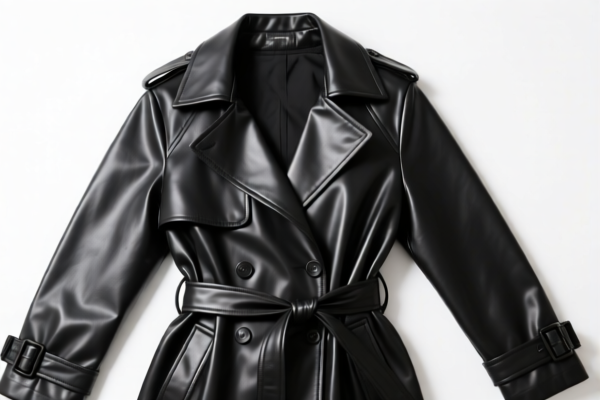

AI Analysis
👗 Women's Synthetic Leather Coats (Jackets/Outerwear)
🌐 HS Code Reference & Customs Clearance Guide | 2026 Latest Tariff Analysis | Strategic Duty Optimization
📌 I. Product Definition & Classification: Decoding "Synthetic Leather"
Women's synthetic leather coats are versatile outerwear garments. In international trade, the classification depends heavily on the knitted vs. woven construction and the specific material composition (Textile vs. Leather/Leather-like). This distinction significantly impacts the duty rate.
Key Classification Criteria: 1. Knitted/Weaved (Chapter 61): If the garment is knitted or crocheted, it falls under Chapter 61, regardless of whether the outer layer is synthetic leather coated on a textile base. 2. Not Knitted/Weaved (Chapter 62): If woven, it typically falls under Chapter 62 (e.g., women's anoraks, windbreakers). 3. Leather vs. Synthetic (Chapter 42): If the product is classified as "manufactures of leather" (often based on specific definitions of "synthetic leather" in certain jurisdictions or if it meets specific thickness/durability standards for leather articles), it may fall under Chapter 42. However, for most textile-based synthetic leather garments, Chapter 61 or 62 is standard.
⚠️ Critical Distinction:
- "Synthetic Leather" on Knitted Base → Usually Chapter 61 (Knitted).
- "Synthetic Leather" on Woven Base → Usually Chapter 62 (Woven).
- "Leather-Like" Articles (Non-Garment or Specific Leather Definitions) → Chapter 42.
Note: The data below reflects specific interpretations where synthetic leather jackets are classified under various codes, some treating them as leather articles (Ch 42) and others as textile garments (Ch 61/62).
📦 II. HS Code Classification Matrix (2026 Latest Tariff对照)
| HS Code | Product Description | Material/Category | Total Duty Rate | Key Tariff Components |
|---|---|---|---|---|
6114.30.10.20 |
Women's Jacket, Synthetic Leather, Knitted | Knitted/Textile (Synthetic Fiber) | 45.7% | Base: 28.2% Section 301: 7.5% Section 122: 10% |
4203.10.40.60 |
Women's Jacket, Synthetic Leather, Leather Category | Leather/Regenerated Leather | 41.0% | Base: 6.0% Section 301: 25.0% Section 122: 10% |
6202.40.20.20 |
Women's Coat, Synthetic Leather, Woven | Woven/Textile (Synthetic Fiber) | 45.2% | Base: 27.7% Section 301: 7.5% Section 122: 10% |
6114.30.30.70 |
Women's Jacket, Synthetic Leather, Artificial Fiber | Knitted/Artificial Fiber | 32.4% | Base: 14.9% Section 301: 7.5% Section 122: 10% |
6202.40.75.11 |
Women's Coat, Synthetic Leather, Woven | Woven/Textile (Synthetic Fiber) | 45.2% | Base: 27.7% Section 301: 7.5% Section 122: 10% |
🔍 Analysis: - Lowest Duty Option:
6114.30.30.70(32.4%) – This code applies to knitted garments made of artificial fibers (excluding certain synthetic textiles) with a lower base rate (14.9%). - Highest Duty Option:6114.30.10.20(45.7%) – This code applies to knitted garments made of other synthetic materials with a higher base rate (28.2%). - Leather Classification Risk:4203.10.40.60(41.0%) – While the base duty is low (6.0%), the Section 301 tariff is extremely high (25%), resulting in a moderate total. This classification hinges on treating the product as a "leather article" rather than a textile garment.
💰 III. Detailed Tariff Breakdown (China to USA)
✅ Applicable Country: United States (US)
✅ Origin: China (CN)
✅ Effective Date: Post-2025 Policies (Including Section 301 & Section 122)
🎯 1. 6114.30.30.70 – Best Case Scenario (32.4%)
Category: Knitted Artificial Fiber Jacket
| Item | Detail |
|---|---|
| Base Duty | 14.9% |
| Section 301 Duty | 7.5% |
| Section 122 Duty | 10% |
| Total Effective Rate | 32.4% |
| Calculation | CIF Value × 32.4% |
| De Minimis Exemption | ❌ Not Eligible (Section 301 goods generally excluded from Section 321 de minimis if value exceeds threshold or specific exclusions apply) |
| Legal Basis | HTSUS:6114.30.30.70 → USITC:301 → EO 13936 (Section 122) |
📌 Explanation:
This is the most favorable classification if the product can be argued as "Artificial Fiber" rather than generic "Synthetic Textile." The base duty is nearly half that of other synthetic options.
🎯 2. 4203.10.40.60 – Leather Article Classification (41.0%)
Category: Leather Article Jacket
| Item | Detail |
|---|---|
| Base Duty | 6.0% |
| Section 301 Duty | 25.0% |
| Section 122 Duty | 10% |
| Total Effective Rate | 41.0% |
| Calculation | CIF Value × 41.0% |
| De Minimis Exemption | ❌ Not Eligible |
| Legal Basis | HTSUS:4203.10.40.60 → USITC:301 (25%) → EO 13936 (Section 122) |
📌 Explanation:
Despite a low base duty (6%), the 25% Section 301 tariff applies to most Chinese leather articles. This makes it more expensive than the best-case textile option (6114.30.30.70). Use this only if product composition strongly supports "Leather/Artificial Leather" classification over textile.
🎯 3. 6114.30.10.20 / 6202.40.20.20 / 6202.40.75.11 – Standard Synthetic Textile (45.2% - 45.7%)
Category: Knitted/Woven Synthetic Textile
| Item | Detail |
|---|---|
| Base Duty | 27.7% - 28.2% |
| Section 301 Duty | 7.5% |
| Section 122 Duty | 10% |
| Total Effective Rate | ~45.2% - 45.7% |
| Calculation | CIF Value × ~45.5% |
| De Minimis Exemption | ❌ Not Eligible |
| Legal Basis | HTSUS:6114/6202... → USITC:301 (7.5%) → EO 13936 (Section 122) |
📌 Explanation:
These codes apply to standard synthetic leather-coated textiles. The base duty is high (~28%), but the Section 301 rate is lower (7.5%) compared to leather articles. However, the total is still the highest among the options.
🛠️ IV. Customs Clearance Practical Advice (Risk Mitigation)
✅ 1. Documentation Checklist (Essential for Audit Defense)
| Document | Requirement | Purpose |
|---|---|---|
| ✅ Product Specification Sheet | ✔️ Must detail: Outer material (e.g., "Polyurethane-coated polyester knit"), lining, closure type. | Proves "Knitted" vs. "Woven" and material composition. |
| ✅ Material Test Report | ✔️ Third-party lab report confirming "Synthetic Leather" vs. "Textile Base." | Critical for distinguishing between Chapter 61/62 (Textile) and Chapter 42 (Leather). |
| ✅ Product Photos | ✔️ Front, back, label, and close-up of the material texture. | Visual evidence for customs officers to verify classification. |
| ✅ Commercial Invoice | ✔️ Must clearly state: "Women's Knitted/Woven Jacket, Synthetic Leather, Made in China." | Prevents misclassification due to vague descriptions like "Leather Jacket." |
| ✅ Packing List | ✔️ Details per-unit weight and dimensions. | Helps verify consistency with declared value. |
✅ 2. Classification Strategy (Key Negotiation Points)
🔥 Strategy: "Fight for Chapter 61, Avoid Chapter 42"
| Scenario | Recommended Approach | Risk |
|---|---|---|
| Knitted Synthetic Leather | Argue for 6114.30.30.70 (32.4%) by emphasizing the knitted construction and artificial fiber content. |
High if customs insists it's "Synthetic Textile" (6114.30.10.20 → 45.7%). |
| Woven Synthetic Leather | Argue for 6202.40.20.20 or similar. Base duty is high (27.7%), but Section 301 is lower (7.5%) than leather. |
Avoid Chapter 42 unless material is thick/durable enough to be considered "Leather Articles." |
| Thick/Durable Synthetic Leather | Customs may push for 4203.10.40.60 (41.0%). |
Do not accept if 6114 or 6202 is more appropriate, as the effective rate is higher due to 25% Section 301. |
📌 Key Tip:
- Section 122 Tariff (10%): Applies to most Chinese goods under the Executive Order. It is non-negotiable for these HS codes. - Section 301 Tariff: Varies by code. Knitted/Woven Synthetics often face 7.5%, while Leather Articles face 25%. This is the main differentiator!
✅ 3. Common Pitfalls to Avoid
❌ Pitfall 1: Vague Description
👉 Error: Declaring "Women's Jacket" or "Leather Jacket."
👉 Consequence: Customs may assign a default higher duty code or initiate an audit.
❌ Pitfall 2: Misclassifying as "Leather" (Ch 42)
👉 Error: Using HS 4203.10.40.60 when the product is clearly textile-based.
👉 Consequence: You pay 25% Section 301 instead of 7.5%, increasing duty by ~17.5-30 percentage points.
❌ Pitfall 3: Ignoring Section 122
👉 Error: Assuming Section 301 is the only additional tariff.
👉 Consequence: Underpaying duties by 10% on the CIF value.
✅ Best Practice Declaration:
"Women's Knitted Jacket, Outer Material: Polyurethane-Coated Polyester Knit, Lining: Polyester, Closure: Zipper, Model: XYZ, Made in China"
🌍 V. Global Market Comparison (2026)
| Market | Recommended HS Code | Est. Total Duty (China Origin) | Notes |
|---|---|---|---|
| 🇺🇸 USA | 6114.30.30.70 |
32.4% | Best option via Section 301 (7.5%). Avoid Ch 42 (25% S301). |
| 🇺🇸 USA | 4203.10.40.60 |
41.0% | High S301 rate (25%) makes this less favorable than Ch 61. |
| 🇪🇺 EU | Varies | ~12% | No Section 301/122. Standard MFN rates apply. |
| 🇨🇳 China | Varies | ~10-15% | Import duties for foreign synthetic leather jackets. |
📌 Conclusion for US Importers:
The 32.4% rate for6114.30.30.70is the target. Ensure your supplier provides test reports proving the knitted structure and artificial fiber content to justify this classification.
📌 VI. Final Checklist for Importers
- Verify Construction: Is it Knitted (Ch 61) or Woven (Ch 62)? This determines the primary chapter.
- Check Material: Is it truly "Leather" (Ch 42) or "Leather-Coated Textile" (Ch 61/62)? Choose Textile (Ch 61/62) to avoid the 25% Section 301 tariff.
- Calculate Total Duty:
- Knitted (Artificial Fiber): 32.4%
- Knitted (Synthetic Textile): 45.7%
- Woven (Synthetic Textile): 45.2%
- Leather Article: 41.0%
- Prepare Docs: Test reports, photos, and clear descriptions are mandatory to defend the 32.4% classification.
🎯 Bottom Line:
"Knitted + Artificial Fiber = 32.4% (Best)
"Woven/Other Synthetic = ~45% (Expensive)
"Leather Classification = 41% (Avoid due to 25% S301)"
✨ Professional Clearance, Precise Classification, Maximized Profit!
💼 Don't let a 13.3% duty difference eat your margin!
Customer Reviews
About HS Code Classification
The Harmonized System (HS) is an internationally standardized nomenclature developed by the World Customs Organization (WCO) to classify traded products. Over 200 countries use the HS system as the basis for customs tariffs, trade statistics, and import/export regulations.
Each HS code follows a hierarchical structure:
- Chapter (2 digits) — Broad category of goods (e.g., Chapter 84: Machinery and Mechanical Appliances)
- Heading (4 digits) — More specific grouping within the chapter
- Subheading (6 digits) — Internationally standardized breakdown, used by all WCO member countries
- National subdivisions (8-10 digits) — Country-specific extensions for further classification, such as US HTSUS 10-digit codes
Correct HS code classification is essential for smooth customs clearance, accurate duty payment, and compliance with trade regulations. Misclassification can lead to customs delays, overpayment of duties, or penalties.
When importing from CN to US, the applicable tariff rates may include:
- Most-Favored-Nation (MFN) rate — The standard duty rate applied to WTO members
- General rate — Applied to countries without trade agreements
- Trade remedy duties — Additional tariffs such as Section 301 (anti-dumping), Section 232 (national security), or countervailing duties
The information provided on this page is for reference purposes only. For official classification, please consult with your local customs authority or a licensed customs broker.