Women's Synthetic Leather Garments
CN → US| HS Code | Tariff Rate | Origin | Destination | Doc |
|---|---|---|---|---|
| 6114301020 | 45.7% | CN | US | Official Doc |
| 4203104060 | 41.0% | CN | US | Official Doc |
| 6202402020 | 45.2% | CN | US | Official Doc |
| 6114303070 | 32.4% | CN | US | Official Doc |
| 6202407511 | 45.2% | CN | US | Official Doc |
Product Images
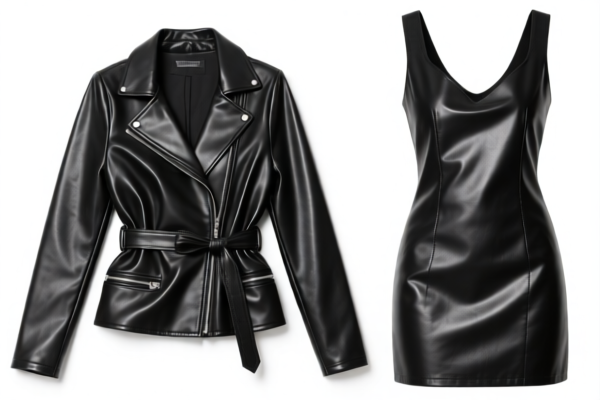
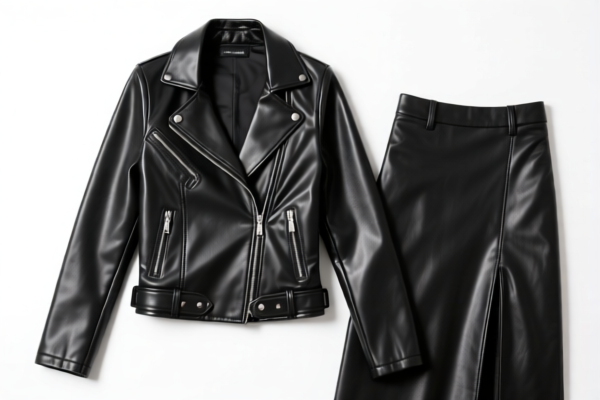
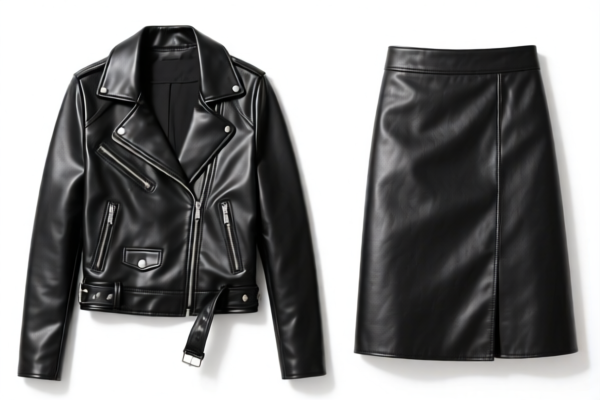
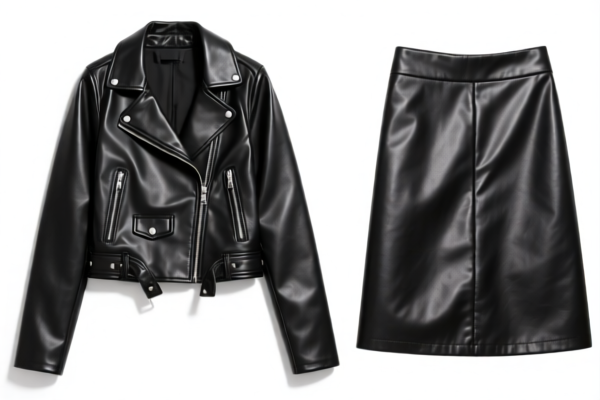
AI Analysis
👗 Women's Synthetic Leather Garments (Jackets)
🌐 HS Code Reference & Clearance Guide | 2026 Latest Tariff Analysis | Professional Customs Strategy
📌 1. Product Definition & Classification: What is "Synthetic Leather"?
Women's jackets made from synthetic leather (often referred to as faux leather, PU leather, or vinyl) fall into a complex regulatory bucket in international trade. Unlike genuine leather, synthetic leather is typically classified based on its fabric base (knitted vs. woven) and chemical composition.
⚠️ Key Classification Distinction:
- Knitted/Knitted-like: If the base fabric is knitted (elastic, looped structure), it often falls under Chapter 61 (Articles of Apparel and Clothing Accessories, Knitted or Crocheted).
- Woven/Non-Knitted: If the base fabric is woven or considered "leather-like," it may fall under Chapter 62 (Articles of Apparel and Clothing Accessories, Not Knitted or Crocheted) or Chapter 42 (Articles of Leather or Regenerated Leather).📌 Critical Note: The total tax rate can vary significantly (32.4% to 45.7%) depending on the precise HS code selected. Misclassification can lead to unexpected costs or customs delays.
📦 2. HS Code Classification Details (2026 Latest Tariff Reference)
Based on the provided data, here are the potential HS codes for women's synthetic leather jackets and their corresponding tax structures.
| HS Code | Product Description | Category Basis | Total Tax Rate |
|---|---|---|---|
| 6114.30.10.20 | Women's Jacket, Synthetic Leather | Knitted/Knitted-like Apparel | 45.7% |
| 4203.10.40.60 | Women's Jacket, Synthetic Leather | Leather/Regenerated Leather | 41.0% |
| 6202.40.20.20 | Women's Jacket, Synthetic Leather | Man-Made Fiber/Synthetic Material | 45.2% |
| 6114.30.30.70 | Women's Jacket, Synthetic Leather | Man-Made Fiber, Women's | 32.4% |
| 6202.40.75.11 | Women's Jacket, Synthetic Leather | Man-Made Fiber/Synthetic Material | 45.2% |
🔍 Key Observation:
- Lowest Tax:6114.30.30.70at 32.4% (Knitted, Man-Made Fiber).
- Highest Tax:6114.30.10.20at 45.7% (Knitted, General Synthetic Leather).
- Leather Chapter:4203.10.40.60is classified under Chapter 42 (Leather), which has a lower base tariff but higher add-ons compared to some fiber codes.
💰 3. 2026 Latest Tariff Rate Breakdown (Including Surtaxes)
✅ Applicable Country: USA (US)
✅ Origin: China (CN)
✅ Effective Date: 2025-11-10 onwards
🎯 1. 6114.30.10.20 – Women's Jacket, Knitted/Knitted-like, Synthetic Leather
Category: Knitted or Crocheted Apparel
| Item | Detail |
|---|---|
| Base Tariff | 28.2% |
| Section 301 Surtax | 7.5% |
| Section 122 Tariff | 10% |
| Total Tax Rate | 45.7% |
| Calculation | CIF Value × 45.7% |
| De Minimis Exemption | ❌ Not Eligible (Subject to full duties) |
| Legal Reference | Base Tariff + Section 301 + Section 122 |
📌 Explanation:
- This code applies to knitted synthetic leather jackets.
- The high base tariff (28.2%) makes this one of the most expensive classifications.
- Section 122 (10%) is a specific tariff for certain textile/apparel items, adding to the cost.
🎯 2. 4203.10.40.60 – Women's Jacket, Leather/Regenerated Leather
Category: Articles of Leather
| Item | Detail |
|---|---|
| Base Tariff | 6.0% |
| Section 301 Surtax | 25.0% |
| Section 122 Tariff | 10% |
| Total Tax Rate | 41.0% |
| Calculation | CIF Value × 41.0% |
| De Minimis Exemption | ❌ Not Eligible |
| Legal Reference | Base Tariff + Section 301 + Section 122 |
📌 Explanation:
- Although the base tariff is low (6.0%), the Section 301 surtax is high (25.0%), resulting in a moderate total rate of 41.0%.
- This code is used when the garment is considered "Leather or Regenerated Leather" rather than a fabric-based item.
- Strategy: If your product can be technically classified here vs. 6114/6202, check if 41.0% is lower than the alternative (e.g., 45.7%).
🎯 3. 6202.40.20.20 & 6202.40.75.11 – Women's Jacket, Non-Knitted, Synthetic Material
Category: Not Knitted/Crocheted Apparel
| Item | Detail |
|---|---|
| Base Tariff | 27.7% |
| Section 301 Surtax | 7.5% |
| Section 122 Tariff | 10% |
| Total Tax Rate | 45.2% |
| Calculation | CIF Value × 45.2% |
| De Minimis Exemption | ❌ Not Eligible |
| Legal Reference | Base Tariff + Section 301 + Section 122 |
📌 Explanation:
- These codes apply to woven or non-knitted synthetic leather jackets.
- High base tariff (27.7%) leads to a total of 45.2%.
- Caution: Do not confuse Chapter 62 (Woven) with Chapter 61 (Knitted). The base structure is different.
🎯 4. 6114.30.30.70 – Women's Jacket, Knitted, Man-Made Fiber
Category: Knitted/Apparel, Man-Made Fiber Specific
| Item | Detail |
|---|---|
| Base Tariff | 14.9% |
| Section 301 Surtax | 7.5% |
| Section 122 Tariff | 10% |
| Total Tax Rate | 32.4% |
| Calculation | CIF Value × 32.4% |
| De Minimis Exemption | ❌ Not Eligible |
| Legal Reference | Base Tariff + Section 301 + Section 122 |
📌 Explanation:
- Lowest Tax Option: At 32.4%, this is the most cost-effective classification for knitted synthetic leather jackets that fall under "Man-Made Fiber" sub-categories.
- Strategy: If your product qualifies for this specific sub-heading (likely based on specific fiber composition or finish), it saves ~13% compared to the general6114.30.10.20.
🛠️ 4. Clearance Operational Advice (Practical Pitfall Avoidance)
✅ 1. Required Documentation Checklist
| Document | Required? | Description |
|---|---|---|
| ✅ Product Spec Sheet | ✔️ | Must specify: Material composition (e.g., 100% Polyester base with PU coating), construction (knitted vs. woven). |
| ✅ Fabric Swatch/Photo | ✔️ | High-res photos showing texture to prove it is "synthetic" not "genuine leather." |
| ✅ Commercial Invoice | ✔️ | Clearly state "Women's Synthetic Leather Jacket, Not Genuine Leather." |
| ✅ Packing List | ✔️ | Detail dimensions, weight, and quantity. |
| ✅ Fiber Content Declaration | ✔️ | Critical for distinguishing between 6114 (Knitted) and 6202 (Woven). |
✅ 2. Classification Strategy (Key Tips)
🔥 "Knit vs. Woven is Key, Tax Rate Varies by 13%!"
| Scenario | Correct HS Code Category | Estimated Tax | Note |
|---|---|---|---|
| Knitted Base, General Synthetic | 6114.30.10.20 |
45.7% | Higher base tariff. |
| Knitted Base, Specific Man-Made Fiber | 6114.30.30.70 |
32.4% | Best Option if applicable. |
| Woven Base, Synthetic Material | 6202.40.20.20 / 6202.40.75.11 |
45.2% | High base tariff. |
| Classified as Leather | 4203.10.40.60 |
41.0% | Moderate tax, lower base. |
📌 Critical Warning:
- Do not assume all synthetic leather is the same.
- If the base fabric is knitted, it must go to Chapter 61.
- If the base fabric is woven, it must go to Chapter 62.
- If the product is deemed "Regenerated Leather" (chemical process), it may go to Chapter 42.
- Misclassification Risk: Declaring a woven jacket as knitted to access a lower rate is fraud and can result in penalties.
✅ 3. Special Considerations
| Situation | Advice |
|---|---|
| PU Coating on Knit Fabric | Likely 6114. Check if specific sub-codes for "Man-Made Fiber" apply to get the 32.4% rate. |
| Vinyl/PVC Sheets Cut into Garments | Likely 6202 (Woven/Non-knitted) or 4203 (Leather-like). Verify structure. |
| Garments with Lining | The outer material (synthetic leather) dictates classification, not the lining. |
| Section 301 Exclusions | Check if your specific HS code is on the exclusion list (rare for apparel). Most are not. |
🌍 5. Global Market Comparison (2026)
| Country/Region | Recommended HS Code Focus | Tariff Impact | Notes |
|---|---|---|---|
| 🇺🇸 USA | 6114.30.30.70 (if possible) |
32.4% - 45.7% | High tariffs due to Section 301 & 122. |
| 🇨🇳 China | 6114.30.30.70 |
~28.2% | Lower base tariffs, no Section 301. |
| 🇪🇺 EU | 6114.30.30.70 |
Varies (often ~12%) | No Section 301, but may have VAT. |
| 🇬🇧 UK | 6114.30.30.70 |
Varies | Post-Brexit tariffs apply. |
📌 Conclusion for US Market:
- USA has the highest effective tariff rates for Chinese-origin synthetic leather garments due to Section 301 and Section 122 surcharges.
- Minimizing Cost: Aim for6114.30.30.70(32.4%) by ensuring the product qualifies under that specific sub-heading (knitted, man-made fiber).
- Risk Mitigation: Provide detailed material composition to avoid customs reclassification to higher-tariff codes like6114.30.10.20(45.7%).
📌 6. Common Mistakes & Pitfalls
❌ Mistake 1: Assuming "Synthetic Leather" always means Chapter 42 (Leather).
👉 Result: May be misclassified, leading to incorrect duty assessment. Chapter 61/62 is more common for fabric-based synthetics.
❌ Mistake 2: Ignoring the "Knitted vs. Woven" distinction.
👉 Result: Chapter 61 vs. Chapter 62 codes have different base rates (e.g., 14.9% vs. 27.7%).
❌ Mistake 3: Not checking for Section 122 Applicability.
👉 Result: Forgetting to add the 10% Section 122 tariff leads to underpayment and penalties.
❌ Mistake 4: Using "Jacket" without specifying material structure.
👉 Result: Customs may assign the highest default rate (45.7%).
✅ Correct Approach:
"Women's Synthetic Leather Jacket, Knitted Polyester Base with PU Coating, Model XYZ, Not Genuine Leather"
🎯 7. Conclusion: Precision in Classification Saves Money!
🎯 Key Takeaway:
🔹 "Knitted vs. Woven" determines the Chapter (61 vs. 62).
🔹 "Man-Made Fiber" sub-codes can save you ~13% in taxes.
🔹 "Leather" classification (Ch. 42) offers a middle ground at 41.0%.
📌 Action Plan:
1. Verify Material Structure: Is the base fabric knitted or woven?
2. Check Specific Sub-Headings: Does 6114.30.30.70 apply? (Lowest tax: 32.4%).
3. Document Everything: Provide photos, specs, and composition to support your classification.
4. Consult Customs Broker: For high-value shipments, consider a Pre-Ruling to confirm the HS Code.
✨ Professional Clearance Starts with Accurate Classification!
💼 Every Percentage Point Matters – Optimize Your Tariff Today!
Customer Reviews
About HS Code Classification
The Harmonized System (HS) is an internationally standardized nomenclature developed by the World Customs Organization (WCO) to classify traded products. Over 200 countries use the HS system as the basis for customs tariffs, trade statistics, and import/export regulations.
Each HS code follows a hierarchical structure:
- Chapter (2 digits) — Broad category of goods (e.g., Chapter 84: Machinery and Mechanical Appliances)
- Heading (4 digits) — More specific grouping within the chapter
- Subheading (6 digits) — Internationally standardized breakdown, used by all WCO member countries
- National subdivisions (8-10 digits) — Country-specific extensions for further classification, such as US HTSUS 10-digit codes
Correct HS code classification is essential for smooth customs clearance, accurate duty payment, and compliance with trade regulations. Misclassification can lead to customs delays, overpayment of duties, or penalties.
When importing from CN to US, the applicable tariff rates may include:
- Most-Favored-Nation (MFN) rate — The standard duty rate applied to WTO members
- General rate — Applied to countries without trade agreements
- Trade remedy duties — Additional tariffs such as Section 301 (anti-dumping), Section 232 (national security), or countervailing duties
The information provided on this page is for reference purposes only. For official classification, please consult with your local customs authority or a licensed customs broker.