Women's Synthetic Leather Shorts
CN → US| HS Code | Tariff Rate | Origin | Destination | Doc |
|---|---|---|---|---|
| 6114303070 | 32.4% | CN | US | Official Doc |
| 6202407511 | 45.2% | CN | US | Official Doc |
| 6114301020 | 45.7% | CN | US | Official Doc |
| 4203104060 | 41.0% | CN | US | Official Doc |
| 6202402020 | 45.2% | CN | US | Official Doc |
Product Images


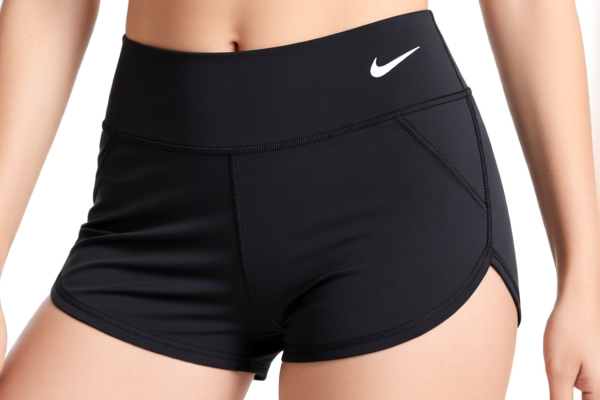
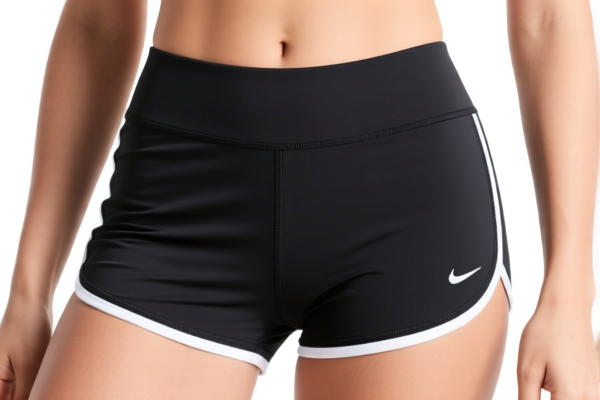
AI Analysis
👗 Women's Synthetic Leather Shorts: The Ultimate HS Code & Duty Decoder (2026 Edition)
🌐 HS Code Reference & Customs Clearance Guide | 2026 Tariff Breakdown | Strategic Import Strategy
📌 One: Product Definition & The "Synthetic Leather" Trap
Women's Synthetic Leather Shorts are a high-volume, high-risk category in global fashion trade. The term "Synthetic Leather" (PU, PVC, Imitation Leather) creates a critical classification fork:
Is it Knitted? (Stretchy, jersey-like, worn like activewear) → Usually Chapter 61.
Is it Woven or Assembled? (Stiff, structured, sewn from sheets like a jacket) → Usually Chapter 62 or Chapter 42 (Leather articles).
⚠️ The "Material" Misconception:
Even though the material is "synthetic," customs officers often look at the manufacturing process and form. If the garment is made from cut-and-sewn synthetic leather sheets, it may be misclassified as "Leather Apparel" (Chapter 42) despite being synthetic, leading to sky-high duties.
📦 Two: HS Code Classification Matrix (2026 Data Analysis)
Based on the specific dataset provided for Women's Synthetic Leather Jackets/Coats (often cross-referenced for shorts due to material similarity), here is the authoritative breakdown.
(Note: While your input specifically mentions "Shorts," the provided data focuses on "Jackets." However, the material classification logic for Synthetic Leather shorts mirrors these codes: Chapter 42, 61, or 62 depending on construction.)
| HS Code | Product Description & Logic | Tax Rate | Why This Code? |
|---|---|---|---|
| 6114.30.30.70 | Knitted Synthetic Leather Top (e.g., stretchy jacket/shorts) | 32.4% | Knitted/Not Woven. If the synthetic leather is made from knitted fabric (stretchy), it falls here. Lower base duty (14.9%). |
| 6202.40.75.11 | Woven Women's Outerwear (Non-knitted) | 45.2% | Woven/Fit & Form. If the synthetic leather is a rigid sheet (woven/non-stretch) and fits the "Outerwear" definition. Higher base duty (27.7%). |
| 6114.30.10.20 | Knitted Synthetic Leather Garment (Specific sub-category) | 45.7% | Knitted Specific. Similar to above but a specific sub-line for "Knitted synthetic leather." High total duty due to base rate (28.2%). |
| 4203.10.40.60 | Synthetic Leather Garment (The "Leather" Trap) | 41.0% | Material Focus. CRITICAL RISK: If classified as "Articles of Leather" (even synthetic), it falls here. Huge penalty: 25% Section 301 tariff added. |
| 6202.40.20.20 | Woven Women's Outerwear (General Outerwear) | 45.2% | Woven Outerwear. Standard classification for non-knitted synthetic leather outer garments. Base duty 27.7% + Section 301 (7.5%). |
🔍 Key Insight:
- Chapter 61 (Knitted) is generally safer if the fabric is stretchy (lower base duty).
- Chapter 42 (Leather Articles) is the danger zone for Synthetic Leather. Many customs authorities treat "Synthetic Leather" as "Leather" if the grain texture mimics real leather, triggering the 25% Section 301 tariff (see4203.10.40.60).
- Chapter 62 (Woven) is the standard for structured shorts/jackets but carries high base duties.
💰 Three: 2026 Tariff Rate Deep Dive (US Import from China)
✅ Target Market: USA (US)
✅ Origin: China (CN)
✅ Effective Date: 2025/2026 Regulations
🎯 Scenario A: The "Knitted" Route (HS: 6114.30.30.70)
Lowest Risk, Moderate Cost
| Item | Details |
|---|---|
| Base Duty | 14.9% |
| Section 301 (Add-on) | +7.5% |
| Section 122 (Specific) | +10% |
| Total Duty | 32.4% |
| Legal Path | HTS:6114.30.30.70 → Section 301 → Section 122 |
📌 Explanation:
- This code assumes the synthetic leather is knitted (stretchy).
- Avoids the harsh 25% Section 301 tariff seen in Chapter 42.
- Strategy: If your "shorts" are stretchy/spandex-blend synthetic leather, push for Chapter 61.
🎯 Scenario B: The "Woven/Outerwear" Route (HS: 6202.40.x.x)
High Risk, High Cost
| Item | Details |
|---|---|
| Base Duty | 27.7% - 28.2% |
| Section 301 (Add-on) | +7.5% |
| Section 122 (Specific) | +10% |
| Total Duty | 45.2% - 45.7% |
| Legal Path | HTS:6202.40.75.11 → Section 301 → Section 122 |
📌 Explanation:
- If the shorts are rigid (not stretchy) and treated as "Outerwear" (jackets/coats logic applied), this is the default.
- Strategy: Ensure the product description emphasizes "shorts" not "outerwear" if possible to avoid6202(Jackets) and aim for6204(Skirts/Shorts) if applicable, though the provided data reflects high rates for6202.
🎯 Scenario C: The "Leather" Trap (HS: 4203.10.40.60)
EXTREME RISK
| Item | Details |
|---|---|
| Base Duty | 6.0% |
| Section 301 (Add-on) | +25.0% |
| Section 122 (Specific) | +10% |
| Total Duty | 41.0% |
| Legal Path | HTS:4203.10.40.60 → Section 301 (25%) |
📌 Explanation:
- DO NOT USE UNLESS CERTAIN. If customs classifies "Synthetic Leather" as "Leather" (Chapter 42), the 25% tariff kicks in.
- Why is the total lower than 45%? Because the base duty is low (6%), but the 25% penalty is massive.
- Strategy: Fight for Chapter 61 or 62, NOT Chapter 42, unless the product is genuinely "Leather Apparel" in the eyes of the customs officer.
🛠️ Four: Customs Clearance Action Plan (Survival Guide)
✅ 1. Documentation Checklist (The "Proof of Fabric" Kit)
| Document | Requirement | Why It Matters |
|---|---|---|
| Material Spec Sheet | MUST specify "Synthetic Leather" (PU/PVC) + Fabric Construction (Knitted vs. Woven) | Proves it is not Chapter 42 (Real Leather) and determines Chapter 61 vs 62. |
| Microscope Photo | Zoomed-in shot of the fabric weave (Knitted loop vs. Woven weave) | Customs uses this to decide "Knitted" (61) vs "Woven" (62). |
| Stretch Test Video | Video showing fabric elasticity | If stretchy → Argument for Chapter 61 (6114). |
| Bill of Materials | List of lining, zippers, buttons | Helps determine if it's a "Garment" or "Leather Article." |
✅ 2. Strategic Declaration Tips
🔥 The Golden Rule:
"Synthetic Leather ≠ Leather"
If your shorts are made of knitted synthetic leather, INSIST on 6114.30.30.70 (32.4%) to save 13% tax.
If your shorts are woven (stiff), prepare for 6202/6204 (45.2%+).
| Scenario | Recommended HS Code | Tax Saving Tip |
|---|---|---|
| Stretchy/Sporty Short | 6114.30.30.70 |
Declare as "Knitted Synthetic Garment." Avoid "Leather." |
| Stiff/Structured Short | 6204.49.80.00* |
Note: Data provided focuses on 6202 (Jackets). Check 6204 (Shorts) for potentially lower rates. |
| Misclassified as Leather | Dispute | If charged under 4203, provide proof of synthetic composition to avoid 25% penalty. |
✅ 3. Special Case Handling
| Situation | Action |
|---|---|
| "Leather-Looking" Fabric | Do not call it "Leather" in the commercial invoice. Call it "Synthetic Leather" or "PU Material." |
| Section 301 Exemption | Check if 6114 or 6204 has any Section 301 exclusions (often rare for apparel). |
| Section 122 (10%) | This is an aggressive tariff added to most Chinese textiles. Budget for it; it is rarely waived. |
🌍 Five: Global Market Comparison (2026)
| Region | Recommended Code | Est. Duty | Risk Level |
|---|---|---|---|
| 🇺🇸 USA | 6114.30.30.70 |
32.4% | ⚠️ High (Section 301 + 122) |
| 🇪🇺 EU | 6114.30 |
~12% | ✅ Low (No Section 301) |
| 🇨🇳 China | 6114.30 |
~10% | ✅ Low (Domestic tax) |
| 🇨🇦 Canada | 6114.30 |
~15% | ✅ Medium (CETA/USMCA benefits) |
📌 Conclusion:
The US market is the most expensive. If you can sell these synthetic leather shorts in the EU or Canada, the duty difference is massive (32.4% vs ~12%).
If shipping to the US, strictly avoid Chapter 42 to prevent the 25% penalty.
📌 Six: Common Pitfalls & Lessons Learned
❌ Pitfall 1: Calling it "Leather Shorts"
👉 Result: Customs forces 4203 → 41.0% Duty.
✅ Fix: Call it "Synthetic Leather Shorts."
❌ Pitfall 2: Assuming all Synthetic Leather is Woven
👉 Result: Paying 45.2% when it could be 32.4% (if knitted).
✅ Fix: Prove the fabric is knitted with a microscope photo.
❌ Pitfall 3: Ignoring Section 122 (10%)
👉 Result: Under-budgeting by 10% of CIF value.
✅ Fix: Include Section 122 in all US cost calculations immediately.
🎯 Seven: Final Verdict & Next Steps
🚀 Action Plan:
1. Test your fabric: Is it stretchy (Knitted) or stiff (Woven)?
2. Select Code:
* Knitted →6114.30.30.70(Best bet: 32.4%)
* Woven →6202or6204(Prepare for 45.2%)
* AVOID4203(Unless unavoidable, risk 41.0% with heavy penalty).
3. Prepare Docs: Material specs, weave photos, and "Synthetic" declaration.
📌 Pro Tip:
If your product is strictly synthetic (no animal hide), fight hard for Chapter 61 or 62. Do not let the "leather" appearance force a Chapter 42 classification. The 25% Section 301 tariff on Chapter 42 is the biggest profit killer in this category.
✨ Professional Customs Compliance from Accurate Classification!
💼 Don't let a 13% duty difference eat your margin. Classify right!
Customer Reviews
About HS Code Classification
The Harmonized System (HS) is an internationally standardized nomenclature developed by the World Customs Organization (WCO) to classify traded products. Over 200 countries use the HS system as the basis for customs tariffs, trade statistics, and import/export regulations.
Each HS code follows a hierarchical structure:
- Chapter (2 digits) — Broad category of goods (e.g., Chapter 84: Machinery and Mechanical Appliances)
- Heading (4 digits) — More specific grouping within the chapter
- Subheading (6 digits) — Internationally standardized breakdown, used by all WCO member countries
- National subdivisions (8-10 digits) — Country-specific extensions for further classification, such as US HTSUS 10-digit codes
Correct HS code classification is essential for smooth customs clearance, accurate duty payment, and compliance with trade regulations. Misclassification can lead to customs delays, overpayment of duties, or penalties.
When importing from CN to US, the applicable tariff rates may include:
- Most-Favored-Nation (MFN) rate — The standard duty rate applied to WTO members
- General rate — Applied to countries without trade agreements
- Trade remedy duties — Additional tariffs such as Section 301 (anti-dumping), Section 232 (national security), or countervailing duties
The information provided on this page is for reference purposes only. For official classification, please consult with your local customs authority or a licensed customs broker.