Women's Trousers
CN → USProduct Images
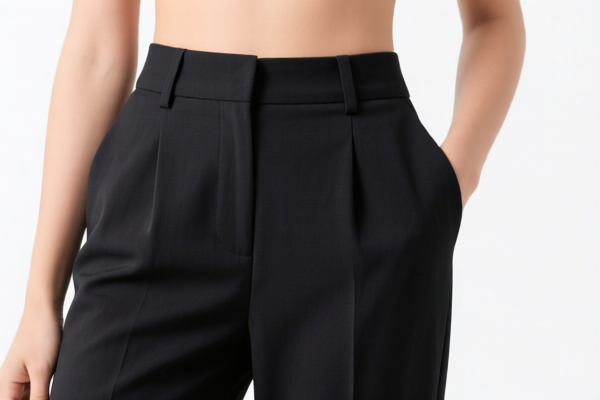
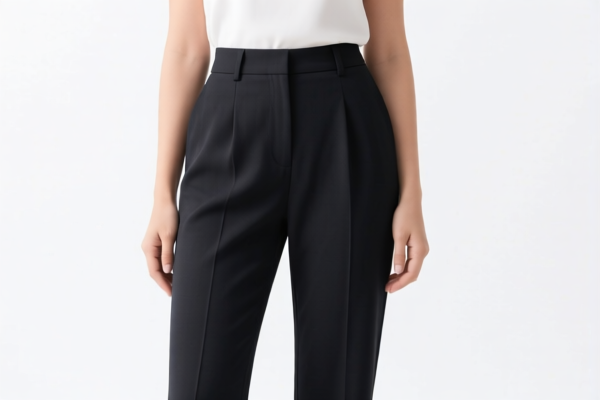

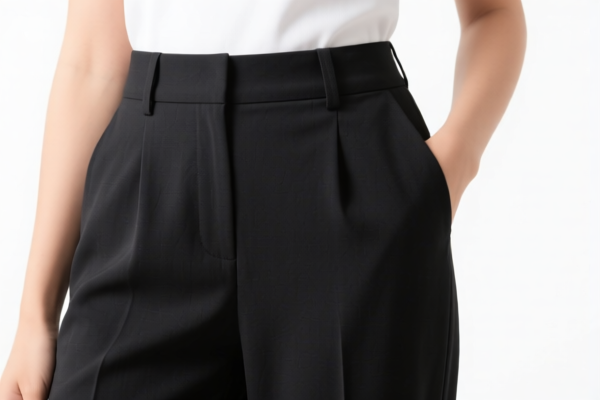
AI Analysis
👖 Women's Trousers (Casual/Work/Business)
🌐 HS Code Reference & Customs Clearance Guide | 2026 Latest Tariff Analysis | Professional Compliance Strategy
📌 I. Product Definition & Classification: Do You Really Understand "Women's Trousers"?
Women's trousers are bottom garments designed specifically for female wearers, covering the legs. In international trade, they are classified based on fabric composition and garment type. The key distinction lies between woven fabrics (tailored, business, casual) and knitted/tricot fabrics (yoga pants, sweatpants, loungewear).
Woven Trousers (Tailored/Business): Made from non-stretch or low-stretch woven fabrics (cotton, polyester, wool blends). These are the most common for office and formal wear.
Knitted Trousers (Athleisure/Loungewear): Made from stretchy knitted materials. Often classified differently due to elasticity and manufacturing process.
⚠️ Critical Distinction Point:
- If made from woven fabric → Generally falls under Chapter 62
- If made from knitted/tricot fabric → Generally falls under Chapter 61
- If made from leather or fur skin → Falls under Chapter 42
- If made from textiles of wool or fine animal hair → May fall under Chapter 51 (if wool content > 85%)
📦 II. HS Code Classification Details (2026 Latest Tariff Authority Comparison)
| HS Code | Product Description | Applicable Scenario | Fabric Type |
|---|---|---|---|
6204.63.10.00 |
Women's or girls' trousers, breeches & shorts, of cotton | Casual cotton jeans, chinos, cotton-blend trousers | ✅ Cotton Woven |
6204.63.90.00 |
Other women's trousers, of cotton | Cotton blends (<85% cotton), cotton-heavy mixes | ✅ Cotton Woven |
6204.69.10.00 |
Women's trousers, of synthetic fibers | Polyester, nylon, acrylic blended trousers | ✅ Synthetic Woven |
6204.69.90.00 |
Other women's trousers, of textile materials | Wool blends, viscose, rayon, linen, mixed textiles | ✅ Other Woven |
6104.63.00.00 |
Women's trousers, knitted or crocheted, of cotton | Yoga pants, cotton sweatpants, jersey trousers | ✅ Knitted Cotton |
6104.69.00.00 |
Women's trousers, knitted/crocheted, of other textile materials | Polyester yoga pants, synthetic leggings, fleece trousers | ✅ Knitted Synthetic |
4203.30.00.00 |
Trousers, breeches & shorts, of leather or composition leather | Leather pants, faux leather leggings | ✅ Leather/Faux Leather |
🔍 Key Reminder:
- Woven vs. Knitted is the most critical classification factor. A quick "stretch test" can help: if it snaps back significantly, it might be knitted (Ch 61); if it has little stretch, it's likely woven (Ch 62). - Cotton Content Threshold: For Ch 62, if cotton content is ≥ 85%, it may fall under specific subheadings, but generally, mixed fabrics follow the principal material rule. - Leggings: If marketed as "leggings" but made of woven fabric, they may still be classified as trousers. If made of knitted fabric, they are often classified as "tights" or "trousers" under Ch 61 depending on thickness and elasticity.
💰 III. 2026 Latest Tariff Rate Details (Including Surcharge, Policy Add-ons)
✅ Applicable Country: United States (US)
✅ Country of Origin: China (CN)
✅ Effective Date: November 10, 2025 (and subsequent imports)
🎯 1. 6204.63.10.00 / 6204.63.90.00 —— Women's Cotton Trousers (Woven)
| Item | Content |
|---|---|
| Base Rate | 16% (ad valorem) |
| USITC Surcharge | +25% (from USITC Footnote 9903.88.01) |
| IEEPA Surcharge | +10% (for China/HK products, from Nov 10, 2025) |
| Total Rate | 51% |
| Tax Calculation | CIF Value × 51% |
| De Minimis Eligibility | ❌ Not Eligible (deny_de_minimis) |
| Legal Basis Path | IEEPA:9903.01.25 → IEEPA:9903.01.24 → USITC:6204.63.10.00 → FOOTNOTE:9903.88.01 |
📌 Explanation:
- The 25% USITC surcharge is part of the Section 301 tariffs on Chinese goods. - The 10% IEEPA surcharge is an additional tariff on Chinese textiles. - Total 51% makes this a high-cost category. Profit margins must account for this.
🎯 2. 6204.69.10.00 / 6204.69.90.00 —— Women's Synthetic/Other Fiber Trousers (Woven)
| Item | Content |
|---|---|
| Base Rate | 16% (ad valorem) |
| USITC Surcharge | +25% |
| IEEPA Surcharge | +10% |
| Total Rate | 51% |
| Tax Calculation | CIF × 51% |
| De Minimis Eligibility | ❌ Not Eligible |
| Legal Basis Path | IEEPA:9903.01.25 → IEEPA:9903.01.24 → USITC:6204.69.10.00 → FOOTNOTE:9903.88.01 |
📌 Note:
- Same tax burden as cotton trousers. - Polyester, nylon, and other synthetic woven trousers are heavily taxed. - Viscose/Rayon (man-made fibers) also fall under Ch 62 with similar rates if woven.
🎯 3. 6104.63.00.00 / 6104.69.00.00 —— Women's Knitted Trousers (Yoga Pants, Sweatpants)
| Item | Content |
|---|---|
| Base Rate | 16% (ad valorem) |
| USITC Surcharge | +25% |
| IEEPA Surcharge | +10% |
| Total Rate | 51% |
| Tax Calculation | CIF × 51% |
| De Minimis Eligibility | ❌ Not Eligible |
| Legal Basis Path | IEEPA:9903.01.25 → IEEPA:9903.01.24 → USITC:6104.63.00.00 → FOOTNOTE:9903.88.01 |
📌 Note:
- Even though "knitted," the same Section 301 and IEEPA surcharges apply. - Leggings marketed as activewear often fall here if knitted.
🛠️ IV. Customs Clearance Practical Advice (Avoid Pitfalls)
✅ 1. Document Checklist (Essential)
| Document | Required | Description |
|---|---|---|
| ✅ Product Spec Sheet | ✔️ | Material composition (e.g., 95% Cotton, 5% Elastane), fabric weight, weave type (woven/knitted) |
| ✅ Fabric Swatch | ✔️ | For customs inspection if questioned |
| ✅ Product Photos (Front/Back/Inside Label) | ✔️ | Clearly show style, tags, and care labels |
| ✅ Certificate of Origin (CO) | ✔️ | To prove origin; if not China, may qualify for lower tariffs |
| ✅ Commercial Invoice | ✔️ | Must specify "Women's Woven Trousers" or "Women's Knitted Trousers" accurately |
| ✅ Packing List | ✔️ | Detail quantities, sizes, and package dimensions |
✅ 2. Declaration Tips (Key Mantra)
🔥 "Fabric First, Weave vs. Knit, Label Clear, Tax Avoids Hit!"
| Scenario | Correct Declaration | Wrong Practice |
|---|---|---|
| Cotton Jeans (Woven) | 6204.63.10.00 |
Misdeclare as "knitted" → 16% base + 35% = 51% (same) but risk of penalty |
| Yoga Pants (Knitted) | 6104.69.00.00 |
Misdeclare as "woven" → Same rate, but customs may reject if fabric analysis differs |
| Leather Pants | 4203.30.00.00 |
Misdeclare as textile → High penalty + reclassification |
| Mixed Material (e.g., Cotton/Poly) | 6204.69.10.00 (if synthetic principal) or 6204.63.90.00 (if cotton principal) |
Vague description like "pants" → Delayed clearance |
✅ 3. Special Cases
| Scenario | Handling Advice |
|---|---|
| Leggings | If knitted and opaque, classify as trousers (6104.69.00.00). If sheer, may be "hosiery" (6115), which has different rates. |
| Sweatpants | If knitted, classify under Ch 61. If woven (e.g., French terry), classify under Ch 62. |
| OEM/Custom Designs | Provide design sketches and tech packs to prove classification. |
| Origin Shift | If made in Vietnam, Mexico, or Thailand, IEEPA surcharge may not apply. Check FTAs! |
🌍 V. Global Market Comparison (2026 Latest)
| Country/Region | Recommended HS Code | Tariff | Certification | Notes |
|---|---|---|---|---|
| 🇺🇸 USA | 6204.69.10.00 |
51% (CN Origin) | None specific | High due to Section 301 + IEEPA |
| 🇨🇳 China | 6204.69.10.00 |
15-16% | None | Lower base rate |
| 🇪🇺 EU | 6204.69.10.00 |
12% | CE (if functional) | No IEEPA surcharge |
| 🇦🇺 Australia | 6204.69.10.00 |
5% | RCM | Low tariff |
| 🇯🇵 Japan | 6204.69.10.00 |
16% | PSE (if electrical) | Moderate tariff |
📌 Conclusion:
- USA is the most expensive market for Chinese-origin trousers due to 51% total tariff. - EU and Australia offer more favorable rates, but consider non-tariff barriers (sustainability, labor standards). - Vietnam/Mexico origins can bypass IEEPA, reducing US tariff to ~25% (if no other surcharges).
📌 VI. Common Errors & Pitfalls (Lessons Learned)
❌ Error 1: Declaring "knitted" pants as "woven"
👉 Consequence: Customs may reject or demand lab tests. If proven wrong, penalty + back taxes.
❌ Error 2: Ignoring material composition
👉 Consequence: If a pant is 60% cotton, 40% polyester, it may still be classified under cotton if cotton is principal. Misdeclaration leads to 16% vs. 25% base rate confusion, but with surcharges, the impact is magnified.
❌ Error 3: Using "Leggings" for knitted tights
👉 Consequence: Hosiery (6115) has different rates (often 12-16% total). Misclassification can lead to underpayment and audits.
✅ Correct Practice:
"Women's Woven Cotton Trousers, Size M-3XL, 95% Cotton 5% Spandex, Black, Style #123, Made in China"
🎯 VII. Conclusion: Precision in Classification Saves Money!
🎯 Remember the Mantra:
🔹 "Woven vs. Knit is King, Cotton vs. Poly is Queen!"
🔹 "51% Tax on CN Goods, Think Twice Before You Ship!"
🔹 "Origin Shift to Vietnam/Mexico, Cut Tariffs in Half!"
📌 Pro Tip:
If your trousers are originally from Vietnam, Mexico, Thailand, or Malaysia, you may avoid the 10% IEEPA surcharge, reducing the total US tariff to ~25-40%.
Recommendation: Apply for Advance Ruling from US Customs (CBP) for complex fabric blends to avoid disputes.
📣 Take Action Now:
📞 Contact a licensed customs broker + Provide fabric composition + Apply for CBP Advance Ruling
🚀 Ensure your trousers clear customs smoothly, minimize tax burden, and maximize profit!
✨ Professional Clearance Starts with Accurate Classification!
💼 Every Dollar Saved is a Dollar Earned!
Customer Reviews
About HS Code Classification
The Harmonized System (HS) is an internationally standardized nomenclature developed by the World Customs Organization (WCO) to classify traded products. Over 200 countries use the HS system as the basis for customs tariffs, trade statistics, and import/export regulations.
Each HS code follows a hierarchical structure:
- Chapter (2 digits) — Broad category of goods (e.g., Chapter 84: Machinery and Mechanical Appliances)
- Heading (4 digits) — More specific grouping within the chapter
- Subheading (6 digits) — Internationally standardized breakdown, used by all WCO member countries
- National subdivisions (8-10 digits) — Country-specific extensions for further classification, such as US HTSUS 10-digit codes
Correct HS code classification is essential for smooth customs clearance, accurate duty payment, and compliance with trade regulations. Misclassification can lead to customs delays, overpayment of duties, or penalties.
When importing from CN to US, the applicable tariff rates may include:
- Most-Favored-Nation (MFN) rate — The standard duty rate applied to WTO members
- General rate — Applied to countries without trade agreements
- Trade remedy duties — Additional tariffs such as Section 301 (anti-dumping), Section 232 (national security), or countervailing duties
The information provided on this page is for reference purposes only. For official classification, please consult with your local customs authority or a licensed customs broker.