Women's Western Boots
CN → US| HS Code | Tariff Rate | Origin | Destination | Doc |
|---|---|---|---|---|
| 6403919045 | 20.0% | CN | US | Official Doc |
| 6402914050 | 16.0% | CN | US | Official Doc |
| 6402993165 | 16.0% | CN | US | Official Doc |
| 6405100060 | 27.5% | CN | US | Official Doc |
| 6405209060 | 22.5% | CN | US | Official Doc |
Product Images
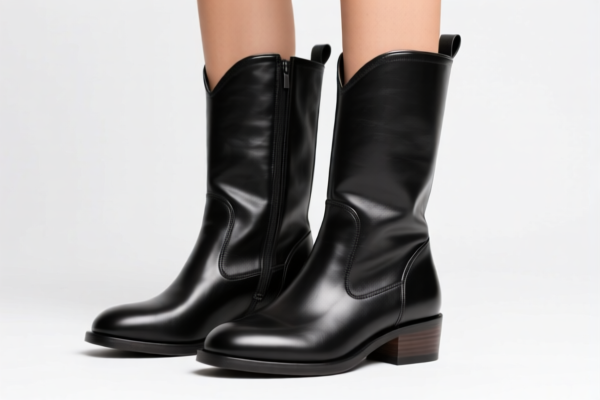
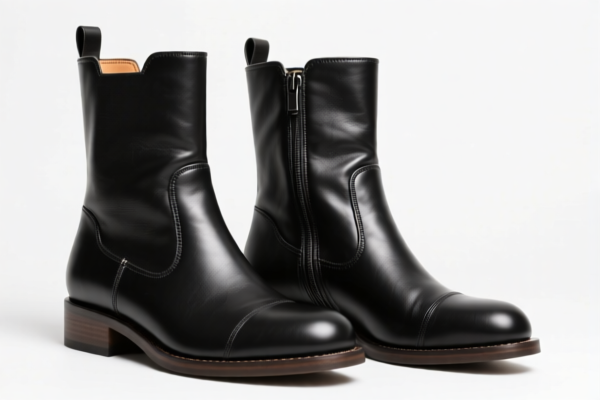
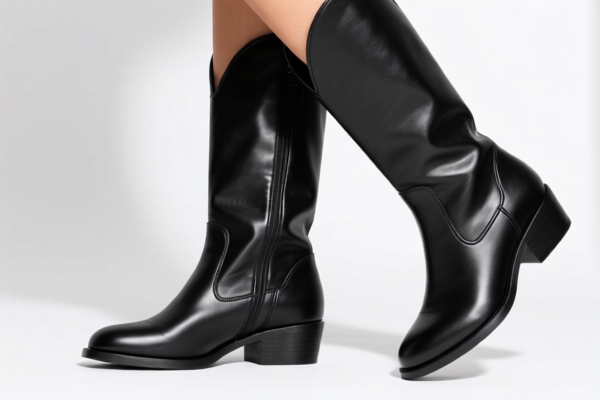
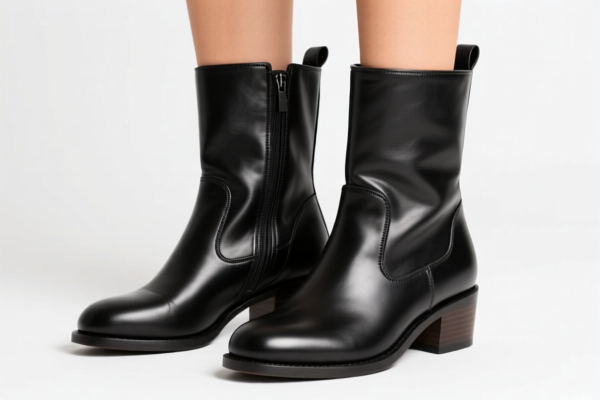
AI Analysis
👢 Women's Western Boots (女士西部靴)
🌐 HS Code Reference & Customs Clearance Guide | 2026 Latest Tariff Analysis | Professional Entry Strategy
📌 1. Product Definition: What Defines "Western Boots"?
Western Boots are a distinct style of footwear characterized by a high shaft (typically covering the ankle), a slanted heel, and no laces or buckles. In international trade, they are classified under Chapter 64 (Footwear, Leather or Synthetic Leather Footwear, Other Footwear).
The critical factors for classification are: 1. Upper Material: Leather, Composite Leather, Rubber, Plastic, or Textiles. 2. Coverage: Specifically those covering the ankle (distinct from low-cut shoes or high-top snow boots). 3. Purpose: Fashion/General use, not specialized safety or athletic use.
⚠️ Key Classification Point:
- If the upper is Leather → Look at heading 6403.
- If the upper is Rubber/Plastic → Look at heading 6402.
- If the upper is Textiles/Other → Look at heading 6405.
📦 2. HS Code Classification Details (2026 Tariff Authority)
Based on the provided data, here are the specific HS Codes for Women's Western Boots covering the ankle, along with their tax implications.
| HS Code | Product Description | Material Focus | Total Tax Rate |
|---|---|---|---|
6403.91.90.45 |
Women's Western Boots, Leather Upper, Covering Ankle | Leather | 20.0% |
6402.91.40.50 |
Women's Western Boots, Rubber/Plastic Upper, Covering Ankle | Rubber/Plastic | 16.0% |
6402.99.31.65 |
Women's Western Boots, Rubber/Plastic Upper, Other Footwear | Rubber/Plastic | 16.0% |
6405.10.00.60 |
Women's Western Boots, Leather/Composite Leather Upper | Leather/Composite | 27.5% |
6405.20.90.60 |
Women's Western Boots, Leather/Textile Material, Other | Mixed/Other | 22.5% |
🔍 Important Note:
-6403vs6405: While both may involve leather,6403typically applies to boots with a leather upper and specific sole constructions, whereas6405often covers footwear with textile uppers or composite materials where leather is not the dominant upper material, or specific other constructions.
- Rubber/Plastic Distinction:6402.91usually refers to sports/athletic shoes, while6402.99is for "Other." For fashion Western boots,6402.91.40.50is the primary classification if rubber/plastic is the primary material covering the ankle.
💰 3. Detailed Tariff Breakdown (Including Surtaxes)
✅ Applicable Country: United States (US)
✅ Origin: China (CN)
✅ Effective Date: Tariffs include Section 301 and Section 122 provisions.
🎯 1. 6403.91.90.45 —— Leather Upper, Ankle-Covering
| Item | Details |
|---|---|
| Base Duty | 10.0% (General Rate) |
| Surcharge (Section 301) | 0.0% (Specific exemption or lower bracket for this subheading) |
| Section 122 Tariff | +10.0% |
| Total Tax Rate | 20.0% |
| Calculation | CIF Value × 20% |
| Legal Basis | Section 122: 10% applied to specific leather footwear from China. |
📌 Explanation:
- Leather boots generally face higher scrutiny.
- The 10% Section 122 tariff is a key component here, separate from the base duty.
- No additional Section 301 surcharge is listed for this specific code in the provided data, making it relatively more favorable than some other categories.
🎯 2. 6402.91.40.50 —— Rubber/Plastic Upper, Ankle-Covering
| Item | Details |
|---|---|
| Base Duty | 6.0% |
| Surcharge (Section 301) | 0.0% |
| Section 122 Tariff | +10.0% |
| Total Tax Rate | 16.0% |
| Calculation | CIF Value × 16% |
| Legal Basis | Section 122: 10% applied to rubber/plastic footwear. |
📌 Explanation:
- Rubber/plastic boots have a lower base duty (6%) compared to leather (10%).
- However, the Section 122 tariff (+10%) remains constant, bringing the total to 16%.
- This is the most cost-effective option among the listed codes for imported boots.
🎯 3. 6402.99.31.65 —— Rubber/Plastic Upper, Other Use
| Item | Details |
|---|---|
| Base Duty | 6.0% |
| Surcharge (Section 301) | 0.0% |
| Section 122 Tariff | +10.0% |
| Total Tax Rate | 16.0% |
| Calculation | CIF Value × 16% |
| Legal Basis | Same as above, but classified under "Other" rubber/plastic footwear. |
📌 Explanation:
- Use this code if the boot does not strictly fit the "sports/athletic" definition of6402.91but is still rubber/plastic.
- Tax rate is identical to6402.91.40.50.
🎯 4. 6405.10.00.60 —— Leather/Composite Upper (Other Construction)
| Item | Details |
|---|---|
| Base Duty | 10.0% |
| Surcharge (Section 301) | 7.5% |
| Section 122 Tariff | +10.0% |
| Total Tax Rate | 27.5% |
| Calculation | CIF Value × 27.5% |
| Legal Basis | Section 301: 7.5% + Section 122: 10% + Base 10%. |
📌 Explanation:
- This is the highest tax rate in the list.
- The 7.5% Section 301 surcharge is applied in addition to the base and Section 122 tariffs.
- This code is often for composite leathers or mixed materials that don't fit the strict "leather upper" definition of Chapter 6403.
🎯 5. 6405.20.90.60 —— Leather/Textile, Other Footwear
| Item | Details |
|---|---|
| Base Duty | 12.5% |
| Surcharge (Section 301) | 0.0% |
| Section 122 Tariff | +10.0% |
| Total Tax Rate | 22.5% |
| Calculation | CIF Value × 22.5% |
| Legal Basis | Section 122: 10% + Base 12.5%. |
📌 Explanation:
- Higher base duty (12.5%) than standard leather boots.
- No Section 301 surcharge, but the total is still higher than the rubber/plastic options.
🛠️ 4. Customs Clearance Practical Advice (Battle-Tested Tips)
✅ 1. Preparation Checklist (Non-Negotiable)
| Document | Required | Notes |
|---|---|---|
| Product Photos | ✔️ | Clear images of the upper material (leather vs. rubber), sole, and shaft height. |
| Material Breakdown | ✔️ | Specify % of leather, rubber, plastic, or textile. Crucial for 6403 vs 6405. |
| Commercial Invoice | ✔️ | Must specify "Women's Western Boots" and HS Code. |
| Packing List | ✔️ | Include dimensions and weight. |
| Origin Certificate | ✔️ | Confirm China origin to apply correct surtaxes. |
✅ 2. Classification Strategy & Pitfalls
🔥 Golden Rule: "Material Determines Chapter, Shaft Determines Heading."
| Scenario | Correct HS Code | Tax Rate | Why? |
|---|---|---|---|
| Genuine Leather Upper | 6403.91.90.45 |
20.0% | Standard leather Western boot. |
| Synthetic Leather (PU/PVC) | 6405.10.00.60 |
27.5% | Often classified as "Other" or composite, attracting Section 301. |
| Rubber/Plastic Shaft | 6402.91.40.50 |
16.0% | Lowest tax rate. Ensure no leather content in the upper. |
| Mixed Material (Leather + Textile) | 6405.20.90.60 |
22.5% | If leather is not the predominant material or structure differs. |
⚠️ Common Mistake:
- Misclassifying Synthetic Leather boots as6403(Leather).
- Result: If customs audits and finds it's synthetic, they may reassess to6405(27.5%) or impose penalties for misdeclaration.
- Advice: If in doubt, provide material specs. Synthetic is often taxed higher due to Surtaxes.
✅ 3. Special Considerations
| Situation | Recommendation |
|---|---|
| OEM Private Label | Declare brand clearly. If no brand, state "Unbranded." |
| Samples | Even samples are subject to duty. Use 6402.91.40.50 if possible for lower cost. |
| High-Top vs Ankle | Ensure photos show ankle coverage. If below ankle, classification changes to different subheadings (e.g., 6404). |
| Section 122 Application | This tariff applies to all footwear from China regardless of value. It is non-negotiable in the current trade environment. |
🌍 5. Market Comparison (2026)
| Market | Recommended HS Code | Est. Tax Rate | Notes |
|---|---|---|---|
| 🇺🇸 USA | 6402.91.40.50 |
16.0% | Lowest rate for Western Boots. |
| 🇺🇸 USA | 6403.91.90.45 |
20.0% | Standard for Leather. |
| 🇺🇸 USA | 6405.10.00.60 |
27.5% | Avoid if possible (Synthetic/Composite). |
| 🇨🇳 China | Various | Varies | Import tariffs differ; focus on US export data. |
📌 Conclusion:
- For US imports, Rubber/Plastic Western Boots (6402.91.40.50) offer the lowest total duty (16%).
- Leather Boots (6403.91.90.45) are a solid middle ground at 20%.
- Synthetic/Composite (6405.10.00.60) is the most expensive at 27.5% due to additional surtaxes.
📌 6. Final Checklist for Shippers
- Verify Material: Is the upper 100% rubber/plastic? → Use
6402.91.40.50(16%). - Verify Leather: Is it genuine leather? → Use
6403.91.90.45(20%). - Avoid Ambiguity: If using "Leather-like" synthetic, prepare for
6405classification (27.5%) unless you can prove it falls under a different exemption. - Document Everything: Keep material test reports ready to justify the HS Code.
🎯 Pro Tip:
"Choose Rubber, Save 7%; Choose Leather, Pay 20%; Avoid Synthetic Surcharge!"
Always confirm with your freight forwarder if the supplier's description matches the Section 122 definition.
📣 Action Required:
✅ Request material certificate from supplier.
✅ Confirm HS Code with customs broker before shipment.
✅ Calculate landed cost using the lowest applicable rate (16%) if possible.
✨ Smart Classification, Lower Duties, Faster Clearance!
💼 Your Profit Margin Depends on These 2 Digits!
Customer Reviews
About HS Code Classification
The Harmonized System (HS) is an internationally standardized nomenclature developed by the World Customs Organization (WCO) to classify traded products. Over 200 countries use the HS system as the basis for customs tariffs, trade statistics, and import/export regulations.
Each HS code follows a hierarchical structure:
- Chapter (2 digits) — Broad category of goods (e.g., Chapter 84: Machinery and Mechanical Appliances)
- Heading (4 digits) — More specific grouping within the chapter
- Subheading (6 digits) — Internationally standardized breakdown, used by all WCO member countries
- National subdivisions (8-10 digits) — Country-specific extensions for further classification, such as US HTSUS 10-digit codes
Correct HS code classification is essential for smooth customs clearance, accurate duty payment, and compliance with trade regulations. Misclassification can lead to customs delays, overpayment of duties, or penalties.
When importing from CN to US, the applicable tariff rates may include:
- Most-Favored-Nation (MFN) rate — The standard duty rate applied to WTO members
- General rate — Applied to countries without trade agreements
- Trade remedy duties — Additional tariffs such as Section 301 (anti-dumping), Section 232 (national security), or countervailing duties
The information provided on this page is for reference purposes only. For official classification, please consult with your local customs authority or a licensed customs broker.