Women's Yoga Pants
CN → US| HS Code | Tariff Rate | Origin | Destination | Doc |
|---|---|---|---|---|
| 6112110060 | 32.4% | CN | US | Official Doc |
| 6104632006 | 45.7% | CN | US | Official Doc |
| 6104632011 | 45.7% | CN | US | Official Doc |
| 6211335030 | 33.5% | CN | US | Official Doc |
| 6211431040 | 33.5% | CN | US | Official Doc |
Product Images

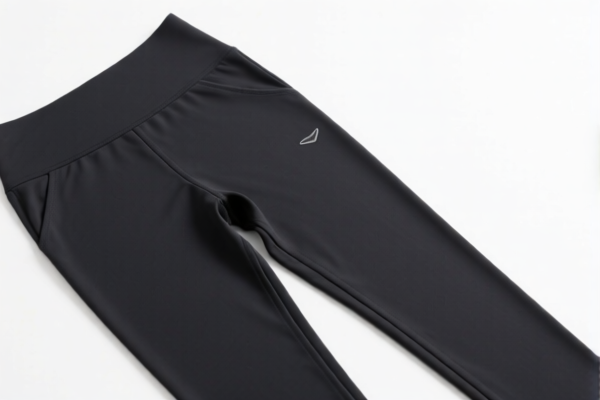


AI Analysis
🧘♀️ Women's Yoga Pants (Activewear Bottoms)
🌐 HS Code Reference & Customs Clearance Guide | 2026 Duty Rate Analysis | Strategic Compliance Strategy
📌 I. Product Definition & Classification: What Makes "Yoga Pants" Unique?
Women's Yoga Pants are specialized athletic bottoms designed for high-mobility activities like yoga, pilates, and gym workouts. Their classification in international trade hinges on three critical factors:
- Material Composition: Are they made of Cotton (natural) or Synthetic Fibers (Nylon, Polyester, Spandex/Elastane)?
- Knitting Method: Are they Knitted (elastic, stretchy) or Woven (stiff, structured)?
- Function: Are they general-purpose sports pants or specifically designed as Activewear/Sportswear?
⚠️ Key Distinction:
- Knitted vs. Woven: Yoga pants are almost always Knitted (Chapter 61) due to their stretch. If woven (Chapter 62), they face different tax rules. - Cotton vs. Synthetic: The fiber content dictates the specific HS Code sub-category and significantly impacts the Base Duty Rate (e.g., Cotton ~14.9% vs. Synthetic ~28.2%).
📦 II. HS Code Classification Breakdown (2026 Duty Table)
Based on the provided dataset for Women's Yoga Pants imported from China to the US.
| HS Code | Product Description | Material | Type | Base Duty | Total Tax Rate |
|---|---|---|---|---|---|
6112.11.00.60 |
Yoga Pants (General Sportswear Trousers) | Cotton or Synthetic | Knitted | 14.9% | 32.4% |
6104.63.20.06 |
Knitted Trousers for Yoga/Sports | Synthetic Fibers | Knitted | 28.2% | 45.7% |
6104.63.20.11 |
Women's Pants for Yoga | Synthetic (Nylon/Polyester) | Knitted | 28.2% | 45.7% |
6211.33.50.30 |
Sportswear Trousers (Yoga) | Synthetic or Elastic | Woven* | 16.0% | 33.5% |
6211.43.10.40 |
Women's Sports Trousers | Man-made Fibers | Woven* | 16.0% | 33.5% |
🔍 Critical Note on Chapter 61 vs. 62:
- Chapter 61 (Items 1, 2, 3): These are Knitted garments (jersey fabric). They are the most common for yoga pants. - Chapter 62 (Items 4, 5): These are Woven garments (if the yoga pants are made of a non-stretch woven fabric). While less common for yoga, they still apply if the material structure is woven.
💰 III. 2026 Tariff Rate详解 (Detailed Breakdown of附加税)
✅ Applicable Region: United States (US)
✅ Origin: China (CN)
✅ Regulation Date: 2025/2026 (Active Trade Restrictions)
🎯 1. The "Total Tax" Formula
The Total Tax Rate is NOT just the Base Duty. It is a叠加 (stack) of three layers:
$$ \text{Total Tax} = \text{Base Duty} + \text{Section 301 Add-on} + \text{Section 122 Add-on} $$
| Layer | Description | Impact on Rate |
|---|---|---|
| Layer 1: Base Duty | Standard MFN Tariff | Varies by Material (14.9% vs 28.2%) |
| Layer 2: "Section 301" Add-on | US Trade War Tariff | +7.5% (Flat add-on for these categories) |
| Layer 3: "Section 122" Add-on | Recent China Tariff | +10% (New 2024/2025 tariff) |
| 💥 Resulting Total | Sum of all three | 32.4% ~ 45.7% |
📊 Case Study A: Cotton/Synthetic Blend (Knitted)
HS Code: 6112.11.00.60
Scenario: High-cotton content or mixed blend yoga pants.
| Item | Value | Explanation |
|---|---|---|
| Base Duty | 14.9% | Lower rate for "Sportswear" category (6112) |
| Section 301 | +7.5% | Mandatory surcharge |
| Section 122 | +10.0% | Mandatory surcharge |
| TOTAL | 32.4% | High Cost Impact |
📌 Analysis: Even though the base duty is the lowest (14.9%), the total hits 32.4% due to the double surcharges.
📊 Case Study B: 100% Synthetic (Knitted)
HS Codes: 6104.63.20.06 / 6104.63.20.11
Scenario: Standard Nylon/Spandex/Lycra Yoga Pants.
| Item | Value | Explanation |
|---|---|---|
| Base Duty | 28.2% | Higher rate for "Synthetic Trousers" (6104) |
| Section 301 | +7.5% | Mandatory surcharge |
| Section 122 | +10.0% | Mandatory surcharge |
| TOTAL | 45.7% | Extremely High Cost |
📌 Analysis: Synthetic yoga pants face the highest tax burden (45.7%). This is because the Base Duty is already high (28.2%), and surcharges are added on top.
📊 Case Study C: Woven Sportswear
HS Codes: 6211.33.50.30 / 6211.43.10.40
Scenario: Woven fabric yoga pants (rare but possible).
| Item | Value | Explanation |
|---|---|---|
| Base Duty | 16.0% | Moderate rate for "Woven Sportswear" |
| Section 301 | +7.5% | Mandatory surcharge |
| Section 122 | +10.0% | Mandatory surcharge |
| TOTAL | 33.5% | High Cost |
📌 Analysis: Woven yoga pants are slightly cheaper than knitted synthetics (33.5% vs 45.7%) but still significantly more expensive than pre-2018 rates.
🛠️ IV. Customs Clearance Operational Advice (Avoiding Traps)
✅ 1. Material Declaration is EVERYTHING
- Do NOT say: "Yoga Pants" or "Sports Trousers" generically.
- DO say: "Women's Knitted Trousers, 95% Nylon, 5% Spandex, for Yoga."
- Why? The difference between Cotton (
6112) and Synthetic (6104) changes the Base Duty from 14.9% to 28.2%. A wrong material declaration can trigger customs fines and re-classification.
✅ 2. Knitted vs. Woven Verification
- Check the weave of the fabric.
- Knitted (Looped): Use Chapter 61 Codes (
6112.11.00.60,6104.63...). - Woven (Interlaced): Use Chapter 62 Codes (
6211.33...,6211.43...).
- Knitted (Looped): Use Chapter 61 Codes (
- Risk: Misclassifying knitted pants as woven (or vice versa) is a common audit target.
✅ 3. The "De Minimis" Trap
- Warning: These products DO NOT qualify for the $800 de minimis exemption if declared under these specific high-duty codes.
- Strategy: If shipping via B2C (e.g., Amazon FBA), ensure the duty is included in the landed cost calculation. Do not expect tax-free entry for these items.
✅ 4. Documentation Checklist
| Document | Requirement |
|---|---|
| Commercial Invoice | Must list exact fiber percentages (e.g., 88% Polyester, 12% Elastane). |
| Packing List | Must indicate "Women's Knitted Sportswear" or "Woven Sportswear". |
| Material Test Report | Lab report proving fiber content is crucial for customs verification. |
| Labeling | Physical tags on the pants must match the invoice (Content: 95% Nylon, 5% Spandex). |
🌍 V. Strategic Cost Comparison (Market Analysis)
| Scenario | HS Code | Base Duty | Total Tax (CN) | Recommendation |
|---|---|---|---|---|
| Cotton/Mixed Knitted | 6112.11.00.60 |
14.9% | 32.4% | Best Option (Lowest total tax) |
| 100% Synthetic Knitted | 6104.63.20.06 |
28.2% | 45.7% | Avoid if possible (High tax) |
| Woven Sportswear | 6211.33.50.30 |
16.0% | 33.5% | Alternative (If fabric must be woven) |
💡 Smart Strategy: If your product line allows, consider increasing the Cotton content or blending to qualify for
6112.11.00.60. The total tax savings (45.7% → 32.4%) is $13.3 per $100 of goods.
🚨 VI. Common Pitfalls & Solutions
❌ Mistake 1: Declaring "Yoga Pants" without specifying the fabric type. * Consequence: Customs will default to the highest possible tax rate (often 45.7%) to maximize revenue.
❌ Mistake 2: Claiming "Woven" for stretchy knitted fabric. * Consequence: Rejection of entry, storage fees, and potential seizure for misclassification.
❌ Mistake 3: Ignoring Section 122 Tariffs. * Consequence: Unexpected cost spike of +10% on top of existing duties, ruining profit margins.
✅ Solution:
Always declare: "Women's Knitted Trousers, 100% Synthetic, For Yoga" OR "Women's Knitted Sportswear, Cotton Blend". Always calculate: (Base Duty + 7.5% + 10%) = Final Landed Cost.
🎯 VII. Conclusion: Maximize Profit, Minimize Risk
- For Synthetic Yoga Pants: Expect 45.7% total duty. Factor this into your pricing immediately.
- For Cotton Blend: Aim for 32.4% total duty by optimizing fabric composition.
- Action Plan:
- Verify your fabric composition (Lab Test).
- Select the correct HS Code (
6104vs6112vs6211). - Prepare all fiber percentage documentation.
- Budget for the 10% Section 122 surcharge.
🚀 Final Tip: If you are launching a new brand, pre-clearance (Advance Ruling) with CBP is highly recommended to lock in the
6112.11.00.60rate if your material blend qualifies.
✨ Professional Customs Clearance Starts with Precision!
💼 Your Margins Depend on Accurate Classification!
Customer Reviews
About HS Code Classification
The Harmonized System (HS) is an internationally standardized nomenclature developed by the World Customs Organization (WCO) to classify traded products. Over 200 countries use the HS system as the basis for customs tariffs, trade statistics, and import/export regulations.
Each HS code follows a hierarchical structure:
- Chapter (2 digits) — Broad category of goods (e.g., Chapter 84: Machinery and Mechanical Appliances)
- Heading (4 digits) — More specific grouping within the chapter
- Subheading (6 digits) — Internationally standardized breakdown, used by all WCO member countries
- National subdivisions (8-10 digits) — Country-specific extensions for further classification, such as US HTSUS 10-digit codes
Correct HS code classification is essential for smooth customs clearance, accurate duty payment, and compliance with trade regulations. Misclassification can lead to customs delays, overpayment of duties, or penalties.
When importing from CN to US, the applicable tariff rates may include:
- Most-Favored-Nation (MFN) rate — The standard duty rate applied to WTO members
- General rate — Applied to countries without trade agreements
- Trade remedy duties — Additional tariffs such as Section 301 (anti-dumping), Section 232 (national security), or countervailing duties
The information provided on this page is for reference purposes only. For official classification, please consult with your local customs authority or a licensed customs broker.