Women's and Children's Wear
CN → US| HS Code | Tariff Rate | Origin | Destination | Doc |
|---|---|---|---|---|
| 6111206070 | 25.6% | CN | US | Official Doc |
| 6109100045 | 34.0% | CN | US | Official Doc |
| 6209303040 | 33.5% | CN | US | Official Doc |
| 6109100065 | 34.0% | CN | US | Official Doc |
| 6104198090 | 23.1% | CN | US | Official Doc |
| 6204434030 | 33.5% | CN | US | Official Doc |
Product Images
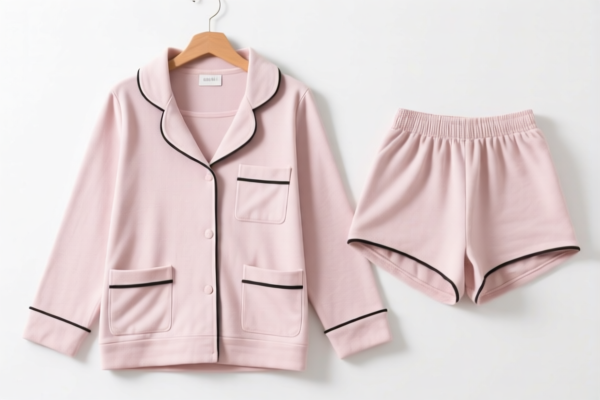
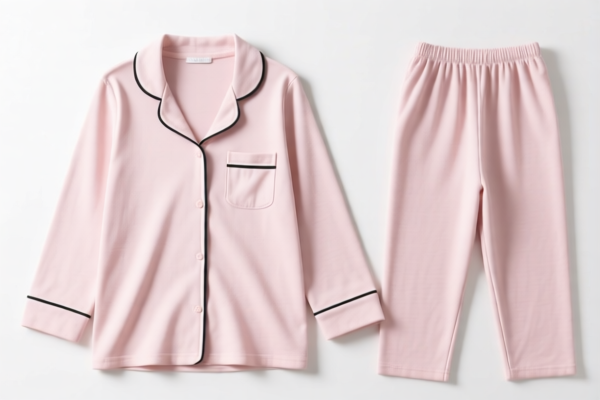
AI Analysis
👗 Women’s & Children’s Wear (Apparel)
🌐 HS Code Reference & Customs Clearance Guide | 2026 Latest Tariff Analysis | Strategic Classification for Apparel
📌 I. Product Definition & Classification: Are You Declaring the Right Category?
Women’s and children’s apparel is a broad category in international trade, heavily dependent on material composition, knitted vs. woven construction, and age group. Misclassification is the #1 cause of customs delays and unexpected tariffs.
⚠️ Key Distinction Logic:
- Age Group: Is it for Children (Under 13) or Adult Women? → Determines Chapter 61/62 subheadings.
- Fabric Material: Cotton, Synthetic Fibers (Polyester/Nylon), or Other Textiles? → Drives the specific HS Code.
- Construction: Knitted/Crocheted (Chapter 61) vs. Woven (Chapter 62)? → Critical for correct heading.
📦 II. HS Code Classification Matrix (Based on Provided Data)
| HS Code | Product Description | Likely Material | Gender/Age Group | Total Tax Rate (US Import from CN) |
|---|---|---|---|---|
6111.20.60.70 |
Baby/Children’s Garments (Infant/Toddler category) | Not specified (General Children's) | Children/Infant | 25.6% |
6109.10.00.45 |
T-shirts, Singlets, Vests (Knitted) | Cotton or Polyester | Children | 34.0% |
6109.10.00.65 |
T-shirts, Singlets, Vests (Knitted) | Cotton | Children | 34.0% |
6209.30.30.40 |
Woven Children’s Garments | Synthetic Fibers | Children | 33.5% |
6104.19.80.90 |
Women’s Suits, Ensembles, Suits (Knitted/Crocheted) | Other Textile Materials | Women | 23.1% |
🔍 Critical Note:
-6111is specifically for Infant/Toddler wear. If the item is for an older child (>13), it does NOT qualify.
-6104.19is for Women’s suits/sets. It is NOT for children.
-6109covers T-shirts/Singlets. For children, these are high-volume items but carry high additional tariffs.
-6209covers Woven children’s wear. If it’s knitted, it must go to Chapter 61.
💰 III. 2026 Tariff Structure Breakdown (China-Origin Goods to US)
✅ Applicable Country: United States (US)
✅ Origin: China (CN)
✅ Effective Date: Post-2025 Trade Policy Adjustments
🎯 1. 6111.20.60.70 — Infant/Children’s Garments
| Item | Detail |
|---|---|
| Base Tariff | 8.1% |
| Section 301 Tariff | 7.5% |
| 122 Clause Tariff | 10% |
| Total Effective Rate | 25.6% |
| De Minimis Exemption | ❌ Not Eligible (Due to high total rate and specific clauses) |
| Legal Path | Section 301: 6111.20.60.70 → 122 Clause: 10% |
📌 Explanation:
- Infant clothing enjoys a lower base rate (8.1%) compared to other children’s wear.
- However, it is still subject to the 122 Clause (10%) and Section 301 (7.5%).
- Total: 25.6%. This is the most cost-effective option among the listed children’s codes.
🎯 2. 6109.10.00.45 & 6109.10.00.65 — Children’s T-Shirts (Cotton/Poly)
| Item | Detail |
|---|---|
| Base Tariff | 16.5% |
| Section 301 Tariff | 7.5% |
| 122 Clause Tariff | 10% |
| Total Effective Rate | 34.0% |
| De Minimis Exemption | ❌ Not Eligible |
| Legal Path | Section 301: 6109.10.00.45/65 → 122 Clause: 10% |
📌 Explanation:
- T-shirts for children are classified under 6109.10 (Knitted T-shirts).
- Cotton (.65) and Polyester/Other (.45) have identical tariff structures in this dataset.
- High Base Rate (16.5%) makes this category expensive.
- Total: 34.0%. Avoid this if possible; consider if the product can be classified as a different item (e.g., loungewear) if structurally appropriate.
🎯 3. 6209.30.30.40 — Woven Children’s Garments (Synthetic)
| Item | Detail |
|---|---|
| Base Tariff | 16.0% |
| Section 301 Tariff | 7.5% |
| 122 Clause Tariff | 10% |
| Total Effective Rate | 33.5% |
| De Minimis Exemption | ❌ Not Eligible |
| Legal Path | Section 301: 6209.30.30.40 → 122 Clause: 10% |
📌 Explanation:
- Woven garments for children fall under Chapter 62.
- Synthetic fibers (Polyester, Nylon) are common here.
- Total: 33.5%. Slightly lower than T-shirts due to a slightly lower base rate (16.0% vs 16.5%), but still high.
🎯 4. 6104.19.80.90 — Women’s Knitted Suits/Ensembles
| Item | Detail |
|---|---|
| Base Tariff | 5.6% |
| Section 301 Tariff | 7.5% |
| 122 Clause Tariff | 10% |
| Total Effective Rate | 23.1% |
| De Minimis Exemption | ❌ Not Eligible |
| Legal Path | Section 301: 6104.19.80.90 → 122 Clause: 10% |
📌 Explanation:
- Women’s suits/sets (knitted) have the lowest base rate (5.6%).
- Total: 23.1%. This is the most favorable rate for women’s apparel in the provided list.
- Note: Must be a "suit" or "ensemble" (matching top and bottom). Individual pieces (e.g., just a blouse) may fall under different codes.
🛠️ IV. Customs Clearance Strategy (Actionable Advice)
✅ 1. Documentation Checklist (Mandatory)
| Document | Requirement | Why? |
|---|---|---|
| Commercial Invoice | Must specify Material % (e.g., 100% Cotton, 65% Poly/35% Cotton) | Determines Base Tariff (Cotton vs. Synthetic) |
| Product Photos | Clear shots of labels, tags, and garment structure | Verifies Age Group (Child vs. Adult) and Type (Knitted vs. Woven) |
| Size Chart | Must show age/size range | Crucial for distinguishing 6111 (Infant) from 6104/6109 (Child/Adult) |
| Care Label | Shows fiber content | Supports declared material |
| Origin Certificate | If applicable | For potential FTA benefits (though limited for China in this context) |
✅ 2. Classification Pitfalls (Avoid These Errors!)
❌ Error 1: Declaring Children’s T-shirts as Women’s Tops
👉 Risk: If the size range is clearly children’s (e.g., Size 4T, 6X), CBP will reclassify to 6109 (34% tax).
👉 Result: Back taxes, penalties, and delays.
❌ Error 2: Declaring Woven Pants as Knitted (Chapter 61)
👉 Risk: Structural misclassification.
👉 Result: Incorrect HS Code → Potential duty underpayment → Audit risk.
❌ Error 3: Misidentifying Infant Wear (6111) for older children
👉 Risk: Only items for under 13 months typically qualify for 6111.
👉 Result: Higher tariff (33.5-34.0%) instead of 25.6%.
✅ Best Practice:
Use precise product descriptions:
“Baby Girl’s Cotton Knit Romper, Size 0-3M, 100% Cotton”
“Women’s Knitted Polyester Blouse, Size M, For Adult Women”
🌍 V. Global Tariff Comparison (China-Origin)
| Region | Typical HS Code | Base Rate | Additional Taxes | Total Est. |
|---|---|---|---|---|
| 🇺🇸 USA | 6109.10, 6104.19, etc. |
5.6% - 16.5% | +17.5% (301 + 122) | 23.1% - 34.0% |
| 🇨🇳 China | Various | 0% - 10% | None | 0% - 10% (Export) |
| 🇪🇺 EU | Various | 8% - 12% | None (Unless Anti-dumping) | ~10% |
| 🇬🇧 UK | Various | 8% - 12% | None | ~10% |
📌 Insight:
- The US market is the most expensive for Chinese apparel due to the 122 Clause + Section 301叠加.
- Europe/UK does not impose these specific additional tariffs on general apparel, making them more cost-competitive for Chinese exporters.
📌 VI. Pro Tips for Cost Optimization
- Prioritize
6111for Infants: If your product is for babies <13 months, ensure the description highlights "Infant" or "Newborn". The 25.6% rate is significantly lower than the 34% for older children’s T-shirts. - Women’s Suits/Ensembles are Cheapest: If you sell matching sets (top+bottom) for women,
6104.19.80.90at 23.1% is the most efficient classification among the options. - Avoid Single T-Shirts for Children:
6109codes carry the highest total tax (34%). Consider if the item can be marketed as a "Loungewear Top" or "Blouse" under a different category if structurally appropriate, though this must be truthful. - Material Declaration is Key: Ensure your supplier provides accurate fiber content. A switch from Cotton (16.5% base) to Synthetic (16.0% base) might save 0.5%, but the impact is marginal compared to the 301/122 surcharges.
🎯 VII. Conclusion: Smart Classification Saves Money
🔹 Rule of Thumb:
- Infants (0-13M) → 25.6% (Best for kids)
- Women’s Sets → 23.1% (Best for women)
- Children’s T-Shirts → 34.0% (Most Expensive)🚀 Action Plan:
1. Verify Age Range on size labels.
2. Confirm Material % from factory.
3. Declare Precisely: Include "Knitted/Woven", "Material", and "Age Group" in the description.
4. Pre-Declare: Use CBP’s ACE Portal or consult a broker for Advance Rulings if unsure.
📣 Immediate Next Step:
📞 Contact your Customs Broker with the Product Photos and Size Labels.
📝 Request an HS Code Pre-Ruling for your specific SKUs to lock in the 23.1%-25.6% range where possible.
💡 Don’t let classification errors cost you 34% in duties!
✨ Accurate Classification = Maximum Profit.
💼 Every percentage point of tariff saved is pure margin.
Customer Reviews
About HS Code Classification
The Harmonized System (HS) is an internationally standardized nomenclature developed by the World Customs Organization (WCO) to classify traded products. Over 200 countries use the HS system as the basis for customs tariffs, trade statistics, and import/export regulations.
Each HS code follows a hierarchical structure:
- Chapter (2 digits) — Broad category of goods (e.g., Chapter 84: Machinery and Mechanical Appliances)
- Heading (4 digits) — More specific grouping within the chapter
- Subheading (6 digits) — Internationally standardized breakdown, used by all WCO member countries
- National subdivisions (8-10 digits) — Country-specific extensions for further classification, such as US HTSUS 10-digit codes
Correct HS code classification is essential for smooth customs clearance, accurate duty payment, and compliance with trade regulations. Misclassification can lead to customs delays, overpayment of duties, or penalties.
When importing from CN to US, the applicable tariff rates may include:
- Most-Favored-Nation (MFN) rate — The standard duty rate applied to WTO members
- General rate — Applied to countries without trade agreements
- Trade remedy duties — Additional tariffs such as Section 301 (anti-dumping), Section 232 (national security), or countervailing duties
The information provided on this page is for reference purposes only. For official classification, please consult with your local customs authority or a licensed customs broker.