Women's knitted windbreaker
CN → US| HS Code | Tariff Rate | Origin | Destination | Doc |
|---|---|---|---|---|
| 6113001010 | 21.3% | CN | US | Official Doc |
| 6102200010 | 25.9% | CN | US | Official Doc |
| 6113009020 | 17.1% | CN | US | Official Doc |
| 6114200060 | 28.3% | CN | US | Official Doc |
| 6110202079 | 34.0% | CN | US | Official Doc |
Product Images
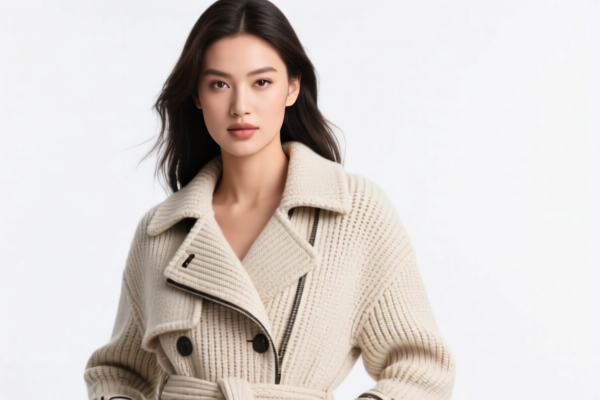
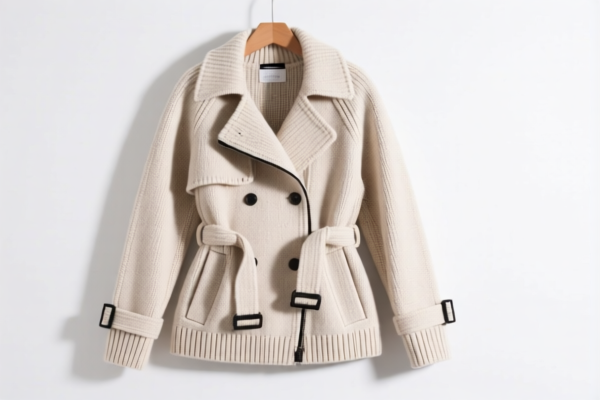
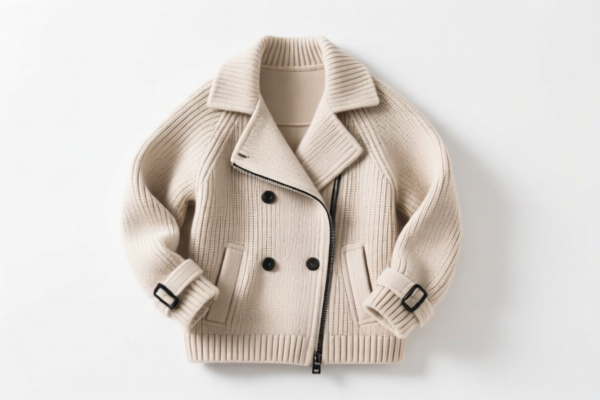
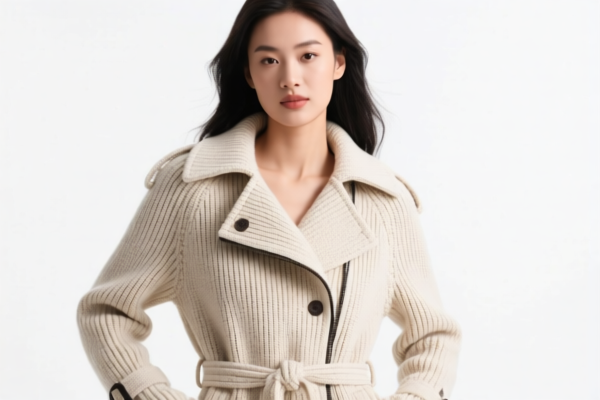
AI Analysis
🧥 Women's Knitted Windbreaker: HS Code Classification & Customs Clearance Guide (US Market)
🌐 HS Code Reference & Customs Strategy | 2026 Latest Tariff Analysis | Professional Clearance Guide
📌 I. Product Definition & Classification: Do You Really Understand "Knitted Windbreakers"?
A "Women's Knitted Windbreaker" sits in a complex intersection of textile regulations. In international trade, the classification depends heavily on the fabric structure (knitted vs. woven) and the specific function/material. Unlike woven windbreakers (usually Class 62), knitted versions fall under Chapter 61 (Articles of Apparel and Clothing Accessories, Knitted or Crocheted).
However, not all knitted outerwear is the same. The key distinction lies in: * General Outerwear (Class 6102/6110): Standard knitted jackets/coats. * Special Technical Textiles (Class 6113): Fabrics impregnated, coated, covered, or laminated with plastics/rubber (often used for windproof/waterproof properties).
⚠️ Critical Distinction:
- If the fabric is a standard knit (cotton, synthetic, etc.) without special coating → It is Outerwear (Class 6102 or 6110).
- If the fabric is a special technical textile (e.g., impregnated with plastic for wind/water resistance) → It is Class 6113.
📦 II. HS Code Classification Details (2026 Latest Tariff Authority Comparison)
Based on the provided data, here are the four specific HS Codes applicable to "Women's Knitted Windbreakers," ranked by typical suitability.
| HS Code | Product Description | Key Characteristics | Total Tax Rate* |
|---|---|---|---|
6113.00.10.10 |
Knitted Women's Trench Coat | Matches "Knitted" and "Women's" features; Likely a technical fabric variant. | 21.3% |
6102.20.00.10 |
Knitted Women's Trench Coat | Fully fits material (knitted), gender (women's), and form (outerwear). Most standard fit. | 25.9% |
6113.00.90.20 |
Knitted Women's Windbreaker | Purpose: Women's; Form: Knitted. Note: Often applies to specific technical textiles. | 17.1% |
6114.20.00.60 |
Women's Cotton Windbreaker | Material: 100% Cotton; Form: Clothing. | 28.3% |
6110.20.20.79 |
Women's Cotton Pullover | Material: 100% Cotton; Form: Pullover-style. | 34.0% |
🔍 Key Analysis:
- Best Rate (Lowest Tax):6113.00.90.20at 17.1%, provided the item qualifies as a "technical textile" under heading 6113.
- Most Common Standard:6102.20.00.10(25.9%) is the standard classification for knitted women's outerwear not meeting specific technical textile definitions.
- Cotton Specifics: If the product is 100% Cotton, it shifts to Class 6114 or 6110, resulting in higher taxes (28.3% - 34.0%).
- ⚠️ Warning: Misclassifying a standard knit as "Cotton" (if it's not 100% cotton) or a technical textile as standard outerwear can lead to severe penalties.* Tax rates include Base Tariff, Section 301 Additional Tariffs, and Section 122 Tariffs.
💰 III. 2026 Latest Tariff Rate Details (Detailed Breakdown)
✅ Applicable Country: United States (US)
✅ Origin: China (CN)
✅ Effective Date: Including subsequent imports (subject to current USITC/IEEPA regulations)
🎯 1. 6113.00.90.20 —— Best Rate Option (17.1%)
| Item | Detail |
|---|---|
| Base Tariff | 7.1% |
| Section 301 Additional Tariff | 0.0% |
| Section 122 Tariff | 10.0% |
| Total Tax | 17.1% |
| Tax Calculation | CIF Value × 17.1% |
| De Minimis Eligibility | ❌ No (Section 122 and general textile rules often exclude small packages from $800 exemption if duties apply) |
📌 Explanation:
- This code likely benefits from a lower base tariff or specific exemptions.
- The 10% Section 122 Tariff is a recent addition targeting specific textile categories, but the 0% Section 301 makes this highly attractive if the product qualifies under Heading 6113.
🎯 2. 6113.00.10.10 —— Standard Technical Textile (21.3%)
| Item | Detail |
|---|---|
| Base Tariff | 3.8% |
| Section 301 Additional Tariff | 7.5% |
| Section 122 Tariff | 10.0% |
| Total Tax | 21.3% |
| Tax Calculation | CIF Value × 21.3% |
📌 Explanation:
- Higher base tariff due to specific sub-classification within 6113.
- Subject to both Section 301 (7.5%) and Section 122 (10%).
🎯 3. 6102.20.00.10 —— Standard Knitted Outerwear (25.9%)
| Item | Detail |
|---|---|
| Base Tariff | 15.9% |
| Section 301 Additional Tariff | 0.0% |
| Section 122 Tariff | 10.0% |
| Total Tax | 25.9% |
| Tax Calculation | CIF Value × 25.9% |
📌 Explanation:
- Most common for general women's knit jackets.
- High base tariff (15.9%) but 0% Section 301 saves money compared to other options.
🎯 4. 6114.20.00.60 & 6110.20.20.79 —— Cotton Products (High Tax)
| HS Code | Total Tax | Breakdown |
|---|---|---|
6114.20.00.60 (Cotton Windbreaker) |
28.3% | Base: 10.8% + 301: 7.5% + 122: 10% |
6110.20.20.79 (Cotton Pullover) |
34.0% | Base: 16.5% + 301: 7.5% + 122: 10% |
📌 Explanation:
- 100% Cotton products attract higher base tariffs.
- The 34.0% rate for pullovers is particularly punitive. Ensure your product is not a "pullover" if you want to classify as a "jacket/windbreaker."
🛠️ IV. Customs Clearance Practical Advice (Real-World Pitfall Guide)
✅ 1. Preparation Checklist (Mandatory)
| Document | Required? | Description |
|---|---|---|
| ✅ Product Specifications | ✔️ | Must specify: Knitted/Woven, Material Composition (e.g., 95% Poly, 5% Spandex vs. 100% Cotton), Windproof Treatment (if any). |
| ✅ Technical Fabric Report | ✔️ | If claiming 6113, provide proof of coating/lining with plastics/rubber for wind resistance. |
| ✅ Product Photos | ✔️ | Clear images showing collar, cuffs, and any technical features. |
| ✅ Commercial Invoice | ✔️ | Description must match HS Code (e.g., "Knitted Women's Outerwear, Not Cotton"). |
| ✅ Packing List | ✔️ | Ensure no mixed shipments of knitted and woven items. |
✅ 2. Declaration Tips (Key Mnemonics)
🔥 "Knitted First, Cotton Last, Windproof Needs Proof!"
| Scenario | Correct Declaration | Wrong Practice |
|---|---|---|
| Standard Knit Jacket | 6102.20.00.10 (25.9%) |
Misclassifying as 6114 (Cotton) → 28.3% |
| Technical Windbreaker | 6113.00.90.20 (17.1%) |
Claiming 6113 without proof → Penalty |
| 100% Cotton Pullover | 6110.20.20.79 (34.0%) |
Calling it a "Windbreaker" to avoid classification → Risk |
| Mixed Material (e.g., 50% Cotton) | Check composition rules | Assuming "mostly cotton" = Cotton tariff |
✅ 3. Special Circumstances
| Situation | Advice |
|---|---|
| "Windproof" Claim | If the garment is merely "wind-resistant" due to tight knit, it is NOT 6113. It must have a coating/lamination to be 6113. |
| Pullover vs. Jacket | 6110 (Pullovers) has higher taxes than 6102 (Jackets). Ensure the item has a front opening (zipper/buttons) to qualify as outerwear. |
| Material Composition | Verify 100% Cotton strictly. Even 1% synthetic content changes the HS Code and tax rate significantly. |
🌍 V. Global Market Clearance Comparison (2026 Latest)
| Country/Region | Recommended HS Code | Est. Tariff (China Origin) | Certification | Note |
|---|---|---|---|---|
| 🇺🇸 USA | 6113.00.90.20 |
17.1% | No specific certs | Lowest rate if technical textile |
| 🇺🇸 USA | 6102.20.00.10 |
25.9% | No specific certs | Standard knit outerwear |
| 🇨🇳 China | 6102.20.00.10 |
~15-17% | CCC (if applicable) | Lower base rates |
| 🇪🇺 EU | 6102.20.00.10 |
0-12% | CE (if tech textiles) | No Section 301/122 |
| 🇬🇧 UK | 6102.20.00.10 |
0-12% | UKCA | Post-Brexit tariffs |
📌 Conclusion:
- USA is the most complex market due to Section 301 and Section 122 tariffs.
- Optimization Strategy: Aim for6113.00.90.20(17.1%) if the product allows. If not,6102.20.00.10(25.9%) is the safer standard.
- Avoid 100% Cotton classifications (6114/6110) unless necessary, due to higher base rates.
📌 VI. Common Mistakes & Pitfall Guide (Blood & Tears)
❌ Mistake 1: Calling a Pullover a "Windbreaker"
👉 Consequence: Customs may reclassify as 6110 (34.0%) instead of 6102 (25.9%). Pay 8.1% more!
❌ Mistake 2: Claiming 6113 for a standard knit
👉 Consequence: Customs demands proof of coating/lamination. If none exists, they revert to 6102 or 6114, plus penalties.
❌ Mistake 3: Mislabeling Cotton Content
👉 Consequence: A 95% Cotton blend is NOT 100% Cotton. Incorrect HS Code → 28.3% vs 17.1% gap = huge tax difference.
✅ Correct Approach:
"Women's Knitted Windbreaker, Front Zipper, 98% Polyester, 2% Spandex, No Coating." → Use
6102.20.00.10.
🎯 VII. Conclusion: Professional Declaration, Cost Saving!
🎯 Remember the Mnemonic:
🔹 "Knitted Outerwear: 6102 is Safe (25.9%). Technical Windbreaker: 6113 is Cheapest (17.1%). Cotton is Expensive (28-34%)."
🔹 "Section 122 Adds 10%, Section 301 Adds 0-7.5%."
📌 Pro Tip:
If your product is not 100% Cotton and not technically coated, stick to 6102.20.00.10.
If you are unsure about the "Windproof" technicality, apply for an Advance Ruling from US Customs and Border Protection (CBP) to avoid post-clearance audits.
📣 Immediate Action:
📞 Consult a licensed customs broker + Provide fabric composition sheet + Confirm front opening (zipper/button).
🚀 Ensure your Commercial Invoice accurately reflects "Knitted Outerwear" to secure the correct HS Code.
✨ Professional Clearance Starts with Accurate Classification!
💼 Every Percent of Tariff Matters!
Customer Reviews
About HS Code Classification
The Harmonized System (HS) is an internationally standardized nomenclature developed by the World Customs Organization (WCO) to classify traded products. Over 200 countries use the HS system as the basis for customs tariffs, trade statistics, and import/export regulations.
Each HS code follows a hierarchical structure:
- Chapter (2 digits) — Broad category of goods (e.g., Chapter 84: Machinery and Mechanical Appliances)
- Heading (4 digits) — More specific grouping within the chapter
- Subheading (6 digits) — Internationally standardized breakdown, used by all WCO member countries
- National subdivisions (8-10 digits) — Country-specific extensions for further classification, such as US HTSUS 10-digit codes
Correct HS code classification is essential for smooth customs clearance, accurate duty payment, and compliance with trade regulations. Misclassification can lead to customs delays, overpayment of duties, or penalties.
When importing from CN to US, the applicable tariff rates may include:
- Most-Favored-Nation (MFN) rate — The standard duty rate applied to WTO members
- General rate — Applied to countries without trade agreements
- Trade remedy duties — Additional tariffs such as Section 301 (anti-dumping), Section 232 (national security), or countervailing duties
The information provided on this page is for reference purposes only. For official classification, please consult with your local customs authority or a licensed customs broker.