Women's or Girls' Pajamas and Robes
CN → US| HS Code | Tariff Rate | Origin | Destination | Doc |
|---|---|---|---|---|
| 6114200060 | 28.3% | CN | US | Official Doc |
| 6108910030 | 26.0% | CN | US | Official Doc |
| 6114303070 | 32.4% | CN | US | Official Doc |
| 6208911010 | 25.0% | CN | US | Official Doc |
| 6208920010 | 33.5% | CN | US | Official Doc |
Product Images
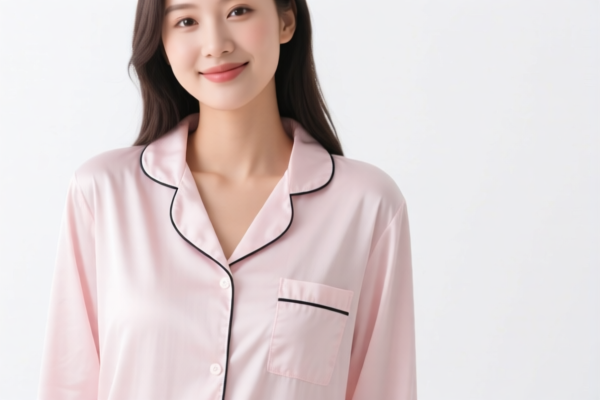
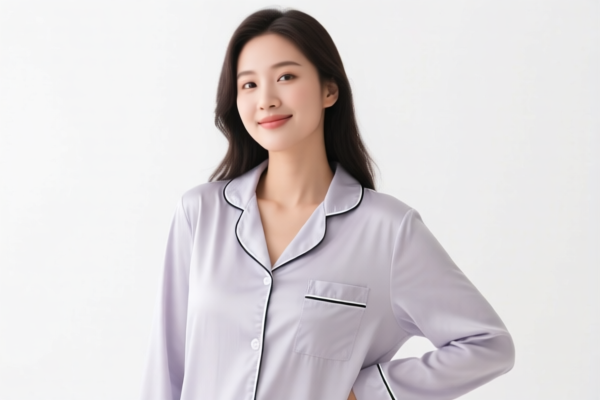
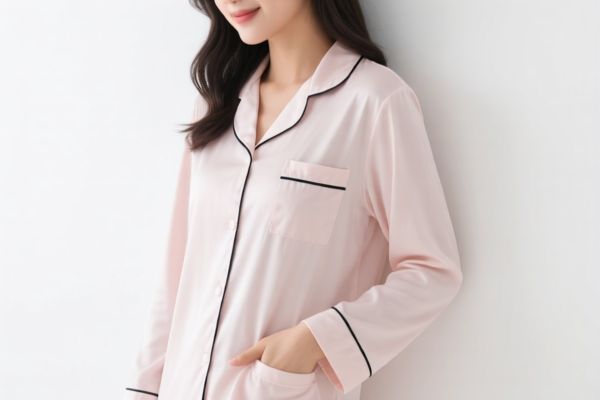

AI Analysis
👘 Women’s & Girls’ Sleepwear: Pajamas, Robes & Nightdresses
🌐 HS Code Reference & Customs Clearance Guide | 2026 Latest Tariff Analysis | Professional Entry Strategy
📌 I. Product Definition & Classification: Do You Really Understand "Sleepwear"?
Sleepwear, encompassing nightdresses, pajamas, robes, and dressing gowns for women and girls, is a specialized category in international trade. Unlike everyday apparel, these items are designed specifically for indoor leisure and sleep.
Key Material Distinctions: 1. Knitted/Crocheted (Ch. 61): Typically softer, stretchable fabrics like cotton jersey, synthetic blends, or thermal knits. Common for pajamas and lightweight robes. 2. Woven (Ch. 62): Often structured fabrics like cotton poplin, flannel, polyester satin, or synthetic weaves. Common for formal robes and woven nightgowns.
⚠️ Critical Distinction Point:
- Knitted/Crocheted garments →归入 Chapter 61 (e.g., 6108, 6114)
- Woven garments →归入 Chapter 62 (e.g., 6208)
- Material Matters: Cotton vs. Man-made fibers drastically affect the specific HS Code subheading and tariff rate.
📦 II. HS Code Classification Details (2026 Latest Tariff Authority Comparison)
The following HS Codes are derived from the specific descriptions of "Women's/Girls' Robes, Nightdresses, and Pajamas," focusing on material inference as per the provided data.
| HS Code | Product Description | Material Inference | Usage Context |
|---|---|---|---|
6114.20.00.60 |
Women's or Girls' Robes & Dressing Gowns | Cotton (Implied) | Knitted/crocheted robes; soft outerwear for home use |
6108.91.00.30 |
Women's Nightdresses, Pajamas, Robes | Cotton (Implied) | Knitted/crocheted nightwear; covers various sleepwear types |
6114.30.30.70 |
Women's or Girls' Robes/Nightdresses | Man-made Fibers (Implied) | Knitted/crocheted synthetic sleepwear (polyester, acrylic, etc.) |
6208.91.10.10 |
Robes & Dressing Gowns for Women | Cotton or Synthetics (Implied) | Woven sleepwear; structured robes or pajamas |
6208.92.00.10 |
Nightdresses, Pajamas, Robes for Women/Girls | Other Textile Materials (Implied) | Woven sleepwear; potentially blended or other fiber types |
🔍 Key Reminder:
- Chapter 61 (Knitted/Crocheted): Look for codes starting with6108(Nightdresses/Panties) and6114(Other garments).
- Chapter 62 (Woven): Look for codes starting with6208(Nightdresses, Pajamas, Robes).
- Material Is Key: The distinction betweenCotton(e.g.,6108.91,6208.91) andMan-made Fibers(e.g.,6114.30) is the primary driver for code selection.
💰 III. 2026 Latest Tariff Rate Breakdown (Including Surtaxes & Policy Surcharges)
✅ Applicable Country: United States (US)
✅ Origin: China (CN)
✅ Effective Date: Ongoing (Based on current 2025/2026 trade policies)
🎯 1. 6114.20.00.60 —— Women's/Girls' Robes (Knitted, Cotton)
| Item | Content |
|---|---|
| Base Tariff | 10.8% |
| Section 301 Surtax | +7.5% |
| Section 122 Tariff | +10% |
| Total Tax Rate | 28.3% |
| Tax Calculation | CIF Value × 28.3% |
| De Minimis Exemption | ❌ Not Applicable (High tax rate prevents de minimis benefit for most commercial shipments) |
| Legal Basis Path | HTSUS:6114.20.00.60 → Section 301 List 4 → Section 122 Provisions |
📌 Explanation:
- Base Tariff (10.8%): Standard Most Favored Nation (MFN) rate for knitted cotton robes.
- Section 301 Surtax (+7.5%): Additional tariff imposed on Chinese goods under Trade Act Section 301.
- Section 122 Tariff (+10%): Specific additional tariff applied to textile/apparel imports from China.
- Total 28.3%: This is a significant burden. Profit margins must account for this high landed cost.
🎯 2. 6108.91.00.30 —— Women's Nightwear/Pajamas (Knitted, Cotton)
| Item | Content |
|---|---|
| Base Tariff | 8.5% |
| Section 301 Surtax | +7.5% |
| Section 122 Tariff | +10% |
| Total Tax Rate | 26.0% |
| Tax Calculation | CIF Value × 26.0% |
| De Minimis Exemption | ❌ Not Applicable |
| Legal Basis Path | HTSUS:6108.91.00.30 → Section 301 List 4 → Section 122 Provisions |
📌 Note:
- Slightly lower base tariff (8.5%) than robes (10.8%), but surtaxes remain identical.
- Applies to knitted cotton nightdresses and pajamas.
- Total 26.0% remains a high-cost entry point for the US market.
🎯 3. 6114.30.30.70 —— Women's/Girls' Robes (Knitted, Man-made Fibers)
| Item | Content |
|---|---|
| Base Tariff | 14.9% |
| Section 301 Surtax | +7.5% |
| Section 122 Tariff | +10% |
| Total Tax Rate | 32.4% |
| Tax Calculation | CIF Value × 32.4% |
| De Minimis Exemption | ❌ Not Applicable |
| Legal Basis Path | HTSUS:6114.30.30.70 → Section 301 List 4 → Section 122 Provisions |
📌 Attention:
- Highest base tariff (14.9%) among knitted items due to synthetic fiber classification.
- Total 32.4% is the most expensive option for knitted sleepwear.
- Synthetic fabrics (polyester, nylon) face higher protectionist tariffs in the US.
🎯 4. 6208.91.10.10 —— Women's Robes/Nightwear (Woven, Cotton/Synthetic)
| Item | Content |
|---|---|
| Base Tariff | 7.5% |
| Section 301 Surtax | +7.5% |
| Section 122 Tariff | +10% |
| Total Tax Rate | 25.0% |
| Tax Calculation | CIF Value × 25.0% |
| De Minimis Exemption | ❌ Not Applicable |
| Legal Basis Path | HTSUS:6208.91.10.10 → Section 301 List 4 → Section 122 Provisions |
📌 Key Point:
- Woven cotton/synthetic sleepwear has a lower base tariff (7.5%) than knitted counterparts.
- Total 25.0% is the most cost-effective among the listed options for US entry.
- Ideal for structured robes or pajama sets made from woven fabrics.
🎯 5. 6208.92.00.10 —— Women's/Girls' Sleepwear (Woven, Other Fibers)
| Item | Content |
|---|---|
| Base Tariff | 16.0% |
| Section 301 Surtax | +7.5% |
| Section 122 Tariff | +10% |
| Total Tax Rate | 33.5% |
| Tax Calculation | CIF Value × 33.5% |
| De Minimis Exemption | ❌ Not Applicable |
| Legal Basis Path | HTSUS:6208.92.00.10 → Section 301 List 4 → Section 122 Provisions |
📌 Warning:
- Highest total tax rate (33.5%) across all categories.
- Applies to woven sleepwear made from "other" textile materials (possibly blends, viscose, or non-standard fibers).
- Avoid this code unless absolutely necessary; it significantly erodes profitability.
🛠️ IV. Customs Clearance Practical Advice (Combat Pitfalls Guide)
✅ 1. Preparation Checklist (缺一不可 / Non-Negotiable)
| Document | Required | Description |
|---|---|---|
| ✅ Product Specification Sheet | ✔️ | Must clearly state: "Women's/Knitted/Cotton Robe" or similar. Avoid vague terms like "Clothes." |
| ✅ Material Composition Label | ✔️ | Must list exact % of Cotton, Polyester, etc. Customs will verify this against HS Code. |
| ✅ Product Photos (Front/Back/Label) | ✔️ | Show the garment style (robes, pajamas, nightdresses) to confirm "Sleepwear" classification. |
| ✅ Commercial Invoice | ✔️ | Describe goods as "Women's Cotton Knitted Robe" NOT "Fashion Top." Precision matters. |
| ✅ Packing List | ✔️ | Detail weight and dimensions. Ensure HS Code is listed on the invoice. |
| ✅ Certificate of Origin (CO) | ✔️ | Proves Chinese origin, triggering Section 301 & 122 tariffs. |
✅ 2. Declaration Tips (Key Mantras)
🔥 “Fabric Dictates Chapter, Use Dictates Heading, Name Must Be Precise, Tax Follows Truth!”
| Scenario | Correct Declaration | Wrong Action |
|---|---|---|
| Knitted Cotton Robe | 6114.20.00.60 (28.3%) |
Misdeclare as Woven → 6208.91 (25%) → False Declaration Penalty! |
| Woven Cotton Pajamas | 6208.91.10.10 (25.0%) |
Misdeclare as Knitted → 6108.91 (26.0%) → Overpayment + Audit Risk |
| Synthetic Knitted Robe | 6114.30.30.70 (32.4%) |
Fail to declare material → Customs assigns worst-case rate |
| Mixed Material | Determine dominant fiber | Guessing material → Delay in clearance |
💡 Pro Tip:
- If the garment is both knitted and woven parts, the classification depends on the essential character (usually the main body).
- Robes are often classified under6114(Knitted) or6208(Woven) depending on construction.
- Pajamas/Nightdresses are explicitly under6108(Knitted) or6208(Woven).
✅ 3. Special Case Handling
| Scenario | Handling Advice |
|---|---|
| OEM Custom Sleepwear | Provide design sketches showing "robes/pajamas" style. Avoid "costume" or "lingerie" terms unless accurate. |
| Bamboo/Viscose Fabric | If classified as "Man-made" or "Other," check if it falls under 6114.30 or 6208.92. Expect higher tariffs. |
| Gift Sets (Robe + Slippers) | Declare separately if possible. Slippers may have different duties. Bundling may shift classification. |
| Sample Shipments | Even samples for trade shows are subject to full tariffs if HS Code is 6114/6208 series. |
🌍 V. Global Market Clearance Comparison (2026 Latest)
| Country/Region | Recommended HS Code | Tariff Rate | Certification Required | Notes |
|---|---|---|---|---|
| 🇺🇸 United States | 6208.91.10.10 |
25.0% (Best for Woven) | CPSIA (if for kids), Prop 65 | High tariffs due to 301 & 122. |
| 🇨🇳 China | 6208.91.10.10 |
~7.5% | CCC (if applicable) | Low entry barrier for domestic sales. |
| 🇪🇺 European Union | 6208.91.10.10 |
~12% | CE (if marked), REACH | No Section 301/122 equivalent. |
| 🇬🇧 United Kingdom | 6208.91.10.10 |
~12% | UKCA | Post-Brexit alignment with EU. |
| 🇨🇦 Canada | 6208.91.10.10 |
~12% | Consumer Safety Laws | FTA benefits if originating in Canada/Mexico. |
📌 Conclusion:
- US is the most expensive market for Chinese sleepwear due to multiple surtaxes.
- Woven Cotton (6208.91.10.10) offers the lowest total tariff (25.0%) among the options.
- Knitted Synthetics (6114.30.30.70) and Woven Other (6208.92.00.10) are the most expensive.
- Strategy: Prioritize Woven Cotton products for US entry to minimize tariff impact.
📌 VI. Common Errors & Pitfalls (Lessons from Tears)
❌ Error 1: Declaring "Knitted" items as "Woven" to get lower base tariff (7.5% vs 10.8%)
👉 Consequence: Customs lab test reveals fiber structure → Confiscation, fines, and blacklist risk.
❌ Error 2: Ignoring "Section 122 Tariff"
👉 Consequence: Underpayment of 10% → Audit and penalty for under-declaration.
❌ Error 3: Vague Description: "Clothes" or "Garments"
👉 Consequence: Customs assigns highest duty code or delays shipment for classification review.
❌ Error 4: Using "Lingerie" or "Costume" for Robes
👉 Consequence: Incorrect HS Code (e.g., 6108 vs 6114) → Different duty rates and regulatory requirements.
✅ Correct Approach:
"Women's Cotton Knitted Bathrobe, Open Front, with Belt, HS Code 6114.20.00.60"
or
"Women's Woven Cotton Nightgown, Long Sleeve, HS Code 6208.91.10.10"
🎯 VII. Conclusion: Professional Declaration, Save Cost, Ensure Compliance!
🎯 Remember the Mantra:
🔹 "Fabric First, Chapter Next: Knit=61, Woven=62."
🔹 "Cotton Woven is King for US: 25% is the sweet spot."
🔹 "Avoid Synthetics and Blends: 33.5% will kill your margin!"
📌 Small Tip:
If your sleepwear is originating from Vietnam, India, or Bangladesh, you may avoid Section 301 and 122 tariffs, reducing the total rate to just the Base Tariff (e.g., 7.5% - 16.0%).
Recommendation: Consider Supply Chain Diversification to non-China origins for the US market to achieve significant tax savings.
📣 Immediate Action:
📞 Consult a Licensed Customs Broker + Provide Material Labels + Request HS Code Advance Ruling
🚀 Let your sleepwear Clear Customs Smoothly, Enter the US Market Efficiently, and Boost Profits!
✨ Professional Customs Clearance Starts with Accurate Classification!
💼 Every Cent of Your Cost Deserves Precise Calculation!
Customer Reviews
About HS Code Classification
The Harmonized System (HS) is an internationally standardized nomenclature developed by the World Customs Organization (WCO) to classify traded products. Over 200 countries use the HS system as the basis for customs tariffs, trade statistics, and import/export regulations.
Each HS code follows a hierarchical structure:
- Chapter (2 digits) — Broad category of goods (e.g., Chapter 84: Machinery and Mechanical Appliances)
- Heading (4 digits) — More specific grouping within the chapter
- Subheading (6 digits) — Internationally standardized breakdown, used by all WCO member countries
- National subdivisions (8-10 digits) — Country-specific extensions for further classification, such as US HTSUS 10-digit codes
Correct HS code classification is essential for smooth customs clearance, accurate duty payment, and compliance with trade regulations. Misclassification can lead to customs delays, overpayment of duties, or penalties.
When importing from CN to US, the applicable tariff rates may include:
- Most-Favored-Nation (MFN) rate — The standard duty rate applied to WTO members
- General rate — Applied to countries without trade agreements
- Trade remedy duties — Additional tariffs such as Section 301 (anti-dumping), Section 232 (national security), or countervailing duties
The information provided on this page is for reference purposes only. For official classification, please consult with your local customs authority or a licensed customs broker.