Women's or Girls' Robes and Morning Coats
CN → US| HS Code | Tariff Rate | Origin | Destination | Doc |
|---|---|---|---|---|
| 6114303070 | 32.4% | CN | US | Official Doc |
| 6208911010 | 25.0% | CN | US | Official Doc |
| 6208920010 | 33.5% | CN | US | Official Doc |
| 6108920030 | 33.5% | CN | US | Official Doc |
| 6114200060 | 28.3% | CN | US | Official Doc |
Product Images
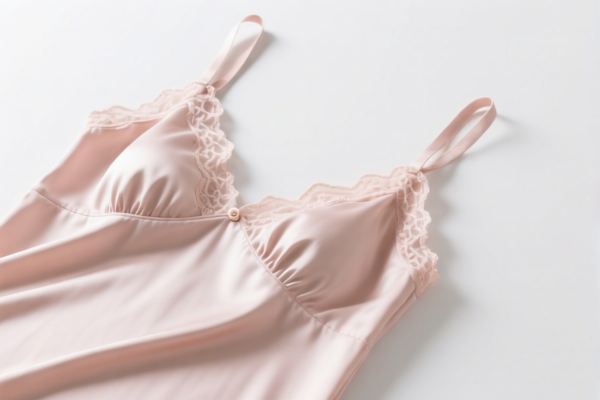
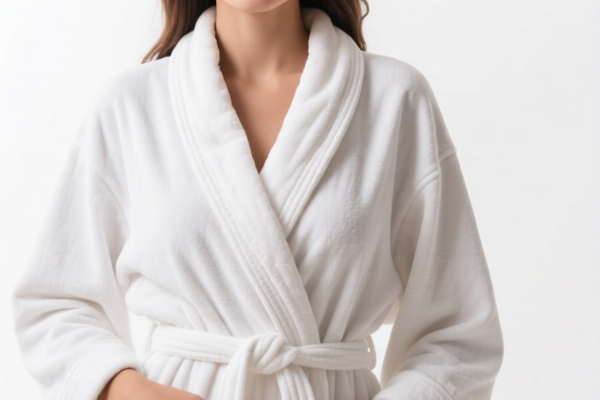
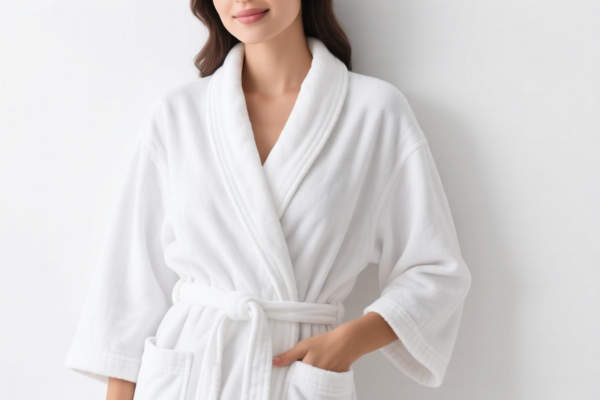
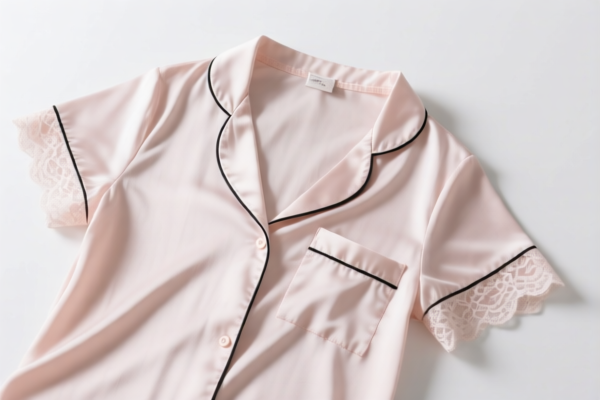
AI Analysis
👘 Women's & Girls' Robes & Morning Coats: HS Code Deep Dive & Customs Clearance Strategy
🌐 HS Code Reference & Customs Clearance Guide | 2026 Latest Tariff Analysis | Professional Level
📌 I. Product Definition & Classification: Do You Truly Understand "Robes"?
Robes and morning coats for women or girls are versatile sleepwear and loungewear items. In international trade, they are classified based on two critical factors: Knitting vs. Woven (Non-knitted) and Material Composition (Synthetic, Cotton, or Other Textile Materials).
Key Distinction Criteria: * Knitted or Crocheted (HS Chapter 61): Made from loops of yarn interlocked together. Typically softer, stretchier fabrics like jersey, fleece, or knit cotton. * Non-Knitted/Woven (HS Chapter 62): Made from woven fabric where threads are crossed at right angles. Typically crisp or structured fabrics like cotton sateen, flannel (woven), or synthetic blends. * Material Matters: The base material (Man-made fibers vs. Cotton vs. Other textile materials) significantly impacts the Base Duty Rate, which is the foundation for calculating total taxes.
⚠️ Critical Alert for Importers:
- COTTON vs. MAN-MADE FIBERS: Misclassifying a synthetic robe as cotton (or vice versa) can lead to incorrect HS codes, resulting in penalties, delays, and unexpected tax liabilities. - "MAN-MADE FIBERS" Includes: Polyester, Nylon, Acrylic, Viscose (Rayon), etc. - "OTHER TEXTILE MATERIALS": Includes wool, silk, or blends not primarily cotton or man-made.
📦 II. HS Code Classification Matrix (2026 Latest Tariff Data from <DATA>)
The following table strictly adheres to the provided <DATA> content. All codes correspond to Women's or Girls' Robes and Morning Coats.
| HS Code | Product Description | Manufacturing Type | Material Composition | Base Duty | Add-on Duty (7.5%) | 122-Clause Duty (10%) | Total Tax Rate |
|---|---|---|---|---|---|---|---|
| 6114.30.30.70 | Robes/Morning Coats, Knitted/Crocheted | Knitted/Crocheted | Man-Made Fibers | 14.9% | 7.5% | 10% | 32.4% |
| 6208.91.10.10 | Robes/Morning Coats, Non-Knitted | Woven (Non-Knit) | Cotton or Synthetic | 7.5% | 7.5% | 10% | 25.0% |
| 6208.92.00.10 | Robes/Morning Coats, Non-Knitted | Woven (Non-Knit) | Other Textile Materials | 16.0% | 7.5% | 10% | 33.5% |
| 6108.92.00.30 | Robes/Morning Coats, Knitted/Crocheted | Knitted/Crocheted | Man-Made Fibers or Cotton | 16.0% | 7.5% | 10% | 33.5% |
| 6114.20.00.60 | Robes/Morning Coats, Knitted/Crocheted | Knitted/Crocheted | Cotton or Non-Conflict | 10.8% | 7.5% | 10% | 28.3% |
🔍 Important Note on Data Source:
The tax rates and HS codes above are derived strictly from the provided<DATA>JSON input. They reflect specific tariff structures including Base Duty, Add-on Duty (7.5%), and Section 122 Clause Duty (10%).
💰 III. Detailed Tariff Breakdown by HS Code
🎯 1. 6114.30.30.70 – Knitted/Crocheted, Man-Made Fibers
- Product: E.g., Polyester knit robe, Acrylic bathrobe.
- Tax Breakdown:
- Base Duty: 14.9%
- Add-on Duty: 7.5%
- 122-Clause Duty: 10%
- Total: 32.4%
- Analysis: Higher base duty due to the synthetic fiber composition in knitted form.
🎯 2. 6208.91.10.10 – Non-Knitted, Cotton or Synthetic
- Product: E.g., Woven cotton flannel robe, Woven polyester morning coat.
- Tax Breakdown:
- Base Duty: 7.5%
- Add-on Duty: 7.5%
- 122-Clause Duty: 10%
- Total: 25.0%
- Analysis: Lowest Total Tax Rate in the dataset. Cotton and certain synthetics in woven form benefit from a lower base duty (7.5%).
🎯 3. 6208.92.00.10 – Non-Knitted, Other Textile Materials
- Product: E.g., Woven wool robe, Silk woven robe, or blends not classified as cotton/man-made.
- Tax Breakdown:
- Base Duty: 16.0%
- Add-on Duty: 7.5%
- 122-Clause Duty: 10%
- Total: 33.5%
- Analysis: Highest base duty (16.0%) among non-knitted items, leading to the highest total rate if using "other" materials.
🎯 4. 6108.92.00.30 – Knitted/Crocheted, Man-Made Fibers or Cotton
- Product: E.g., Cotton jersey bathrobe, Viscose knit robe.
- Tax Breakdown:
- Base Duty: 16.0%
- Add-on Duty: 7.5%
- 122-Clause Duty: 10%
- Total: 33.5%
- Analysis: Surprisingly high base duty (16.0%) for knitted items compared to
6114.20.00.60(10.8%). This suggests specific sub-classification nuances in the provided data.
🎯 5. 6114.20.00.60 – Knitted/Crocheted, Cotton or Non-Conflict Material
- Product: E.g., Premium cotton knit robe, Organic cotton sleepwear.
- Tax Breakdown:
- Base Duty: 10.8%
- Add-on Duty: 7.5%
- 122-Clause Duty: 10%
- Total: 28.3%
- Analysis: A moderate tax rate. Cotton in knitted form (
6114.20.00.60) has a lower base duty than cotton in knitted form under6108.92.00.30according to this specific dataset.
🛠️ IV. Customs Clearance Practical Advice
✅ 1. Critical Documentation Checklist
| Document | Required? | Why It Matters |
|---|---|---|
| Product Description | ✅ Yes | Must specify: "Robes," "Morning Coats," "Knitted/Woven," "Material" (Cotton/Polyester/etc.) |
| Fabric Content Label | ✅ Yes | Crucial for distinguishing between HS codes (e.g., 6114 vs 6108 vs 6208). |
| Care Label | ✅ Yes | Often indicates material type (e.g., "100% Cotton") which supports HS classification. |
| Commercial Invoice | ✅ Yes | Must match the HS Code declared. |
| Packing List | ✅ Yes | Details quantity, weight, and packaging. |
| Material Test Report | ⚠️ Recommended | If the material is ambiguous (e.g., "blended fabric"), a lab test can confirm if it's >50% cotton or man-made. |
✅ 2. Common Classification Mistakes & Pitfalls
❌ Mistake 1: Confusing Knitted vs. Woven
* Error: Calling a woven cotton robe "knitted" to try to find a cheaper rate (though in this data, knitted cotton (6108.92.00.30 at 33.5% or 6114.20.00.60 at 28.3%) is not always cheaper than woven (6208.91.10.10 at 25.0%)).
* Consequence: Misclassification. Customs will reclassify based on fabric construction, leading to additional taxes, fines, and shipment delays.
❌ Mistake 2: Ignoring "122-Clause Duty" * Error: Assuming only "Base Duty" applies. * Consequence: The 10% 122-Clause Duty is added to all items in the dataset. Failure to account for this leads to a massive underpayment (10% of CIF value plus penalties).
❌ Mistake 3: Vague Material Description * Error: Using "Textile Robe" without specifying "Cotton" or "Polyester." * Consequence: Customs may assign the highest duty rate (33.5%) by default or flag the shipment for manual inspection.
✅ 3. Strategic Recommendations for Importers
-
Optimize for
6208.91.10.10(25.0%):- If your product allows, consider woven (non-knitted) fabrics made of cotton or synthetic fibers. This HS code has the lowest total tax rate (25.0%) in the provided data.
- Action: Design or source robes using woven cotton flannel or synthetic blends instead of knitted jersey.
-
Clarify "Cotton" vs. "Man-Made" in Knitted Items:
- Knitted cotton (
6114.20.00.60) is 28.3%, while Knitted cotton/man-made (6108.92.00.30) is 33.5%. - Action: Ensure your supply chain clearly distinguishes between these two knitted categories. Using
6114.20.00.60(if applicable to your specific cotton product) saves 5.2% in taxes compared to6108.92.00.30.
- Knitted cotton (
-
Always Include the 122-Clause Duty in Cost Calculations:
- Do not just calculate
Base Duty. The total cost must include Base + 7.5% Add-on + 10% 122-Clause. - Example: For a $100 robe under
6208.91.10.10, the tax is $25.00, not $7.50.
- Do not just calculate
-
Pre-Import HS Code Verification:
- Given the complexity of textile classifications, request a binding ruling from customs if you are unsure about the knitted/woven status or material blend. This protects you from future audits.
🌍 V. Global Context & 2026 Outlook
- Data Scope: The provided data reflects a specific tariff structure with fixed add-on duties (7.5%) and 122-Clause duties (10%). This suggests a targeted trade policy environment (possibly US-China or similar high-tariff regime).
- Volatility: Textile tariffs are subject to change. The "122-Clause" and "Add-on" components are policy-driven and may be adjusted, removed, or increased in future years.
- Compliance Risk: High. Misclassification of textiles is a common target for customs audits due to the subjective nature of "knitted vs. woven" and material blends.
📌 VI. Final Checklist for Smooth Clearance
- [ ] Identify Construction: Is the robe Knitted/Crocheted (61xx) or Woven (62xx)?
- [ ] Identify Material: Is it Cotton, Man-Made Fibers, or Other?
- [ ] Select HS Code: Match the combination from the table above.
- [ ] Calculate Total Tax: Sum Base + 7.5% + 10%.
- [ ] Document Everything: Provide clear fabric content and construction details on the invoice and packing list.
- [ ] Verify 122-Clause: Ensure the 10% duty is included in your landed cost calculation.
🎯 Pro Tip:
"Woven Cotton/Synthetic = 25% (Cheapest)"
"Knitted Man-Made = 32.4%"
"Knitted/Other Woven = 33.5% (Most Expensive)"
Choose your fabric and construction wisely to minimize duty costs!
✨ Professional clearance starts with precise classification!
💼 Every percentage point counts. Ensure your HS Code is accurate, documented, and compliant.
Customer Reviews
About HS Code Classification
The Harmonized System (HS) is an internationally standardized nomenclature developed by the World Customs Organization (WCO) to classify traded products. Over 200 countries use the HS system as the basis for customs tariffs, trade statistics, and import/export regulations.
Each HS code follows a hierarchical structure:
- Chapter (2 digits) — Broad category of goods (e.g., Chapter 84: Machinery and Mechanical Appliances)
- Heading (4 digits) — More specific grouping within the chapter
- Subheading (6 digits) — Internationally standardized breakdown, used by all WCO member countries
- National subdivisions (8-10 digits) — Country-specific extensions for further classification, such as US HTSUS 10-digit codes
Correct HS code classification is essential for smooth customs clearance, accurate duty payment, and compliance with trade regulations. Misclassification can lead to customs delays, overpayment of duties, or penalties.
When importing from CN to US, the applicable tariff rates may include:
- Most-Favored-Nation (MFN) rate — The standard duty rate applied to WTO members
- General rate — Applied to countries without trade agreements
- Trade remedy duties — Additional tariffs such as Section 301 (anti-dumping), Section 232 (national security), or countervailing duties
The information provided on this page is for reference purposes only. For official classification, please consult with your local customs authority or a licensed customs broker.