Women's or girls' coats, jackets and similar articles, of synthetic fibers
CN → US| HS Code | Tariff Rate | Origin | Destination | Doc |
|---|---|---|---|---|
| 6102302020 | 45.7% | CN | US | Official Doc |
| 6202402020 | 45.2% | CN | US | Official Doc |
| 6104291010 | 0.0% | CN | US | Official Doc |
| 6204335010 | 44.8% | CN | US | Official Doc |
| 6204292010 | 0.0% | CN | US | Official Doc |
| 6202402030 | 45.2% | CN | US | Official Doc |
Product Images
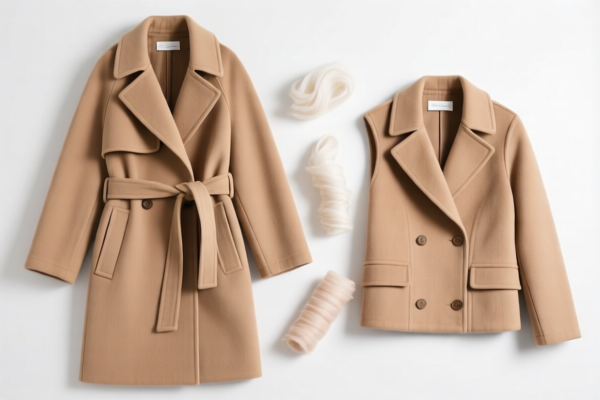
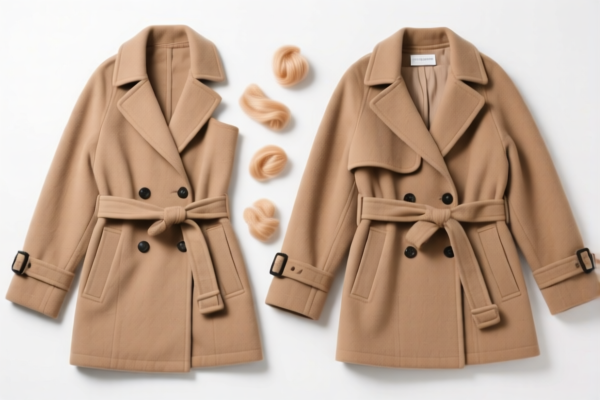
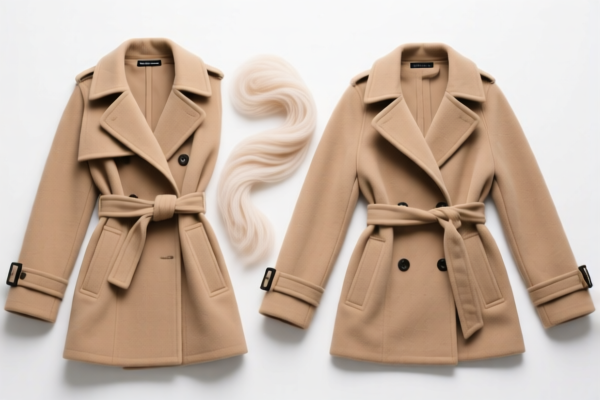

AI Analysis
👗 Women's & Girls' Synthetic Fiber Outerwear (Coats, Jackets & Similar Articles)
🌐 HS Code Reference & Customs Clearance Guide | 2026 Latest Tariff Analysis | Strategic Compliance Strategy
📌 I. Product Definition & Classification: Understanding the Scope
Synthetic fiber outerwear for women and girls falls under Chapter 61 (Knitted or Crocheted) and Chapter 62 (Non-Knitted/Weaved). The classification depends heavily on the fabric structure (knit vs. woven) and the specific garment type (coat vs. jacket vs. ensemble).
Key Distinction Points: * Knitted/Crocheted (Chapter 61): Includes soft-shell jackets, knit coats, and casual outerwear. * Non-Knitted/Weaved (Chapter 62): Includes formal coats, tailored jackets, suits, and woven outerwear. * Material: Must be Synthetic Fibers (e.g., Polyester, Nylon, Acrylic). Natural fibers (Cotton, Wool) are excluded. * Gender: Specific subheadings exist for "Women's or Girls'" items.
⚠️ Critical Note:
- If the item is an ensemble (e.g., jacket + trousers sold together), specific rules apply (see6104.29.10.10and6204.29.20.10).
- Distinguish between "Coat" and "Jacket": "Coat" typically implies a longer garment; "Jacket" is shorter. However, HS codes often group them based on construction.
📦 II. HS Code Classification Matrix (2026 Latest Tariff)
| HS Code | Product Description & Scope | Key Characteristics | Total Tax Rate (China Origin to US) |
|---|---|---|---|
6102.30.20.20 |
Women's/Girls' Coats/Jackets, Knitted, Synthetic Fiber | Knitted fabric, specific gender/material match. | 45.7% |
6202.40.20.20 |
Women's/Girls' Coats/Jackets, Non-Knitted, Synthetic Fiber | Woven fabric, identical material/form/gender criteria. | 45.2% |
6104.29.10.10 |
Women's/Girls' Coats/Jackets, Knitted Ensemble | Rate applies per garment if entered separately. | Base Rate + 17.5% |
6204.33.50.10 |
Women's/Girls' Coats/Jackets, Non-Knitted Ensemble | Synthetic fiber, suit-style jacket form. | 44.8% |
6204.29.20.10 |
Women's/Girls' Coats/Jackets, Non-Knitted Ensemble | Rate applies per garment if entered separately. | Base Rate + 17.5% |
6202.40.20.30 |
Women's/Girls' Coats/Jackets, Non-Knitted, Specific Subclass | Covers specific girls' subcategories. | 45.2% |
🔍 Detailing the "Ensemble" Codes (
6104.29.10.10&6204.29.20.10):
These codes apply when the item is part of a set (e.g., matching top and bottom). The tax rate is calculated per garment if declared separately, or as part of the ensemble value. The base rate varies, but the additional tariffs are fixed.
💰 III. 2026 Tariff Rate Breakdown (Detailed Tax Clauses)
✅ Applicable Country: United States (US)
✅ Origin: China (CN)
✅ Effective Date: Post-2025 Tariff Regime
🎯 1. 6102.30.20.20 – Knitted Synthetic Outerwear
| Item | Details |
|---|---|
| Base Duty | 28.2% |
| Section 301 Additional Tariff | +7.5% |
| Section 122 Tariff | +10% |
| Total Effective Rate | 45.7% |
| Calculation Base | CIF (Cost, Insurance, Freight) Value |
| De Minimis Exemption | ❌ Not Applicable (High tariff rates usually negate de minimis benefits for commercial shipments) |
📌 Explanation:
- The 28.2% is the standard Most Favored Nation (MFN) rate.
- 7.5% is the Section 301 tariff (Trade Act of 1974) targeting Chinese imports.
- 10% is the Section 122 tariff (rarely applied, but listed here as per provided data).
- Total: 45.7% is a significant cost factor.
🎯 2. 6202.40.20.20 – Non-Knitted Synthetic Outerwear
| Item | Details |
|---|---|
| Base Duty | 27.7% |
| Section 301 Additional Tariff | +7.5% |
| Section 122 Tariff | +10% |
| Total Effective Rate | 45.2% |
| Calculation Base | CIF Value |
| De Minimis Exemption | ❌ Not Applicable |
📌 Note:
- Slightly lower base rate (27.7%) compared to knitted (28.2%), resulting in a 45.2% total.
- Same additional tariffs apply.
🎯 3. Ensemble Codes (6104.29.10.10 & 6204.29.20.10)
| Item | Details |
|---|---|
| Base Duty | Variable (Rate applicable to each garment in the ensemble if entered separately) |
| Section 301 Additional Tariff | +7.5% |
| Section 122 Tariff | +10% |
| Total Effective Rate | Base + 17.5% |
📌 Critical Clarification:
- The 17.5% is the sum of the two additional tariffs (7.5% + 10%).
- The base duty depends on the specific garment type within the ensemble.
- If the ensemble is declared as a single unit, the value is apportioned, and taxes are calculated accordingly.
🎯 4. Other Non-Knitted Codes (6204.33.50.10 & 6202.40.20.30)
| HS Code | Total Tax Rate | Breakdown |
|---|---|---|
6204.33.50.10 |
44.8% | Base: 27.3% + 301: 7.5% + 122: 10% |
6202.40.20.30 |
45.2% | Base: 27.7% + 301: 7.5% + 122: 10% |
📌 Note:
-6204.33.50.10has the lowest total rate (44.8%) due to a lower base duty (27.3%).
- This code specifies "suit-style jackets," which may have different tariff treatments.
🛠️ IV. Customs Clearance Practical Advice
✅ 1. Required Documentation Checklist
| Document | Mandatory? | Purpose |
|---|---|---|
| Commercial Invoice | ✅ Yes | Must clearly state "Women's/Girls' Coat/Jacket, Synthetic Fiber." |
| Packing List | ✅ Yes | Detail item count, weight, and dimensions. |
| Product Description | ✅ Yes | Specify fabric composition (e.g., "100% Polyester"), knit/weave type, and gender. |
| Labeling Info | ✅ Yes | Fiber content, country of origin, care instructions. |
| Ensemble Declaration | ✅ If Applicable | If items are sold as a set, declare as such and provide value breakdown per garment. |
| Certificate of Origin | ✅ Yes | To confirm Chinese origin for accurate tariff assessment. |
✅ 2. Classification Strategy (Avoid Misclassification)
| Scenario | Correct HS Code | Common Mistake | Consequence |
|---|---|---|---|
| Knitted Jacket | 6102.30.20.20 |
Misclassifying as 6202.40.20.20 |
Incorrect duty rate (45.7% vs 45.2%) |
| Woven Coat | 6202.40.20.20 |
Misclassifying as 6102.30.20.20 |
Incorrect duty rate |
| Set (Jacket+Pants) | 6104.29.10.10 / 6204.29.20.10 |
Declaring as two separate items | Potential penalty for incorrect ensemble declaration |
| Girls' Specific Item | 6202.40.20.30 |
Generic women's code | Possible audit for gender-specific subcategories |
🔥 Pro Tip:
"Knit vs. Woven is Key!"
- Knitted: Soft, stretchy, often jersey or fleece. → Chapter 61
- Woven: Structured, tailored, non-stretch. → Chapter 62
- Error Impact: Misclassification can lead to duty underpayment/overpayment and customs delays.
✅ 3. Special Considerations for Ensembles
- Value Apportionment: If importing a jacket and pants as an ensemble, ensure the invoice lists the individual value of each item. This allows for accurate tax calculation per garment.
- Same Category: Ensure both items in the ensemble fall under similar HS subheadings to avoid complex valuation issues.
🌍 V. Global Market Comparison (2026)
| Market | Recommended HS Code | Base Duty | Additional Tariffs (China) | Total Effective Rate |
|---|---|---|---|---|
| 🇺🇸 USA | 6102.30.20.20 / 6202.40.20.20 |
~27-28% | 301: 7.5%, 122: 10% | 44.8% - 45.7% |
| 🇨🇳 China | 6102.30 / 6202.40 |
~15-20% | None | ~15-20% |
| 🇪🇺 EU | 6102.30 / 6202.40 |
~12% | None (if no trade barriers) | ~12% |
| 🇨🇦 Canada | 6102.30 / 6202.40 |
~16% | CUSMA (if eligible) | Varies |
📌 Conclusion:
- USA has the highest effective duty rate due to Section 301 and Section 122 tariffs.
- Duty Savings: Consider sourcing from non-China countries (e.g., Vietnam, Bangladesh) to avoid the 17.5% additional tariffs, potentially reducing total duty to ~12-20%.
📌 VI. Common Pitfalls & Risk Mitigation
❌ Pitfall 1: Mixing Knitted and Woven items in one shipment without clear segregation.
👉 Risk: Customs may reclassify all items to the highest applicable rate.
✅ Solution: Clearly label each item's fabric type.
❌ Pitfall 2: Incorrectly declaring an Ensemble as a Single Item.
👉 Risk: Underpayment of duties if the ensemble is valued as a single unit without proper apportionment.
✅ Solution: Declare each garment in the ensemble separately with its own HS Code and value.
❌ Pitfall 3: Ignoring the "Girls'" Subcategory.
👉 Risk: Misclassification if the item is specifically designed for girls (different dimensions/styling).
✅ Solution: Use 6202.40.20.30 for specific girls' classifications if applicable.
✅ Correct Declaration Example:
"Women's Synthetic Fiber Woven Coat, HS Code: 6202.40.20.20, Country of Origin: China, Value: $10.00 USD"
🎯 VII. Strategic Recommendations
-
Pre-Import HS Code Ruling:
- Submit an Advance Ruling to U.S. Customs and Border Protection (CBP) to confirm the correct HS Code and duty rate. This provides legal certainty and avoids post-entry audits.
-
Supply Chain Diversification:
- Given the 45%+ effective duty rate, consider sourcing from Vietnam, India, or Bangladesh to mitigate Section 301 and Section 122 tariffs.
-
Value Engineering:
- If importing from China, optimize product value to minimize duty impact. However, note that de minimis exemptions do not apply to these high-tariff goods.
-
Documentation Precision:
- Ensure all labels, invoices, and packing lists are 100% consistent. Discrepancies can lead to customs holds and storage fees.
📣 Final Call to Action
🚀 Don't Let Tariffs Eat Your Margins!
- Verify HS Codes before shipping.
- Consider Alternative Origins to save 17.5% in tariffs.
- Consult Customs Experts for ensemble declarations.📞 Action Step:
1. Gather product specs (knit/woven, fiber content).
2. Confirm gender-specific classification.
3. Apply the correct HS Code from the table above.
4. Calculate total landed cost with 44.8% - 45.7% duty.
✨ Accurate Classification = Lower Costs = Higher Profits!
💼 Your Supply Chain Strategy Starts with Precision!
Customer Reviews
About HS Code Classification
The Harmonized System (HS) is an internationally standardized nomenclature developed by the World Customs Organization (WCO) to classify traded products. Over 200 countries use the HS system as the basis for customs tariffs, trade statistics, and import/export regulations.
Each HS code follows a hierarchical structure:
- Chapter (2 digits) — Broad category of goods (e.g., Chapter 84: Machinery and Mechanical Appliances)
- Heading (4 digits) — More specific grouping within the chapter
- Subheading (6 digits) — Internationally standardized breakdown, used by all WCO member countries
- National subdivisions (8-10 digits) — Country-specific extensions for further classification, such as US HTSUS 10-digit codes
Correct HS code classification is essential for smooth customs clearance, accurate duty payment, and compliance with trade regulations. Misclassification can lead to customs delays, overpayment of duties, or penalties.
When importing from CN to US, the applicable tariff rates may include:
- Most-Favored-Nation (MFN) rate — The standard duty rate applied to WTO members
- General rate — Applied to countries without trade agreements
- Trade remedy duties — Additional tariffs such as Section 301 (anti-dumping), Section 232 (national security), or countervailing duties
The information provided on this page is for reference purposes only. For official classification, please consult with your local customs authority or a licensed customs broker.