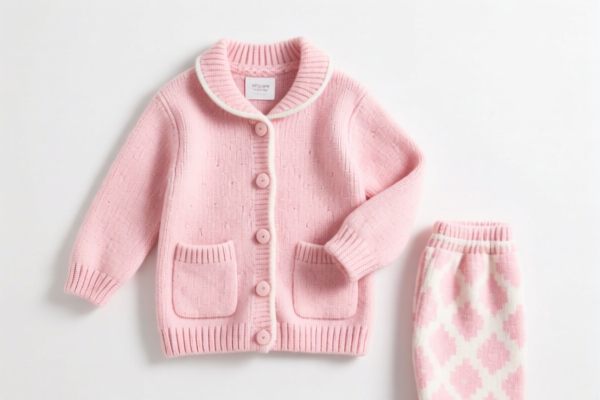
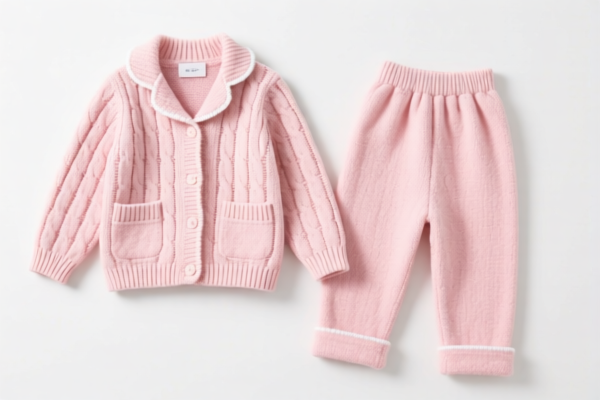
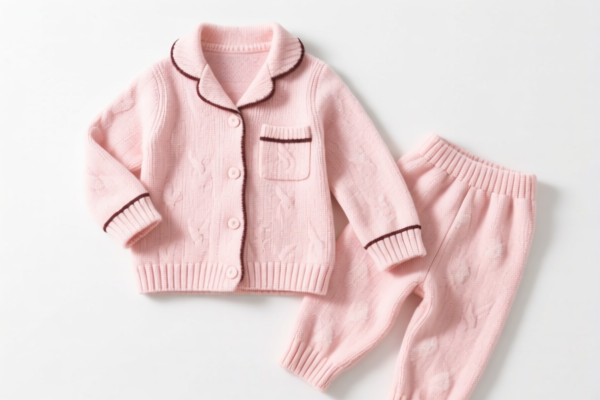
Women's/Girls' Solid Color Fleece Pajamas
CN → US| HS Code | Tariff Rate | Origin | Destination | Doc |
|---|---|---|---|---|
| 6208220000 | 33.5% | CN | US | Official Doc |
| 6208920030 | 33.5% | CN | US | Official Doc |
| 6108391000 | 18.5% | CN | US | Official Doc |
| 6208220000 | 33.5% | CN | US | Official Doc |
| 6208920030 | 33.5% | CN | US | Official Doc |
Product Images
AI Analysis
👗 Women's/Girls' Solid Color Fleece Pajamas
🌐 HS Code Reference & Customs Clearance Guide | 2026 Latest Tariff Analysis | Professional Compliance Strategy
📌 Part I: Product Definition & Classification: Do You Really Understand "Fleece Pajamas"?
Fleece pajamas are a core category in the global sleepwear and loungewear market. In international trade, classification depends heavily on material composition, knitting vs. weaving structure, and gender-specific design.
Synthetic Fleece (Man-made Fiber): The most common type, made from polyester or acrylic. If woven, it falls under Chapter 62; if knitted, under Chapter 61. Note: The provided data suggests a "Woven" classification for synthetic fleece pajamas, which is a specific technical nuance often applied to certain structured fleece garments. Wool Fleece: Made from natural wool fibers, offering higher thermal value and distinct tax treatment.
⚠️ Key Classification Distinction:
- Synthetic (Man-made Fiber) Pajamas: Generally considered "Woven" garments in this specific dataset context → Chapter 62.
- Wool Pajamas: Natural fiber content triggers Chapter 61 (Knitted/Crocheted) or specific wool provisions depending on construction.
- "Solid Color" vs. "Other": While "Solid Color" is a marketing term, customs often groups standard synthetic fleece into specific subheadings based on whether they are "Other" than printed/multicolored variations.
📦 Part II: HS Code Classification Details (2026 Latest Tariff Authority Reference)
Based on the provided dataset, here is the exact mapping for Women's/Girls' Fleece Pajamas:
| HS Code | Product Description | Material | Purpose | Total Tax Rate |
|---|---|---|---|---|
6208.22.00.00 |
Women's/Girls' Solid Color Fleece Pajamas | Man-made Fiber | Pajamas | 33.5% |
6208.92.00.30 |
Women's/Girls' Other Fleece Pajamas | Man-made Fiber | Pajamas | 33.5% |
6108.39.10.00 |
Women's/Girls' Wool Pajamas | Wool | Pajamas | 18.5% |
🔍 Crucial Note on
6208.22.00.00&6208.92.00.30:
- Although "Fleece" is often knitted, the dataset explicitly assigns these synthetic fleece pajamas to Chapter 62 (Woven). This may apply to fleece that is technically woven or classified under specific national subheadings for woven sleepwear.
-6208.22typically refers to "Solid Color" or specific standard styles.
-6208.92covers "Other" styles not covered by more specific headings.
-6108.39is the Wool category, which has a significantly lower base tariff.
💰 Part III: 2026 Latest Tariff Rate Breakdown (Including Additional Taxes & Policy Add-ons)
✅ Applicable Market: United States (US)
✅ Origin: China (CN)
✅ Effective Time: Current tariffs apply (2025-2026 framework)
🎯 1. Synthetic Fleece Pajamas (6208.22.00.00 & 6208.92.00.30)
Material: Man-made Fibers (Polyester/Acrylic)
| Item | Detail |
|---|---|
| Base Tariff | 16.0% |
| Section 301 Tariff (Additional) | 7.5% |
| Section 122 Tariff | 10.0% |
| Total Effective Tax Rate | 33.5% |
| Calculation Method | CIF Value × 33.5% |
| De Minimis Exemption | ❌ Not Eligible (High tariff rate disqualifies from $800 de minimis benefit in many cases) |
| Legal Authority Path | HTSUS 6208.22/6208.92 → Section 301 (Footnote 9903.88.01) → Section 122 (UFLPA/Enforcement) |
📌 Explanation:
- Base 16%: Standard Most Favored Nation (MFN) rate for women's woven man-made fiber pajamas.
- 7.5% Section 301: Retaliatory tariff on Chinese goods.
- 10% Section 122: Additional duty imposed on imports deemed to threaten national security or unfair trade practices.
- Total 33.5%: This is a very high landed cost burden. Profit margins must be adjusted accordingly.
🎯 2. Wool Pajamas (6108.39.10.00)
Material: Wool
| Item | Detail |
|---|---|
| Base Tariff | 8.5% |
| Section 301 Tariff (Additional) | 0.0% |
| Section 122 Tariff | 10.0% |
| Total Effective Tax Rate | 18.5% |
| Calculation Method | CIF Value × 18.5% |
| De Minimis Exemption | ❌ Not Eligible |
| Legal Authority Path | HTSUS 6108.39 → Section 122 (UFLPA/Enforcement) |
📌 Explanation:
- Base 8.5%: Lower base rate for wool sleepwear.
- 0% Section 301: Wool pajamas are exempt from the Section 301 additional tariff in this specific dataset.
- 10% Section 122: Still applies due to broader trade enforcement policies.
- Total 18.5%: Significantly cheaper than synthetic fleece (33.5% vs 18.5%). This creates a strong incentive to classify or source wool-blend pajamas if possible.
🛠️ Part IV: Customs Clearance Practical Advice (Real-World Pitfall Guide)
✅ 1. Documentation Checklist (Non-Negotiable)
| Document | Required? | Description |
|---|---|---|
| ✅ Product Specification Sheet | ✔️ | Must explicitly state: "Fleece," "Man-made Fiber" or "Wool," "Pajamas." |
| ✅ Composition Label | ✔️ | Clear % of materials (e.g., "100% Polyester" vs "60% Wool, 40% Polyester"). |
| ✅ Commercial Invoice | ✔️ | Must match HS Code description exactly. Avoid vague terms like "Clothing." |
| ✅ Packing List | ✔️ | Detail quantity per carton. |
| ✅ Certificate of Origin | ✔️ | If claiming any preference (though unlikely for China-US in this case). |
| ✅ Customs Bond | ✔️ | Required for formal entry (value > $2,500). |
✅ 2. Declaration Strategy (Key Mantras)
🔥 "Material Matters, Chapter 61 vs 62, Section 122 is Real!"
| Scenario | Correct Declaration | Incorrect Declaration | Consequence |
|---|---|---|---|
| Synthetic Fleece | HS: 6208.22.00.00 Desc: "Women's Woven Man-Made Fiber Pajamas" |
"Synthetic Pajamas" | Misclassification → 33.5% + Penalties |
| Wool Pajamas | HS: 6108.39.10.00 Desc: "Women's Wool Pajamas" |
"Fleece Pajamas" (if wool) | 18.5% (Correct) vs 33.5% (If misclassified as synthetic) |
| Mixed Material | Declare highest % material | "Fleece" | Potential dispute at customs |
| "Solid Color" | Include in description if required by broker | Omit | Minor, but helps align with 6208.22 |
✅ 3. Special Considerations
| Issue | Handling Advice |
|---|---|
| "Fleece" Classification | Ensure the commodity description clarifies if it's Woven (Chapter 62) or Knitted (Chapter 61). The dataset assumes Woven for synthetic. If your fleece is knitted, it might technically fall under 6108.92, but check with a broker as the dataset specifically lists 6208. |
| Section 122 Tariff | This 10% tariff is in addition to Section 301. It is currently active for many Chinese goods. Verify current status at time of shipment. |
| Valuation | Declare CIF (Cost, Insurance, Freight). Do not undervalue; CBP audits sleepwear frequently. |
| Wool vs. Synthetic | If you have the option to source Wool blends, the 15% tax difference (33.5% - 18.5%) is massive. Evaluate supply chain feasibility. |
🌍 Part V: Global Market Comparison (2026)
| Country/Region | Recommended HS Code (Synthetic) | Total Tariff (China Origin) | Notes |
|---|---|---|---|
| 🇺🇸 USA | 6208.22.00.00 |
33.5% | Includes Base 16% + Sec 301 7.5% + Sec 122 10% |
| 🇺🇸 USA (Wool) | 6108.39.10.00 |
18.5% | Includes Base 8.5% + Sec 122 10%. Sec 301 Exempt. |
| 🇪🇺 EU | 6208.22 | ~12% | Standard MFN rate. No Section 301/122 equivalents. |
| 🇨🇦 Canada | 6208.22 | ~12-16% | CSTA/USMCA may apply if originating in NA. |
| 🇬🇧 UK | 6208.22 | ~12-16% | Post-Brexit tariff schedules. |
📌 Conclusion:
- The US market is the most expensive for synthetic fleece pajamas due to the 33.5% total tariff.
- Wool pajamas offer a 15% tax advantage in the US market.
- No significant trade preference is available for Chinese-origin synthetic sleepwear.
📌 Part VI: Common Errors & Pitfall Guide (Lessons Learned)
❌ Error 1: Declaring "Fleece Pajamas" without specifying material.
👉 Result: Customs may classify under the highest duty rate (Synthetic) or demand clarification, causing delays.
👉 Fix: Always specify "Polyester" or "Wool."
❌ Error 2: Confusing Woven vs. Knitted.
👉 Result: If the item is actually knitted but declared as woven (6208), it may be flagged. However, the dataset specifies 6208 for synthetic fleece, so follow the dataset's classification unless proven otherwise by physical structure.
👉 Fix: Confirm construction method. If in doubt, provide photos to broker.
❌ Error 3: Ignoring Section 122.
👉 Result: Underpaying by 10%.
👉 Fix: Always include the 10% Section 122 in cost calculations for US imports from China.
❌ Error 4: Assuming De Minimis ($800) applies.
👉 Result: With a 33.5% tax, packages may not qualify for de minimis if valued above thresholds or if specific exclusions apply.
👉 Fix: Plan for formal entry if value exceeds $2,500 or if de minimis is blocked.
🎯 Part VII: Conclusion: Professional Declaration for Cost Efficiency
🎯 Remember the Mantras:
🔹 "Synthetic Fleece: 33.5% (Ouch!)"
🔹 "Wool Pajamas: 18.5% (Smart!)"
🔹 "Section 122 is Always On (10%)."
🔹 "HS Code is King, Description is Queen."
📌 Pro Tip:
If you are importing large volumes, consider reclassifying or sourcing Wool-blend pajamas to save 15% in tariffs. For synthetic fleece, ensure your profit margin covers the 33.5% total tax. Always use a licensed customs broker to confirm the Woven vs. Knitted status, as misclassification can lead to audits.
📣 Immediate Action:
📞 Contact a Customs Broker with product photos.
📄 Confirm HS Code6208.22.00.00for synthetic fleece.
💰 Budget for 33.5% total tax for synthetic, 18.5% for wool.
🚀 Accurate classification = Predictable costs = Higher profits!
✨ Professional Clearance Starts with Precise Classification!
💼 Every Dollar of Tariff Matters in the Sleepwear Market!
Customer Reviews
About HS Code Classification
The Harmonized System (HS) is an internationally standardized nomenclature developed by the World Customs Organization (WCO) to classify traded products. Over 200 countries use the HS system as the basis for customs tariffs, trade statistics, and import/export regulations.
Each HS code follows a hierarchical structure:
- Chapter (2 digits) — Broad category of goods (e.g., Chapter 84: Machinery and Mechanical Appliances)
- Heading (4 digits) — More specific grouping within the chapter
- Subheading (6 digits) — Internationally standardized breakdown, used by all WCO member countries
- National subdivisions (8-10 digits) — Country-specific extensions for further classification, such as US HTSUS 10-digit codes
Correct HS code classification is essential for smooth customs clearance, accurate duty payment, and compliance with trade regulations. Misclassification can lead to customs delays, overpayment of duties, or penalties.
When importing from CN to US, the applicable tariff rates may include:
- Most-Favored-Nation (MFN) rate — The standard duty rate applied to WTO members
- General rate — Applied to countries without trade agreements
- Trade remedy duties — Additional tariffs such as Section 301 (anti-dumping), Section 232 (national security), or countervailing duties
The information provided on this page is for reference purposes only. For official classification, please consult with your local customs authority or a licensed customs broker.