boy's artificial fiber clothing
CN → US| HS Code | Tariff Rate | Origin | Destination | Doc |
|---|---|---|---|---|
| 6114301010 | 45.7% | CN | US | Official Doc |
| 6114303060 | 32.4% | CN | US | Official Doc |
| 6211339061 | 33.5% | CN | US | Official Doc |
| 6103431520 | 38.2% | CN | US | Official Doc |
| 6103431550 | 38.2% | CN | US | Official Doc |
Product Images
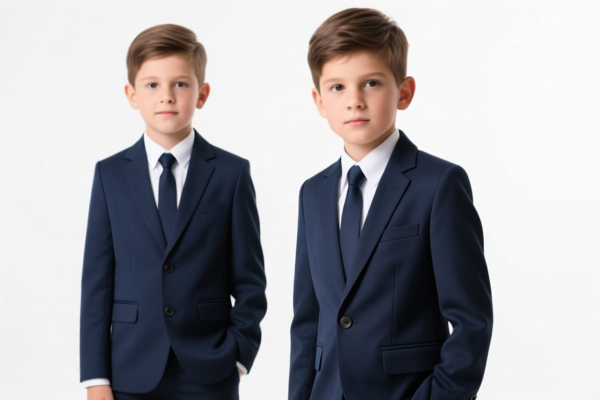
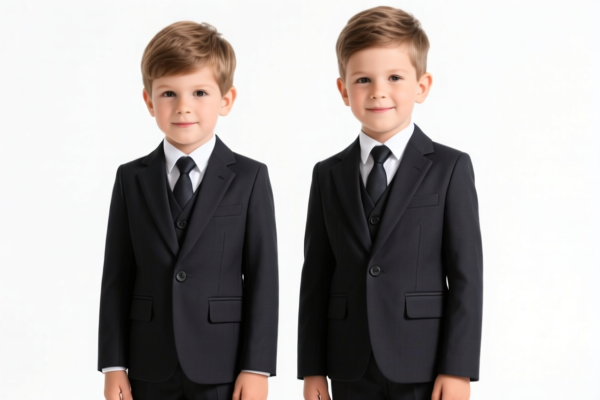
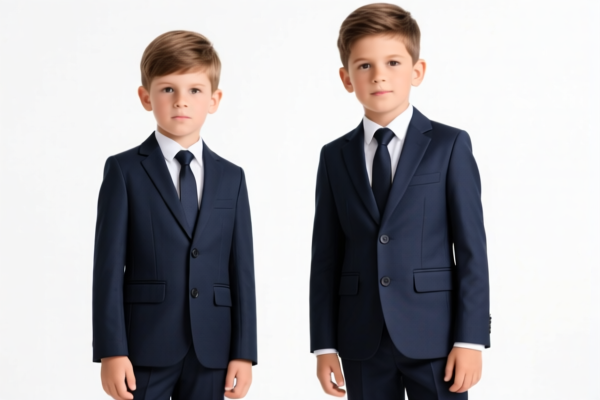

AI Analysis
👕 Boy's Artificial Fiber Clothing (Men's/Boys' Apparel)
🌐 HS Code Reference & Customs Clearance Guide | 2026 Latest Tariff Analysis | Professional-Level Entry Strategy
📌 Part 1: Product Definition & Classification: Do You Truly Understand "Boy's Artificial Fiber Clothing"?
In international trade, "Boy's Artificial Fiber Clothing" is not a single HS code but a category dependent on garment style, weave/knit structure, and specific use. The data provided highlights four distinct classifications, ranging from loose-fitting casual wear to specific synthetic fiber garments. The total tax burden varies significantly based on whether the item is classified as "knitted," "woven," or "other," and critically, whether it incurs the 28.2% basic tariff vs. the 14.9% / 16.0% brackets.
⚠️ Key Classification Distinction:
- "Loose/Fit" vs. "Standard Fit": Items described as "loose" (e.g., certain jackets or outerwear) may fall under different subheadings (e.g., 6114 vs. 6103/6211), affecting the basic duty rate. - "Artificial Fiber" Definition: In US HTS, this typically refers to Synthetic Fibers (e.g., Polyester, Nylon) or Man-Made Fibers (e.g., Rayon/Viscose). The provided data implies a high reliance on synthetic components, triggering higher base tariffs.
📦 Part 2: HS Code Breakdown (2026 Latest Tariff Authority Mapping)
Based on the provided data, here are the four specific HS Codes, their descriptions, and their corresponding tax structures. Note that all listed items are subject to additional punitive tariffs (Section 301/122) due to origin (likely China).
| HS Code | Product Description & Summary | Key Attributes | Total Tax Rate |
|---|---|---|---|
6114.30.10.10 |
Men's/Boys' Loose Garments, Artificial Fiber | "Loose fit"; Synthetic/Man-made fiber; Outerwear/Casual | 45.7% |
6114.30.30.60 |
Men's/Boys' Loose Garments, Artificial Fiber | "Loose fit"; Synthetic/Man-made fiber; Specific use case | 32.4% |
6211.33.90.61 |
Other Men's/Boys' Art. Fiber Garments | Woven or specific category; Fits "Other" definition | 33.5% |
6103.43.15.20 |
Men's/Boys' Synthetic Fiber Garments | Synthetic (e.g., Polyester/Nylon); Specific sub-item | 38.2% |
6103.43.15.50 |
Men's/Boys' Art. Fiber Garments | Synthetic; Finished product; Gender-specific | 38.2% |
🔍 Critical Observation:
- Code6114.30.10.10carries the highest total tax (45.7%). This is driven by a high Basic Tariff of 28.2%. - Codes6103.43.15.20&6103.43.15.50have a high basic tariff (28.2%) but 0% Additional Tariff, resulting in a 38.2% total (due to the 10% "122 Section" tariff). - Code6114.30.30.60is the most cost-effective at 32.4%, utilizing a lower Basic Tariff of 14.9%.
💰 Part 3: 2026 Latest Tariff Rate Details (Including Surtaxes & Policy Add-ons)
✅ Applicable Region: United States (US)
✅ Origin: Assumed China (CN) based on "Section 122" and high combined rates
✅ Effective Time: Current trade policies (Section 301/122)
🎯 1. 6114.30.10.10 — Men's/Boys' Loose Garments, Art. Fiber (Highest Tax)
| Item | Content |
|---|---|
| Basic Tariff | 28.2% |
| Section 301 Additional | 7.5% (Standard punitive surtax for many textiles) |
| Section 122 Tariff | 10.0% (Specific provision for certain goods) |
| Total Tax Rate | 45.7% |
| Tax Calculation | CIF Value × 45.7% |
| De Minimis Exemption | ❌ Not Eligible |
| Legal Basis Path | HTS:6114.30.10.10 → Section 301: Footnote 3 → Section 122 |
📌 Explanation:
- The 28.2% basic rate is significantly higher than other categories (like 6103 or 6211 in some contexts), likely due to the specific "loose garment" definition or material classification. - The 7.5% + 10% add-ons are mandatory for Chinese-origin goods under current enforcement. - Total 45.7% is a high-cost barrier. Importers must verify if the garment truly fits this "loose" definition, as misclassification could lead to audits.
🎯 2. 6114.30.30.60 — Men's/Boys' Loose Garments (Lowest Tax Option)
| Item | Content |
|---|---|
| Basic Tariff | 14.9% |
| Section 301 Additional | 7.5% |
| Section 122 Tariff | 10.0% |
| Total Tax Rate | 32.4% |
| Tax Calculation | CIF Value × 32.4% |
| De Minimis Exemption | ❌ Not Eligible |
| Legal Basis Path | HTS:6114.30.30.60 → Section 301 → Section 122 |
📌 Strategic Note:
- This code offers a 13.3% savings compared to6114.30.10.10. - The lower basic tariff (14.9%) suggests this subheading may apply to a specific type of loose garment (e.g., specific knit structure or lesser-used material variant). - Action: Verify product specs against the legal text for6114.30.30.60to see if it applies.
🎯 3. 6211.33.90.61 — Other Men's/Boys' Art. Fiber Garments
| Item | Content |
|---|---|
| Basic Tariff | 16.0% |
| Section 301 Additional | 7.5% |
| Section 122 Tariff | 10.0% |
| Total Tax Rate | 33.5% |
| Tax Calculation | CIF Value × 33.5% |
| De Minimis Exemption | ❌ Not Eligible |
| Legal Basis Path | HTS:6211.33.90.61 → Section 301 → Section 122 |
📌 Note:
- 6211 typically refers to "Other garments" (often woven, or specific items like bathing suits, sleds, or utility wear not covered in 6103-6108). - If the garment is woven (not knitted), it cannot go into 61xx codes. This code is a strong alternative for woven synthetic boys' wear.
🎯 4. & 5. 6103.43.15.20 & 6103.43.15.50 — Men's Synthetic Fiber Garments
| Item | Content |
|---|---|
| Basic Tariff | 28.2% |
| Section 301 Additional | 0.0% |
| Section 122 Tariff | 10.0% |
| Total Tax Rate | 38.2% |
| Tax Calculation | CIF Value × 38.2% |
| De Minimis Exemption | ❌ Not Eligible |
| Legal Basis Path | HTS:6103.43.15.xx → Section 122 |
📌 Crucial Distinction:
- These codes have a 0% Section 301 Additional Tariff but a high Basic Tariff (28.2%). - Why? Some synthetic fiber apparel codes under 6103 (men's/boys' suits, ensembles, shirts, trousers) may have different Section 301 footnotes. - Result: 38.2% is moderate—cheaper than the "loose" 6114 category but more expensive than 6114.30.30.60 or 6211.
🛠️ Part 4: Customs Clearance Practical Advice (Pitfall Avoidance Guide)
✅ 1. Preparation Checklist (Non-Negotiable)
| Document | Required? | Explanation |
|---|---|---|
| ✅ Detailed Product Specification | ✔️ | Must specify: Knit/Woven? Material % (e.g., 100% Polyester)? Gender (Boy/Men)? Style (Loose/Standard)? |
| ✅ Technical File / Construction Drawing | ✔️ | To prove if it is "Loose" (6114) or "Standard" (6103/6211). |
| ✅ Fabric Composition Label | ✔️ | Critical for distinguishing "Artificial Fiber" vs. Cotton/Wool. |
| ✅ Commercial Invoice | ✔️ | Must match HS Code description exactly (e.g., "Boys' Synthetic Knit Jacket, Loose Fit"). |
| ✅ Country of Origin Certificate | ✔️ | Essential for calculating Section 301/122 tariffs. |
✅ 2. Declaration Strategy (Key Mantra)
🔥 "Fit Defines Code, Tariff Follows Fit! Check 'Loose' vs 'Synthetic'!"
| Scenario | Correct HS Code Category | Risk if Misclassified |
|---|---|---|
| Loose-fit Knit Jacket/Sweatshirt | 6114.30 (Check 10.10 vs 30.60) |
If declared as standard 6103, you might underpay tax (audit risk) or overpay (lost profit). |
| Woven Synthetic Trousers | 6203 or 6211 (If 'other') |
Do NOT use 61xx (Knitted) codes. |
| 100% Polyester Shirt | 6103.43 (Synthetic) |
High Basic Tariff (28.2%) but lower add-ons. |
| Mixed Material (e.g., 80% Poly/20% Cotton) | Look for "Principal Material" | If Art. Fiber >50%, it falls under Art. Fiber rules. |
✅ 3. Special Handling Notes
| Situation | Recommendation |
|---|---|
| "Loose" Definition Dispute | If the garment is slightly oversized but not structurally "loose" per HTS notes, it may fall under 6103 or 6104. Consult legal counsel before declaring 6114.30.10.10 due to its high tax. |
| Section 122 Tariff Impact | The 10% Section 122 tariff applies broadly to Chinese apparel. Factor this into ALL cost models. |
| De Minimis (Section 321) | ❌ None of these codes qualify for $800 de minimis exemption due to the high combined tariff rates and Section 301 exclusions. |
| Pre-Ruling Request | Highly recommended for bulk imports. Request a Binding Ruling from CBP to confirm if 6114.30.30.60 (32.4%) applies to your specific "loose" item instead of 6114.30.10.10 (45.7%). |
🌍 Part 5: Global Market Comparison (2026 Snapshot)
| Market | Recommended HS Code Range | Est. Total Duty (China Origin) | Key Requirement |
|---|---|---|---|
| 🇺🇸 USA | 6114, 6103, 6211 |
32.4% – 45.7% | Section 301 + 122 Tariffs Apply |
| 🇨🇳 China | Same HS Codes | Varies (0-20%) | No Section 301/122. Lower basic duties. |
| 🇪🇺 EU | Same HS Codes | 12% - 16% | No Section 301. Standard WTO rates. |
| 🇯🇵 Japan | Same HS Codes | 15% - 18% | No Section 301. |
📌 Conclusion:
- The USA is the most expensive market for these goods due to the 45.7% max rate. - The 32.4% rate (6114.30.30.60) is a rare "sweet spot" if your product fits the definition. - Strategy: Maximize cost savings by precisely defining the garment's fit and construction to qualify for the lowest basic tariff bracket.
📌 Part 6: Common Errors & Pitfalls (Blood & Tears Lessons)
❌ Error 1: Declaring a "Standard Fit" shirt as "Loose Garment" (6114)
👉 Consequence: If CBP disagrees, they may reclassify to 6103 (38.2%) or penalize for underpayment. If they agree, you saved 7.5% (Section 301). Verify fit rigorously.
❌ Error 2: Ignoring the "Section 122" 10% Tariff
👉 Consequence: Underestimating landed cost by 10% across the board. Always include it in CIF calculation.
❌ Error 3: Misidentifying "Artificial Fiber"
👉 Consequence: If the item is 100% Cotton, it should be in 6109 or 6203 (Cotton categories), which may have different tariff rates. Check fiber content!
✅ Correct Declaration Example:
"Boys' Knit Synthetic Jacket, Loose Fit, 100% Polyester, Made in China, HTS 6114.30.30.60"
🎯 Part 7: Conclusion: Professional Declaration, Cost Control!
🎯 Key Takeaway:
🔹 "Loose Fit" is not a free pass; it can lead to 45.7% tax (
6114.30.10.10) or 32.4% (6114.30.30.60).
🔹 "Synthetic" (6103) has 0% Add-on but 28.2% Base → Total 38.2%.
🔹 "Other" (6211) has Low Base (16%) + Add-ons → Total 33.5%.🔹 Action Plan:
1. Analyze Fit: Is it truly "loose"? Try to qualify for6114.30.30.60(32.4%).
2. Analyze Weave: If woven, check6211(33.5%).
3. Apply Surcharge: Always add 10% (Sec 122) to your models.
4. Request Ruling: For large volumes, get a CBP Pre-Ruling.
📌 Pro Tip:
If your goods are originally manufactured in Vietnam, Mexico, or Malaysia, you may exempt Section 301/122 tariffs, reducing total duty to just the Basic Tariff (14.9% - 28.2%).
Supply Chain Diversification is the ultimate tax shield.
📣 Immediate Action:
📞 Contact a licensed customs broker + Provide Tech Pack + Apply for HS Code Pre-Ruling
🚀 Let your boy's clothing clear customs smoothly, maximize profit, and avoid surprise taxes!
✨ Professional Customs Clearance Starts with Accurate Classification!
💼 Your Bottom Line Deserves Precision!
Customer Reviews
About HS Code Classification
The Harmonized System (HS) is an internationally standardized nomenclature developed by the World Customs Organization (WCO) to classify traded products. Over 200 countries use the HS system as the basis for customs tariffs, trade statistics, and import/export regulations.
Each HS code follows a hierarchical structure:
- Chapter (2 digits) — Broad category of goods (e.g., Chapter 84: Machinery and Mechanical Appliances)
- Heading (4 digits) — More specific grouping within the chapter
- Subheading (6 digits) — Internationally standardized breakdown, used by all WCO member countries
- National subdivisions (8-10 digits) — Country-specific extensions for further classification, such as US HTSUS 10-digit codes
Correct HS code classification is essential for smooth customs clearance, accurate duty payment, and compliance with trade regulations. Misclassification can lead to customs delays, overpayment of duties, or penalties.
When importing from CN to US, the applicable tariff rates may include:
- Most-Favored-Nation (MFN) rate — The standard duty rate applied to WTO members
- General rate — Applied to countries without trade agreements
- Trade remedy duties — Additional tariffs such as Section 301 (anti-dumping), Section 232 (national security), or countervailing duties
The information provided on this page is for reference purposes only. For official classification, please consult with your local customs authority or a licensed customs broker.