boys' casual shirt blended
CN → US| HS Code | Tariff Rate | Origin | Destination | Doc |
|---|---|---|---|---|
| 6111900510 | 31.1% | CN | US | Official Doc |
| 6105201000 | 31.1% | CN | US | Official Doc |
| 6110110025 | 33.5% | CN | US | Official Doc |
| 6110190025 | 33.5% | CN | US | Official Doc |
| 6105901000 | 32.4% | CN | US | Official Doc |
| 6111900530 | 31.1% | CN | US | Official Doc |
Product Images
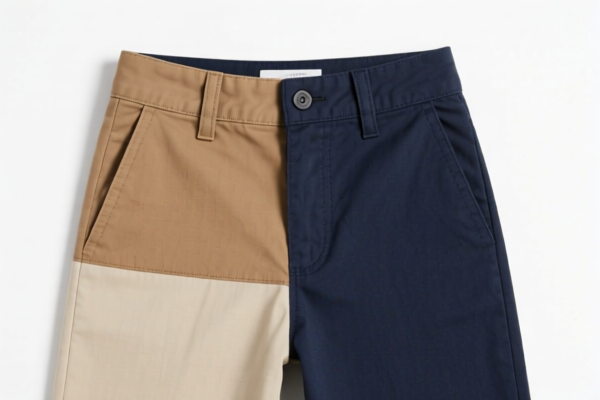
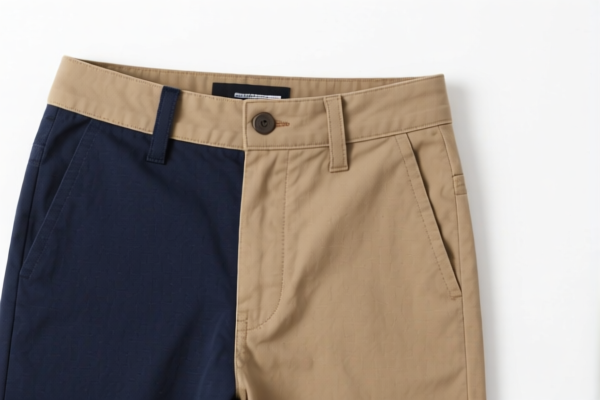
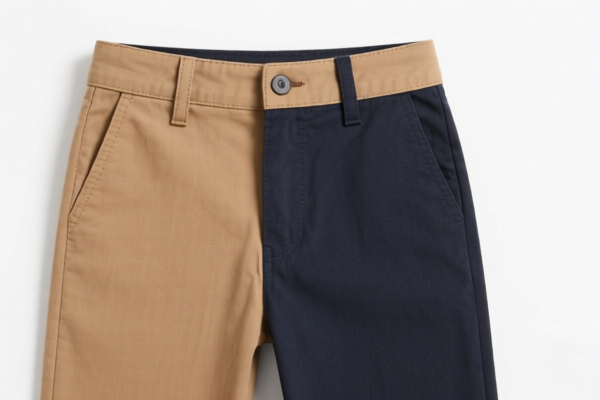
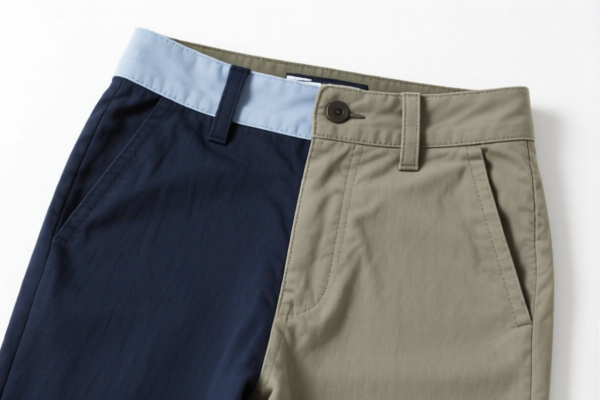
AI Analysis
👕 Boys' Casual Shirt: Blended Fabric Classification & US Customs Clearance Guide | 2026 Tariff Analysis
🌐 HS Code Reference & Clearance Strategy | 2026 Latest Tariff Rates | Professional Compliance Guide
📌 I. Product Definition & Classification: What is a "Blended Boys' Casual Shirt"?
In international trade, "Boys' Casual Shirt" (男童休闲衬衫) refers to woven or knitted garments designed for male children, typically used as outerwear or layering pieces. The term "Blended" (混纺) indicates the fabric is composed of two or more different fiber types (e.g., Wool + Synthetic, or Cotton + Wool).
For customs classification under the Harmonized System (HS), the key determination factors are: 1. Knitted vs. Woven: Is the fabric knitted (elastic, looped structure) or woven (interlaced threads)? 2. Material Composition: What is the dominant fiber? For wool blends, the wool content often dictates the chapter. 3. Garment Type: Is it a "Shirt" (Chapter 61/62) or a "Sweater/Jersey" (Chapter 61)?
⚠️ Critical Distinction:
- Knitted Shirts (针织衬衫): Often fall under HS 6105 if designed as shirts.
- Knitted Sweaters/Jerseys (针织衫): If the garment is loose-fitting and intended for warmth, it may be classified as a Sweater (HS 6110), even if colloquially called a "shirt."
- Wool Content: If wool > 50%, it generally falls under HS 6105/6110 with wool-specific subheadings.
📦 II. HS Code Classification Details (Based on Provided Data)
Based on the provided dataset, the following HS Codes apply to Knitted Boys' Blended Shirts/Jerseys. All items involve Wool Blends and are subject to US Tariffs (including Section 301 and 122 tariffs).
| HS Code | Product Description | Key Characteristics | Total Tax Rate |
|---|---|---|---|
6111.90.05.10 |
Boy's Autumn Knitted Wool-Blend Shirt (Woven/Knitted form, Wool-blend material, Garment use) |
Knitted structure, Wool-blend, Specific for boys in autumn | 31.1% |
6105.20.10.00 |
Boy's Knitted Shirt, Man-Made Fibers & Wool Blend (Contains wool components) |
Knitted shirt, Wool + Synthetic blend | 31.1% |
6110.11.00.25 |
Wool-Blend Knitted Sweater/Jersey, For Boys (Matches knitted category features) |
Knitted sweater/jersey style, Wool-blend, Boy's size | 33.5% |
6110.19.00.25 |
Knitted Wool-Blend Product, For Boys (Fits fine animal hair material requirements) |
Knitted, Wool-blend, Specific to fine animal hair standards | 33.5% |
6105.90.10.00 |
Boy's Knitted Shirt, Wool-Blend Material (Form and use match classification) |
Knitted shirt, Wool-blend, General purpose | 32.4% |
🔍 Key Insight:
- HS 6105 is typically for Knitted Shirts.
- HS 6110 is typically for Knitted Sweaters, Jumpers, Pullovers, etc.
- HS 6111 is typically for Infants' Knitted/Woven Garments (Note: The data labels this as "Autumn Knitted Wool-Blend Shirt," which may refer to transitional wear or specific customs interpretations for younger boys).
- Tax Rates Vary: Based on whether it's classified as a "Shirt" (6105/6111) vs. a "Sweater/Jersey" (6110), and the specific wool content/blend ratio.
💰 III. 2026 Tariff Rate Breakdown (Detailed Tax Components)
✅ Applicable Country: United States (US)
✅ Origin: China (CN)
✅ Effective Date: Current rates apply (including Section 301 and Section 122 tariffs)
🎯 1. HS 6111.90.05.10 & HS 6105.20.10.00
Total Tax Rate: 31.1%
| Tax Component | Rate | Legal Basis |
|---|---|---|
| Basic Tariff (MFN) | 13.6% | US HTSUS General Rate of Duty |
| Section 301 Tariff | 7.5% | Trade Relations Act (China-specific) |
| Section 122 Tariff | 10.0% | Emergency Trade Powers (China-specific) |
| Total | 31.1% | Sum of all applicable duties |
📌 Explanation:
- 13.6% Base: Standard import duty for knitted boys' shirts.
- 7.5% Section 301: Added tariff due to US-China trade disputes.
- 10% Section 122: Additional tariff under International Emergency Economic Powers Act (IEEPA) or specific trade remedies.
- Total: 31.1% of CIF (Cost, Insurance, Freight) value.
🎯 2. HS 6110.11.00.25 & HS 6110.19.00.25
Total Tax Rate: 33.5%
| Tax Component | Rate | Legal Basis |
|---|---|---|
| Basic Tariff (MFN) | 16.0% | US HTSUS General Rate of Duty (Higher for wool sweaters) |
| Section 301 Tariff | 7.5% | Trade Relations Act (China-specific) |
| Section 122 Tariff | 10.0% | Emergency Trade Powers (China-specific) |
| Total | 33.5% | Sum of all applicable duties |
📌 Explanation:
- 16.0% Base: Knitted wool sweaters/jerseys often have a higher base duty than shirts.
- Same Surcharges: Section 301 and 122 tariffs apply uniformly.
- Total: 33.5% of CIF value.
🎯 3. HS 6105.90.10.00
Total Tax Rate: 32.4%
| Tax Component | Rate | Legal Basis |
|---|---|---|
| Basic Tariff (MFN) | 14.9% | US HTSUS General Rate of Duty |
| Section 301 Tariff | 7.5% | Trade Relations Act (China-specific) |
| Section 122 Tariff | 10.0% | Emergency Trade Powers (China-specific) |
| Total | 32.4% | Sum of all applicable duties |
📌 Explanation:
- 14.9% Base: Intermediate base duty for other knitted shirts.
- Total: 32.4% of CIF value.
🛠️ IV. Customs Clearance Practical Advice (Avoiding Pitfalls)
✅ 1. Essential Documentation Checklist
| Document | Required? | Notes |
|---|---|---|
| Commercial Invoice | ✅ Yes | Must clearly state "Knitted Boys' Shirt," material composition (e.g., "60% Wool, 40% Polyester"), and HS Code. |
| Packing List | ✅ Yes | Detailed description of contents. |
| Bill of Lading/Air Waybill | ✅ Yes | Standard shipping document. |
| Product Specification Sheet | ✅ Yes | Include fabric composition, weight, and intended use (e.g., "Autumn wear"). |
| Certificate of Origin | ✅ Yes | To prove origin (China) for tariff calculation. |
| Labeling | ✅ Yes | US labels must include: Fiber content, Country of Origin, Manufacturer/Importer info. |
✅ 2. Classification Strategy & Tips
🔥 "Knit vs. Woven, Shirt vs. Sweater: Get it Right or Pay Extra!"
| Scenario | Correct HS Code | Risk if Incorrect |
|---|---|---|
| Knitted Shirt (Collared, buttoned) | 6105.xx.xx |
If misclassified as sweater (6110), base duty may be higher (16% vs. 13.6-14.9%). |
| Knitted Sweater/Jersey (Loose, pullover) | 6110.xx.xx |
If misclassified as shirt, you may face underpayment of duty. |
| Wool Content > 50% | 6105.20 or 6110.11 |
Must declare wool percentage accurately. Misdeclaration can lead to penalties. |
| Infant/Toddler Size | 6111.xx.xx |
If intended for infants (< 2 years), 6111 may apply. Ensure age designation matches. |
✅ 3. Special Considerations for Wool Blends
- Wool Definition: Ensure the wool component meets the "Fine Animal Hair" standard if classified under
6110.19. - Blending Ratio: The dominant fiber determines the classification. If wool is < 50%, it may fall under different subheadings (not in this dataset, but important to verify).
- Section 122 Tariff: This 10% tariff is significant. It is applied on top of the base rate and Section 301. Ensure your invoice reflects the CIF value correctly, as all tariffs are calculated on this basis.
🌍 V. Market Comparison & Tariff Impact (2026)
| Destination | HS Code Range | Total Tariff Rate | Notes |
|---|---|---|---|
| 🇺🇸 USA | 6105 / 6110 / 6111 |
31.1% - 33.5% | Includes Base + Section 301 (7.5%) + Section 122 (10%). High tariff impact. |
| 🇨🇳 China | 6105 / 6110 |
~10-14% | Lower base rates, no Section 301/122. |
| 🇪🇺 EU | 6105 / 6110 |
~12-16% | Standard WTO rates, no additional China-specific tariffs. |
| 🇬🇧 UK | 6105 / 6110 |
~12-16% | Post-Brexit rates similar to EU. |
📌 Conclusion:
- The US market is the most expensive for Chinese-origin wool-blended boys' shirts due to Section 301 and Section 122 tariffs.
- Total tariffs of 31.1%–33.5% significantly impact profit margins.
- Strategy: Consider pricing adjustments, sourcing from non-China origins (if feasible), or optimizing product classification (e.g., ensuring correct "Shirt" vs. "Sweater" classification to minimize base duty).
📌 VI. Common Mistakes & Avoidance Guide
❌ Mistake 1: Misclassifying a Sweater as a Shirt (or vice versa).
👉 Consequence: Incorrect base duty rate (13.6% vs. 16.0%). May lead to underpayment and penalties.
❌ Mistake 2: Ignoring Section 122 Tariff.
👉 Consequence: Underpaying by 10% of CIF value. Customs will assess additional duties + interest.
❌ Mistake 3: Incorrect Fiber Composition Declaration.
👉 Consequence: If wool content is understated, the correct HS Code (based on wool %) may be missed, leading to misclassification.
❌ Mistake 4: Using generic terms like "Kids' Top" on Invoice.
👉 Consequence: Customs may assign a higher default duty rate or request additional information, delaying clearance.
✅ Correct Approach:
"Knitted Boys' Shirt, 60% Wool, 40% Polyester, Autumn Wear, US Importer XYZ, HS 6105.20.10.00"
🎯 VII. Conclusion: Precision in Classification Saves Money
🎯 Key Takeaways:
- Total Tariff: 31.1%–33.5% for US-bound wool-blended boys' knitted shirts/jerseys from China.
- Breakdown: Base Duty (13.6%-16%) + Section 301 (7.5%) + Section 122 (10%).
- Action: Ensure accurate HS Code classification based on garment type (Shirt vs. Sweater) and material composition.
- Documentation: Provide clear, detailed product descriptions and fiber content on all shipping documents.
📌 Pro Tip:
- Apply for Advance Ruling: If your product has complex features (e.g., mixed materials, unique design), consider applying for a Binding Tariff Information (BTI) or Advance Ruling from US Customs to confirm the correct HS Code.
- Monitor Policy Changes: Section 122 and 301 tariffs can be modified. Stay updated on US trade policy changes.
📣 Final Advice:
📞 Consult a licensed customs broker for pre-shipment classification.
📄 Ensure accurate labeling and documentation to avoid delays.
💡 Factor the 31-33% tariff into your pricing strategy to maintain competitiveness in the US market.
✨ Accurate Classification, Smooth Clearance, Maximized Profit!
💼 Every Percent Saved is Pure Profit!
Customer Reviews
About HS Code Classification
The Harmonized System (HS) is an internationally standardized nomenclature developed by the World Customs Organization (WCO) to classify traded products. Over 200 countries use the HS system as the basis for customs tariffs, trade statistics, and import/export regulations.
Each HS code follows a hierarchical structure:
- Chapter (2 digits) — Broad category of goods (e.g., Chapter 84: Machinery and Mechanical Appliances)
- Heading (4 digits) — More specific grouping within the chapter
- Subheading (6 digits) — Internationally standardized breakdown, used by all WCO member countries
- National subdivisions (8-10 digits) — Country-specific extensions for further classification, such as US HTSUS 10-digit codes
Correct HS code classification is essential for smooth customs clearance, accurate duty payment, and compliance with trade regulations. Misclassification can lead to customs delays, overpayment of duties, or penalties.
When importing from CN to US, the applicable tariff rates may include:
- Most-Favored-Nation (MFN) rate — The standard duty rate applied to WTO members
- General rate — Applied to countries without trade agreements
- Trade remedy duties — Additional tariffs such as Section 301 (anti-dumping), Section 232 (national security), or countervailing duties
The information provided on this page is for reference purposes only. For official classification, please consult with your local customs authority or a licensed customs broker.