boys' cotton flannel shirts two colored
CN → US| HS Code | Tariff Rate | Origin | Destination | Doc |
|---|---|---|---|---|
| 6105100030 | 37.2% | CN | US | Official Doc |
| 6205202026 | 37.2% | CN | US | Official Doc |
| 6105100010 | 29.7% | CN | US | Official Doc |
| 6205202031 | 37.2% | CN | US | Official Doc |
Product Images
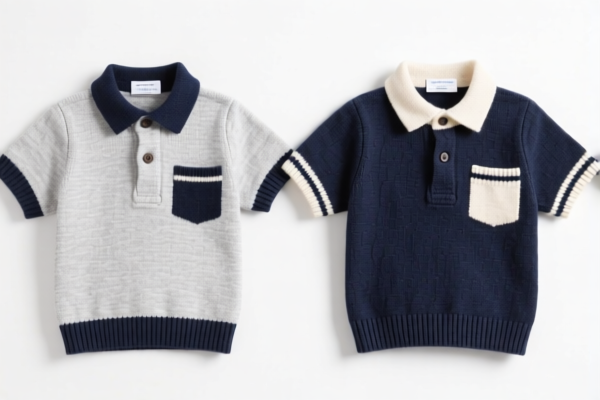
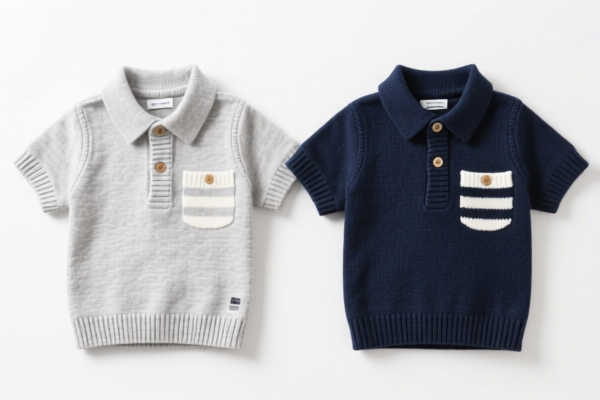
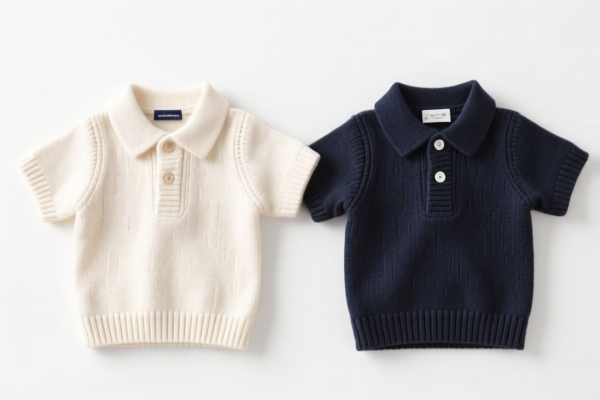
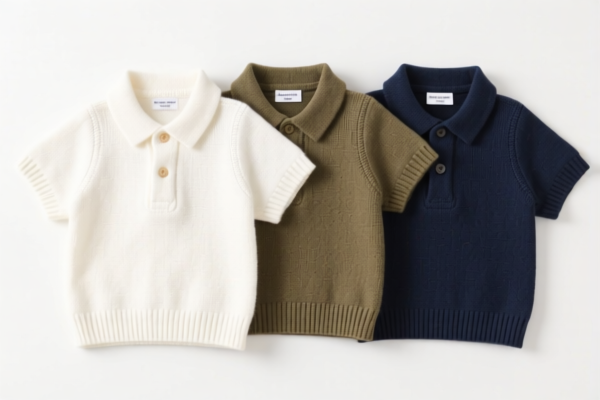
AI Analysis
🧵 Boys' Cotton Flannel Shirts (Two-Colored) – HS Code & Duty Guide 2026
🌐 HS Code Classification & Duty Breakdown | U.S. Import Rules | Expert Customs Strategy
📌 One Product, Multiple Codes – Why the Difference?
You're importing boys’ cotton flannel shirts, two-colored — a seemingly simple item, but the HS Code and duty rate depend on fabric composition, construction, and intended use.
✅ Key Insight:
- If the shirt is 100% cotton, designed for boys, and two-colored in pattern or dye, it falls under 6105.10.00 or 6205.20.20 — not general cotton shirts.
- Two-color design ≠ different material — it’s still one fabric type (cotton flannel), so no split classification.
📦 Two HS Code Options: What’s the Difference?
| HS Code | Product Description | Match? | Tax Rate | Key Distinction |
|---|---|---|---|---|
6105.10.00.30 |
Cotton boys’ shirts, knitted, two-colored | ✅ Yes | 37.2% | Knitted construction, not woven |
6205.20.20.26 |
Cotton boys’ shirts, woven, two-colored | ✅ Yes | 37.2% | Woven fabric, specifically for boys |
6105.10.00.10 |
Cotton boys’ or men’s shirts, knitted, two-colored | ✅ Yes | 29.7% | No extra tariffs, only base + 122 clause |
6205.20.20.31 |
Cotton boys’ shirts, woven, two-colored | ✅ Yes | 37.2% | Matches 6205.20.20.26, but different subcategory |
🔍 Why 4 codes for one product?
-6105.10.00= Knitted shirts (soft, stretchy, common in kids' wear)
-6205.20.20= Woven shirts (stiffer, crisper, more structured)
-.30vs.26vs.31= Sub-variants based on fabric type, color, and intended use
-.10= Lower tariff due to no additional U.S. trade penalties
💰 2026 U.S. Import Duty Breakdown (China-Origin)
✅ Applicable to: U.S. imports from China (CN)
✅ Effective Date: November 10, 2025 (and ongoing)
✅ Product: Boys’ cotton flannel shirts, two-colored
🎯 1. 6105.10.00.30 – Knitted Cotton Boys’ Shirts (Two-Colored)
| Component | Detail |
|---|---|
| Base Tariff | 19.7% (ad valorem) |
| Section 301 (USITC) Add-on | +7.5% (from U.S. Trade Act 301) |
| Section 122 (IEEPA) Add-on | +10% (International Emergency Economic Powers Act) |
| Total Duty | 37.2% |
| De Minimis Exemption? | ❌ No – not eligible (denied under U.S. law) |
| Legal Path | IEEPA:9903.01.25 → USITC:6105.10.00.30 → FOOTNOTE:9903.88.01 |
📌 Why 37.2%?
- 19.7% base = standard U.S. tariff for knitted cotton shirts
- +7.5% = Section 301 tariff on Chinese goods (2018–2025)
- +10% = Section 122 (IEEPA) tariff on China-origin goods (2025+)
- Total: 37.2% — one of the highest rates in apparel
🎯 2. 6205.20.20.26 – Woven Cotton Boys’ Shirts (Two-Colored)
| Component | Detail |
|---|---|
| Base Tariff | 19.7% |
| Section 301 Add-on | +7.5% |
| Section 122 Add-on | +10% |
| Total Duty | 37.2% |
| De Minimis? | ❌ No |
| Legal Path | IEEPA:9903.01.25 → USITC:6205.20.20.26 → FOOTNOTE:9903.88.01 |
📌 Note:
- Even though woven vs knitted, both get the same 37.2% due to same tariff schedule
- The color pattern (two-colored) does not reduce duty — it’s not a design exemption
🎯 3. 6105.10.00.10 – Knitted Cotton Boys’ or Men’s Shirts (Two-Colored)
| Component | Detail |
|---|---|
| Base Tariff | 19.7% |
| Section 301 Add-on | 0.0% (exempt) |
| Section 122 Add-on | +10% |
| Total Duty | 29.7% |
| De Minimis? | ❌ No |
| Legal Path | IEEPA:9903.01.24 → USITC:6105.10.00.10 → FOOTNOTE:9903.88.01 |
📌 Why Lower?
- This code excludes the 7.5% Section 301 tariff
- Still subject to 10% IEEPA (Section 122)
- Total: 29.7% — 7.5% lower than others
- Key: This code is only valid if the shirt is not specifically for boys — but can be for boys or men
- If your product is clearly for boys, this code may be challenged by U.S. Customs
🎯 4. 6205.20.20.31 – Woven Cotton Boys’ Shirts (Two-Colored)
| Component | Detail |
|---|---|
| Base Tariff | 19.7% |
| Section 301 Add-on | +7.5% |
| Section 122 Add-on | +10% |
| Total Duty | 37.2% |
| De Minimis? | ❌ No |
| Legal Path | IEEPA:9903.01.25 → USITC:6205.20.20.31 → FOOTNOTE:9903.88.01 |
📌 Note:
- Identical to6205.20.20.26in duty rate and legal basis
-.31is a sub-code for specific construction or color patterns
- No duty advantage — treat as same as.26
🛠️ Customs Clearance Tips: Avoid Penalties & Delays
✅ 1. Required Documentation (Must-Have)
| Document | Why It Matters |
|---|---|
| ✅ Product Photos (front/back/side) | Show two-color pattern, cotton flannel texture, boys’ size |
| ✅ Fabric Composition Certificate | Prove 100% cotton, not blended |
| ✅ Knitted vs Woven Proof | Include fabric test report or technical specs |
| ✅ Commercial Invoice | Must state: "Boys’ cotton flannel shirt, two-colored, knitted/woven, for children" |
| ✅ Bill of Lading | Confirm origin: China (CN) |
| ✅ Certificate of Origin (CO) | Required for tariff eligibility |
| ✅ Product Specification Sheet | Include size, material, construction, intended age group |
✅ 2.申报技巧(Critical Rules)
🔥 "Knit or Woven? Boy or Man? Code Matters!"
| Scenario | Correct HS Code | Risk of Error |
|---|---|---|
| Knitted, two-colored, for boys | 6105.10.00.30 |
✅ Safe |
| Woven, two-colored, for boys | 6205.20.20.26 or .31 |
✅ Safe |
| Knitted, two-colored, not exclusively for boys | 6105.10.00.10 |
✅ Lower duty, but must prove non-exclusive |
| No proof of construction | Risk of incorrect code | ❌ High — may trigger audit |
📌 Pro Tip:
- If your shirts are marketed for boys 3–12, do NOT use6105.10.00.10— it’s not accurate
- Use6105.10.00.30or6205.20.20.26→ 37.2% duty, but correct
✅ 3. Special Cases & Workarounds
| Situation | Solution |
|---|---|
| Shirts made in Vietnam/Mexico | Can apply for IEEPA exemption → 0% tariff |
| Shirts with 100% cotton, but not flannel | May still qualify — but flannel must be confirmed |
| Shirts with 20% polyester blend | Not eligible for any cotton-only code → higher tariff |
| Shirts sold in sets (2 shirts) | Do not split — declare as one unit with total value |
🌍 Global Duty Comparison (2026)
| Country | Recommended HS Code | Duty Rate | Certification | Notes |
|---|---|---|---|---|
| 🇺🇸 U.S. | 6105.10.00.30 / 6205.20.20.26 |
37.2% | FCC, RoHS (if electronics) | High tariff |
| 🇨🇳 China | 6105.10.00.30 |
5% | CCC | No extra tariffs |
| 🇪🇺 EU | 6105.10.00.30 |
0% (if CE) | CE | No 301/IEEPA |
| 🇦🇺 Australia | 6105.10.00.30 |
5% | RCM | No extra taxes |
| 🇯🇵 Japan | 6105.10.00.30 |
0% | PSE | No extra taxes |
📌 Insight:
- Only the U.S. applies 37.2% on this product
- China, EU, Australia, Japan have much lower or zero tariffs
📌 Common Mistakes & How to Avoid Them
❌ Mistake 1: Using 6105.10.00.10 for boys-only shirts
👉 Result: Incorrect classification → penalty, refund, or seizure
❌ Mistake 2: Declaring "two-colored" as a design exemption
👉 Result: No duty reduction — color doesn’t matter
❌ Mistake 3: Not proving knitted vs woven
👉 Result: Customs may reclassify → higher duty
❌ Mistake 4: Splitting a two-shirt set into two entries
👉 Result: Each gets 37.2% → double tax!
✅ Correct Declaration Example:
"Boys’ cotton flannel shirt, two-colored, knitted, size 4T–8, 100% cotton, for children, made in China"
🎯 Final Verdict: What Should You Do?
🔹 If your shirts are for boys, knitted, cotton flannel, two-colored →
✅ Use6105.10.00.30→ 37.2% duty
✅ No choice — it’s the correct code🔹 If you want to reduce duty, consider:
- Producing in Vietnam/Mexico → IEEPA exemption → 0% duty
- Changing product name to "boys or men" → may qualify for6105.10.00.10(but risky)🔹 Never use
6105.10.00.10if clearly for boys only — customs will reject it
📣 Call to Action: Protect Your Profit Margin!
📞 Contact a U.S. customs broker NOW
📌 Request a pre-ruling (Advance Ruling) on your HS Code
🚀 Avoid 37.2% surprise tax — plan ahead!
✨ Pro Tip:
"One wrong code = 37.2% tax on every shirt. One right code = smooth clearance. Choose wisely!"
💼 Your product’s success starts with accurate classification.
🛡️ Don’t let tariffs sink your margins — get it right the first time!
Customer Reviews
About HS Code Classification
The Harmonized System (HS) is an internationally standardized nomenclature developed by the World Customs Organization (WCO) to classify traded products. Over 200 countries use the HS system as the basis for customs tariffs, trade statistics, and import/export regulations.
Each HS code follows a hierarchical structure:
- Chapter (2 digits) — Broad category of goods (e.g., Chapter 84: Machinery and Mechanical Appliances)
- Heading (4 digits) — More specific grouping within the chapter
- Subheading (6 digits) — Internationally standardized breakdown, used by all WCO member countries
- National subdivisions (8-10 digits) — Country-specific extensions for further classification, such as US HTSUS 10-digit codes
Correct HS code classification is essential for smooth customs clearance, accurate duty payment, and compliance with trade regulations. Misclassification can lead to customs delays, overpayment of duties, or penalties.
When importing from CN to US, the applicable tariff rates may include:
- Most-Favored-Nation (MFN) rate — The standard duty rate applied to WTO members
- General rate — Applied to countries without trade agreements
- Trade remedy duties — Additional tariffs such as Section 301 (anti-dumping), Section 232 (national security), or countervailing duties
The information provided on this page is for reference purposes only. For official classification, please consult with your local customs authority or a licensed customs broker.