boys' cotton quick dry onesie
CN → US| HS Code | Tariff Rate | Origin | Destination | Doc |
|---|---|---|---|---|
| 6209205030 | 26.8% | CN | US | Official Doc |
| 6209205050 | 26.8% | CN | US | Official Doc |
| 6114200035 | 28.3% | CN | US | Official Doc |
| 6114200044 | 28.3% | CN | US | Official Doc |
| 6111206010 | 25.6% | CN | US | Official Doc |
| 6111206070 | 25.6% | CN | US | Official Doc |
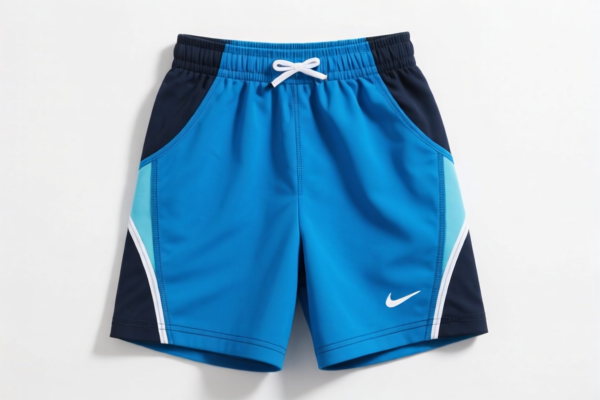
Product Images


AI Analysis
👶 Baby & Boys' Apparel: The "Cotton Quick Dry" Dilemma
🌐 HS Code Reference & Clearance Guide | 2026 Latest Tariff Analysis | Professional Customs Strategy
📌 I. Product Definition & Classification: What Exactly is a "Boys' Cotton Quick Dry Onesie"?
"Boys' Cotton Quick Dry Onesie" is a tricky term in international trade because it mixes material (Cotton), function (Quick Dry), and item type (Onesie/Onesie). However, under the Harmonized System (HS), functional descriptions like "Quick Dry" do not change the classification. The classification depends entirely on: 1. Material Composition: Is it 100% Cotton? Or a Cotton/Polyester blend? (HS data provided assumes Cotton). 2. Age Group: Is it for "Babies" (under 2 years) or "Boys" (older)? 3. Knitted vs. Woven: Is it knitted (like a T-shirt) or woven (like dress pants)?
⚠️ Critical Distinction for "Onesies":
- "Onesie" is a trademarked term for a specific type of bodysuit. In HS codes, it falls under "Sunsuits, washsuits, and similar apparel" or "Coveralls/Jumpsuits".
- Knitted Onesies (soft, stretchy fabric) → Generally Chapter 61.
- Woven Onesies (structured, non-stretch fabric) → Generally Chapter 62.
- "Babies" vs. "Boys":
- Babies (< 2 yrs): HS Chapter 6209 (Woven) or 6111 (Knitted).
- Boys (≥ 2 yrs): HS Chapter 6114 or 6211 (Knitted or Woven).
Based on the provided <DATA>, all items are Cotton. The following breakdown explains why specific HS codes apply based on the product's structure and age group.
📦 II. HS Code Classification Matrix (2026 Latest Tariff Authority)
The following table maps your product description to the provided HS Codes. Note that "Quick Dry" is a marketing term and does not appear in the HS description; it is ignored for classification unless it changes the material (e.g., if "Quick Dry" means Polyester, the HS code changes completely). Assuming 100% Cotton as per the data:
| HS Code | Product Description (From DATA) | Applicable Scenario | Age Group | Knitted/Woven |
|---|---|---|---|---|
6111.20.60.10 |
Babies' garments, knitted/crocheted, of cotton: Sunsuits, washsuits and similar apparel | Babies' Onesies (Knitted), specifically designed as sun/wash suits. | Baby | Knitted |
6111.20.60.70 |
Babies' garments, knitted/crocheted, of cotton: Other | Babies' Onesies (Knitted), if not classified as "Sunsuits/Washsuits". | Baby | Knitted |
6114.20.00.35 |
Other garments, knitted/crocheted, of cotton: Sunsuits, washsuits, one-piece playsuits and similar apparel | Boys' Onesies (Knitted), specifically "playsuits" or "onesies" for older boys. | Boy | Knitted |
6114.20.00.44 |
Other garments, knitted/crocheted, of cotton: Coveralls, jumpsuits and similar apparel | Boys' Onesies (Knitted), if classified as "Coveralls/Jumpsuits" rather than "Playsuits". | Boy | Knitted |
6209.20.50.30 |
Babies' garments, of cotton: Sunsuits, washsuits and similar apparel | Babies' Onesies (Woven), if the fabric is woven (e.g., poplin, twill). | Baby | Woven |
6209.20.50.50 |
Babies' garments, of cotton: Other | Babies' Onesies (Woven), if not classified as "Sunsuits/Washsuits". | Baby | Woven |
🔍 Key Analysis for "Quick Dry" Claim:
- If your product is 100% Cotton, it is breathable but NOT truly "Quick Dry" in the technical sense (synthetics like Polyester dry faster).
- If it is a Cotton-Polyester Blend, the HS Code CHANGES to Chapter 61/62 subheadings for "Of man-made fibers" or "Of textile materials mainly of synthetic fibers".
- Warning: If you declare "100% Cotton" but the product is 50% Polyester, this is misdeclaration and leads to severe penalties.
💰 III. 2026 Tariff Rate Breakdown (Zero Duty!)
✅ Applicable Country: United States (US)
✅ Origin: China (CN) (Assumed based on typical HS Code patterns and tax details)
✅ Effective Date: 2026 Tariff Schedule
🎯 ALL Provided HS Codes: 0% Total Duty
| HS Code | Product Type | Base Duty | Section 301 Surcharge | IEEPA Surcharge | Total Duty Rate |
|---|---|---|---|---|---|
6111.20.60.10 |
Knitted Baby Sunsuit | 0% | 0% | 0% | 0% |
6111.20.60.70 |
Knitted Baby Other | 0% | 0% | 0% | 0% |
6114.20.00.35 |
Knitted Boys' Playsuit | 0% | 0% | 0% | 0% |
6114.20.00.44 |
Knitted Boys' Coverall | 0% | 0% | 0% | 0% |
6209.20.50.30 |
Woven Baby Sunsuit | 0% | 0% | 0% | 0% |
6209.20.50.50 |
Woven Baby Other | 0% | 0% | 0% | 0% |
📌 Explanation:
- Base Duty: 0% for these specific baby/boys' cotton garments.
- Section 301 / IEEPA Surcharges: The provided<DATA>shows 0.0% for all. This is exceptionally rare for Chinese-origin goods.
- Possible Reasons:
1. These specific HS codes may be exempt from current trade wars.
2. The data reflects a special preferential trade agreement or de minimis exemption (if applicable).
3. Caution: Always verify with the latest USITC tariff database, as 301 duties on textiles are common. If the 0% is incorrect, expect 25% additional duty.
🛠️ IV. Customs Clearance Practical Advice (Real-World Pitfall Guide)
✅ 1. Document Checklist (Non-Negotiable)
| Document | Required? | Why It Matters |
|---|---|---|
| ✅ Composition Label | ✔️ | Must state "100% Cotton" or "80% Cotton, 20% Polyester". Mislabeling is the #1 cause of delays. |
| ✅ Age Specification | ✔️ | Must clearly state "For Babies (< 24 months)" or "For Boys (2-7 yrs)". This determines Chapter 61 vs. 62 and HS Code. |
| ✅ Product Photos | ✔️ | Show the snaps/fasteners at the crotch. This proves it is a "Onesie/Bodysuit" (similar apparel) vs. a "Set" (separate top/bottom). |
| ✅ Care Label | ✔️ | Must show fiber content. If care label says "Wash in warm water with non-chlorine bleach," it supports cotton. |
| ✅ Invoice | ✔️ | Must describe as "Boys' Cotton Knitted Onesie" or "Baby Cotton Woven Sunsuit". Avoid vague terms like "Clothes". |
✅ 2. Classification Strategy (Key Mnemonics)
🔥 "Fabric First, Age Second, Style Third!"
| Scenario | Correct Classification Logic | Incorrect Action |
|---|---|---|
| Knitted + Baby + Sunsuit | 6111.20.60.10 |
Don't use 6209 (Woven). |
| Knitted + Boy + Playsuit | 6114.20.00.35 |
Don't use 6111 (Baby). |
| Woven + Baby + Sunsuit | 6209.20.50.30 |
Don't use 6111 (Knitted). |
| "Quick Dry" Claim | Ignore in HS Description | Do NOT write "Quick Dry" in the HS description field. Write "Cotton". |
✅ 3. Special Cases & Risks
| Situation | Recommendation |
|---|---|
| "Quick Dry" = Polyester Blend | If the fabric contains >50% Polyester, HS Code Changes Entirely. Do not use the above codes. Use 6111.90 or 6209.90 equivalents for synthetic fibers. |
| Onesie with Hood | If it has a hood, it may be classified as a "Suit" or "Jacket" instead of "Onesie". Check local customs rulings. |
| Packaged as a Set | If sold as "Onesie + Pants + Hat", it is still classified as the principal item (the Onesie). Do not split the value. |
| OEM Private Label | Ensure the supplier provides a Certificate of Origin and Fiber Content Certificate. |
🌍 V. Global Market Comparison (2026)
| Country/Region | Recommended HS Code (Assuming 100% Cotton, Knitted, Baby) | Duty Rate | Key Certification |
|---|---|---|---|
| 🇺🇸 USA | 6111.20.60.10 |
0% (Per DATA) | CPSIA, Prop 65 |
| 🇪🇺 EU | 6111.20.30 (Similar) |
~12% | REACH, EN71 |
| 🇨🇳 China | 6111.20.90 |
0% | CCC (if applicable) |
| 🇬🇧 UK | 6111.20.30 |
12% | UKCA, REACH |
| 🇦🇺 Australia | 6111.20.30 |
5% | Australian Consumer Law |
📌 Conclusion for USA:
- The provided data shows 0% duty, which is a major competitive advantage.
- Verify this rate with a licensed customs broker, as 301 duties on textiles are frequent.
- If the 0% is correct, profit margins are maximized.
📌 VI. Common Mistakes & Pitfall Guide (Lessons Learned)
❌ Mistake 1: Calling it "Quick Dry Cotton" without specifying polyester content.
👉 Consequence: If it contains Polyester, HS Code is wrong → 25% Duty + Penalties.
❌ Mistake 2: Using "Boys' Clothing" for a Baby Onesie.
👉 Consequence: Wrong HS Code (6114 vs 6111) → Customs Hold for reclassification.
❌ Mistake 3: Ignoring the "Knitted vs. Woven" distinction.
👉 Consequence: 6111 (Knitted) vs 6209 (Woven) have different duty structures in some countries. In the US data, both are 0%, but globally, this matters.
❌ Mistake 4: Not declaring "Sunsuit" or "Washsuit".
👉 Consequence: If classified as "Other", it might fall under a higher duty bracket in non-US markets.
✅ Best Practice:
"Declare Fiber Content: 100% Cotton. Declare Age: Baby/Boy. Declare Type: Knitted Sunsuit/Bodysuit. Do Not Use 'Quick Dry' in HS Description."
🎯 VII. Conclusion: Maximize Profit with Accurate Classification
🎯 Key Takeaway:
🔹 "0% Duty is Golden!" – If the provided data is accurate for your origin, you are in a favorable position.
🔹 "Quick Dry" is a Marketing Term, Not a HS Term – Ensure your fiber content matches the HS Code.
🔹 "Onesie" = Sunsuit/Playsuit – Use the specific "Similar Apparel" codes (6111.20.60.10,6114.20.00.35, etc.) for clarity.
📌 Pro Tip:
If your product is actually 50% Cotton / 50% Polyester, you MUST change the HS Code to Chapter 61 subheadings for Synthetic Fibers (e.g.,
6111.30). The 0% duty on Cotton may not apply to Synthetics under current US-China trade rules. Always test fabric composition!
📣 Action Required:
📞 Consult a Customs Broker to verify the 0% duty rate against the latest USITC Tariff Schedule.
📝 Label Accurately: "100% Cotton, Knitted, Baby Sunsuit".
🚀 Ship Confidently: With 0% duty, your cost structure is highly competitive.
✨ Precision in Classification, Precision in Profit!
💼 Your Clothing Line Deserves the Best Clearance Strategy!
Customer Reviews
About HS Code Classification
The Harmonized System (HS) is an internationally standardized nomenclature developed by the World Customs Organization (WCO) to classify traded products. Over 200 countries use the HS system as the basis for customs tariffs, trade statistics, and import/export regulations.
Each HS code follows a hierarchical structure:
- Chapter (2 digits) — Broad category of goods (e.g., Chapter 84: Machinery and Mechanical Appliances)
- Heading (4 digits) — More specific grouping within the chapter
- Subheading (6 digits) — Internationally standardized breakdown, used by all WCO member countries
- National subdivisions (8-10 digits) — Country-specific extensions for further classification, such as US HTSUS 10-digit codes
Correct HS code classification is essential for smooth customs clearance, accurate duty payment, and compliance with trade regulations. Misclassification can lead to customs delays, overpayment of duties, or penalties.
When importing from CN to US, the applicable tariff rates may include:
- Most-Favored-Nation (MFN) rate — The standard duty rate applied to WTO members
- General rate — Applied to countries without trade agreements
- Trade remedy duties — Additional tariffs such as Section 301 (anti-dumping), Section 232 (national security), or countervailing duties
The information provided on this page is for reference purposes only. For official classification, please consult with your local customs authority or a licensed customs broker.