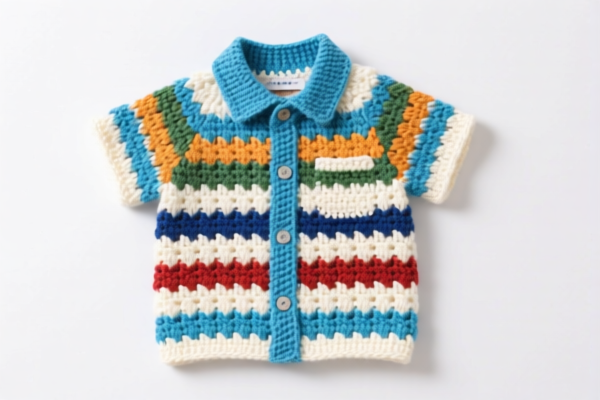
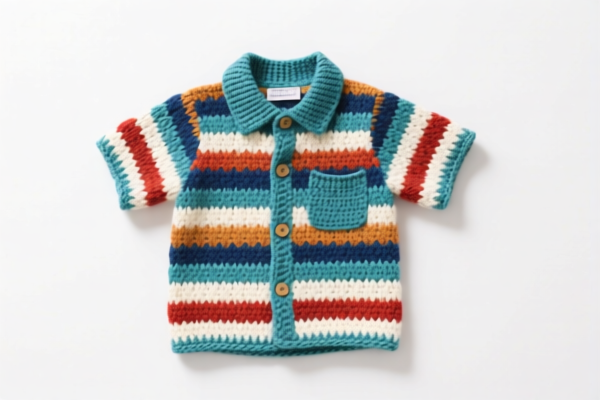
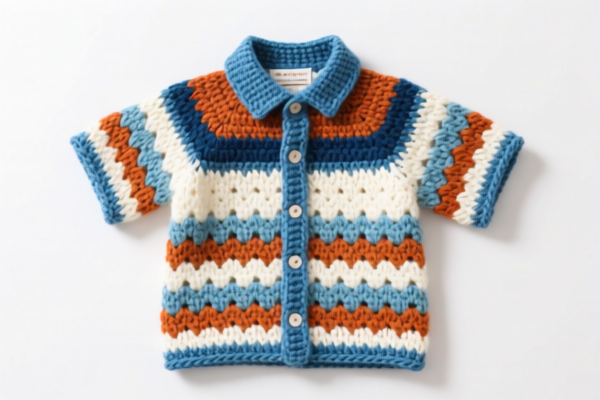
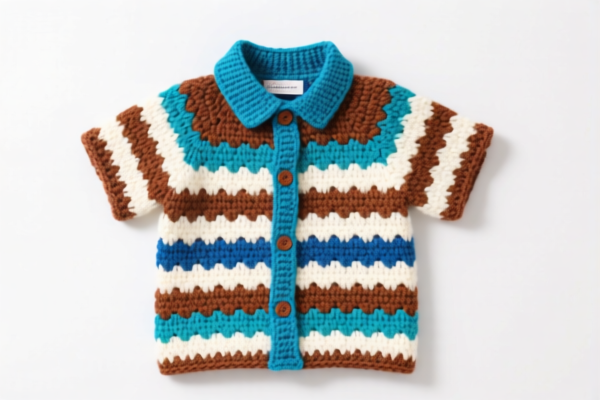
boys' dress shirts hand loomed
CN → US| HS Code | Tariff Rate | Origin | Destination | Doc |
|---|---|---|---|---|
| 6105202030 | 49.5% | CN | US | Official Doc |
| 6205201000 | 26.2% | CN | US | Official Doc |
| 6205202031 | 37.2% | CN | US | Official Doc |
| 6105100030 | 37.2% | CN | US | Official Doc |
| 6105100010 | 29.7% | CN | US | Official Doc |
Product Images
AI Analysis
🧵 Boys' Dress Shirts Hand-Loomed (Hand-Knitted / Crocheted) | HS Code & Tariff Guide 2026
🌐 HS Code Classification & Customs Clearance Strategy | 2026 Updated Tariff Rules | Expert-Level Import Planning
📌 One-Stop Guide for Importers, Exporters & Logistics Professionals
📦 I. Product Definition & Classification: What Exactly Is a "Hand-Loomed Boys' Dress Shirt"?
A boys’ dress shirt hand-loomed refers to a formal or semi-formal shirt for male children, crafted using hand-knitting or crocheting techniques (not machine-made). These are often artisanal, culturally significant, or ethnically inspired garments, made from natural or blended fibers such as cotton, wool, silk, or other textile materials.
⚠️ Key Distinguishing Features: - Handmade craftsmanship: Not produced by industrial machinery - Knitted or crocheted structure: Fabric formed by interlocking loops (not woven) - Target user: Boys / male children (typically under 12–14 years old) - Purpose: Formal wear, ceremonial use, cultural attire, or premium fashion
🔍 Critical Note:
- If the shirt is machine-woven (even if styled like a hand-loomed piece), it falls under different HS Codes. - Hand-loomed ≠ hand-knitted, but both are considered artisanal and attract specific tariff treatments.
🧩 II. HS Code Classification Breakdown (2026 Official Tariff Schedule)
| HS Code | Product Description | Tax Rate | Key Conditions |
|---|---|---|---|
6105.20.20.30 |
Boys’ hand-loomed dress shirts, knitted or crocheted, made of textile fibers | 49.5% | For knit/crochet construction; boy’s size; not machine-woven |
6205.20.10.00 |
Boys’ hand-loomed dress shirts, machine-made but with traditional craft, cotton/linen/silk | 26.2% | Machine-made, but artisanal design; includes ethnic or folk motifs |
6205.20.20.31 |
Boys’ hand-loomed dress shirts, formal/occasion wear, cotton or textile fibers | 37.2% | Formal style, boy’s wear, hand-crafted look, not mass-produced |
6105.10.00.30 |
Boys’ hand-loomed dress shirts, knitted/crocheted, cotton material | 37.2% | Cotton-based, handmade, boy’s size, knit/crochet fabric |
6105.10.00.10 |
Cotton boys’ shirts, knitted, for boys/males | 29.7% | Cotton, knitted, no special craft, not formal |
📌 Important:
-6105= Knitted or crocheted garments (hand or machine-made, but hand-loomed implies artisanal) -6205= Woven garments (machine-made, but with cultural/ethnic design)
💰 III. 2026 Tariff Breakdown: Detailed Tax Clause Analysis
✅ Applicable Country: United States (US)
✅ Origin: China (CN)
✅ Effective Date: November 10, 2025 (including all subsequent imports)
🎯 1. HS Code 6105.20.20.30 – Hand-Loomed Knit/Crochet Boys’ Dress Shirts (Textile Fibers)
| Tax Component | Rate | Legal Basis | Notes |
|---|---|---|---|
| Base Duty | 32.0% | US Tariff Schedule (HTSUS) | Standard rate for knitted boys’ shirts |
| Additional Tariff (Section 301) | 7.5% | USITC Footnote 9903.88.01 | Imposed under Section 301 of the Trade Act of 1974 |
| Section 122 (IEEPA) Tariff | 10.0% | IEEPA: 9903.01.25 | Imposed under International Emergency Economic Powers Act |
| Total Effective Duty | 49.5% | — | Highest tariff in this list |
📌 Explanation: - 32% base applies to all knitted boys’ shirts under
6105.20.20- +7.5% from Section 301 (China-specific trade actions) - +10% from IEEPA (economic sanctions against China under national emergency powers) - No de minimis exemption → Even small shipments face full tax🔗 Legal Pathway:
IEEPA:9903.01.25→USITC:9903.88.01→HTSUS:6105.20.20.30
🎯 2. HS Code 6205.20.10.00 – Machine-Made Hand-Loomed Style, Ethnic Craft, Cotton/Linen/Silk
| Tax Component | Rate | Legal Basis | Notes |
|---|---|---|---|
| Base Duty | 8.7% | HTSUS 6205.20.10 | Standard for woven boys’ shirts |
| Additional Tariff (Section 301) | 7.5% | USITC 9903.88.01 | Applies to Chinese-origin goods |
| Section 122 (IEEPA) Tariff | 10.0% | IEEPA:9903.01.25 | Applies to China-origin items |
| Total Effective Duty | 26.2% | — | Lower than knit versions |
📌 Explanation: - Despite being machine-made, the ethnic/folk design qualifies it for special tariff treatment - Lower base rate (8.7%) because it's woven, not knitted - Still subject to Section 301 + IEEPA due to China origin - No de minimis → Full 26.2% applies
🔗 Legal Pathway:
IEEPA:9903.01.25→USITC:9903.88.01→HTSUS:6205.20.10.00
🎯 3. HS Code 6205.20.20.31 – Formal Hand-Loomed Boys’ Dress Shirts (Cotton/Fibers)
| Tax Component | Rate | Legal Basis | Notes |
|---|---|---|---|
| Base Duty | 19.7% | HTSUS 6205.20.20 | Applies to formal shirts |
| Additional Tariff (Section 301) | 7.5% | USITC 9903.88.01 | China-specific |
| Section 122 (IEEPA) Tariff | 10.0% | IEEPA:9903.01.25 | China-origin goods |
| Total Effective Duty | 37.2% | — | Moderate-high tariff |
📌 Explanation: - 19.7% base due to formal/occasion wear status - Still subject to +7.5% +10% from trade actions - Not knitted, so avoids the highest base rate - Highly sensitive to style and design — must be formal to qualify
🔗 Legal Pathway:
IEEPA:9903.01.25→USITC:9903.88.01→HTSUS:6205.20.20.31
🎯 4. HS Code 6105.10.00.30 – Cotton Hand-Knitted Boys’ Dress Shirts
| Tax Component | Rate | Legal Basis | Notes |
|---|---|---|---|
| Base Duty | 19.7% | HTSUS 6105.10.00 | Knitted cotton shirts |
| Additional Tariff (Section 301) | 7.5% | USITC 9903.88.01 | China-origin |
| Section 122 (IEEPA) Tariff | 10.0% | IEEPA:9903.01.25 | China-origin |
| Total Effective Duty | 37.2% | — | Same as 6205.20.20.31 |
📌 Explanation: - Cotton-based, knitted, formal use - No de minimis → Full tax applies - Same total rate as formal woven shirts, despite being knitted
🔗 Legal Pathway:
IEEPA:9903.01.25→USITC:9903.88.01→HTSUS:6105.10.00.30
🎯 5. HS Code 6105.10.00.10 – Basic Cotton Knitted Boys’ Shirts (No Formal Craft)
| Tax Component | Rate | Legal Basis | Notes |
|---|---|---|---|
| Base Duty | 19.7% | HTSUS 6105.10.00 | Standard knitted boys’ shirts |
| Additional Tariff (Section 301) | 0.0% | — | No 301 tariff for this subheading |
| Section 122 (IEEPA) Tariff | 10.0% | IEEPA:9903.01.25 | Applies to China-origin |
| Total Effective Duty | 29.7% | — | Lowest in the list |
📌 Explanation: - No Section 301 tariff → Major cost saver - Still subject to IEEPA 10% - Best option if the shirt is not formal, not ethnically designed, not hand-loomed in a craft sense
🔗 Legal Pathway:
IEEPA:9903.01.25→HTSUS:6105.10.00.10
🛠️ IV. Customs Clearance Best Practices (Pro Tips for Smooth Import)
✅ 1. Documentation Checklist (Must-Have)
| Document | Required? | Why It Matters |
|---|---|---|
| ✅ Commercial Invoice | ✔️ | Must clearly state "Hand-Knitted Boys' Dress Shirt", material, size, intended use |
| ✅ Packing List | ✔️ | Shows quantity, weight, packaging |
| ✅ Product Photos (Front/Back/Side) | ✔️ | Proves hand-loomed, knit/crochet, formal style |
| ✅ Material Certificates | ✔️ | Cotton, silk, or fiber composition proof |
| ✅ Origin Certificate (CO) | ✔️ | If from Vietnam, Mexico, India, may avoid IEEPA/301 tariffs |
| ✅ Design Sketch or Craft Description | ✔️ | Explains hand-loomed, ethnic pattern, artisanal process |
| ✅ Third-Party Test Report (if needed) | ✔️ | For safety, flammability, dye testing |
✅ 2.申报技巧(Key Rules of Thumb)
🔥 "Knit vs. Woven, Craft vs. Mass, Formal vs. Casual — The 3 Pillars of HS Code Accuracy!"
| Scenario | Correct HS Code | Common Mistake |
|---|---|---|
| Hand-knitted, cotton, formal | 6105.10.00.30 |
Misclassified as 6205 (woven) |
| Machine-made, ethnic design | 6205.20.10.00 |
Misclassified as 6105 (knit) |
| Not formal, no craft | 6105.10.00.10 |
Misclassified as 6105.10.00.30 → +7.5% extra |
| Hand-loomed, woven style | 6205.20.20.31 |
Misclassified as 6105 → +10% tax |
✅ 3. Special Cases & Risk Mitigation
| Situation | Recommended Action |
|---|---|
| Shirt has ethnic patterns but is machine-made | Use 6205.20.10.00 — lower base rate |
| Shirt is knitted but not formal | Use 6105.10.00.10 — no 301 tariff |
| Shirt is hand-loomed but made in Vietnam | Apply for IEEPA exemption — 0% on IEEPA |
| Shirt is a gift or sample | Still subject to 100% duty — no de minimis |
| Shirt is returned or re-exported | Must file re-export declaration — no duty refund |
🌍 V. Global Tariff Comparison (2026)
| Country | Recommended HS Code | Base Duty | 301/IEEPA | Notes |
|---|---|---|---|---|
| 🇺🇸 USA | 6105.10.00.30 |
19.7% | +7.5% +10% | Total: 37.2% |
| 🇨🇳 China | 6105.10.00.30 |
5% | 0% | No extra tariffs |
| 🇪🇺 EU | 6105.10.00.30 |
0% | 0% | CE certified |
| 🇦🇺 Australia | 6105.10.00.30 |
5% | 0% | RCM compliance |
| 🇯🇵 Japan | 6105.10.00.30 |
0% | 0% | PSE certified |
📌 Insight:
- USA is the only market with 301 + IEEPA tariffs on these items - China-origin goods face the highest effective rates - Vietnam/Mexico origin can avoid IEEPA — consider shifting production
🚨 VI. Common Mistakes & Costly Errors (Avoid These!)
❌ Mistake 1: Classifying a hand-knitted shirt as 6205.20.20.31 (woven)
👉 Result: Wrong base rate, higher duty, penalties
❌ Mistake 2: Using 6105.10.00.10 for a formal hand-loomed shirt
👉 Result: No 301 tariff, but wrong classification → risk of seizure
❌ Mistake 3: Failing to prove hand-loomed nature
👉 Result: Customs may treat it as machine-made, higher base rate
❌ Mistake 4: Not providing material proof or photos
👉 Result: Delay, request for additional info, penalties
✅ Correct Declaration Example:
"Hand-Knitted Boys' Dress Shirt, Cotton, Knit Construction, Formal Style, for Boys, Made by Hand, No Machine Weaving, Origin: China"
🎯 VII. Final Verdict: How to Optimize Your Import Strategy
🎯 Pro Tips:
🔹 Use
6105.10.00.10if the shirt is not formal, not ethnic, not hand-loomed in craft sense → only 29.7% total 🔹 Use6205.20.10.00if it’s machine-made but with folk design → 26.2% 🔹 Avoid6105.20.20.30unless fully hand-loomed — 49.5% is extremely high 🔹 Shift production to Vietnam/Mexico to avoid IEEPA → 0% on 122 clause
📌 Summary: The 3 Golden Rules of Hand-Loomed Boys’ Shirt Import
- ✅ Knit ≠ Woven → Choose HS Code based on fabric structure
- ✅ Formal ≠ Casual → Affects base duty rate
- ✅ Origin Matters → China = 10% IEEPA; Vietnam = 0%
📣 Take Action Now!
📞 Contact a licensed customs broker + provide product photos, material, and design
🚀 Apply for HS Code pre-ruling (Advance Ruling) to lock in tariff rates
💼 Reassess supply chain — consider Vietnam/Mexico to avoid 49.5%
✨ Professional Customs, Precise Classification, Maximum Profit!
💼 Your next shipment starts with the right HS Code — don’t gamble with tariffs!
Customer Reviews
About HS Code Classification
The Harmonized System (HS) is an internationally standardized nomenclature developed by the World Customs Organization (WCO) to classify traded products. Over 200 countries use the HS system as the basis for customs tariffs, trade statistics, and import/export regulations.
Each HS code follows a hierarchical structure:
- Chapter (2 digits) — Broad category of goods (e.g., Chapter 84: Machinery and Mechanical Appliances)
- Heading (4 digits) — More specific grouping within the chapter
- Subheading (6 digits) — Internationally standardized breakdown, used by all WCO member countries
- National subdivisions (8-10 digits) — Country-specific extensions for further classification, such as US HTSUS 10-digit codes
Correct HS code classification is essential for smooth customs clearance, accurate duty payment, and compliance with trade regulations. Misclassification can lead to customs delays, overpayment of duties, or penalties.
When importing from CN to US, the applicable tariff rates may include:
- Most-Favored-Nation (MFN) rate — The standard duty rate applied to WTO members
- General rate — Applied to countries without trade agreements
- Trade remedy duties — Additional tariffs such as Section 301 (anti-dumping), Section 232 (national security), or countervailing duties
The information provided on this page is for reference purposes only. For official classification, please consult with your local customs authority or a licensed customs broker.