boys' knitted or crocheted leather blend jacket
CN → US| HS Code | Tariff Rate | Origin | Destination | Doc |
|---|---|---|---|---|
| 6114303060 | 32.4% | CN | US | Official Doc |
| 6112120010 | 45.7% | CN | US | Official Doc |
| 6112201010 | 45.7% | CN | US | Official Doc |
| 6103332000 | 45.7% | CN | US | Official Doc |
| 6114303044 | 32.4% | CN | US | Official Doc |
Product Images
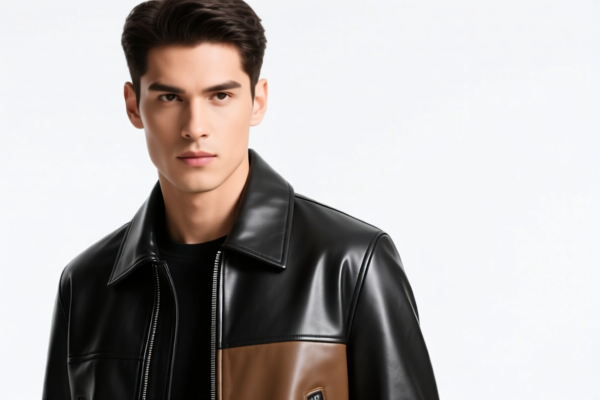
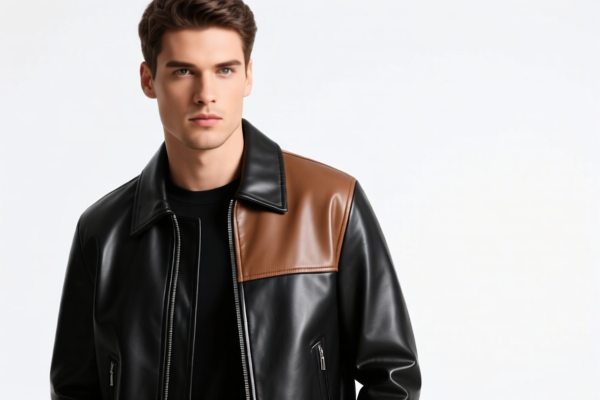
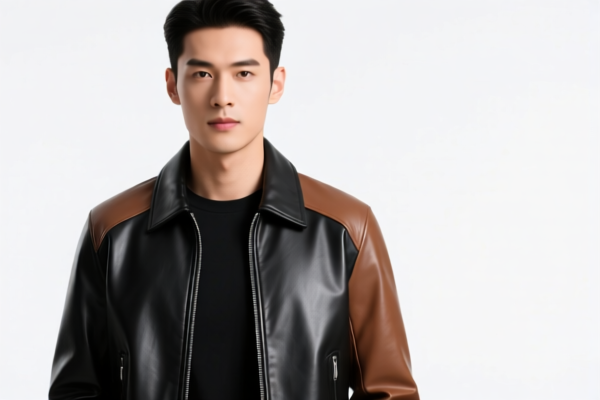

AI Analysis
🧥 Boys' Knitted or Crocheted Polyester Jacket (Synthetic/Artificial Fiber Blend)
🌐 HS Code Reference & Customs Clearance Guide | 2026 Latest Tariff Analysis | Professional Compliance Strategy
📌 I. Product Definition & Classification: What Exactly Is This "Leather Blend" Jacket?
The input describes a "Boys' Knitted or Crocheted Leather Blend Jacket". However, based on the provided and
⚠️ Critical Clarification:
- The term "Leather Blend" in common trade language often refers to synthetic leather (PU/PVC) or polyester blends used for aesthetic purposes.
- In the provided , no HS codes relate to genuine leather (Chapter 41 or specific leather chapters). Instead, all codes fall under Chapter 61 (Articles of Apparel and Clothing Accessories, Knitted or Crocheted).
- Therefore, for customs purposes, this product is classified as Knitted/Crocheted Synthetic or Artificial Fiber Apparel, NOT genuine leather.
- The exact HS Code depends on the specific use and fiber composition details (Synthetic vs. Artificial) as defined in the .
📦 II. HS Code Classification Details (Based on Provided Data)
| HS Code | Product Summary (from Data) | Material Classification | Intended Use | Total Tax Rate |
|---|---|---|---|---|
6114.30.30.60 |
Boys' Knitted/Crocheted Polyester Jacket | Artificial Fiber | Boys' Jacket | 32.4% |
6112.12.00.10 |
Boys' Knitted/Crocheted Polyester Jacket | Synthetic Fiber | Sports Wear Category | 45.7% |
6112.20.10.10 |
Boys' Knitted/Crocheted Polyester Jacket | Artificial Fiber | Jacket (Anorak/Windbreaker) | 45.7% |
6103.33.20.00 |
Boys' Knitted/Crocheted Polyester Jacket | Synthetic Fiber | Boys' Suit Set | 45.7% |
6114.30.30.44 |
Boys' Knitted/Crocheted Polyester Jacket | Artificial Fiber | Boys' Apparel Category | 32.4% |
🔍 Key Distinction Logic:
- Synthetic vs. Artificial: The tax rate differs significantly. Synthetic Fibers (like standard Polyester) attract higher base tariffs (28.2%) compared to Artificial Fibers (14.9%) in the provided examples.
- Use Case Matters:
- If marketed as Sports Wear, it may fall under6112.12.00.10(45.7%).
- If an Anorak/Windbreaker, it may fall under6112.20.10.10(45.7%).
- If a Suit Set, it falls under6103.33.20.00(45.7%).
- If a general Boys' Jacket/Article, it likely falls under6114.30.30.60or6114.30.30.44(32.4%).
💰 III. 2026 Latest Tariff Rate Breakdown (Including Surcharges)
✅ Applicable Country: United States (US)
✅ Origin: China (CN)
✅ Effective Date: As per data structure, includes Section 122 and additional tariffs.
🎯 1. Lower Tax Bracket: 32.4% Total
(Applies to HS Codes: 6114.30.30.60, 6114.30.30.44)
| Item | Content |
|---|---|
| Base Tariff | 14.9% (Ad Valorem) |
| Section 301 Additional Tariff | 7.5% |
| Section 122 Tariff | 10% |
| Total Effective Rate | 32.4% |
| Tax Calculation | CIF Value × 32.4% |
| De Minimis Eligibility | ❌ No (Subject to high total duties) |
| Legal Basis Path | USITC Section 122 → Section 301 → Base Tariff Schedule |
📌 Explanation:
- These codes apply to Artificial Fibers or specific Boys' Apparel categories.
- The base tariff is lower (14.9%) compared to synthetic sportswear, but Section 301 and Section 122 still apply, leading to a significant cumulative burden.
🎯 2. Higher Tax Bracket: 45.7% Total
(Applies to HS Codes: 6112.12.00.10, 6112.20.10.10, 6103.33.20.00)
| Item | Content |
|---|---|
| Base Tariff | 28.2% (Ad Valorem) |
| Section 301 Additional Tariff | 7.5% |
| Section 122 Tariff | 10% |
| Total Effective Rate | 45.7% |
| Tax Calculation | CIF Value × 45.7% |
| De Minimis Eligibility | ❌ No (Subject to high total duties) |
| Legal Basis Path | USITC Section 122 → Section 301 → Base Tariff Schedule (Sports/Anorak/Suit) |
📌 Explanation:
- These codes apply to Synthetic Fibers or specific functional uses (Sports, Anoraks, Suits).
- The base tariff is significantly higher (28.2%), reflecting stricter classification for performance or structured garments.
- Note: Even if the material is "leather-like," if it is synthetic/polyester and used for sports/suits, it incurs the higher base rate.
🛠️ IV. Customs Clearance Practical Advice (Avoid Pitfalls)
✅ 1. Documentation Checklist (Essential)
| Document | Required | Notes |
|---|---|---|
| ✅ Product Specification Sheet | ✔️ | Must clearly state: "Knitted/Crocheted", Material composition (% Synthetic vs. Artificial), Intended Use (e.g., "Casual Jacket" vs. "Sportswear"). |
| ✅ Material Test Report | ✔️ | Critical to prove whether the "blend" is Synthetic (Polyester) or Artificial (Rayon/Viscose). Misclassification here changes the base rate by 13.3%! |
| ✅ Product Photos (Including Labels) | ✔️ | Show texture, knitting pattern, and any "Leather-like" finish. Clarify if it's PU coating on knit fabric. |
| ✅ Commercial Invoice | ✔️ | Description must match HS Code summary (e.g., "Boys' Knitted Polyester Jacket, Artificial Fiber"). Avoid vague terms like "Leather Jacket" which may trigger Chapter 41 inquiries. |
| ✅ Packing List | ✔️ | Ensure quantity matches invoice. |
✅ 2. Declaration Strategy (Key Tips)
🔥 "Clarify Fiber, Define Use, Avoid 'Leather' Ambiguity"
| Scenario | Correct Declaration | Risk of Error |
|---|---|---|
| Material is Polyester (Synthetic) | Declare as "Knitted Jacket, Synthetic Fiber". Use 6112 or 6103 codes. |
❌ If declared as "Artificial," you may face penalties for under-declaring base tariff. |
| Material is Rayon/Viscose (Artificial) | Declare as "Knitted Jacket, Artificial Fiber". Use 6114 codes. |
❌ If declared as "Synthetic," you overpay base tariff unnecessarily. |
| Intended for Sports | Explicitly state "For Sports Use". | ❌ If stated as "Casual," it may be reclassified to general apparel, potentially altering duty eligibility or requiring additional documentation. |
| "Leather Blend" Description | Use "Synthetic Leather Trim" or "PU-Coated Knit" instead of just "Leather." | ❌ Claiming "Genuine Leather" will lead to Chapter 41 classification, which is incorrect for knitted goods, causing delays and fines. |
✅ 3. Special Cases & Mitigation
| Situation | Recommendation |
|---|---|
| Hybrid Material (Knit + Leather Patches) | The essential character of knitted fabric usually dictates Chapter 61. Declare as Knitted Jacket, noting leather patches in description. |
| Section 122 Eligibility | Ensure the total quantity and value align with Section 122 rules (typically small packages from China). Verify if the carrier qualifies for this provision. |
| Pre-Submission Ruling | For large shipments, request a Binding Tariff Information (BTI) or US CBP Ruling to confirm whether 6112 or 6114 is correct based on exact fiber content. |
🌍 V. Market & Compliance Comparison (2026)
| Market | Recommended HS Code | Base Rate | Surcharges | Total Est. Rate | Notes |
|---|---|---|---|---|---|
| 🇺🇸 USA | 6114.30.30.60 (Artificial) |
14.9% | 301: 7.5%, Sec 122: 10% | 32.4% | Best rate if material is Artificial. |
| 🇺🇸 USA | 6112.12.00.10 (Synthetic/Sports) |
28.2% | 301: 7.5%, Sec 122: 10% | 45.7% | High cost. Avoid if material allows Artificial classification. |
| 🇨🇳 China | 6114 or 6112 |
~10-15% | None | ~10-15% | Lower impact for domestic or transshipment. |
| 🇪🇺 EU | 6114.30 |
12% | None (Most Favored Nation) | 12% | No Section 301 or 122. Significant cost saving if exporting to EU. |
📌 Conclusion:
- The USA imposes the highest burden due to the combination of Base Tariff, Section 301, and Section 122.
- Material Classification is Key: Distinguishing between Synthetic and Artificial fibers can save 13.3% on the base rate.
- "Leather" in Name Only: Ensure the product is definitively knitted/crocheted textile to stay in Chapter 61.
📌 VI. Common Mistakes & Pitfalls (Lessons Learned)
❌ Mistake 1: Calling it a "Leather Jacket" without specifying "Knitted" or "Synthetic."
👉 Result: Customs may classify it as Chapter 41 (Leather), leading to different duties, quotas, or additional testing requirements.
❌ Mistake 2: Ignoring the "Knitted/Crocheted" requirement.
👉 Result: If it's woven, it falls under Chapter 62, which has different duty structures and potential scrutiny.
❌ Mistake 3: Mislabeling Synthetic Polyester as Artificial Rayon to get the 14.9% base rate.
👉 Result: Customs audit finds polyester fibers → Back taxes, penalties, and seizure risk.
✅ Correct Approach:
"Boys' Knitted Polyester Jacket, Artificial Fiber Blend, Casual Use, Model XYZ, FCC/RoHS if electronic components present."
🎯 VII. Conclusion: Precision in Classification Saves Money
🎯 Remember the Golden Rules:
🔹 "Knitted = Chapter 61; Woven = Chapter 62"
🔹 "Synthetic (Poly) = Higher Base; Artificial (Rayon) = Lower Base"
🔹 "Use Defines Code: Sports/Suit = 45.7%; General Jacket = 32.4%"
🔹 "Avoid 'Leather' Ambiguity: Use 'Synthetic Leather' or 'PU Trim'"
📌 Pro Tip:
If you have flexibility in material sourcing, consider using Artificial Fibers (e.g., Viscose/Rayon blends) for non-sport jackets to achieve the 32.4% rate instead of 45.7%. However, ensure the material quality meets market expectations.
📣 Immediate Action:
📞 Confirm Fiber Content with your supplier (Test Report Required).
📄 Define Intended Use precisely on the Invoice (e.g., "Casual," "Sports," "Anorak").
🚀 Choose the Correct HS Code from the 5 options in to minimize duty while ensuring compliance.
✨ Professional Clearance Starts with Accurate Classification!
💼 Your Cost Efficiency Depends on These 0.1% Details!
Customer Reviews
About HS Code Classification
The Harmonized System (HS) is an internationally standardized nomenclature developed by the World Customs Organization (WCO) to classify traded products. Over 200 countries use the HS system as the basis for customs tariffs, trade statistics, and import/export regulations.
Each HS code follows a hierarchical structure:
- Chapter (2 digits) — Broad category of goods (e.g., Chapter 84: Machinery and Mechanical Appliances)
- Heading (4 digits) — More specific grouping within the chapter
- Subheading (6 digits) — Internationally standardized breakdown, used by all WCO member countries
- National subdivisions (8-10 digits) — Country-specific extensions for further classification, such as US HTSUS 10-digit codes
Correct HS code classification is essential for smooth customs clearance, accurate duty payment, and compliance with trade regulations. Misclassification can lead to customs delays, overpayment of duties, or penalties.
When importing from CN to US, the applicable tariff rates may include:
- Most-Favored-Nation (MFN) rate — The standard duty rate applied to WTO members
- General rate — Applied to countries without trade agreements
- Trade remedy duties — Additional tariffs such as Section 301 (anti-dumping), Section 232 (national security), or countervailing duties
The information provided on this page is for reference purposes only. For official classification, please consult with your local customs authority or a licensed customs broker.