boys' knitted/crocheted set non swimwear polyester jacket
CN → US| HS Code | Tariff Rate | Origin | Destination | Doc |
|---|---|---|---|---|
| 6203392020 | 44.8% | CN | US | Official Doc |
| 6114303044 | 32.4% | CN | US | Official Doc |
| 6203292020 | 0.0% | CN | US | Official Doc |
| 6114303060 | 32.4% | CN | US | Official Doc |
| 6103391000 | 32.4% | CN | US | Official Doc |
Product Images
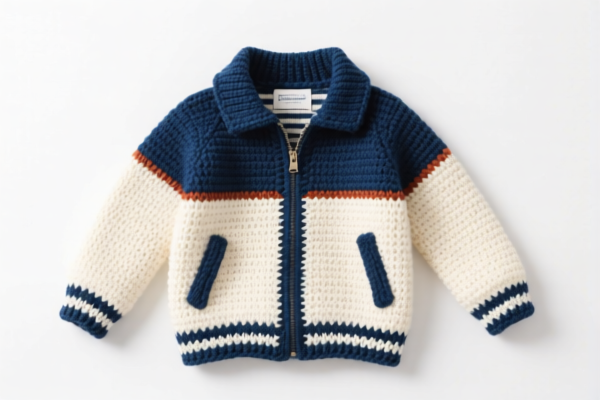
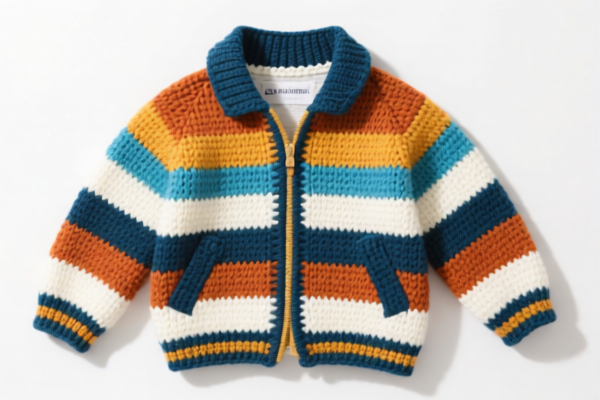
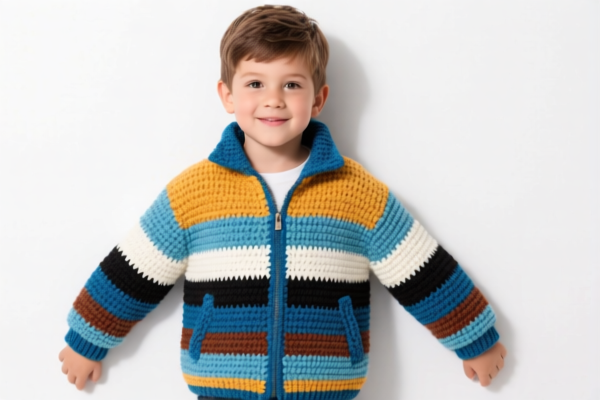
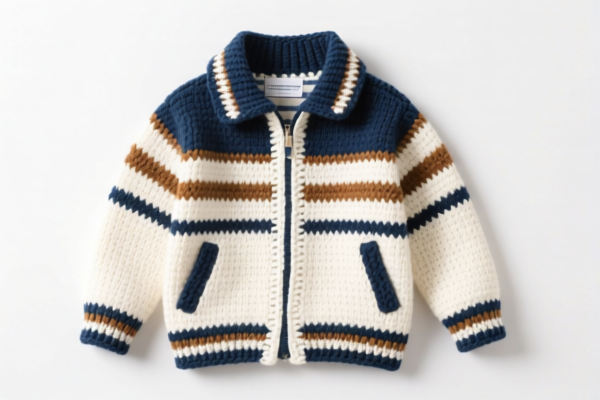
AI Analysis
👕 Boys’ Knitted/Crocheted Set (Non-Swimwear) Polyester Jacket
🌐 HS Code Reference & Customs Clearance Guide | 2026 Latest Tariff Analysis | Professional Level Customs Strategy
📌 I. Product Definition & Classification: Do You Really Understand "Boys' Sets"?
A boys' knitted/crocheted set consisting of a polyester jacket is a specific garment ensemble in international trade. The key lies in distinguishing whether it is classified as a Jacket (Coat) or a Suit/Ensemble. The material (Polyester/Man-made Fiber) and the construction method (Knitted/Crocheted) are critical factors.
⚠️ Key Distinction Points:
- If the item is primarily viewed as a jacket within an ensemble, it may fall under Chapter 62 (Woven) or Chapter 61 (Knitted) depending on the specific fabric structure.
- However, for Knitted/Crocheted items, the primary chapter is 61.
- The "Set" aspect triggers specific rules: if the components are classifiable together, they may be classified as a whole; otherwise, the component that gives the set its essential character determines the code.
📦 II. HS Code Classification Details (2026 Latest Tariff Authority Comparison)
| HS Code | Product Description | Application Scenario | Key Classification Basis |
|---|---|---|---|
6203.39.20.20 |
Boys' Woven Jacket (Polyester) | Note: This code typically refers to Woven garments. If the product is truly Knitted, this classification might be incorrect unless the "knitted" description is a misnomer for woven. However, based on the provided data, it is listed for polyester jackets. | Fits: Man-made fiber material, Boys' Jacket use. |
6114.30.30.44 |
Boys' Knitted/Crocheted Set (Non-Swimwear) Polyester Jacket | Primary Fit: Fits Man-made fiber material, Knitted/Crocheted form, and Boys' Set usage. | Fits: Man-made fiber/Knitted/Crocheted, Boys' Set purpose. |
6203.29.20.20 |
Boys' Knitted/Crocheted Set (Non-Swimwear) Polyester Jacket | Note: This code is for Woven suits/ensemble components. The description contradicts "Knitted". However, it fits: Jacket form, Boys' Set purpose, Man-made fiber/Polyester. | Fits: Jacket form, Boys' Set purpose, Man-made fiber/Polyester. |
6114.30.30.60 |
Boys' Knitted/Crocheted Set (Non-Swimwear) Polyester Jacket | Primary Fit: Fits Man-made fiber/Polyester material, Knitted/Crocheted form, and Boys' Clothing purpose. | Fits: Man-made fiber/Polyester, Knitted/Crocheted, Boys' Clothing. |
6103.39.10.00 |
Boys' Knitted/Crocheted Set (Non-Swimwear) Polyester Jacket | Primary Fit: Fits Knitted/Crocheted Set form, Boys' Suit purpose, and Polyester material. | Fits: Knitted/Crocheted Set form, Boys' Suit purpose, Polyester. |
🔍 Important Reminder:
- The dataset contains a mix of Chapter 61 (Knitted) and Chapter 62 (Woven) codes. Knitted garments generally belong to Chapter 61.
- Codes starting with61(e.g.,6114,6103) are likely more accurate for "Knitted/Crocheted" items.
- Codes starting with62(e.g.,6203) are typically for Woven items. If the product is truly knitted, using a 62 code may lead to customs rejection or delays.
💰 III. 2026 Latest Tariff Rate Details (Including Additional Taxes & Policy Surcharges)
✅ Applicable Country: United States (US)
✅ Origin: China (CN)
✅ Effective Time: 2025/2026 (Current Tariff Regime)
🎯 1. 6203.39.20.20 – Boys' Polyester Jacket (Woven Classification)
| Item | Content |
|---|---|
| Base Tariff | 27.3% |
| Section 301 Additional Tariff | 7.5% |
| Section 122 Tariff | 10% |
| Total Tariff Rate | 44.8% |
| Tax Calculation | CIF Value × 44.8% |
| De Minimis Exemption | ❌ Not Applicable (Value exceeds $800 threshold or specific exclusions apply) |
| Legal Basis | Standard USHTS + 301/122 Surcharge |
📌 Explanation:
- Base Tariff (27.3%): Standard duty for polyester jackets.
- Section 301 (7.5%): US-China trade war surcharge.
- Section 122 (10%): Additional tariff for specific textile/apparel categories (if applicable).
- Total 44.8%: High tariff burden. Requires precise documentation.
🎯 2. 6114.30.30.44 – Boys' Knitted Set (Man-made Fiber)
| Item | Content |
|---|---|
| Base Tariff | 14.9% |
| Section 301 Additional Tariff | 7.5% |
| Section 122 Tariff | 10% |
| Total Tariff Rate | 32.4% |
| Tax Calculation | CIF Value × 32.4% |
| De Minimis Exemption | ❌ Not Applicable |
| Legal Basis | Standard USHTS + 301/122 Surcharge |
📌 Note:
- Base Tariff (14.9%): Lower than woven jackets, typical for knitted sets.
- Total 32.4%: Still high due to surcharges, but 12.4% cheaper than the6203classification.
🎯 3. 6203.29.20.20 – Boys' Suit Ensemble (Woven)
| Item | Content |
|---|---|
| Base Tariff | The rate applicable to each garment in the ensemble if separately classified. |
| Section 301 Additional Tariff | 7.5% |
| Section 122 Tariff | 10% |
| Total Tariff Rate | Calculated individually + 17.5% (Surcharges) |
| Tax Calculation | Variable based on component classification |
| De Minimis Exemption | ❌ Not Applicable |
| Legal Basis | USHTS Ensemble Rules + 301/122 Surcharge |
📌 Warning:
- This code is for Woven suits. If the product is knitted, this code is incorrect.
- The tariff is complex as it requires classifying each part of the ensemble separately.
🎯 4. 6114.30.30.60 – Boys' Knitted Set (Man-made Fiber/Polyester)
| Item | Content |
|---|---|
| Base Tariff | 14.9% |
| Section 301 Additional Tariff | 7.5% |
| Section 122 Tariff | 10% |
| Total Tariff Rate | 32.4% |
| Tax Calculation | CIF Value × 32.4% |
| De Minimis Exemption | ❌ Not Applicable |
| Legal Basis | Standard USHTS + 301/122 Surcharge |
📌 Note:
- Identical tax rate to6114.30.30.44.
- Both codes apply to knitted/polyester boys' sets. The difference lies in specific sub-category definitions (e.g., specific knit structure or finish).
🎯 5. 6103.39.10.00 – Boys' Knitted Suit (Polyester)
| Item | Content |
|---|---|
| Base Tariff | 14.9% |
| Section 301 Additional Tariff | 7.5% |
| > Section 122 Tariff | 10% |
| Total Tariff Rate | 32.4% |
| Tax Calculation | CIF Value × 32.4% |
| De Minimis Exemption | ❌ Not Applicable |
| Legal Basis | Standard USHTS + 301/122 Surcharge |
📌 Note:
- This code is for Boys' Suits (specifically knitted).
- If the "set" is considered a suit (e.g., jacket + trousers), this code may apply.
- Total 32.4%: Consistent with other knitted man-made fiber codes.
🛠️ IV. Customs Clearance Practical Advice (Field Pitfall Avoidance Guide)
✅ 1. Preparation Checklist (Must-Haves)
| Document | Required | Explanation |
|---|---|---|
| ✅ Product Specification Sheet | ✔️ | Must specify: Material (100% Polyester), Construction (Knitted/Crocheted), Gender (Boys'), Use (Non-Swimwear). |
| ✅ Garment Diagram/Structure | ✔️ | Clarify if it is a Jacket only or a Set (Jacket + Pants/Skirt). This determines HS Code chapter. |
| ✅ Product Photos | ✔️ | Show labels, tags, and overall shape. Distinguish between Knitted and Woven textures. |
| ✅ Commercial Invoice | ✔️ | Clearly state: "Boys' Knitted Polyester Jacket Set, Non-Swimwear". Avoid vague terms like "Clothing". |
| ✅ Packing List | ✔️ | Detail contents. If it's a set, list each component. |
| ✅ Certificate of Origin | ✔️ | Required for origin verification. |
✅ 2. Declaration Tips (Key Mantras)
🔥 “Knitted Go to 61, Woven to 62, Set Rules Decide, Material is King!”
| Situation | Correct Declaration | Wrong Approach |
|---|---|---|
| Knitted Polyester Jacket Set | 6114.30.30.44 or 6114.30.30.60 |
Use 6203 (Woven code) → High Risk of Rejection |
| Knitted Boys' Suit (Jacket+Pants) | 6103.39.10.00 |
Declare as individual jackets → Complex Tariff Calculation |
| Woven Polyester Jacket | 6203.39.20.20 |
Declare as Knitted → Misclassification |
| Swimwear Set | Different Code (e.g., 6111 or 6211) |
Declare as "Non-Swimwear" → Wrong Tariff & Regulations |
✅ 3. Special Cases Handling
| Situation | Handling Advice |
|---|---|
| "Knitted" vs. "Woven" Ambiguity | Provide a weave structure test or expert opinion. Knitted has loops; Woven has interlacing threads. |
| Set Classification | If the set consists of a jacket and pants, and both are knit, classify as a Knitted Set (6114 or 6103). If mixed (e.g., knitted jacket + woven pants), rules are complex; consult a customs broker. |
| Polyester Content | Ensure the label says "100% Polyester" or the correct percentage. If it's a blend, the tariff might change if polyester is not the dominant fiber. |
| Age Group | "Boys" is specified. Ensure the design is not unisex or girls-oriented, which could lead to different classification. |
🌍 V. Global Major Market Comparison (2026 Latest)
| Country/Region | Recommended HS Code | Tariff (US Origin) | Certification Requirements | Notes |
|---|---|---|---|---|
| 🇺🇸 USA | 6114.30.30.44 |
32.4% (Total) | No specific certification for general apparel | High surcharges (301/122) |
| 🇪🇺 EU | 6114.30.30.44 |
12% (Standard) | CE Mark (if applicable), REACH Compliance | No 301/122 tariffs |
| 🇨🇳 China | 6114.30.30.44 |
10-14% (Import) | CCC (if applicable) | Lower tariffs for imports |
| 🇬🇧 UK | 6114.30.30.44 |
12% (Standard) | UKCA Mark (if applicable) | Post-Brexit regulations apply |
📌 Conclusion:
- USA has the highest tariff burden due to Section 301 and Section 122 surcharges.
- Knitted items (61xx) generally have lower base tariffs than Woven items (62xx), but the surcharges narrow the gap.
- Precision in Material and Construction is vital to avoid misclassification penalties.
📌 VI. Common Mistakes & Pitfalls (Blood & Tears Lessons)
❌ Mistake 1: Declaring a Knitted set as Woven (6203)
👉 Consequence: Customs may reclassify, apply higher duties, and issue penalties. 44.8% vs 32.4% difference.
❌ Mistake 2: Failing to specify "Non-Swimwear"
👉 Consequence: Swimwear has different codes and potentially lower/higher tariffs. Ambiguity leads to customs inspection delays.
❌ Mistake 3: Ignoring the "Set" Rule
👉 Consequence: If the set is classified as separate items, each part might be taxed individually, potentially leading to complex calculations or errors.
❌ Mistake 4: Using Vague Descriptions like "Kids Clothes"
👉 Consequence: Customs cannot determine the HS Code. Request for More Information (RFI) → Delays.
✅ Correct Practice:
"Boys' Knitted Polyester Jacket and Pants Set, Non-Swimwear, 100% Polyester, Model XYZ, Age 2-10 Years"
🎯 VII. Conclusion: Professional Declaration, Save Time, Cut Costs!
🎯 Remember the Mantra:
🔹 "Knitted = 61, Woven = 62, Set Rules Matter, Polyester is Key!"
🔹 "32.4% for Knitted, 44.8% for Woven, Declare Accurately, Avoid Penalties!"
📌 Pro Tip:
If your product is Knitted, prioritize 6114 or 6103 codes.
If there is any doubt about the Knitted vs. Woven distinction, provide a fiber analysis report.
For Sets, ensure all components are declared together to apply the correct "Ensemble" rules.
📣 Immediate Action:
📞 Contact a Licensed Customs Broker + Provide Product Photos + Apply for HS Code Pre-Ruling
🚀 Ensure your boys' knitwear sets clear customs smoothly, avoid surcharges, and maximize profits!
✨ Professional Customs Clearance Starts with Accurate Classification!
💼 Every Penny of Your Cost Deserves Precise Calculation!
Customer Reviews
About HS Code Classification
The Harmonized System (HS) is an internationally standardized nomenclature developed by the World Customs Organization (WCO) to classify traded products. Over 200 countries use the HS system as the basis for customs tariffs, trade statistics, and import/export regulations.
Each HS code follows a hierarchical structure:
- Chapter (2 digits) — Broad category of goods (e.g., Chapter 84: Machinery and Mechanical Appliances)
- Heading (4 digits) — More specific grouping within the chapter
- Subheading (6 digits) — Internationally standardized breakdown, used by all WCO member countries
- National subdivisions (8-10 digits) — Country-specific extensions for further classification, such as US HTSUS 10-digit codes
Correct HS code classification is essential for smooth customs clearance, accurate duty payment, and compliance with trade regulations. Misclassification can lead to customs delays, overpayment of duties, or penalties.
When importing from CN to US, the applicable tariff rates may include:
- Most-Favored-Nation (MFN) rate — The standard duty rate applied to WTO members
- General rate — Applied to countries without trade agreements
- Trade remedy duties — Additional tariffs such as Section 301 (anti-dumping), Section 232 (national security), or countervailing duties
The information provided on this page is for reference purposes only. For official classification, please consult with your local customs authority or a licensed customs broker.