boys' pants
CN → US| HS Code | Tariff Rate | Origin | Destination | Doc |
|---|---|---|---|---|
| 6203424511 | 34.1% | CN | US | Official Doc |
| 6103431520 | 45.7% | CN | US | Official Doc |
| 6211335030 | 33.5% | CN | US | Official Doc |
| 6211329040 | 25.6% | CN | US | Official Doc |
| 6203439011 | 45.4% | CN | US | Official Doc |
Product Images
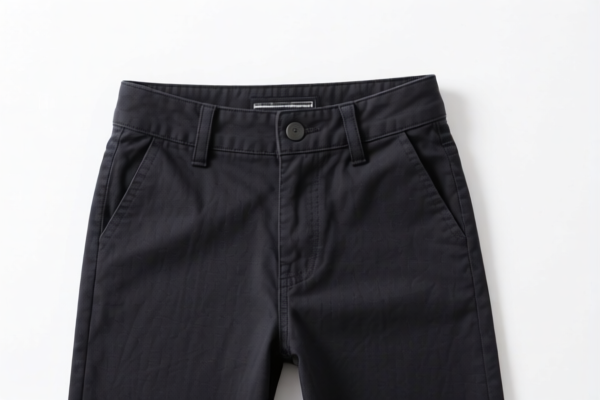
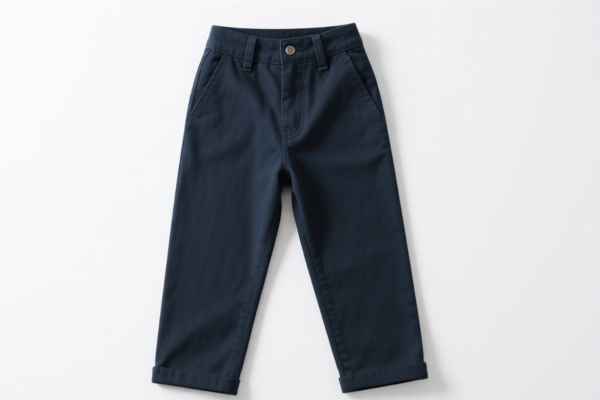
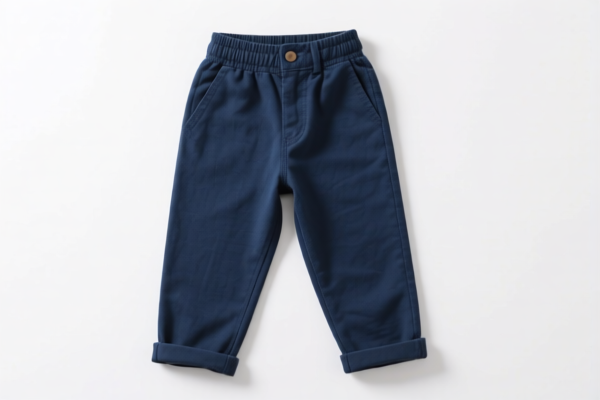
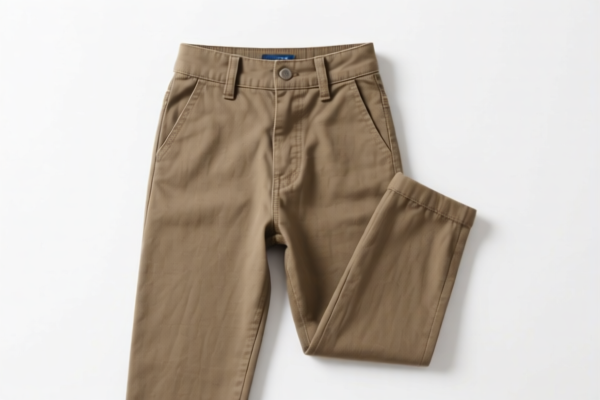
AI Analysis
👖 Boys' Pants (Male Children's Trousers)
🌐 HS Code Reference & Customs Clearance Guide | 2026 Latest Tariff Analysis | Professional Entry Strategy
📌 I. Product Definition & Classification: What Exactly Are "Boys' Pants"?
Boys' pants refer to lower-body garments designed for male children, typically covering the waist and extending to the ankles or mid-thigh. In international trade, classification depends heavily on material composition (Cotton vs. Synthetic Fibers) and construction method (Knitted vs. Woven).
Key Distinction Points: * Material Matters: Cotton items generally enjoy lower base tariffs but may face high surcharges. Synthetic fiber items vary widely based on specific sub-categories (e.g., wool blends vs. other synthetics). * Structure Matters: "Trousers" usually imply full-length coverage, while "Breeches" or "Shorts" have different HS codes. The data provided here focuses on long pants/trousers.
⚠️ Critical Note:
- All classifications below apply to Male garments only.
- Tariffs shown include Base Duty + Section 301 Surcharge + Section 232/Other Add-ons where applicable.
- Total Tax Rates range from 25.6% to 45.7%, making precise classification critical for cost control.
📦 II. HS Code Classification Details (Based on Provided Data)
| HS Code | Product Description | Summary/Reasoning | Total Tax Rate |
|---|---|---|---|
6203.42.45.11 |
Men's Boys' Trousers, Cotton | Based on cotton material inference; falls under general category for cotton woven trousers. | 34.1% |
6103.43.15.20 |
Men's Boys' Trousers, Synthetic/Knit | Based on synthetic fiber or cotton inference; classified as long pants/breeches (knitted). | 45.7% |
6211.33.50.30 |
Men's Boys' Trousers, Synthetic Woven | Based on synthetic fiber material inference; meets classification requirements for woven synthetics. | 33.5% |
6211.32.90.40 |
Men's Boys' Trousers, Cotton Woven | Based on cotton material inference; no obvious conflicts; likely a specific sub-category for cotton woven pants. | 25.6% |
6203.43.90.11 |
Men's Boys' Trousers, Synthetic Woven | Based on synthetic fiber long pants inference; matches bottom-up category principles. | 45.4% |
🔍 Key Insight:
- Cheapest Option:6211.32.90.40(25.6%) appears to be the most cost-effective if the product is Cotton Woven.
- Most Expensive:6103.43.15.20(45.7%) for Knitted Synthetic items.
- Material Check: Always verify if the pants are Woven (Chapter 62) or Knitted (Chapter 61). This is the single biggest factor in determining the HS Code prefix.
💰 III. 2026 Latest Tariff Rate Breakdown (Including Surcharges & Policy Add-ons)
✅ Applicable Country: United States (US)
✅ Origin: China (CN) (Implied by the specific surcharge structures)
✅ Effective Time: 2025-2026 Period
🎯 1. 6211.32.90.40 —— Boys' Pants, Cotton (Woven) [LOWEST COST]
| Item | Content |
|---|---|
| Base Duty | 8.1% |
| Section 301 Surcharge | 7.5% |
| Section 232/Other Add-on | 10% |
| Total Tax Rate | 25.6% |
| Tax Calculation | CIF Value × 25.6% |
| De Minimis Eligibility | ❌ Not Eligible (Standard for textile apparel) |
| Legal Basis Path | USITC:6211.32.90.40 → Section 301: 7.5% → Section 232/Other: 10% |
📌 Explanation:
- This is the most favorable rate in the dataset.
- It requires the pants to be Woven (not knitted) and made of Cotton.
- Even with a low base duty (8.1%), the additional tariffs push the total to 25.6%, which is still significantly lower than synthetic counterparts.
🎯 2. 6211.33.50.30 —— Boys' Pants, Synthetic (Woven)
| Item | Content |
|---|---|
| Base Duty | 16.0% |
| Section 301 Surcharge | 7.5% |
| Section 232/Other Add-on | 10% |
| Total Tax Rate | 33.5% |
| Tax Calculation | CIF Value × 33.5% |
| De Minimis Eligibility | ❌ Not Eligible |
| Legal Basis Path | USITC:6211.33.50.30 → Section 301: 7.5% → Section 232/Other: 10% |
📌 Explanation:
- Woven Synthetic pants incur a higher base duty (16.0%) compared to cotton (8.1%).
- The surcharges remain constant (7.5% + 10%), resulting in a moderate total rate.
🎯 3. 6203.42.45.11 —— Boys' Pants, Cotton (Woven, General)
| Item | Content |
|---|---|
| Base Duty | 16.6% |
| Section 301 Surcharge | 7.5% |
| Section 232/Other Add-on | 10% |
| Total Tax Rate | 34.1% |
| Tax Calculation | CIF Value × 34.1% |
| De Minimis Eligibility | ❌ Not Eligible |
| Legal Basis Path | USITC:6203.42.45.11 → Section 301: 7.5% → Section 232/Other: 10% |
📌 Explanation:
- Also Cotton, but under a different sub-heading (6203vs6211).
-6203typically refers to specific types of men's/boys' suits/trousers, while6211is for "other" garments.
- The base duty is higher (16.6%), leading to a 34.1% total rate.
🎯 4. 6203.43.90.11 —— Boys' Pants, Synthetic (Woven, General)
| Item | Content |
|---|---|
| Base Duty | 27.9% |
| Section 301 Surcharge | 7.5% |
| Section 232/Other Add-on | 10% |
| Total Tax Rate | 45.4% |
| Tax Calculation | CIF Value × 45.4% |
| De Minimis Eligibility | ❌ Not Eligible |
| Legal Basis Path | USITC:6203.43.90.11 → Section 301: 7.5% → Section 232/Other: 10% |
📌 Explanation:
- High Base Duty: 27.9% is very high for woven synthetics in this category.
- Total rate exceeds 45%, making this the most expensive option for woven synthetics.
🎯 5. 6103.43.15.20 —— Boys' Pants, Knitted (Synthetic/Cotton Blend) [HIGHEST COST]
| Item | Content |
|---|---|
| Base Duty | 28.2% |
| Section 301 Surcharge | 7.5% |
| Section 232/Other Add-on | 10% |
| Total Tax Rate | 45.7% |
| Tax Calculation | CIF Value × 45.7% |
| De Minimis Eligibility | ❌ Not Eligible |
| Legal Basis Path | USITC:6103.43.15.20 → Section 301: 7.5% → Section 232/Other: 10% |
📌 Explanation:
- Knitted garments (Chapter 61) generally have higher base duties for synthetic blends.
- This is the highest total tax rate in the dataset. Avoid this classification if possible unless the product is specifically knitted (e.g., sweatpants, track pants).
🛠️ IV. Customs Clearance Practical Advice (Battle-Tested Pitfall Guide)
✅ 1. Essential Documentation Checklist (Non-Negotiable)
| Document | Mandatory? | Notes |
|---|---|---|
| ✅ Product Specification Sheet | ✔️ | Must state material composition (e.g., "100% Cotton" or "95% Polyester/5% Spandex"). |
| ✅ Fabric Swatch/Photo | ✔️ | Customs may request proof of material (woven vs. knitted). |
| ✅ Commercial Invoice | ✔️ | Clearly describe as "Boys' Cotton Trousers" or "Boys' Synthetic Pants". |
| ✅ Packing List | ✔️ | Detail quantity, weight, and dimensions. |
| ✅ Origin Certificate (CO) | ✔️ | If claiming any preferential treatment (though unlikely for US/China). |
✅ 2. Classification Strategy (Key Rules)
🔥 “Woven vs. Knitted is King! Material is Queen! Get it wrong, pay the price!”
| Scenario | Correct HS Code Type | Incorrect Approach | Consequence |
|---|---|---|---|
| Cotton Woven Pants | 6211.32.90.40 (25.6%) |
Classify as 6203.42... |
Pay 8.5% more (34.1% vs 25.6%). |
| Synthetic Woven Pants | 6211.33.50.30 (33.5%) |
Classify as 6203.43... |
Pay 11.9% more (45.4% vs 33.5%). |
| Knitted Sweatpants | 6103.43.15.20 (45.7%) |
Classify as Woven | Misclassification penalty + higher tax. |
| Mixed Material | Check dominant fiber | Guessing | High base duty (28%+) |
📌 Tip:
- If the pants are 95% Polyester/5% Spandex, they are Synthetic Woven →6211.33.50.30.
- If the pants are 100% Cotton, check if they fit6211.32.90.40(lowest rate) or6203.42.45.11. Prioritize6211.32.90.40.
✅ 3. Special Cases
| Situation | Handling Advice |
|---|---|
| Poly-Cotton Blend | If >50% synthetic, classify as Synthetic. If >50% cotton, classify as Cotton. |
| With Elastic Waist | Still "Trousers/Pants". Do not classify as "Elastic Band" (wrong chapter). |
| With Pockets/Flaps | These are standard features. Do not try to split them into separate line items. |
| Sample vs. Bulk | Samples are subject to the same tariffs. No duty exemption for small quantities. |
🌍 V. Global Market Comparison (2026 Latest)
| Country/Region | Recommended HS Code | Est. Tariff (China Origin) | Notes |
|---|---|---|---|
| 🇺🇸 USA | 6211.32.90.40 (Best Case) |
25.6% | High surcharges apply. |
| 🇨🇳 China | 6211.32.90.40 |
~10-15% | Lower base duty, no Section 301. |
| 🇪🇺 EU | 6203.42.00 |
12% | No Section 301, but different sub-codes. |
| 🇬🇧 UK | 6211.32 |
~12% | Post-Brexit rules apply. |
📌 Conclusion:
- USA is the most expensive market for boys' pants due to the 7.5% + 10% surcharges.
- Optimization Strategy: Try to classify under6211(Other garments) rather than6203(Suits/Trousers proper) where possible, as6211.32.90.40offers the lowest base duty (8.1%).
📌 VI. Common Mistakes & Pitfalls (Lessons Learned)
❌ Mistake 1: Calling "Synthetic Pants" "Cotton Pants"
👉 Consequence: Customs inspection reveals polyester → Fine + Back Taxes + Delay.
❌ Mistake 2: Using 6203 for Knitted Sweatpants
👉 Consequence: 6203 is for Woven garments only. Knitted items must go to 6103. Misclassification leads to rejection.
❌ Mistake 3: Ignoring Material Composition
👉 Consequence: A 5% Spandex blend makes it "Synthetic" in many tariff schedules, pushing the rate from 25.6% to 33.5% or higher.
✅ Correct Approach:
"Boys' Woven Cotton Trousers, 100% Cotton, Elastic Waist, Pockets, Model XYZ, Shipped from China."
🎯 VII. Conclusion: Professional Classification Saves Money!
🎯 Remember These Rules:
🔹 "Woven Cotton = 25.6% (Best)"
🔹 "Woven Synthetic = 33.5% (Good)"
🔹 "Knitted Synthetic = 45.7% (Expensive)"
🔹 "Never Guess Material!"
📌 Pro Tip:
If you are importing from Vietnam, Bangladesh, or India, you may avoid the Section 301 (7.5%) and Section 232 (10%) surcharges, reducing the total rate significantly. Consider supply chain diversification if volume is high.
📣 Immediate Action:
📞 Contact your customs broker with fabric swatches.
🚀 Request an Advance Ruling (ISF) if unsure.
💰 Aim for6211.32.90.40to save ~10-20% in taxes!
✨ Accurate Classification is the Key to Profitability!
💼 Every Percent Saved in Tariffs is Pure Profit!
Customer Reviews
About HS Code Classification
The Harmonized System (HS) is an internationally standardized nomenclature developed by the World Customs Organization (WCO) to classify traded products. Over 200 countries use the HS system as the basis for customs tariffs, trade statistics, and import/export regulations.
Each HS code follows a hierarchical structure:
- Chapter (2 digits) — Broad category of goods (e.g., Chapter 84: Machinery and Mechanical Appliances)
- Heading (4 digits) — More specific grouping within the chapter
- Subheading (6 digits) — Internationally standardized breakdown, used by all WCO member countries
- National subdivisions (8-10 digits) — Country-specific extensions for further classification, such as US HTSUS 10-digit codes
Correct HS code classification is essential for smooth customs clearance, accurate duty payment, and compliance with trade regulations. Misclassification can lead to customs delays, overpayment of duties, or penalties.
When importing from CN to US, the applicable tariff rates may include:
- Most-Favored-Nation (MFN) rate — The standard duty rate applied to WTO members
- General rate — Applied to countries without trade agreements
- Trade remedy duties — Additional tariffs such as Section 301 (anti-dumping), Section 232 (national security), or countervailing duties
The information provided on this page is for reference purposes only. For official classification, please consult with your local customs authority or a licensed customs broker.